Exercise is Medicine On Campus has been on the Michigan Tech Campus for several years. Current and past faculty and two KIP alum were published recently.


Exercise is Medicine On Campus has been on the Michigan Tech Campus for several years. Current and past faculty and two KIP alum were published recently.
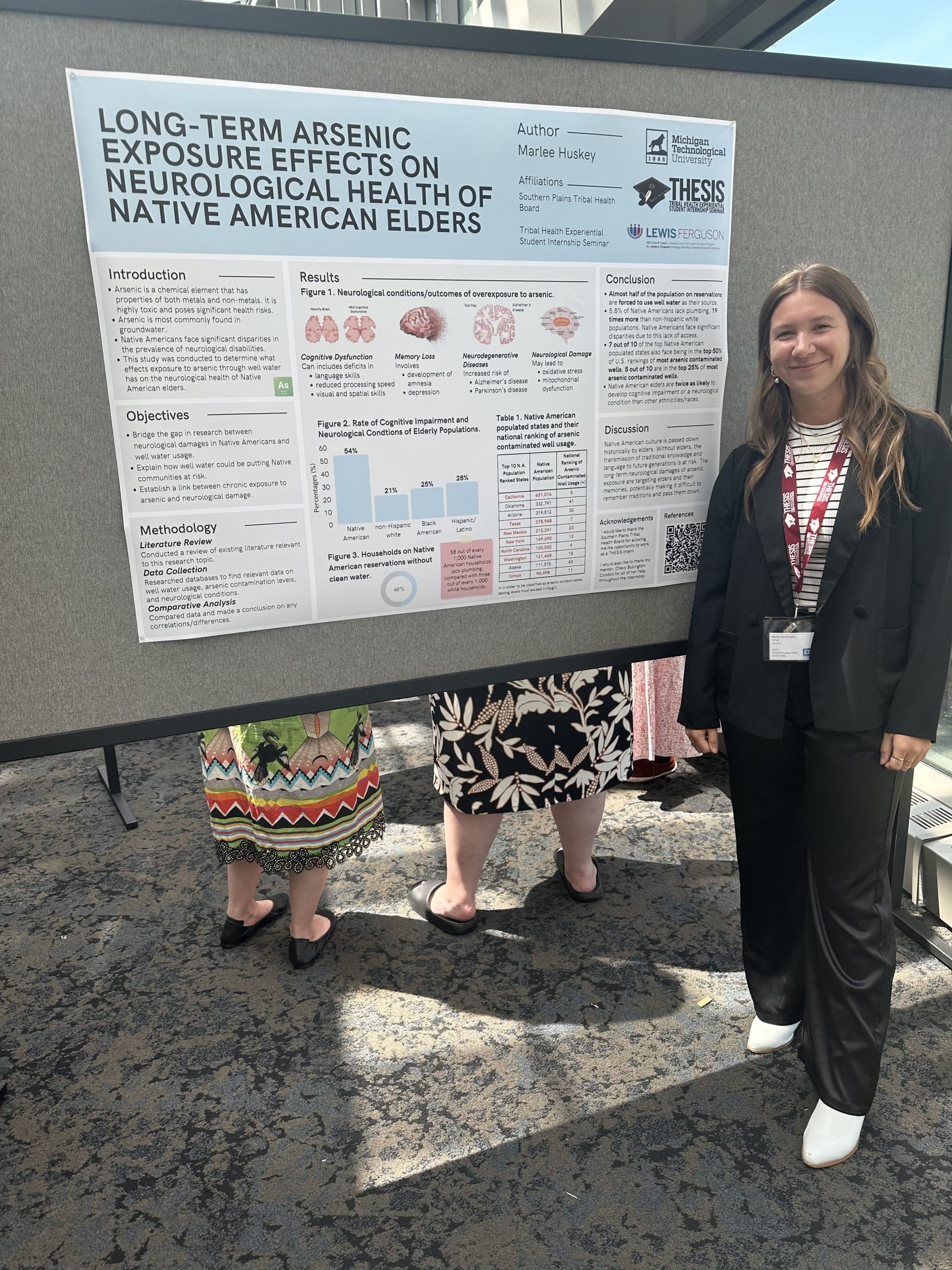
Exercise science student Marlee Huskey appeared in Tech Today and in Stories from Husky Nation. You can read the article to learn about her experience.
Last week, I had the opportunity to blend professional growth with a bit of adventure during a short trip through Michigan. My journey began in Grand Rapids, where I attended the annual Midwest Chapter of American College of Sports Medicine (MWACSM) conference. It was an exciting and enlightening event where I had the chance to deliver a long-form professional presentation titled “Metabolic Cost of Human Locomotion: A Historical Review and Future Considerations.” Getting the experience to present and engage with a broad audience from undergraduate students to professionals in the field was rewarding and provided great opportunity for personal growth. The other highlight of the MWACSM conference was undoubtedly the keynote by Dr. Philip Skiba. His talk on Nike’s “Breaking Two” project—a quest to break the 2-hour marathon barrier—was inspiring and highlighted some of the most cutting edge work marrying engineering and science to optimize human performance.
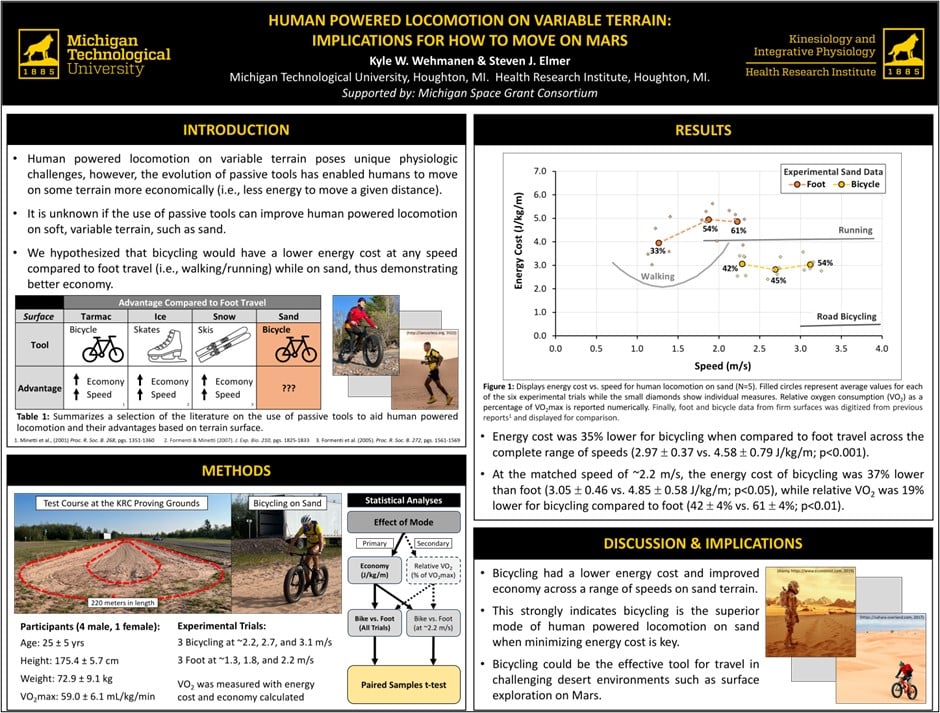
From Grand Rapids, I then headed to Ann Arbor to attend the Michigan Space Grant Consortium (MSGC) conference. Here, I presented a poster on my current research titled “Human Powered Locomotion on Variable Terrain: Implications for How to Move on Mars.” The interdisciplinary nature of the conference made it incredibly enjoyable. Presentations ranged from hard engineering to deep space science to ecology and biomechanics, fostering conversations that bridged numerous fields of research. It was refreshing to be part of such a diverse gathering of minds, all united by a common curiosity for the unknown.
This trip was not just a personal and professional milestone but also an opportunity to represent Michigan Tech and the Department of Kinesiology and Integrative Physiology (KIP). By presenting my research, I had the chance to showcase our work to undergraduates and other attendees from around the region. I hope that sharing cutting-edge topics and insights with future scientists and researchers could inspire collaborations both within and outside the department and university.
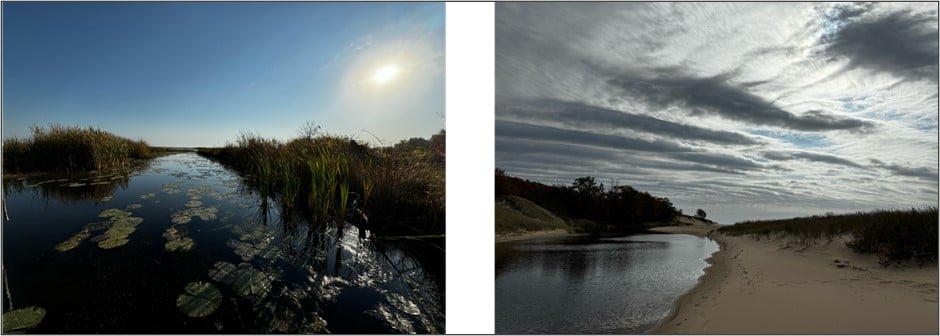
To cap off the trip, I embarked on a mini adventure. Driving back home, I took a scenic route that allowed me to touch three of the Great Lakes in a single day—Huron, Michigan, and Superior. Feeling the cool water from each of these massive lakes was a grounding experience, a reminder of the vast and varied landscapes that define this region.
All in all, the trip was a perfect mix of professional development, scientific inspiration, and personal exploration.
Submitted by Kyle Wehmanen
KIP doctoral students Gregory Miodonski and Oluwatosin Oyeniran attended the 11th Annual Michigan Physiological Society (MPS) Conference hosted by Oakland University, Rochester Hills, Michigan. The event featured participation from eleven institutions including Michigan Technological University and was held from Monday June 24th to Tuesday June 25th, 2024.
One of the highlights of the conference was when Oluwatosin presented his research, titled “Classroom Techniques for Teaching Skeletal Muscle Contraction”. This project supervised by Dr. Steven Elmer explores the alternative teaching (hands-on or active learning) approaches that can be employed to skeletal muscles to students across different levels.
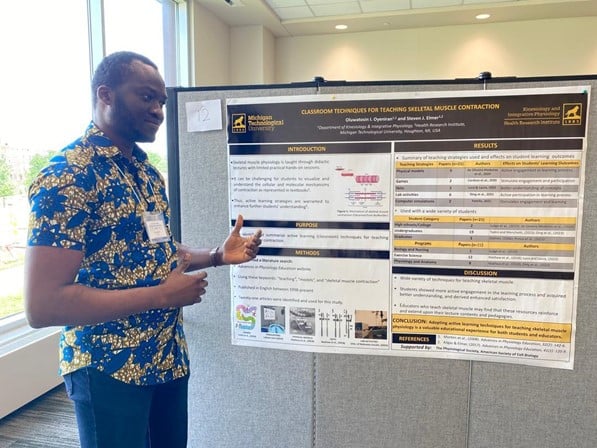
Another important highlight of the conference were the keynote lectures from eminent speakers including Emeritus Professor John Williams from the University of Michigan who took the audience on a journey through his life as a physiologist in his talk titled, “The Pancreas and Me”. The Physiology Trivia Competition was also a fascinating session as it refreshes our understanding of basic physiology. Furthermore, the professional development series was very enriching as it offers new perspectives and approaches to learning, teaching, and career development.
Moreover, doctoral students Gregory Miodonski and Oluwatosin Oyeniran had the privilege to moderate the oral presentation session on Strength, Reproduction, and Integrative Physiology. Speaking on their experience, Gregory stated, “It’s no accident that the MPS is arguably the most active APS chapter–it takes a lot of work to keep physiologists, trainees, and our communities involved throughout the year. Our annual meeting in particular requires everyone to chip in, and it was a pleasure to do my part”.
On the other hand, Oluwatosin stated, “Moderating an oral presentation session and presenting my research findings to a large scientific and academic audience was both fulfilling and fabulous. The feedback I got from the participants was highly beneficial, bringing out novel ideas and roadmaps for future studies.
Furthermore, the MPS conference was a great opportunity to meet and network with graduate students in physiology, mentors and advisors, early career researchers, and possible future research collaborators. We also had a great time interacting with other graduate students, faculty, and keynote speakers, while discussing and learning about ongoing projects and cross-exchanging ideas to help advance our research and careers.
The Daily Mining Gazette published a column written by Steven Elmer supporting the Promoting Physical Activity for Americans Act — a bill introduced to the U.S. Senate in 2023 — and encouraging readers to be physically active this spring.
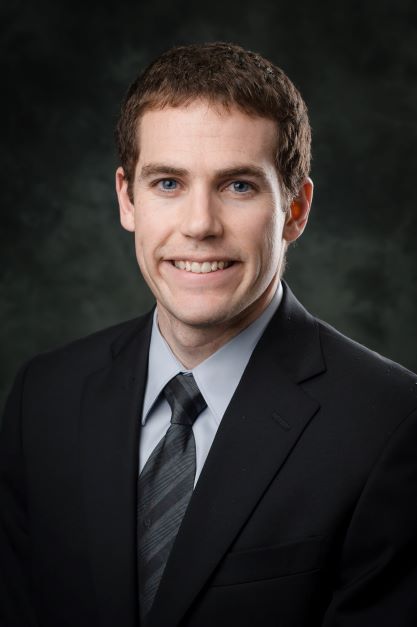
Dr. Elmer is an Associate Professor in the Department of Kinesiology and Integrative Physiology at Michigan Technological University. His research goals are to find better ways to restore musculoskeletal function, maintain health, and improve performance in healthy and clinical populations. Specifically, his research is focused on three key areas: 1) mechanics of skeletal muscle contraction, 2) coordination of locomotor tasks, and 3) exercise interventions to improve physical conditioning and mobility. Applications for his research range from basic aspects of muscle contraction to applied human performance in a variety of settings including injury, rehabilitation, ergonomics, and sport.
Tomorrow needs healthy communities. The Department of Kinesiology and Integrative Physiology (KIP) at Michigan Technological University helps to build them. The KIP Department offers undergraduate degrees in exercise science and sports and fitness management. Graduate degree offerings include a PhD in Integrative Physiology as well as a master’s and accelerated master’s degree in Kinesiology. Housed in the new H-STEM Complex, KIP leads several important health and wellness collaborative research projects across eight different labs. Supercharge your human health skills to meet the demands of an increasingly active and aging society at a flagship public research university powered by science, technology, engineering, and math.
Questions? Contact us at kip@mtu.edu. Follow all the latest happenings on Instagram, Twitter, LinkedIn, Facebook, and the KIP Blog.
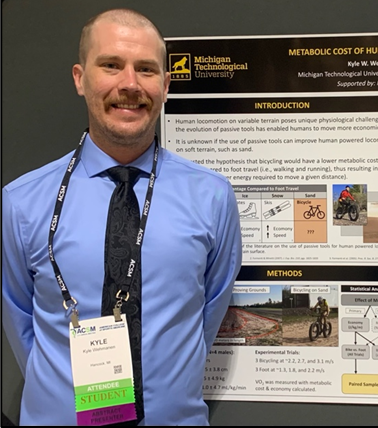
Recently, doctoral student Kyle Wehmanen and Dr. Steven Elmer attended the American College of Sports Medicine (ACSM) annual conference in Boston. This year’s conference was particularly special as it marked the 70th birthday of the ACSM, a milestone celebrating seven decades of pioneering research and advancements in sports medicine and exercise science.
One of the highlights of the trip was when Kyle presented his research, titled “Metabolic Cost of Human Locomotion on Soft Terrain.” This project explores the energy expenditure associated with walking and bicycling on soft surfaces, such as sand. Speaking on the experience, Kyle stated, “Presenting my findings to such a knowledgeable and inquisitive audience was both energizing and exhilarating. The feedback I received was invaluable, sparking new ideas and directions for future research.”
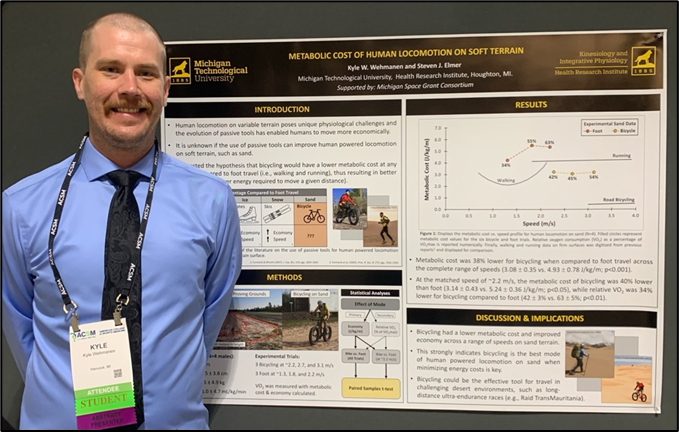
The conference was also a fantastic opportunity to network with future collaborators and mentors and to reconnect with former colleagues. It was wonderful to exchange ideas and discuss ongoing projects with individuals who share a passion for advancing our understanding of sports medicine.
Another significant highlight of the week was the keynote opening lecture delivered by Dr. Barry Franklin, titled “Physical Activity and Cardiorespiratory Fitness as Modulators of Health Outcomes: A Compelling Case Presented to the Medical Community.” Dr. Franklin’s presentation was both enlightening and inspiring, underscoring the profound impact of physical activity on health and longevity. His compelling arguments and extensive research resonated with the audience, reinforcing the importance of our work in this field. A link to Dr. Franklin’s review article published in the Mayo Clinic Proceedings, which includes Dr. Elmer as a co-author, can be found here.
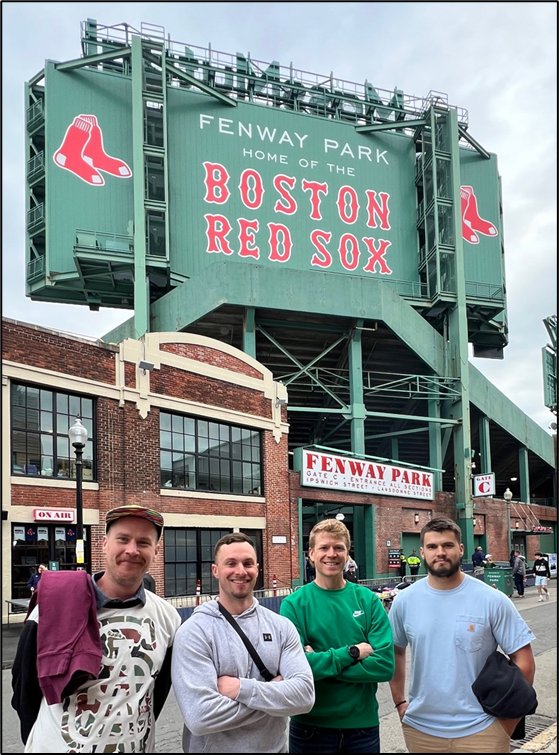
Outside of the conference, Kyle also took the opportunity to experience some of Boston’s local culture. One of the more memorable moments was attending a Red Sox game at historic Fenway Park. The energy in the stadium was infectious, and it was a fantastic way to unwind and enjoy a classic American pastime.
In summary, attending the ACSM annual conference was a chance for KIP members to share research and learn from the best in the field. The keynote speeches and panel discussions covered a wide range of topics, from the latest advancements in exercise physiology to innovative approaches in injury prevention. Each session gave new insights and a deeper appreciation for the complexity and scope of sports medicine. Overall, the trip to Boston was an enriching experience and it reinforced importance in contributing to the field and provided new tools and connections to do so.
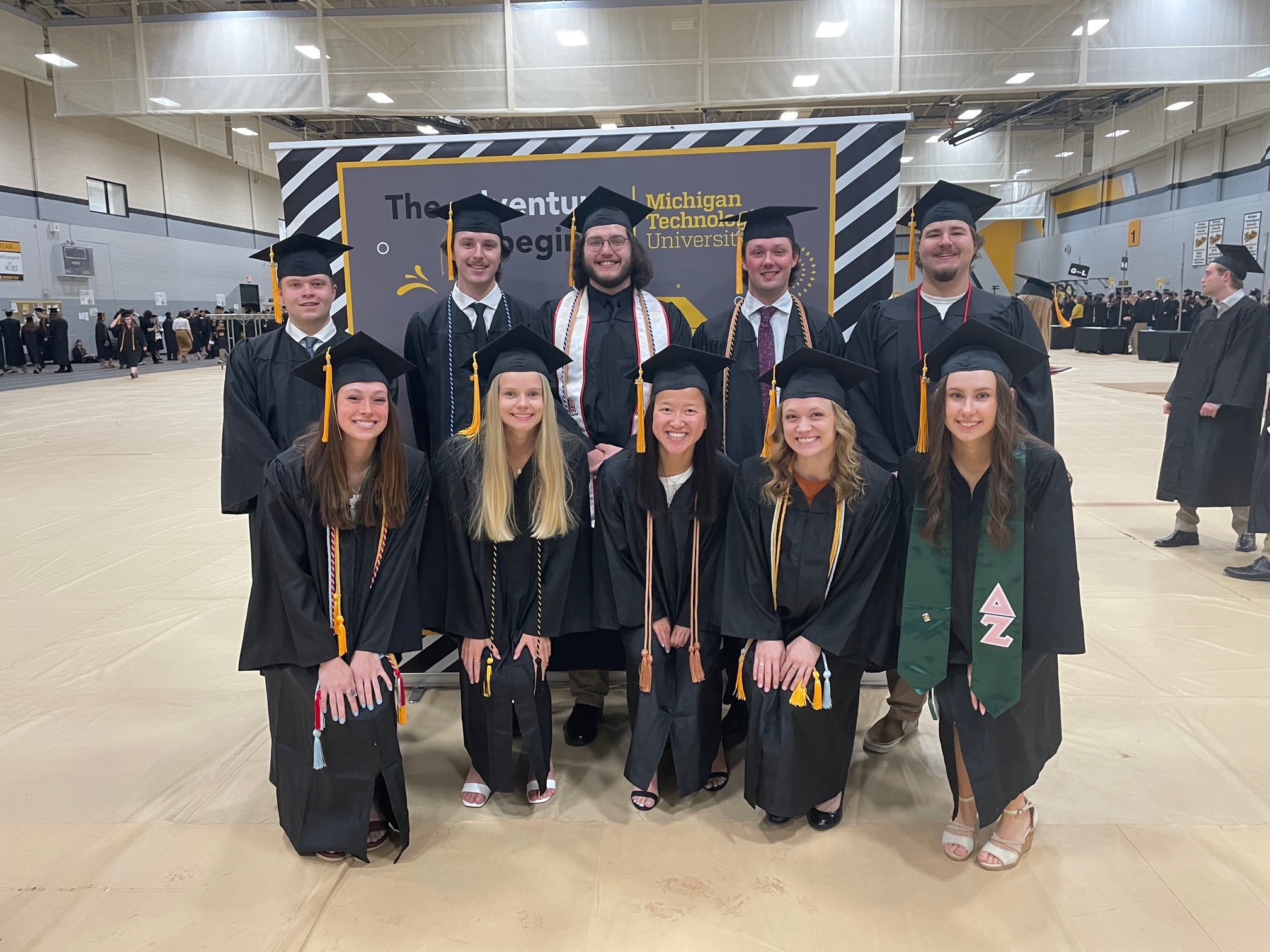
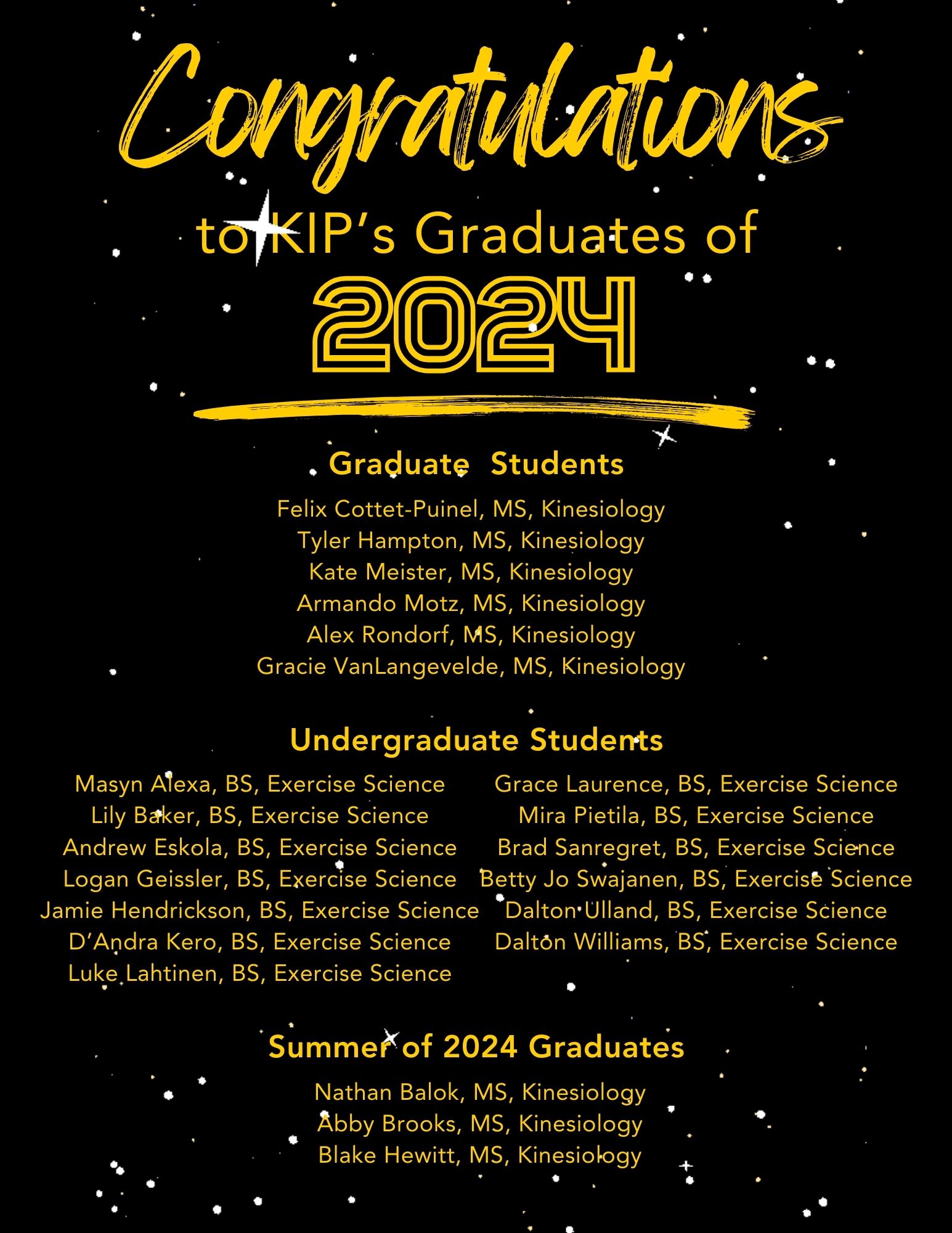
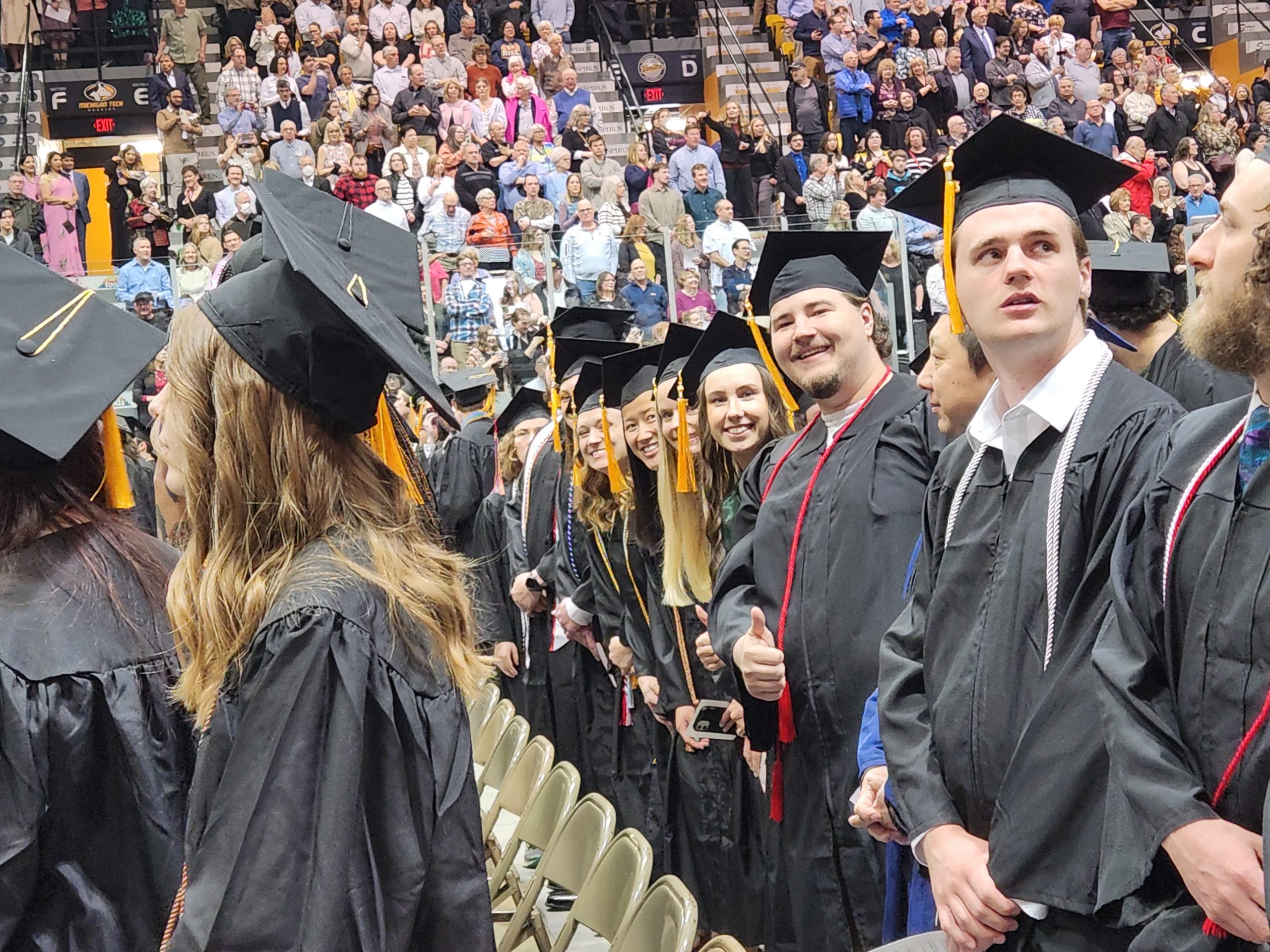
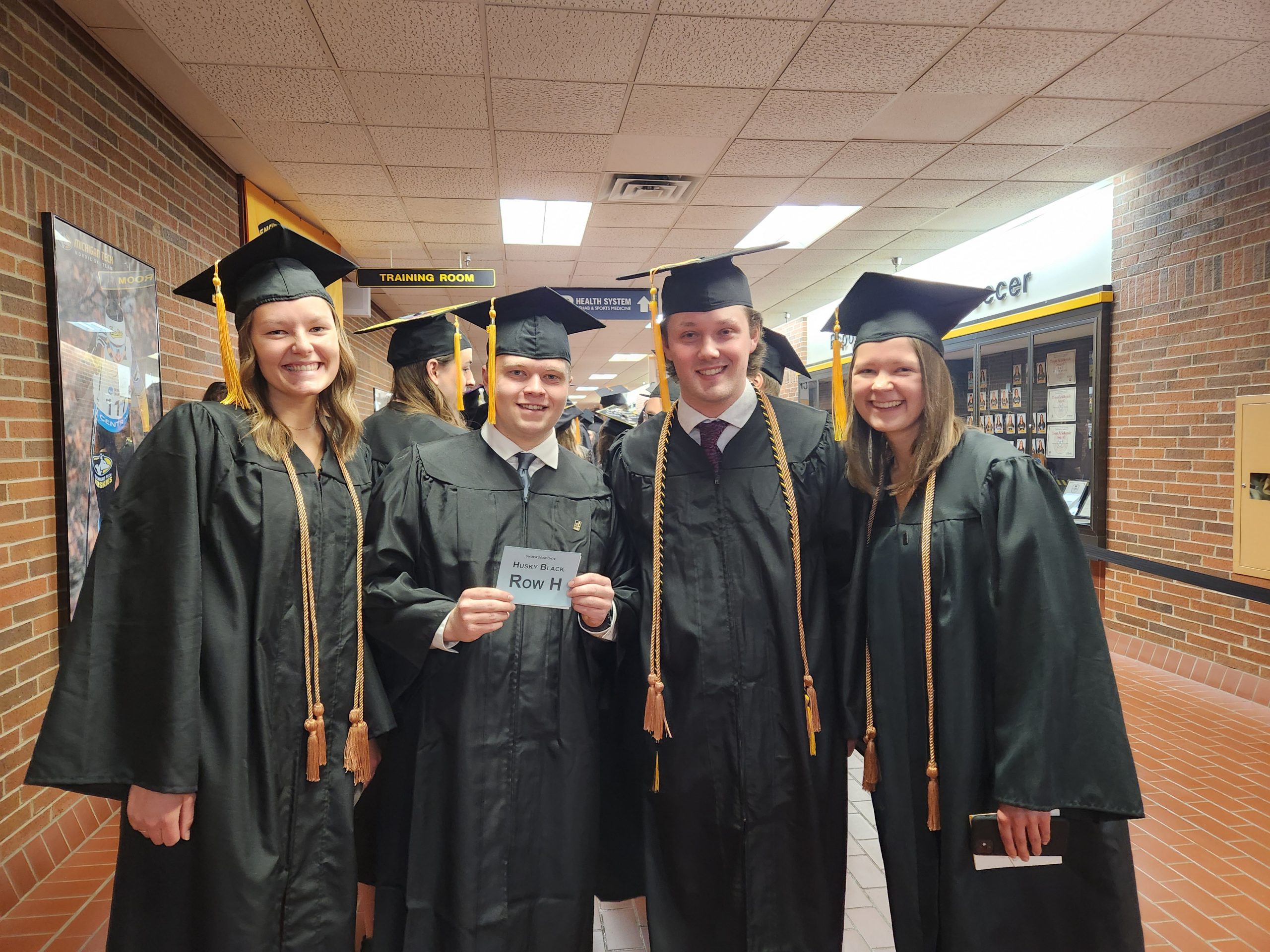
We wish you continued success in all your future endeavors!
Michigan Tech researchers Tan Chen (Electrical and Computer Engineering) and Steven Elmer (Kinesiology and Integrative Physiology) received a research and development grant from the National Aeronautics and Space Administration (NASA). The project is titled “Investigating Lunar Bipedal Locomotion Mechanics and Predicting Human Musculoskeletal Health on the Moon.” Dr. Tan is serving as the PI and Dr. Elmer is the co-PI on this potential two-year award.
Full details can be found in Tech Today.
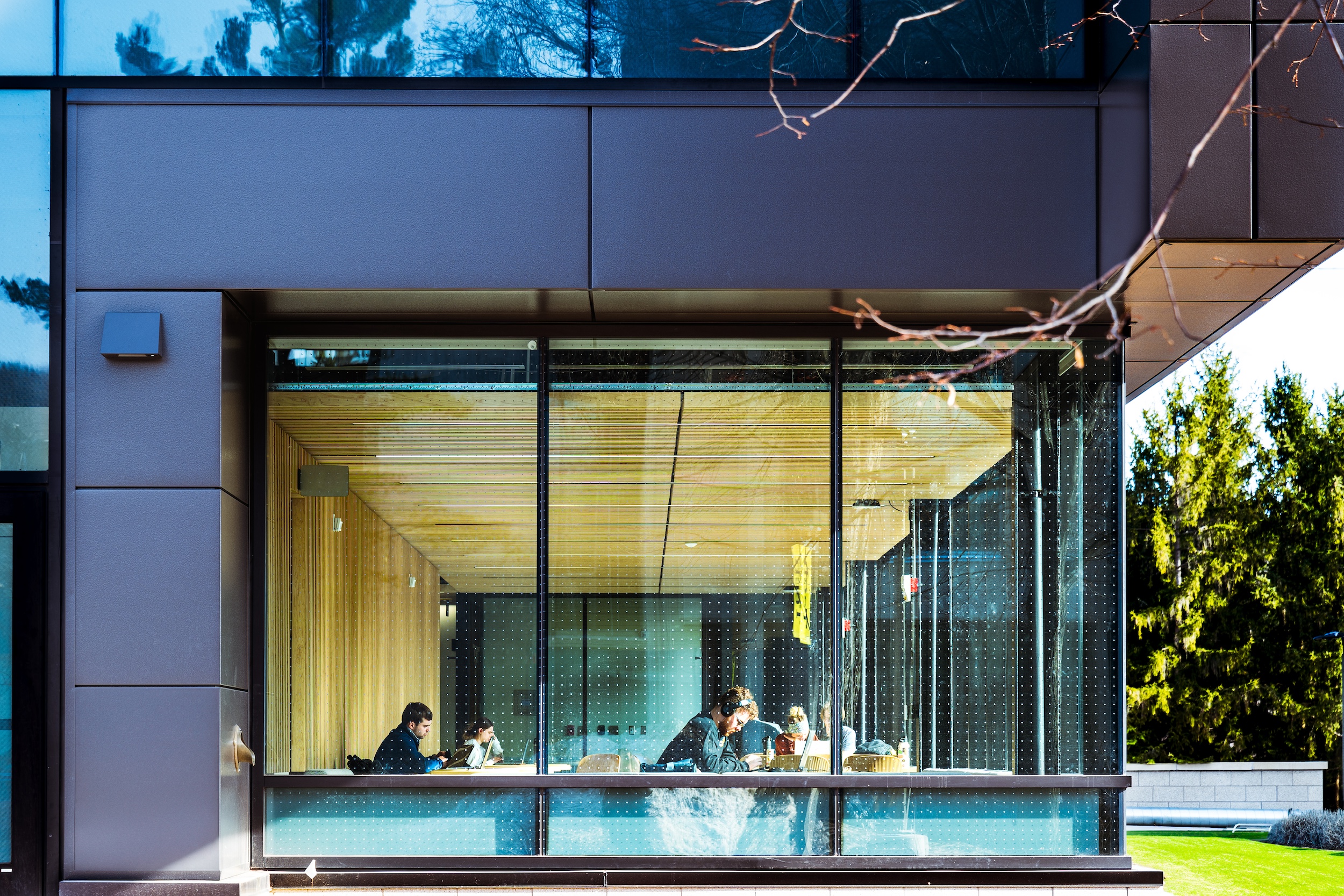
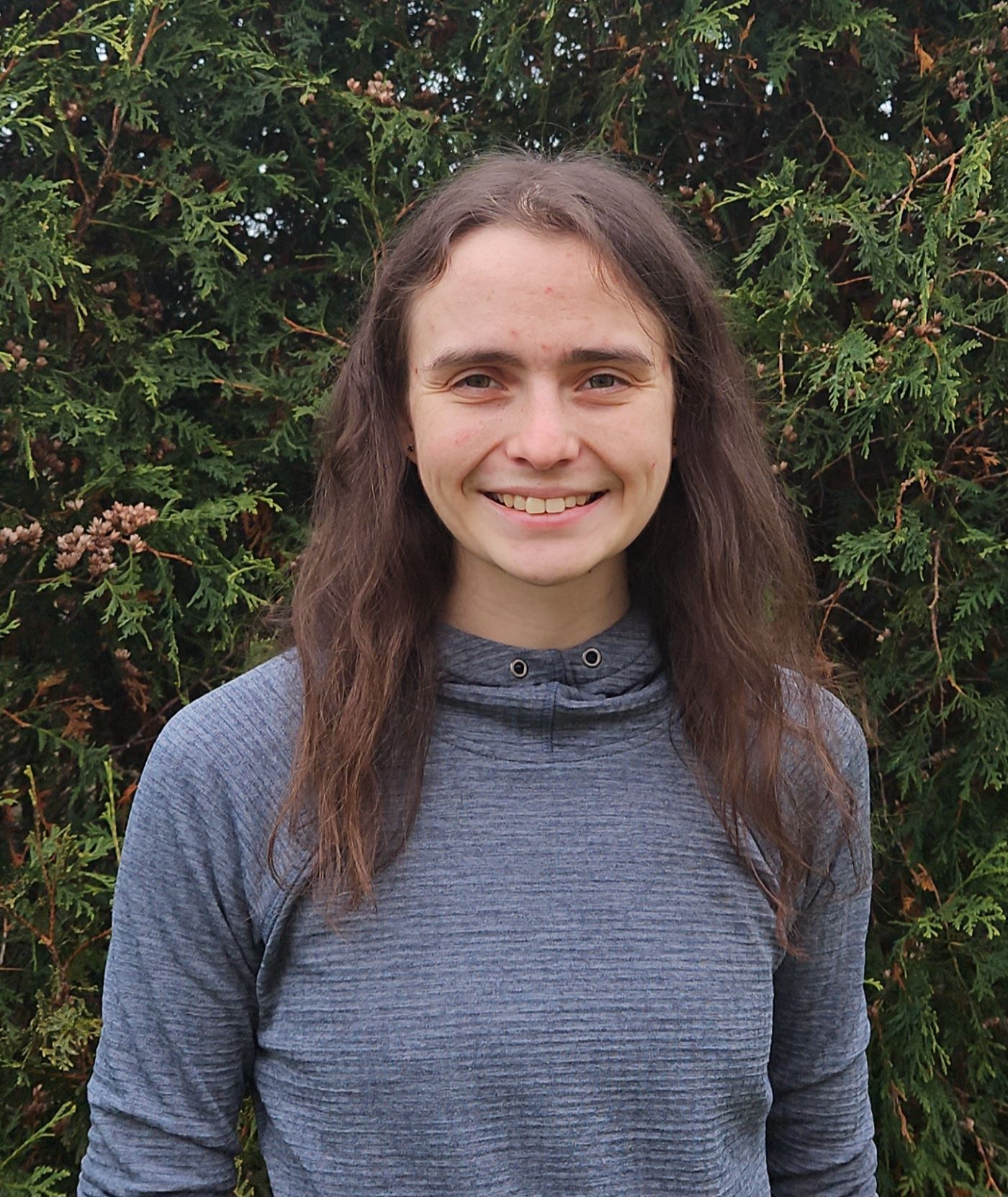
To mark the Spring 2024 opening of the Michigan Tech H-STEM Complex, we asked graduate students for their impressions of the new facility, which brings multiple disciplines under one roof for increased innovation. As you’d expect from these emerging researchers, “collaboration” was the most-used word, along with “state-of-the-art,” “technology,” and “modern.” Here’s what Integrative Physiology majors Oluwatosin I. Oyeniran and Kyle Wehmanen, and Kinesiology major Lily Hart had to say about what the new facility, dedicated at the end of spring semester 2024, means to them.
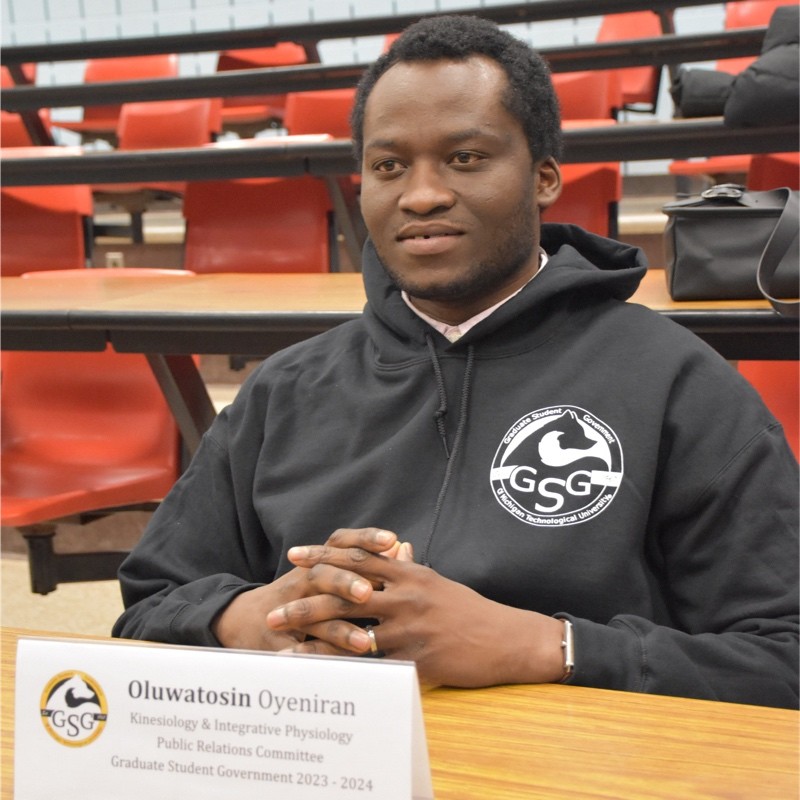
OO: The H-STEM complex is a world-class and state-of-the-art educational facility that will provide solutions to societal challenges by consolidating quality teaching and research in engineering and health-related sciences.
KW: The new H-STEM complex is a great addition to the Michigan Tech campus. The design brings a modern feel to the heart of Tech and should help promote Tech’s commitment to education and research.
LH: My first impression of the H-STEM Complex was how spacious the research and teaching labs are.
OO: The H-STEM complex’s unique features such as its discipline-specific shared, flexible, collaborative lab and research spaces will enhance my learning and greatly support my quest to conduct quality and solution-oriented research and sharpen my scientific and technological skills.
KW: The new and expanded space makes research easier and more efficient. More importantly, the new building should foster increased collaboration both within and between multiple departments with optimized lab spaces.
LH: I believe that the new space will allow for collaborations with my peers. Having a communal grad office space has made it easy to not only get to know my peers better, but to get their input and ideas for coursework and research projects.
OO: For me, the major improvement is that, unlike our former location, the H-STEM complex is engineered to allow anyone inside and outside the workspaces to watch and visually experience diverse teams working jointly in shared, flexible, and collective teaching and research spaces. I look forward to maximizing all the opportunities and possibilities that the H-STEM complex will offer toward leading and advancing healthcare breakthroughs, technologies, and solutions for Michigan, the region, and the nation at large.
KW: The new state-of-the-art research spaces and overall inviting atmosphere of the building should promote excitement and energy in the coming years.
LH: The main improvement that I see as a result of the move is the KIP department becoming more integrated into Tech’s community. Moving to the main campus has given us a better presence
Tomorrow needs healthy communities. The Department of Kinesiology and Integrative Physiology (KIP) at Michigan Technological University helps to build them. The KIP Department offers undergraduate degrees in exercise science and sports and fitness management. Graduate degree offerings include a PhD in Integrative Physiology as well as a master’s and accelerated master’s degree in Kinesiology.
Housed in the new H-STEM Complex, KIP leads several important health and wellness collaborative research projects across eight different labs. Supercharge your human health skills to meet the demands of an increasingly active and aging society at a flagship public research university powered by science, technology, engineering, and math.
Questions? Contact us at kip@mtu.edu. Follow all the latest happenings on Instagram, Twitter, LinkedIn, Facebook, and the KIP Blog.
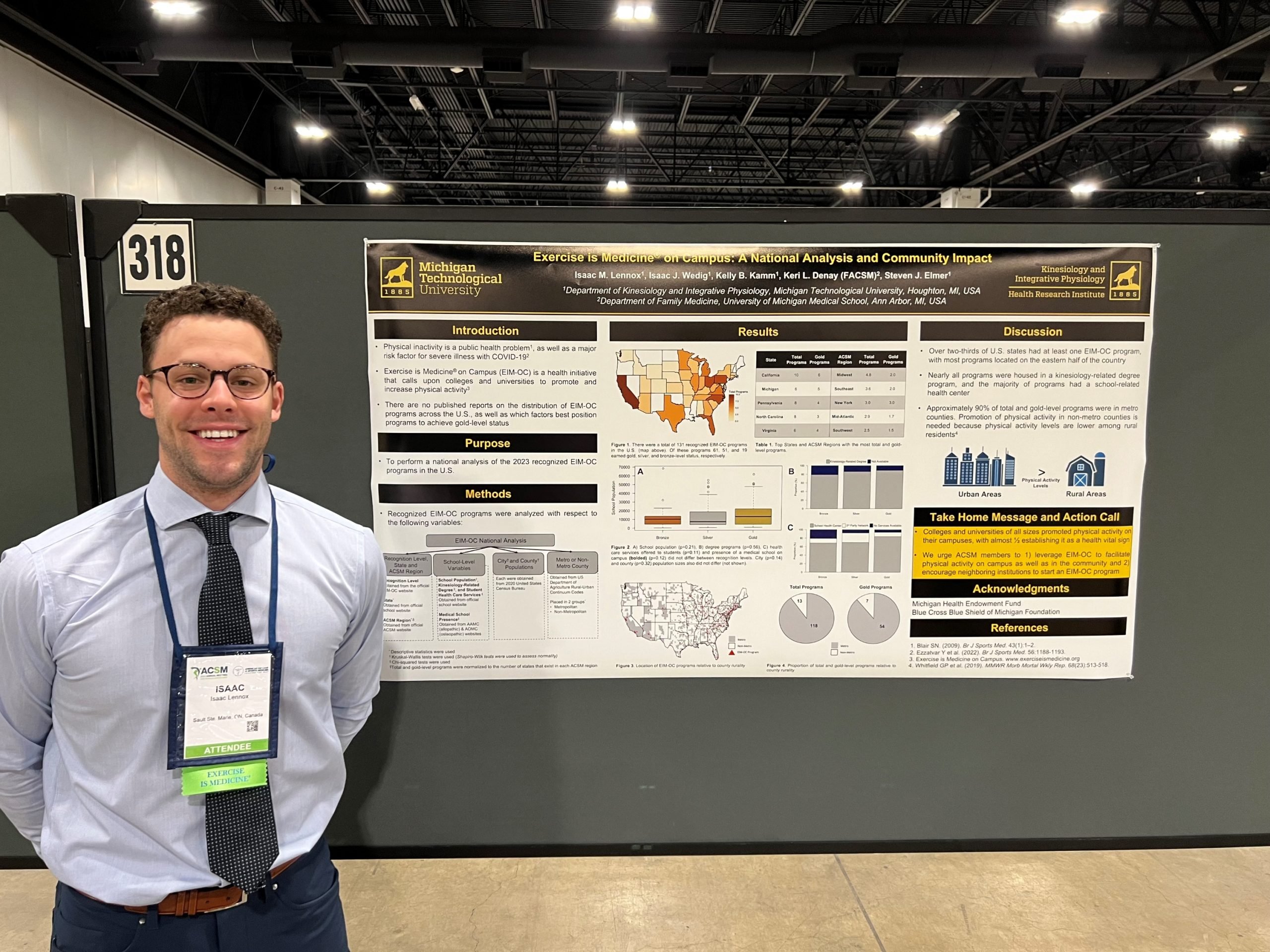
Isaac Lennox, a recent MS in Kinesiology graduate, received Honorable Mention for the MAGS/ProQuest Distinguished Masters Thesis Award of 2024. Isaac’s thesis, “Exercise Is Medicine® on Campus: A National Analysis and Assessment of Community Impact,” was an examination of how the EIM-OC initiative impacts the health and vitality of university campuses and their surrounding communities. He was advised by Dr. Steve Elmer in KIP.
To read Isaac’s thoughts about his time spent at Michigan Tech and his research, go to the Graduate School’s Newsblog.