College of Forest Resources and Environmental Science Welcomes New Professor

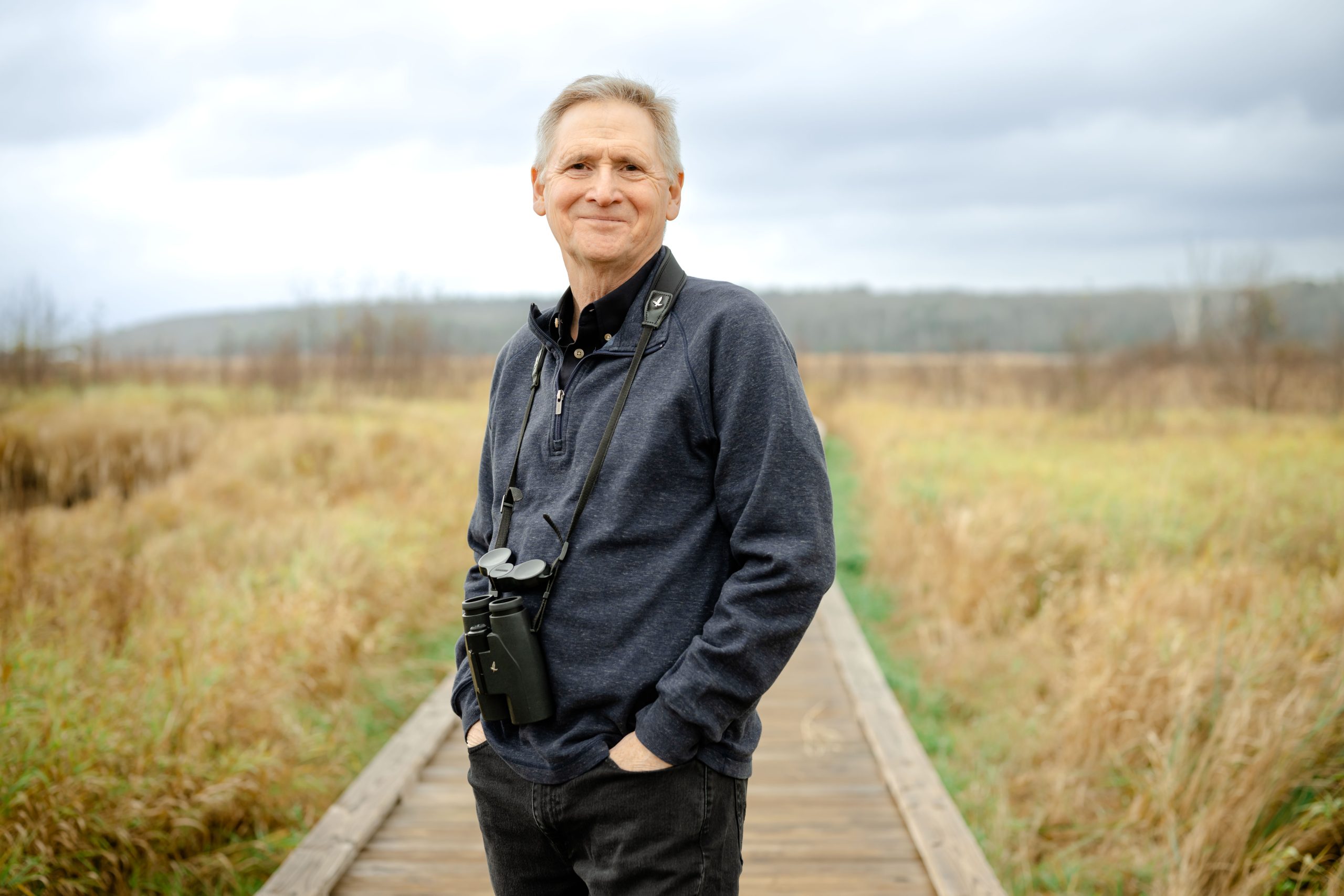
John McCarty stands on the boardwalk at the Nara Trails, a popular birdwatching spot near Michigan Tech’s Campus.
John McCarty joins CFRES as a professor of practice.

The College of Forest Resources and Environmental Science (CFRES) welcomes John McCarty to our faculty as a professor of practice. McCarty, who holds a PhD in Ecology and Evolutionary Biology from Cornell University, describes himself as “broadly interested in ecology and environmental science and how science can contribute to multidisciplinary solutions to environmental problems.” His focus here at Tech will be on training and mentoring the next generation of ecologists and natural resource professionals.

“My goal is to help students reach their academic and professional goals—to help ensure they develop the skills needed to work effectively as members of multidisciplinary teams seeking solutions to complex environmental challenges,” McCarty said.

McCarty’s lab and field work is concentrated on bird conservation. His recent projects include investigating the role of natural areas in maintaining diverse and abundant bird communities, how changes in farming practices impact bird and butterfly communities, birds and butterflies in urban environments, and use of agricultural fields as stopover sites for migratory shorebirds.

McCarty worked with the US Fish and Wildlife Service early in his career, finding solutions to widespread PCB contamination in New York’s Hudson River. He also worked at the interface between science and policy as an American Association for the Advancement of Science (AAAS) Science Policy Fellow in Washington, D.C. In that capacity he focused on global climate change and topics related to natural resource management. He more recently served as a member of a US Environmental Protection Agency Scientific Advisory Panel, providing science-based expertise on policy matters related to endocrine disruptors and other environmental hazards. McCarty also led efforts by the Nebraska state chapter of The Nature Conservancy to develop and implement a statewide policy addressing global climate change.

“Michigan Tech and our college in particular is very fortunate to have Dr. McCarty join our team,” said CFRES Dean David Flaspohler. “John brings extensive experience to his role in the college, including instruction for our introductory first-year class, The Natural Resource Professional (FW1050), which is also part of Michigan Tech’s Essential Education program. The students really enjoy his thoughtful and welcoming approach to teaching this important class.”
Michigan Tech Hosts Four Days of SEED Programming in Detroit, Empowering Local Youth Through Environmental Education

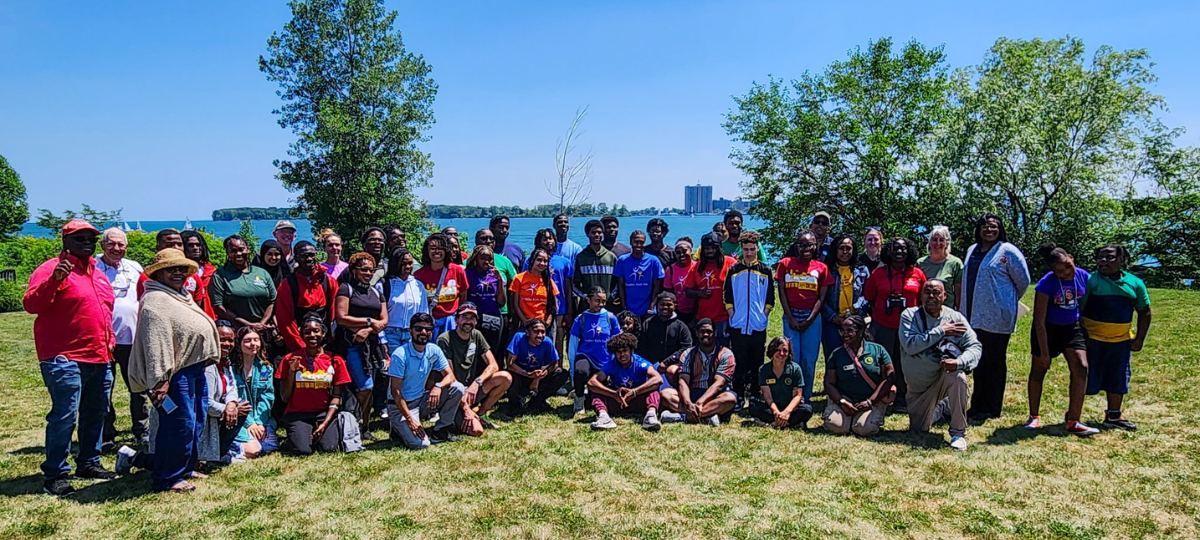
More than 50 students and instructors who participated in the SEED program pose together for a photo at a park in Detroit on a bright, sunny day.
SEED, an immersive, place-based STEM summer learning experience led by Michigan Tech, involved more than 100 students in hands-on experience with environmental science and its real-world applications. (Photos courtesy of SEED)

In this guest blog by College of Forest Resources and Environmental Science Dean David Flaspohler and Michigan Technological University Vice President for Community Engagement Wayne Gersie, learn more about a program designed to bring Science, Technology, Engineering, and Math (STEM) education to students in an environmental framework that they might not otherwise experience.

Michigan Technological University recently wrapped up an immersive summer learning experience that began with a gathering in the Upper Peninsula and extended to outreach in Detroit.

Ford Center Sawmill Re-clad through Husky Innovation and Industry Partnership

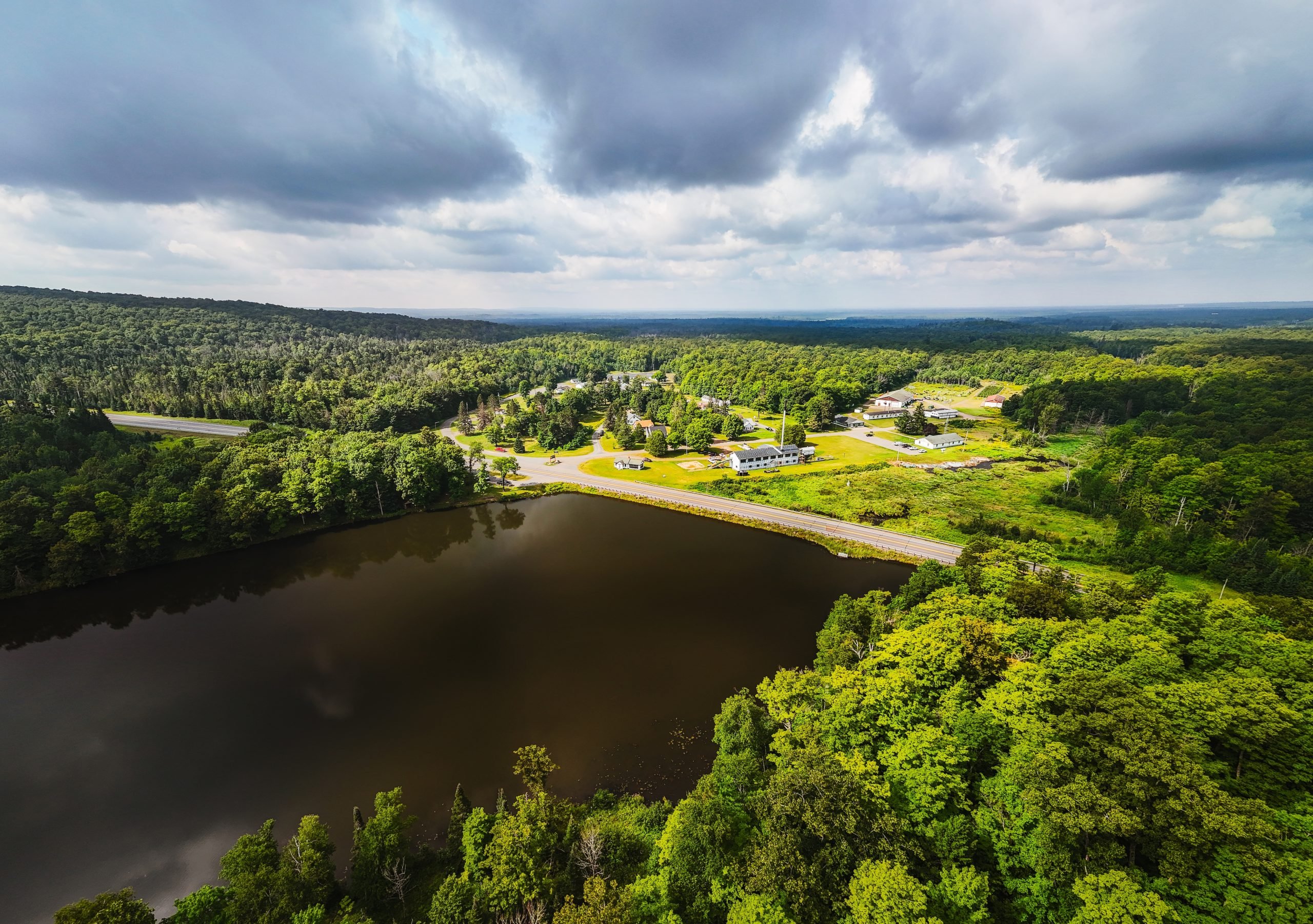
An aerial view of the Ford Center Sawmill and surrounding forest.
The Ford Center Sawmill is getting a fresh new look this summer with exterior siding from LP Building Solutions.

The historic Ford Center Sawmill at Michigan Tech’s Ford Forest and Center is getting a facelift. One of three original Ford-operated sawmills in Baraga County, Michigan, the circa 1936 sawmill is receiving all-new exterior siding from Louisiana Pacific Building Solutions (LP). 

College of Forest Resources and Environmental Science Dean David Flaspohler said the siding project, now underway and expected to be completed by the end of summer, is made possible through the generous support of LP, a local donor, and has a direct connection to Michigan Tech research.

Capstones and Community Converge as Huskies Conduct Research in a Local Forest

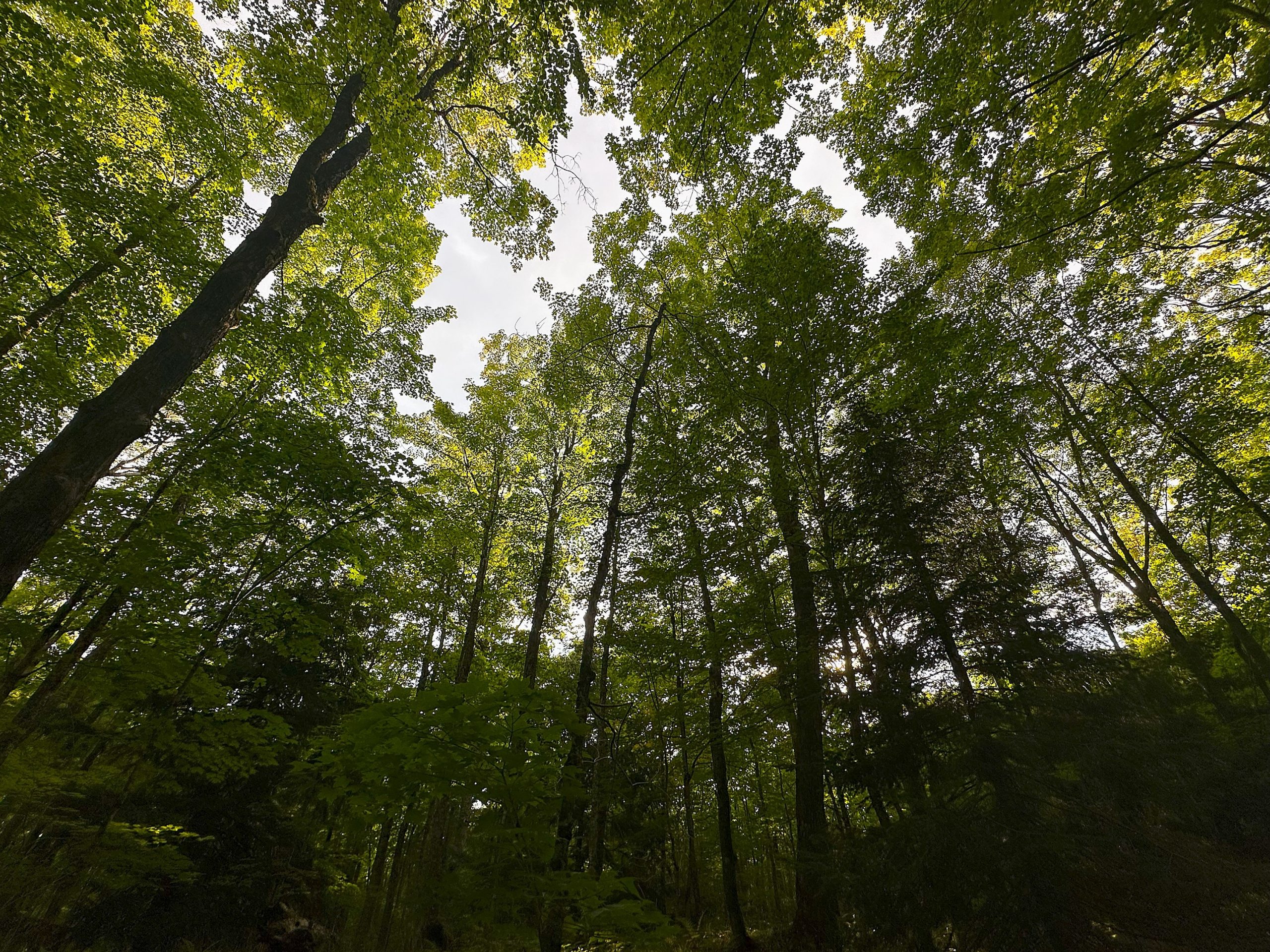
Looking up into a green forest canopy.
Close to campus and the City of Houghton, the Pilgrim River Community Forest offers a welcome habitat for both non-human residents and visitors seeking recreation and relaxation. Huskies are studying this treasured resource to determine management techniques that will help keep the forest as healthy as possible. (All photos courtesy Allyson McQuiston)

Huskies in the College of Forest Resources and Environmental Sciences care deeply about community and stewardship of natural resources. Allyson McQuiston, Aidan Sheppard, and Spencer Aud are no exception. Sheppard and Aud, both forestry majors, graduated in December 2024. McQuiston, an applied ecology and environmental science major, graduates this month. In this CFRES news blog, they describe their roles in a project designed to maintain and sustain the health of a treasured community resource.

Michigan Tech Faculty Build Connections with the Next Generation of Researchers in Suriname

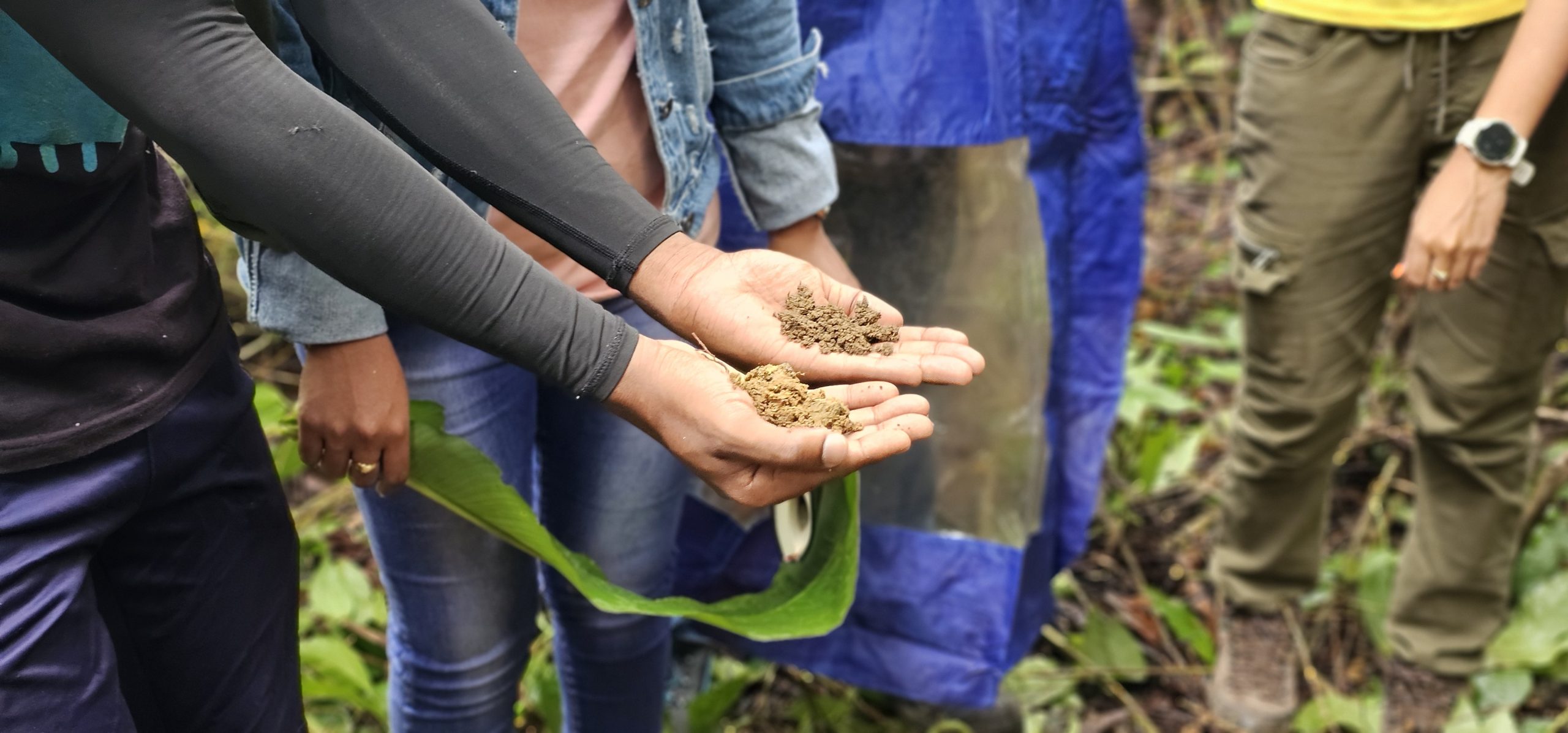
A close-up shot framing a person’s hands holding up two soil samples for comparison during a field excursion workshop in Suriname.
Michigan Tech faculty presented workshops on tropical forest management, conservation practices, and ethical research practices to students in Suriname this February—the second phase of a U.S. Embassy-funded grant project in the region. (All photos courtesy of the “Enhancing Academic Linkages and Research Capacity in Suriname” project)

This February, Michigan Tech faculty traveled to Suriname to build connections and help train the next generation of scientists and researchers. Their trip was phase two of the U.S. Embassy-funded grant project focused on fostering sustainable development and promoting ethical research practices in the country. Suriname is also the home country for Wayne Gersie, Michigan Tech’s vice president for community engagement and professor of practice in the Department of Psychology and Human Factors in the College of Sciences and Arts. 

Winging it: Summer Job Leads to Senior Thesis

When she’s not doing research, Maggie Guinther enjoys exploring the Keweenaw Peninsula. Here she is on Mount Houghton. (Image credit: Connor Davis, all photos courtesy Maggie Guinther)

Wildlife ecology and conservation major and bird bander Maggie Guinther can vividly describe what it feels like to hold a bird. Warblers are very soft. Robins are known for pooping all over everything. Her first bird banded was a dark-eyed Junco. But it’s not just about species characteristics. Birds, like people, are highly individual. They might feel some type of way about being handled or be super chill. No matter how they’re reacting, Guinther approaches her task at hand with joy, compassion, and a sense of purpose. In Guinther’s own words, she shares how she began her work last summer and where it led the graduating senior.

CFRES Welcomes Returning Husky as New Outreach Coordinator

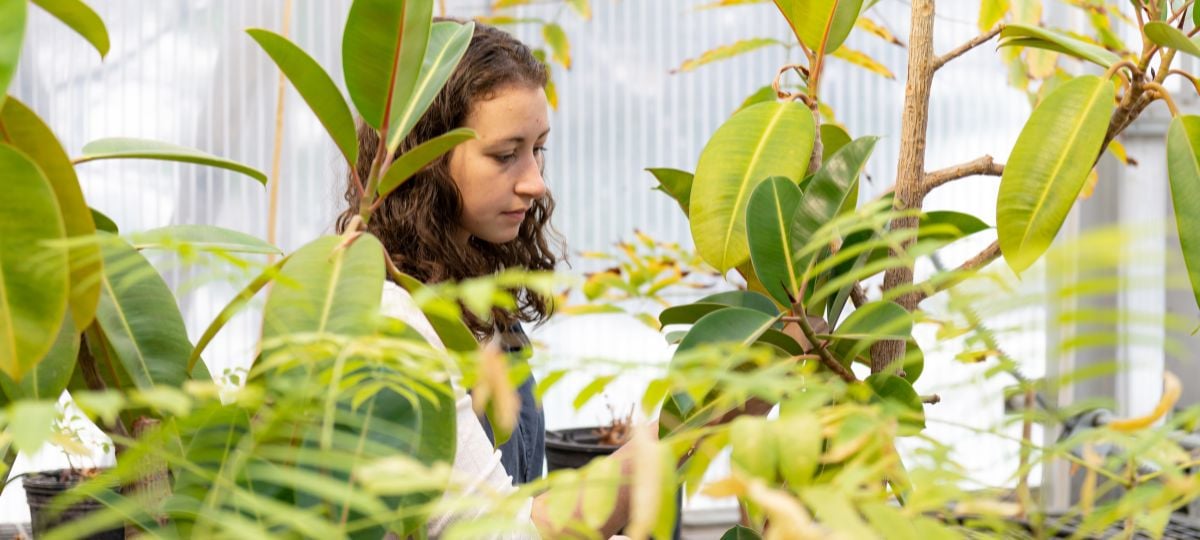
Sierra Williams in the greenhouse.
CFRES alumna Sierra Williams, shown here in the College greenhouse, returns to her alma mater as outreach coordinator, working with current and future Huskies.

The College of Forest Resources and Environmental Science (CFRES) welcomes alumna Sierra Williams as outreach coordinator. She steps into her new position at Michigan Tech eager to pass on her love for the natural world, dedication to education, and Husky spirit to current and prospective students.

CFRES Faculty Tara Bal Elected Society of American Foresters Vice President

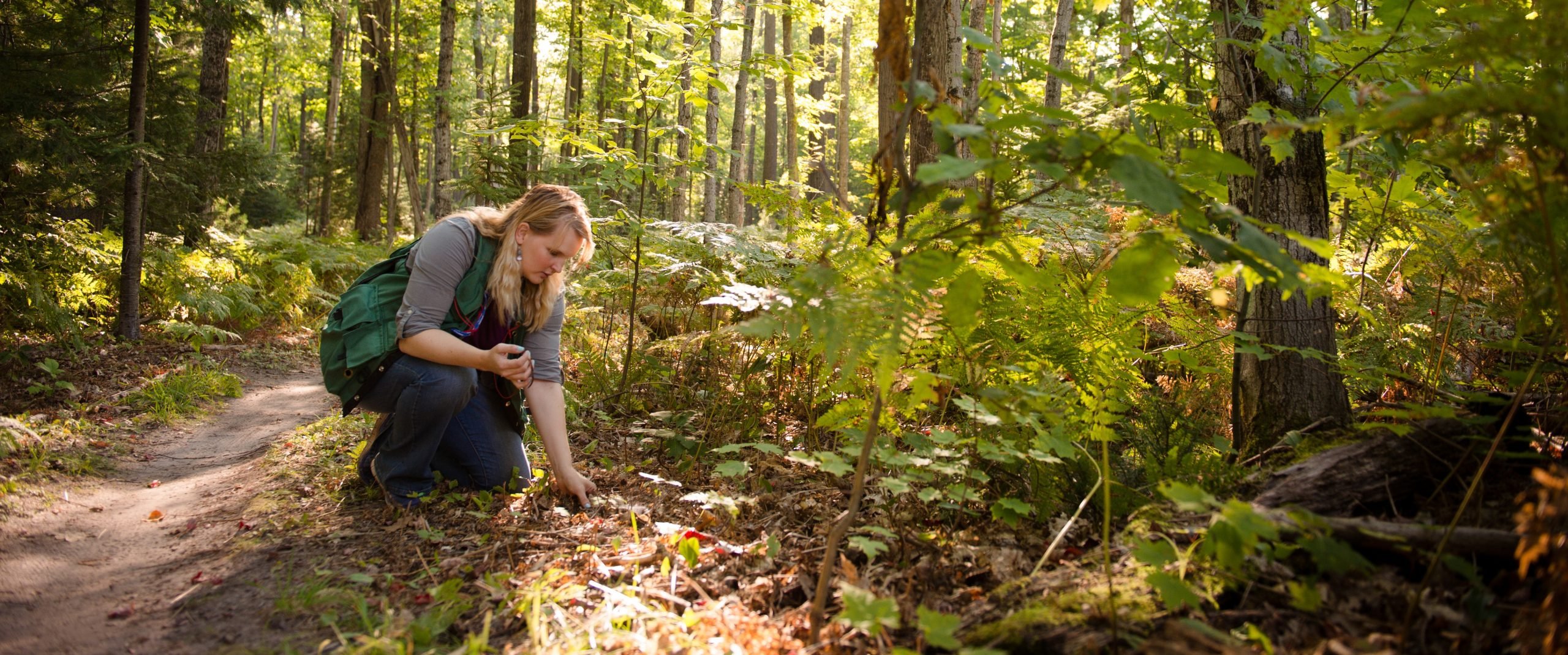
Tara Bal kneels and inspects the forest floor outdoors on a sunny day.
Tara Bal inspects the forest floor as part of her research on the impact of non-native earthworms on northern hardwood forests. Bal was recently elected Society of American Foresters vice president.

Tara Bal, assistant professor of forest health in the College of Forest Resources and Environmental Science, was elected vice president of the Society of American Foresters (SAF). The organization represents foresters and natural resources professionals, helping them promote thriving forests by bringing the best science, the best practices, and the best people together. Bal said the organization represents a community that ultimately supports sustainable forests and sustainable forest management, and one she has been a part of since she was a student.

MTU College of Forest Resources and Environmental Science Welcomes New Faculty

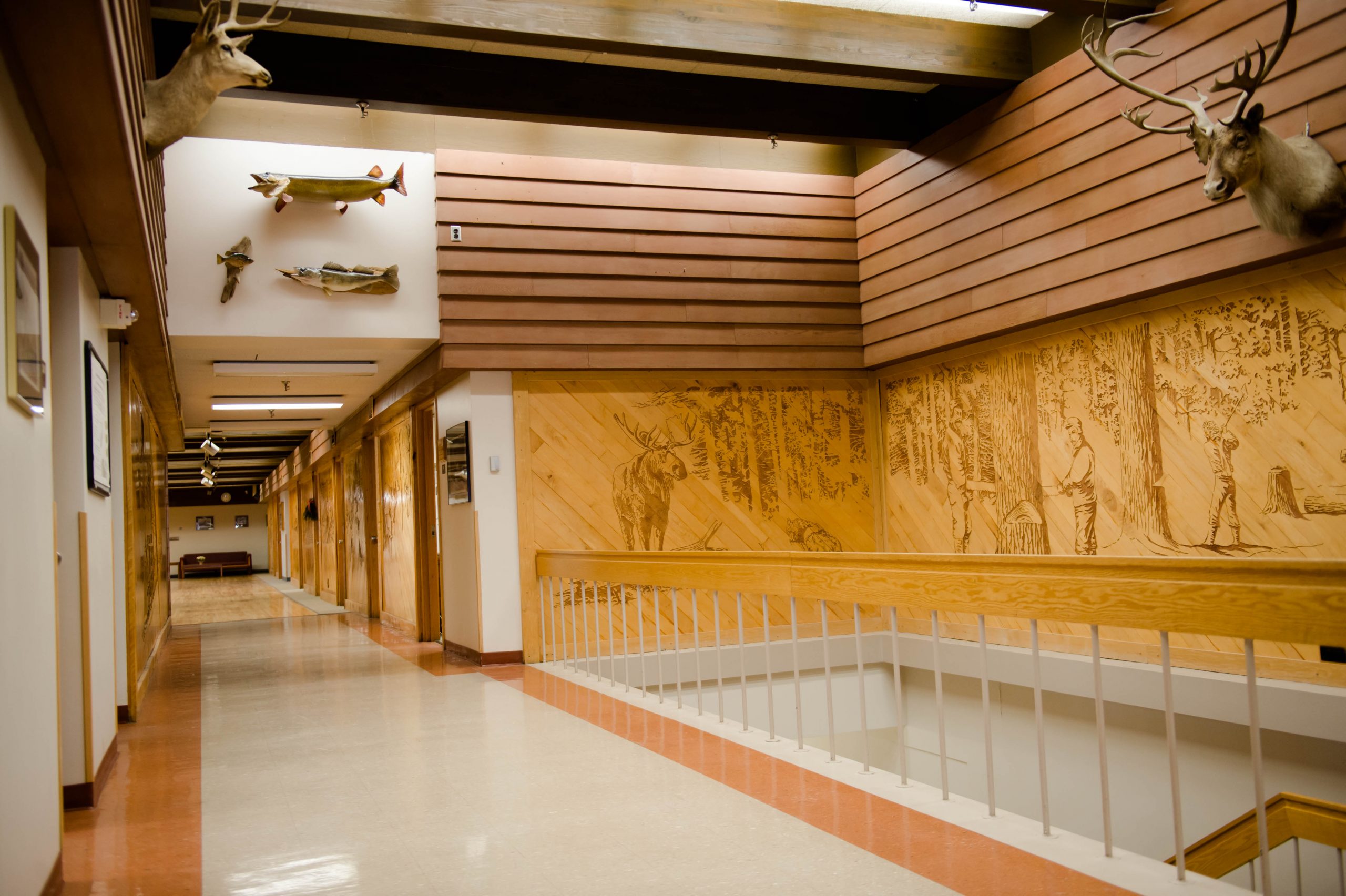
Hallway in the UJ Noblet Building with carvings in the wood walls and animal specimens.
The College of Forest Resources and Environmental Science is continually growing. This academic year brings new faculty experts in ecology, hydrology, natural resource management, and digital image processing. The college also celebrates new leadership and faculty appointments.

The College of Forest Resources and Environmental Science welcomed two new faculty members and celebrated our faculty moving into new positions in the college this year.

From Houghton to Ecuador: Scholarship Winner Shares Internship Experience

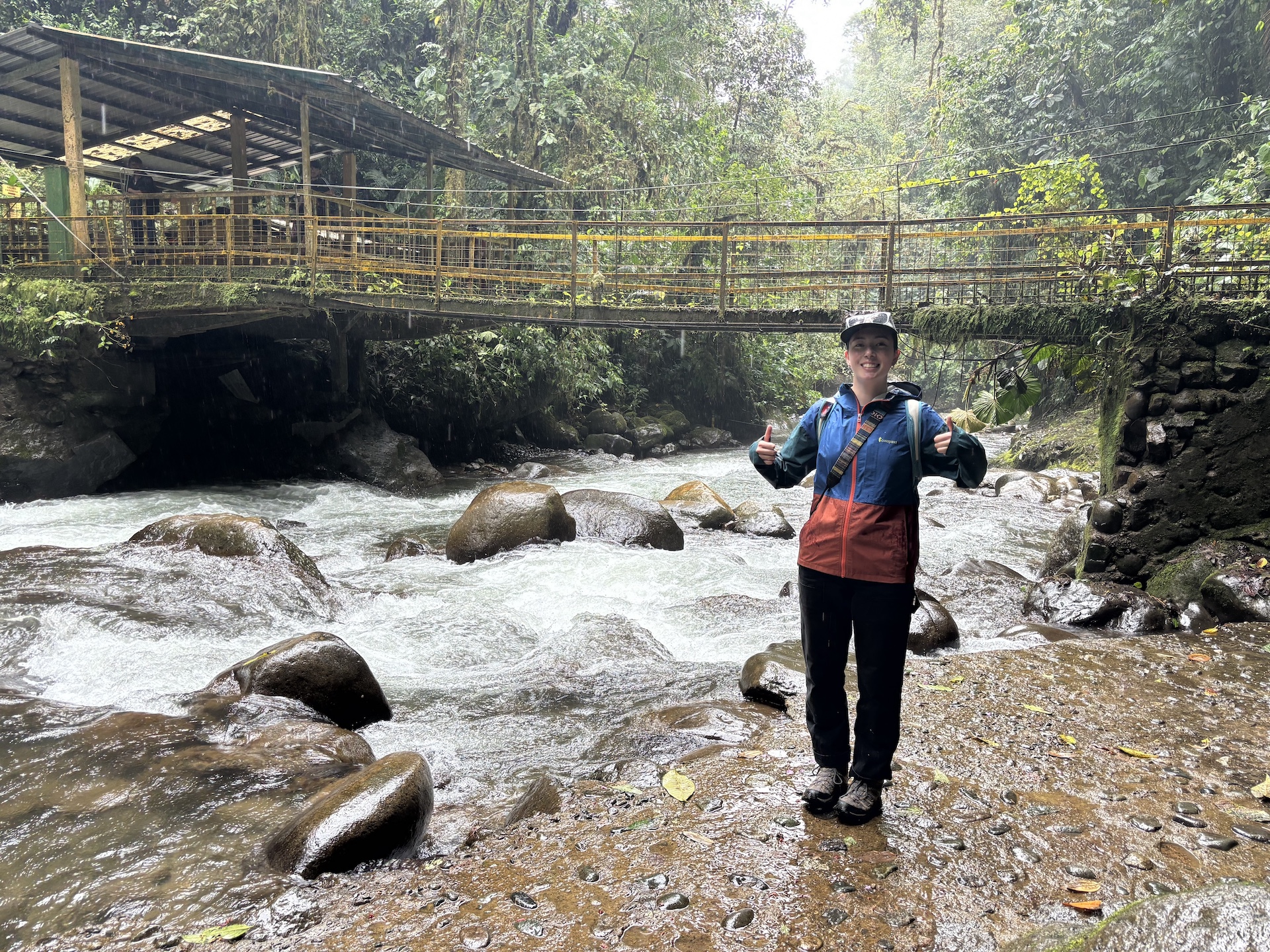
Person standing next to waterfall giving a thumbs up gesture.
Quinn Waterfall Scholarship winner Quinn Riordan explored Ecuador this summer—and did research and outreach with a non-governmental agency that works alongside community farmers. (All images courtesy Quinn Riordan)

Quinn Riordan knew she’d have to land scholarships in order to pay for school. The applied ecology and environmental science major went for the Obama-Chesky Voyager Scholarship for Public Service from the Obama Foundation—and won!

In addition to receiving up to $25,000 per year in last-dollar financial aid for her junior and senior years, covering Riordan’s remaining tuition after other federal, state or institutional aid is applied, the scholarship also included a $10,000 stipend and free Airbnb housing to fund a six-week Summer Voyage between her junior and senior year. For her Voyage, Riordan chose to focus on sustainable agriculture and access to agricultural knowledge.