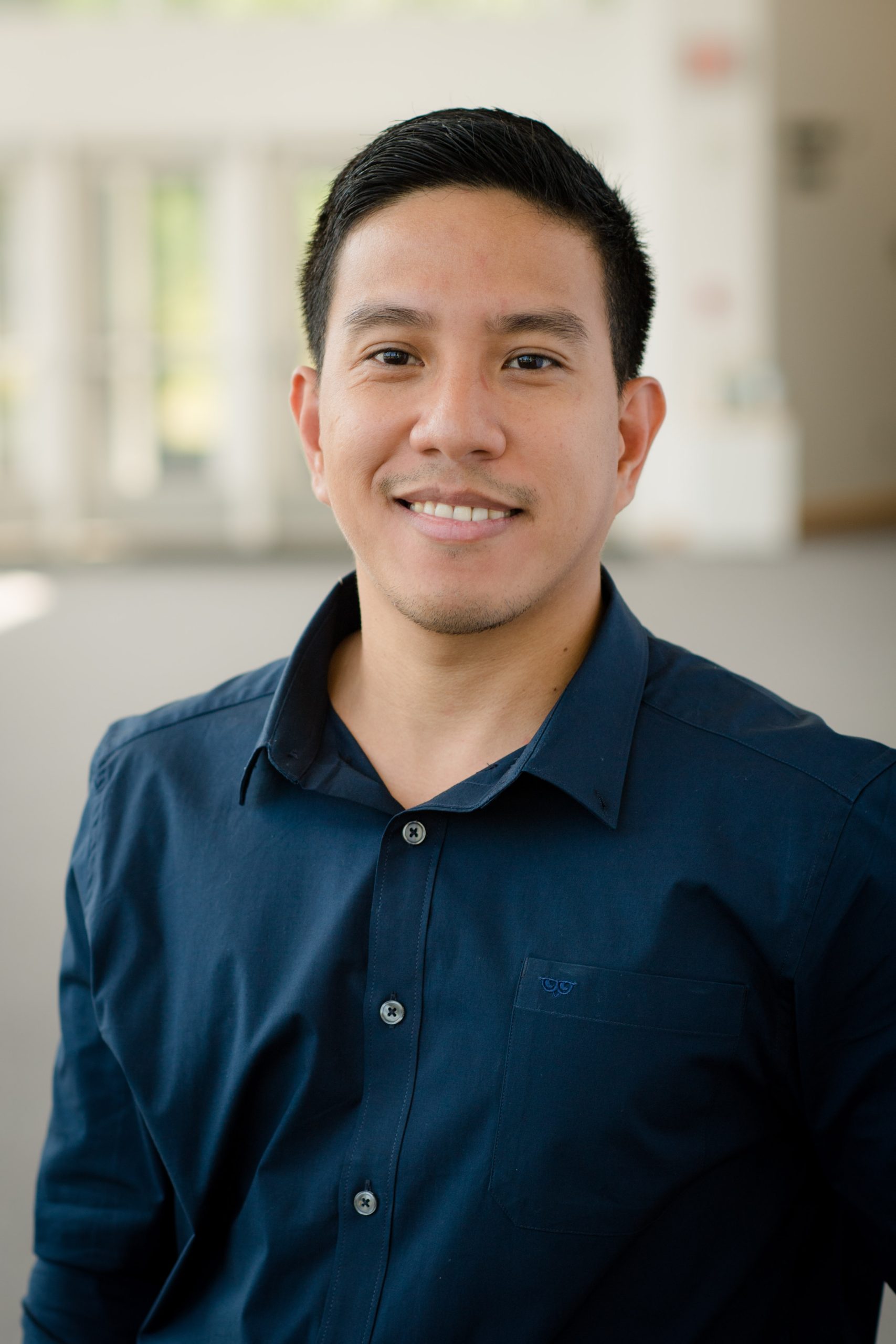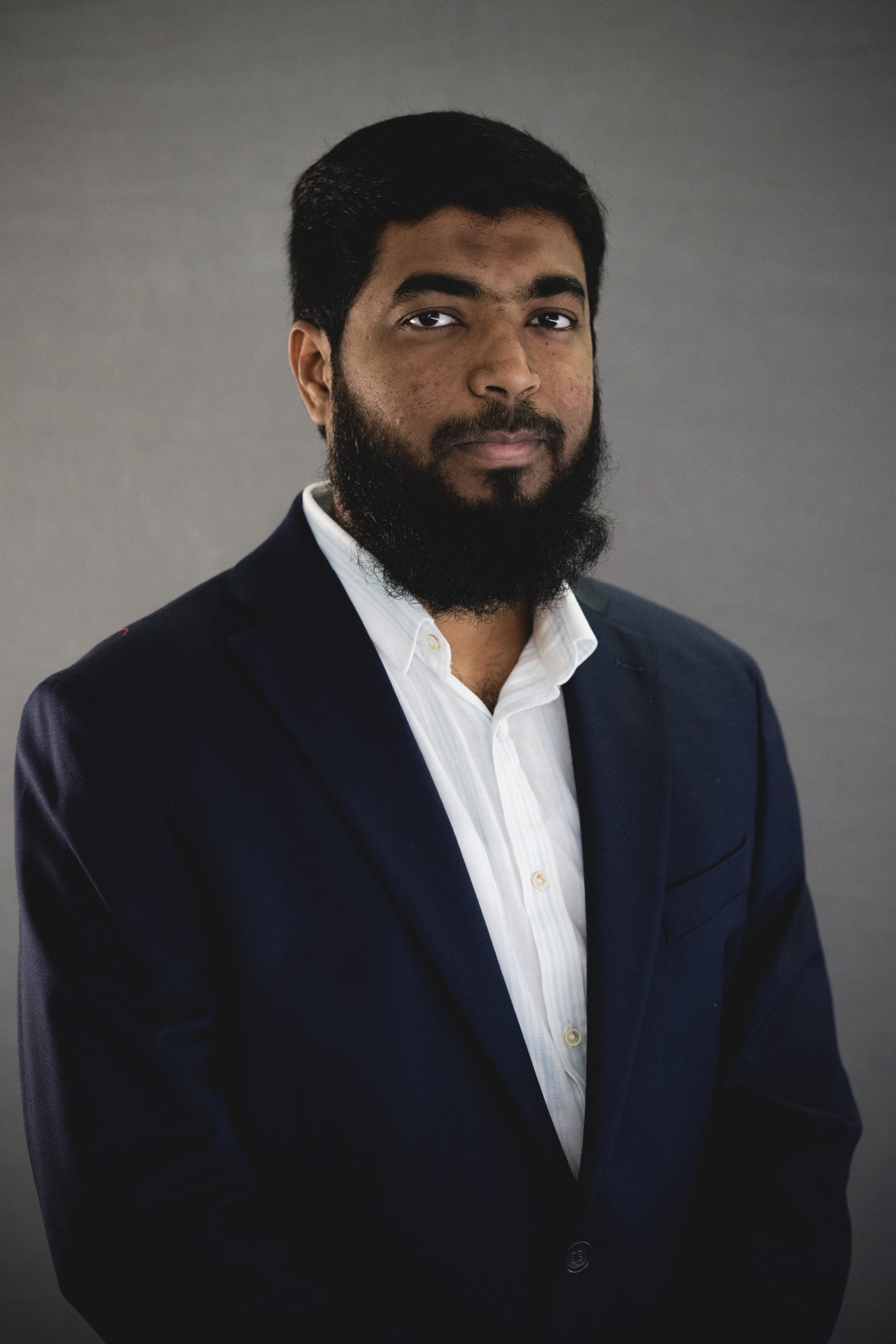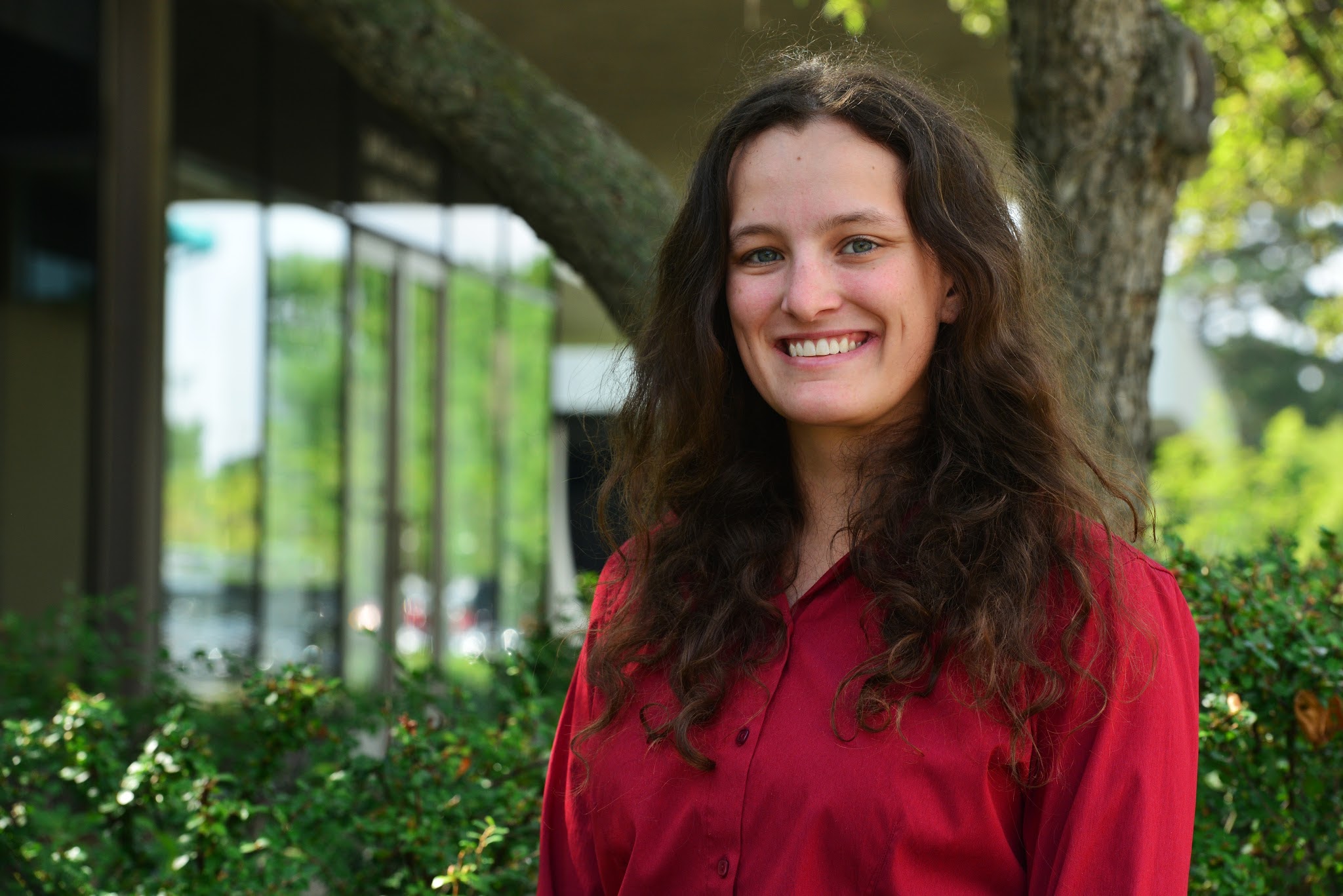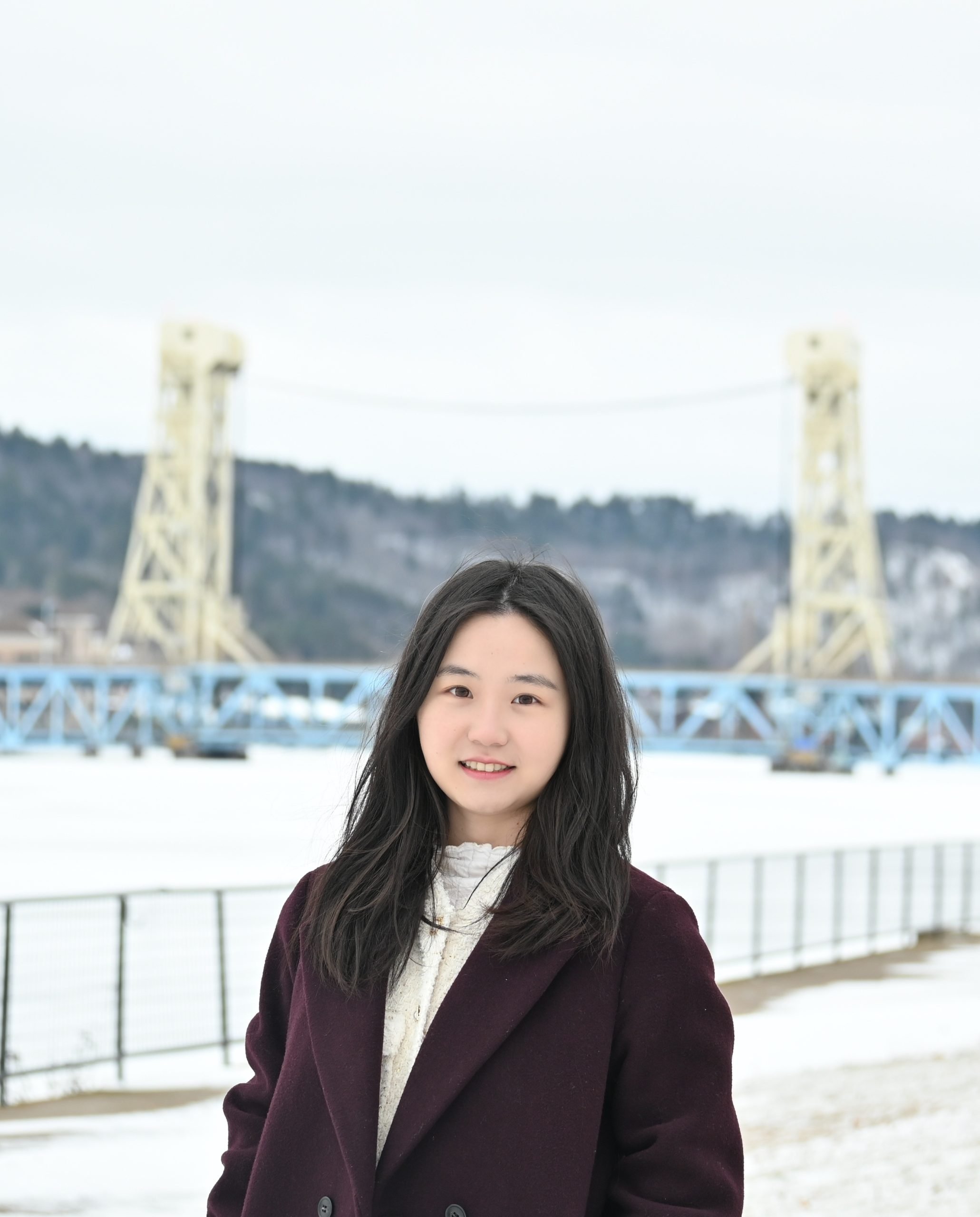
Tag: Finishing Fellowship

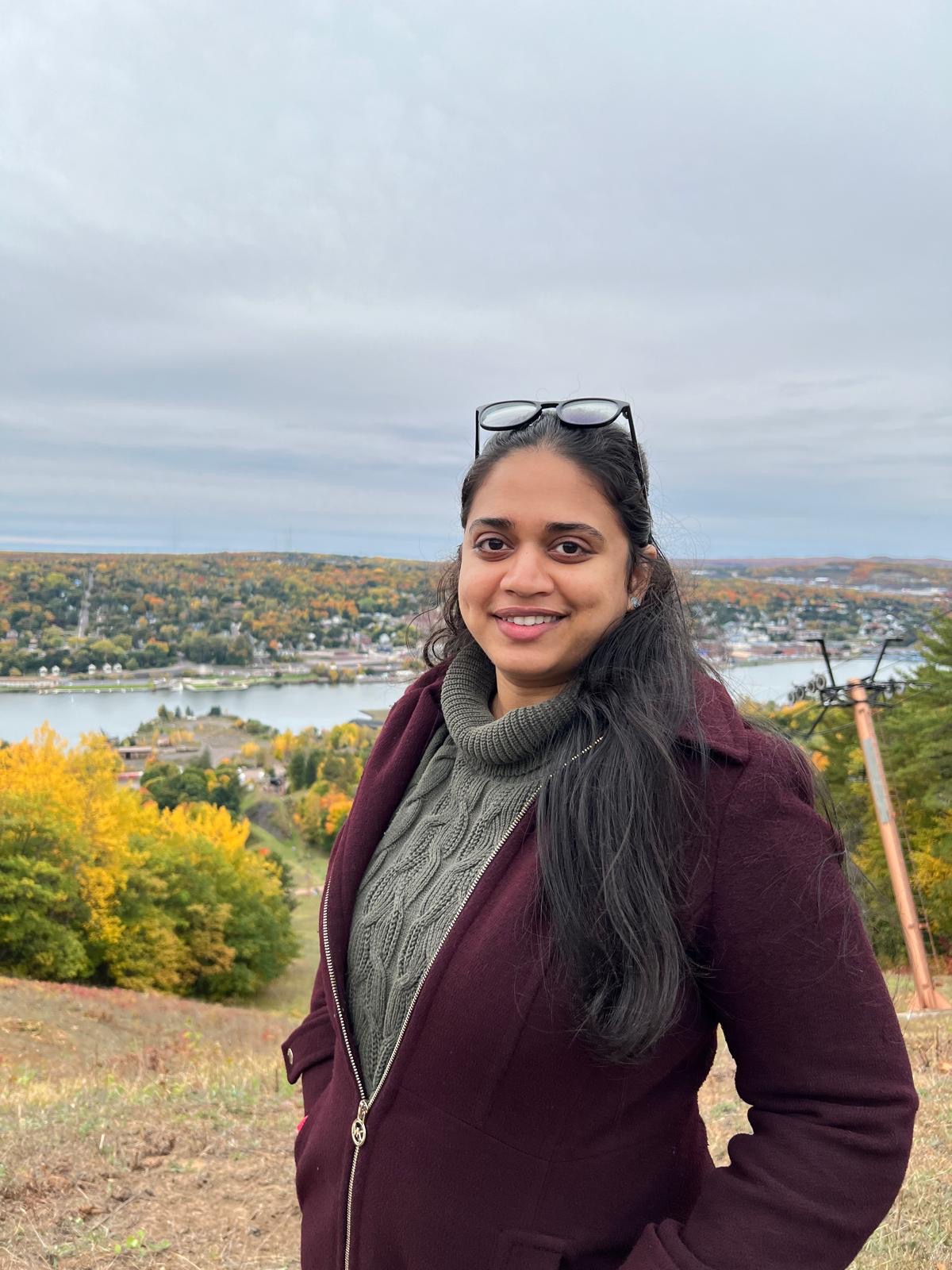
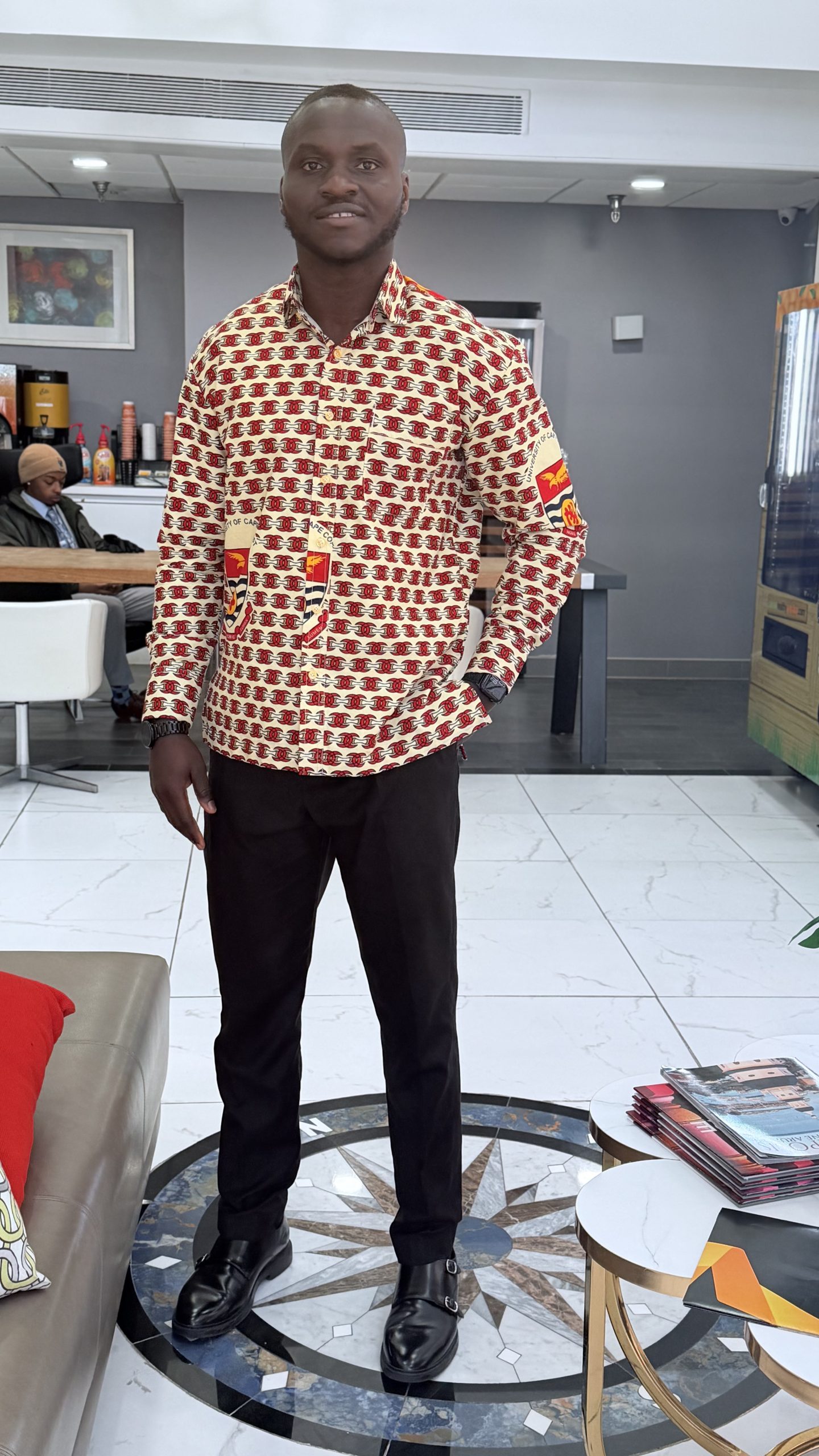
Finishing Fellowship Award – Summer 2026 – Kwabena Boafo

Kwabena Boafo, PhD in Chemical Engineering, 2026

I am sincerely grateful to the Graduate School, the Dean, and the Awards Advisory Panel for selecting me for the Finishing Fellowship. This support is a great honor as I enter the final stage of my doctoral studies. I would also like to express my appreciation to my advisor, Dr. Timothy Eisele, for his guidance, support, and mentorship throughout my research journey. His encouragement and feedback have been invaluable to my development as a researcher.

My journey at Michigan Tech began with my graduate studies in Chemical Engineering, and over the years, this department has provided me with a strong foundation for both academic and professional growth. My PhD research focuses on developing cost-effective and sustainable biohydrometallurgical methods for recovering nickel from low-grade ores and mine tailings. My work explores the use of metal-reducing microorganisms, biomass-derived solutions, and carbon dioxide to improve nickel dissolution while suppressing iron extraction. The broader goal of this research is to support cleaner and more efficient approaches to critical mineral recovery.

What I enjoy most about this work is the opportunity to contribute to a field that connects mineral processing, sustainability, and innovation. Critical minerals are essential for modern energy technologies, and I am proud that my research contributes to efforts aimed at building more environmentally responsible extraction processes. In addition to the technical aspects of my work, I have deeply appreciated the supportive research environment and collaborative spirit within the Department of Chemical Engineering at Michigan Tech.

During the fellowship period, I plan to focus on completing the final stages of my dissertation, preparing my remaining work for publication, and fulfilling all degree requirements. I am excited to complete my PhD and move forward in contributing to sustainable solutions for critical mineral recovery.
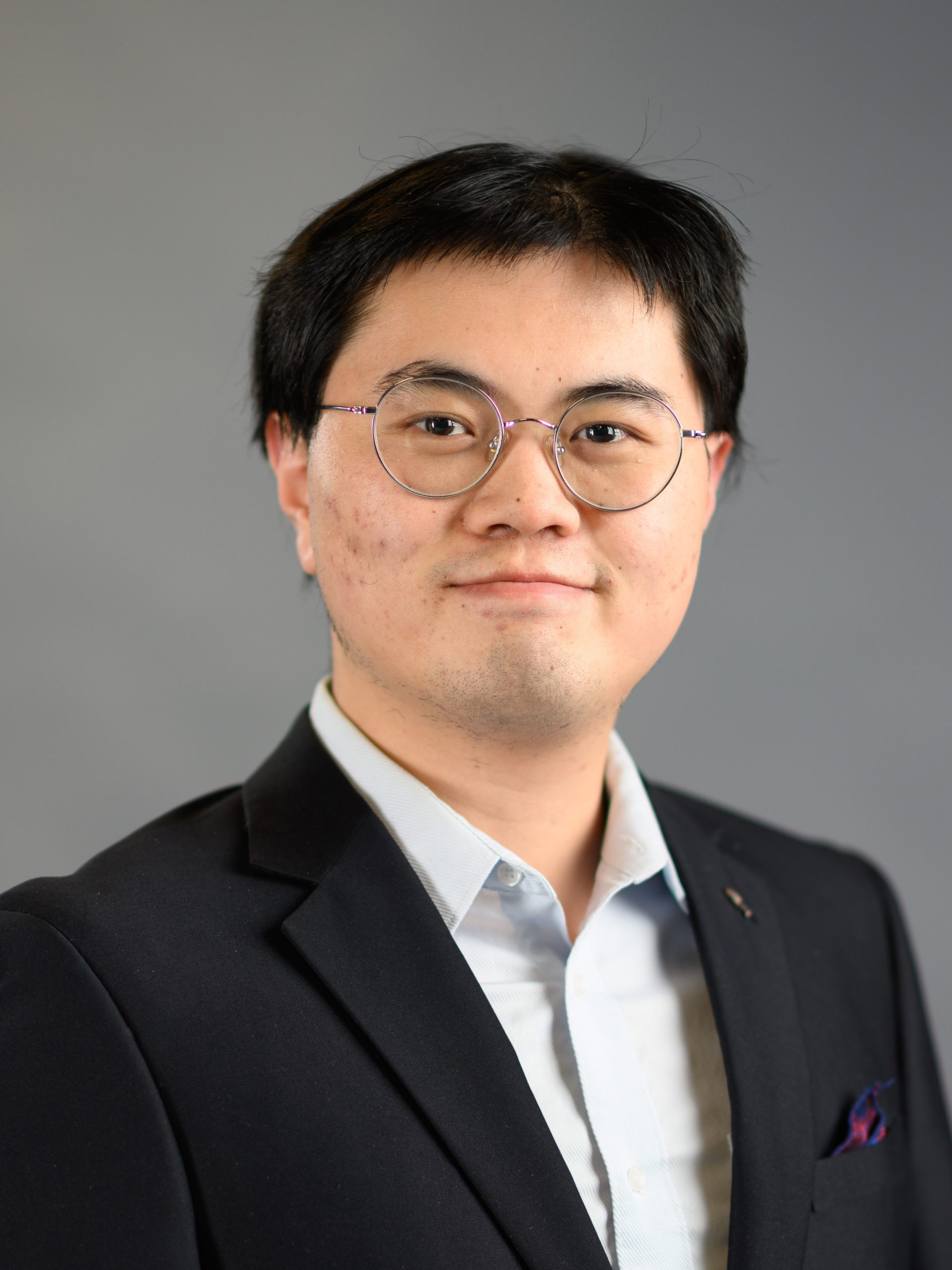
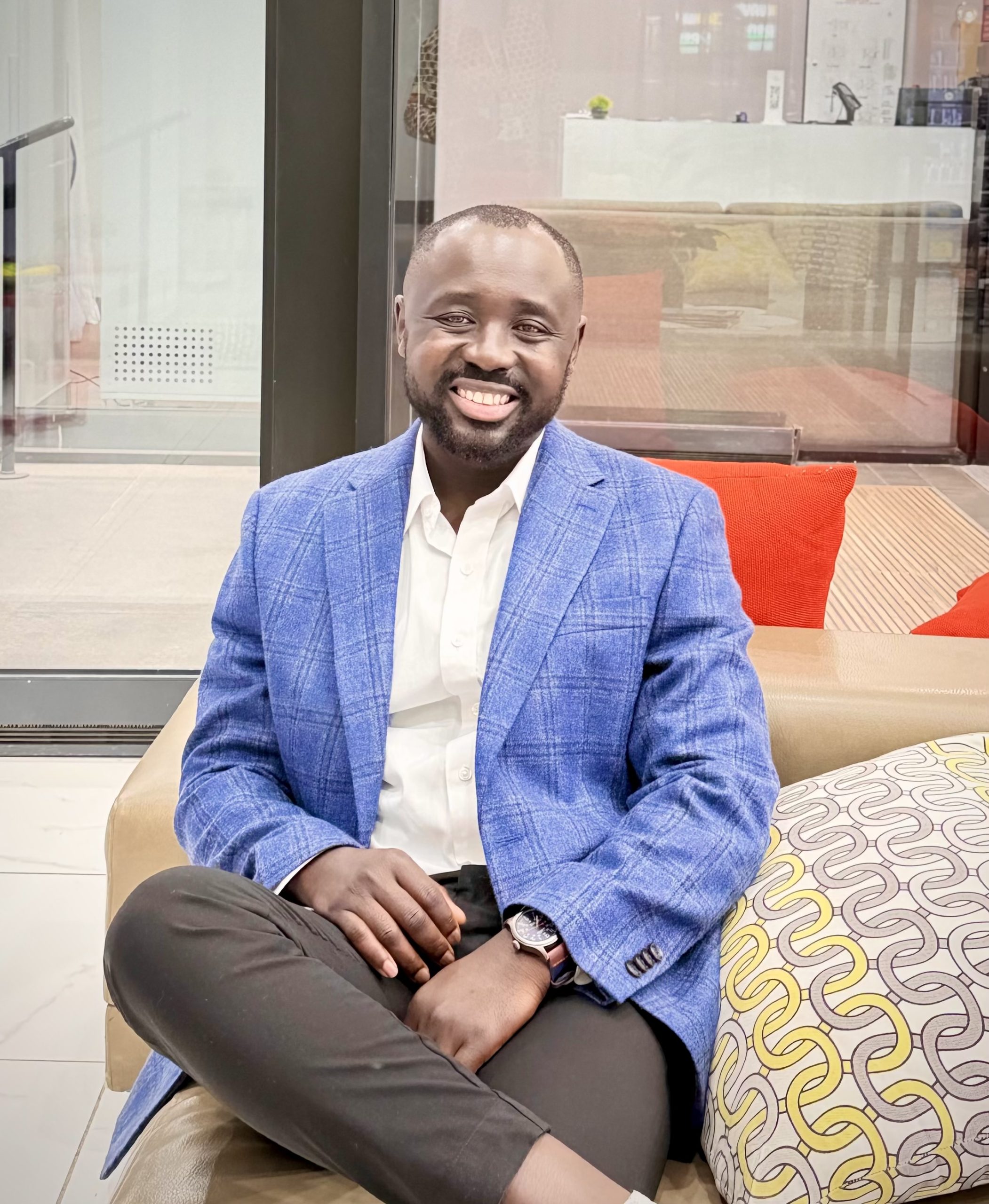
Finishing Fellowship Award – Summer 2026 – Meng Wu

Meng Wu, PhD in Civil Engineering, 2026

I am deeply honored to receive the Finishing Fellowship from the Graduate School and the Graduate Dean Awards Advisory Panel at Michigan Technological University. I sincerely thank the Department of Civil, Environmental, and Geospatial Engineering for its academic support throughout my doctoral journey. I am especially grateful to my advisor, Dr. Zhanping You, for his continuous guidance, encouragement, and mentorship during my Ph.D. program. I also extend my appreciation to my committee members, collaborators, and colleagues for their valuable feedback and support in both research and professional development.

I have had the privilege of conducting research on sustainable pavement materials, with a particular focus on crumb rubber-modified asphalt, asphalt mixture design, and pavement performance evaluation. My work aims to promote more durable, environmentally responsible transportation infrastructure by advancing the use of recycled tire rubber in asphalt. Through laboratory testing, material characterization, and performance analysis, I seek to better understand the behavior of asphalt binders and mixtures and to support practical solutions for more sustainable pavement engineering.

Throughout my doctoral program, I have also contributed through mentoring, laboratory support, and collaborative project work, which have helped me grow as both a researcher and a team member.

This fellowship provides meaningful support as I complete my dissertation and prepare for the next stage of my academic career. I am sincerely grateful for this recognition, and I look forward to continuing to contribute through research, collaboration, and service in the field of sustainable infrastructure.

Finishing Fellowship Award – Summer 2026 – Daniel Amponsah-Berko

Daniel Amponsah-Berko, PhD in Chemical Engineering, 2026

I am deeply honored to receive the Finishing Fellowship and wish to express my sincere gratitude to the Graduate Dean Awards Advisory Panel and the Dean for this recognition. I am also profoundly thankful to my academic advisor, Dr. Timothy Eisele, as well as Dr. Caryn Heldt, Kristi Pieti, and Shelby Stubenrauch for their tremendous support throughout my Ph.D. journey. I sincerely thank the donors for their generous investment, which allows me to focus entirely on completing my dissertation and bringing my research to a successful conclusion.

I am a Ph.D. candidate in Chemical Engineering at Michigan Technological University, where my research addresses one of the most pressing challenges in sustainability: landfill mining and the recovery of high-value materials from waste. My work focuses on understanding aluminum persistence and corrosion to develop efficient separation processes that transform waste into a resource.

Originally from Ghana, I earned my bachelor’s and master’s degrees in petroleum engineering with first-class honors from Tyumen Industrial University in Russia. Transitioning to chemical engineering for my doctorate was a significant pivot, but by the grace of God, through perseverance and hands-on research, I have built deep expertise in mineral processing and hydrometallurgy. My doctoral research, supported by the U.S. Department of Energy (DE-FE0032236), includes designing aerodynamic separation systems and conducting landfill simulations to advance circular economy solutions. Upon graduation, I aim to apply this expertise in the metals and energy industries to address complex environmental and industrial challenges.

Finishing Fellowship Award – Summer 2026 – Jester Itliong

Jester Itliong, PhD in Physics, 2026

I joined Michigan Techn in Spring 2021, as the world was beginning to emerge from the pandemic. I still remember stepping off the plane at CMX and feeling the sharp winter air on a bright, cloudless day. This was my first encounter with a Michigan winter and one of many new experiences that would shape my time here. Beyond academics, Michigan Tech has provided a strong sense of belonging. I found community among fellow Filipinos who keep me connected to my roots, as well as in organizations such as the Nepalese Student Association. Most meaningfully, I met my fiancé here, whose support has been instrumental throughout my journey. These experiences have made my time at Michigan Tech deeply meaningful both personally and professionally.

Under the mentorship of Dr. Issei Nakamura, my research focuses on understanding how molecular features such as size, charge, polarity, and chain length govern viscosity and ion transport in ionic and polymerized ionic liquids using coarse-grained molecular dynamics simulations. These materials are promising for applications in batteries, electrolytes, and ion-conducting membranes because they enable charge transport without volatile solvents. My work aims to bridge molecular design and macroscopic behavior, providing insight into how to tailor these materials for improved performance.

While I value the analytical aspects of research, I am especially passionate about communicating science. I have presented at the APS March Meeting annually from 2023 to 2026 and was honored to win the Graduate Student Government 3-Minute Thesis Competition in Fall 2025, later competing at the regional level in 2026.

As I enter the final stage of my doctoral program, the Finishing Fellowship will allow me to focus fully on completing my dissertation. I am deeply grateful to the Graduate Dean Awards Advisory Panel, the Physics Department, and Dr. Nakamura for their continued support.

Finishing Fellowship Award – Summer 2026 – Siddiqui Anwaruddin Mohammed

Siddiqu Anwaruddin Mohammedi, PhD in Mechanical Engineering-Engineering Mechanics, 2026

I am sincerely grateful to the Graduate Dean’s Awards Advisory Panel and the Dean for approving my application for the prestigious Finishing Fellowship for Summer 2026. This support represents a significant milestone in my doctoral journey, and I am deeply appreciative of the confidence placed in my work. I am especially indebted to my advisor, Dr. Bhisham Sharma, whose guidance since the beginning of my Ph.D. has been instrumental in bringing me to the final stage of my program. I also extend my gratitude to the Department of Mechanical and Aerospace Engineering for its continued support.

I joined Michigan Technological University in Fall 2023. Coming from southern India, where I had never experienced snowfall, adapting to Houghton’s average seasonal snowfall of nearly 200 inches was a striking change. However, I embraced this new environment and grew to genuinely enjoy it. My aspiration to pursue a Ph.D. has been longstanding. After completing my bachelor’s degree in Hyderabad, India, in 2015, I worked for two years before deciding to fully commit to research. I then pursued a fully funded master’s degree at King Fahd University of Petroleum & Minerals (KFUPM) in Saudi Arabia, where I strengthened my research foundation.

As I approached the completion of my master’s degree, the COVID-19 pandemic disrupted my plans to begin a Ph.D. in the United States. During this period, I remained engaged in research at KFUPM, where I gained valuable experience and developed a deeper understanding of the ethics and rigor required in scientific inquiry. Once conditions improved, I began my Ph.D. at Wichita State University in Fall 2022 and subsequently followed my advisor to Michigan Tech in Fall 2023.

My research lies at the intersection of computational solid mechanics and machine learning for advanced material design. I focus on enhancing the mechanical performance of lightweight cellular structures by tailoring them to meet specific target properties. To achieve this, I employ machine learning techniques to develop computationally efficient frameworks for the inverse design and customization of material behavior. I further translate these complex designs into physical structures using additive manufacturing and validate their performance through experimental mechanical testing, thereby completing the full design-to-manufacturing cycle.

In addition to my research, I have served as a teaching assistant for courses such as Advanced CAD/CAM and Acoustics & Noise Control. Through conducting laboratory sessions, I discovered a strong interest in teaching and mentoring students, and I value the opportunity to contribute to their learning and development.

Moving forward, I aim to continue pursuing knowledge with the same commitment to rigor and ethical research that has guided me throughout my academic journey. I aspire to conduct impactful research that contributes meaningfully to the scientific community while also fostering an environment of learning and collaboration.

Finishing Fellowship Award – Summer 2026 – Nor Serocki

Nor Serocki, PhD in Forest Science, 2026

I am honored to be accepting the Graduate School Finishing Fellowship for the summer semester of 2026. As I approach the end of my educational journey, it is vital to express how important the support of the Michigan Tech community has been to my path and my success. It is because of this community of students, researchers, educators, and staff that I have reached this point in my career, and this award is a further investment in my education.


I joined the Michigan Tech community as an undergraduate in 2010, completing a Bachelor of Science in Applied Ecology and Environmental Science in 2014. My experience as an undergraduate at Tech taught me the importance of passion in one’s work, which I was also able to apply to my work post-graduation with the Michigan Tech Research Institute. It was during my time at MTRI that I found my passion in researching and understanding peatlands, and decided that when I returned to graduate school, I would focus on these important ecosystems.


My research focuses on the Alaska Peatland Experiment, which was founded in 2005 in order to understand the impacts of a changing climate on peatland carbon storage. Peatlands are vital carbon sinks, storing 30% of soil carbon while only covering 3% of terrestrial surface area. Because of this, my dissertation strives to understand the trends in peatland carbon storage over time, model the impacts of shifting environmental conditions on carbon sink strength, and map carbon flux using satellite imagery.


It has been an exceptional honor to be a member of the Michigan Tech community, and I thank that community for displaying this faith in me as I approach the end of my degree timeline. I look forward to completing my research, and to beginning the career that Michigan Tech has prepared me for.

Fall 2026 Finishing Fellowship Nominations Open

Applications for Fall 2026 finishing fellowships are being accepted and are due no later than 4 p.m. on June 10, 2026 to the Graduate School. 

Instructions on the application and evaluation process are found online. Please note that instructions for advisor recommendation letters have changed for the Fall 2026 application period. Students are eligible if all of the following criteria are met:

  1. Must be a PhD student.
  2. Must expect to finish during the semester supported as a finishing fellow.
  3. Must have submitted no more than one previous application for a finishing fellowship.
  4. Must be eligible for candidacy (tuition charged at Research Mode rate) at the time of application.
  5. Must not hold a final oral examination (“defense”) prior to the start of the award semester.

Finishing Fellowships provide support to PhD candidates who are close to completing their degrees. These fellowships are available through the generosity of alumni and friends of the University. They are intended to recognize outstanding PhD candidates who are in need of financial support to finish their degrees and are also contributing to the attainment of goals outlined in The Michigan Tech Plan. Students who receive full support through a Finishing Fellowship may not accept any other employment. For example, students cannot be fully supported by a Finishing Fellowship and accept support as a GTA or GRA.

Finishing Fellowship Award – Spring 2026 – Yi Xu

Yi Xu, PhD in Statistics, 2026

I am deeply honored to receive the Finishing Fellowship Award from the Graduate School and the Graduate Dean Awards Advisory Panel. I sincerely thank the Department of Mathematical Sciences for the academic advising and continued support. I am especially grateful to my advisor, Dr. Yeonwoo Rho, for her unwavering encouragement and guidance throughout my doctoral program. I also extend my thanks to the faculty in the math department for their professional instruction and feedback throughout my coursework.


I have had the privilege of working under my advisor, Dr. Yeonwoo Rho, on functional data analysis. I would like to express my sincere gratitude to Dr. Rho for her invaluable guidance and mentorship, from shaping my research to encouraging my professional development. My research focuses on statistical methods for detecting change points in the mean or variance in high-dimensional or functional time series using random projections, with applications in finance, climate science, and biomedical science.


Alongside my research, I have worked as a Graduate Teaching Instructor for undergraduate math courses. I would like to thank my teaching supervisor, Ann Humes, who provided comprehensive training and helped me develop an instructional framework. I am also grateful to my teaching mentors, Tim Wagner and MaryFran Desrochers, for their guidance on effective teaching practices. These experiences have strengthened my commitment to high-quality instruction.

In addition, I have been proud to serve as the department representative in the graduate student government. I appreciate my colleagues for their participation and engagement, which have contributed to a supportive community. This service has also strengthened my leadership and collaboration skills.
I look forward to continuing to contribute through research, teaching, and service. This fellowship will provide crucial support as I complete my dissertation and prepare for the next stage of my academic career.

Finishing Fellowship Award – Spring 2026 – Varsha Kumar

Varsha Kumar, PhD in Electrical Engineering, 2026

I’m a PhD student in Electrical engineering. My research focus on understanding the effects of boundaries which lead to the formation of high-quality factor resonance in finite-size dielectric metasurface. I have performed theoretical studies and computational studies using electromagnetic full wave simulations to understand the nature of the complex resonance response from the fragmented metasurface. The high-quality factors enabled by the finite metasurface are beneficial for enhanced light matter interactions that are important for sensing, lasing, wave-guiding, filtering and imaging applications. I also had the opportunity to instruct labs as a graduate teaching assistant for many semesters, which helped me develop my teaching skills.

I sincerely thank the Graduate school and the Graduate Dean Advisory Panel for this fellowship. I’m grateful to my advisor Dr. Elena Semouchkina for her guidance and support.

Finishing Fellowship Award – Spring 2026 – Gabriel Ahrendt

Gabriel Ahrendt, PhD in Geophysics, 2026

I began my PhD research at the beginning of the pandemic, TA-ing labs online and trying to carry out experimental research in a quarantined lab. This taught me a degree of flexibility and spontaneity that has carried through the rest of my degree. Over the course of my PhD I’ve TA’d geology classes, a multi-university course on climate science and policy, I’ve taught the Summer Youth Program for geology, organized a workshop in Washington DC on the UN framework Convention on Climate Change, sampled geological areas for the USGS mapping and exploration efforts, organized social and research events for graduate student government, was coordinator of the GSG softball league, sat on the advisory boards of a forest conservation campaign and an international ecological network, helped organize physics and geological conferences at MTU, and even organized a couple music and art festivals. I like to think that, starting a PhD directly after Peace Corps service, I continued my community focused ethos and incorporated it into my degree.

My research has focused on deciphering the early processes of Earth and solar system evolution, including planetary magnetic field evolution, tectonic dynamics, and paleoenvironmental conditions. While these processes have shaped the modern Earth system, many aspects remain poorly understood. Within this framework, I have carried out three research projects using paleomagnetic, rock-magnetic, geochemical, and electron microscopy methods.

The first project, analyzing Iron-Nickel alloys in meteorites has demonstrated the possibility of analyzing primary magnetic signals in a large suite of meteorites that were previously thought to be bereft of primary magnetic signals. The second project on Iron formations has demonstrated a novel way to interpret paleoenvironments of formation based on rock -magnetic analysis. The third project on Upper Peninsula dike swarms provide a more detailed reconstruction of the 2.1–1.85 billion-year-old tectonic history of the Lake Superior region, constrain its geodynamic evolution, and offer crucial insights into the Earth’s magnetic field history, including the timing of the solid inner core formation.

I am grateful to the Graduate school, my advisor, and my committee for this opportunity to carry out interesting and novel research while also being an active and engaged community organizer.