

Tag: Michigan Space Grant Consortium

Michigan Space Grant Consortium Fellowship – Summer 2026 – Sam Jensen

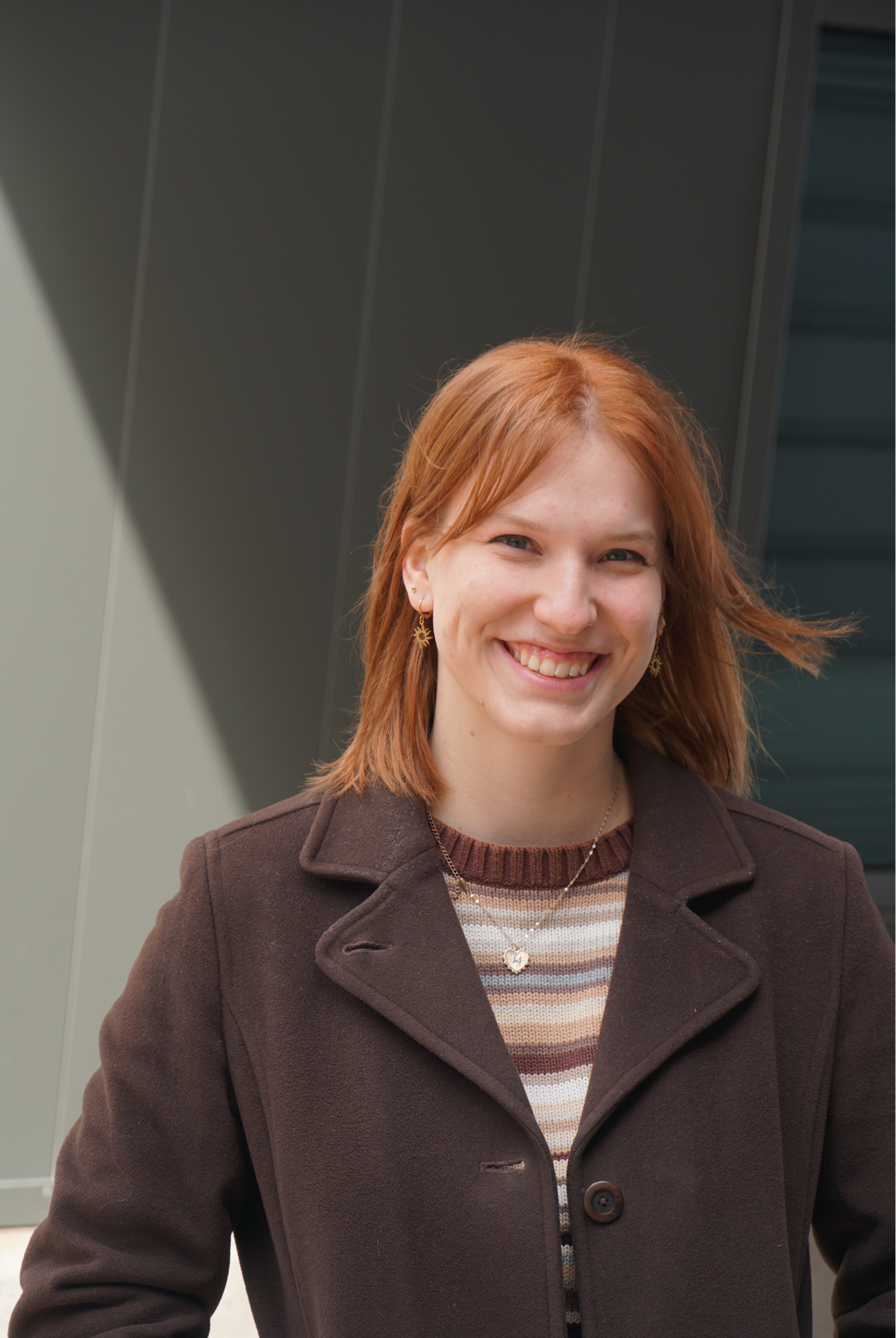
Sam Jensen, MS in Geophysics, 2026

Hey! My name is Sam Jensen, and I’m a first year Master’s student at MTU. I am involved with the GMES department’s drone based geophysics program, focusing on magnetic surveys around the Keweenaw Peninsula/greater U.P. area. I am originally from Gladstone, MI and have been passionate about teaching during my time as a grad student. I hope to one day become a professor of geophysics, with the main goal of inspiring students as I have been inspired. I am also involved with Graduate Student Government at MTU, and was recently elected president of the organization.

My great grandfather, Paul Serafin, attended this university when it was still called the Michigan College of Mining and Technology (all the way back in 1932!). My grandfather, David Palo, was born and raised in the Keweenaw and I was lucky enough to explore this area with him since I was a small child. I knew MTU was where I wanted to be, but it took me a few years before I realized exactly what I wanted to do. If there’s one thing I’d like to say to undergraduates, it’s to never be afraid to switch paths. Money plays a large role in many peoples’ career decisions, but it shouldn’t be the largest factor. As cliché as it sounds, I think following your heart is more meaningful than (almost) any amount of zeros in a starting salary.

I am happy to have gotten my undergraduate degree in Applied Geophysics also from MTU. In my time here, I have realized how special the Keweenaw Peninsula truly is. The location, history, geology, and people are all so unique here. I am an avid outdoorsman – from backpacking in summer to ice fishing in winter, I am grateful to call this place my home.
Michigan Space Grant Consortium Fellowship – Summer 2026 – Mari Leland

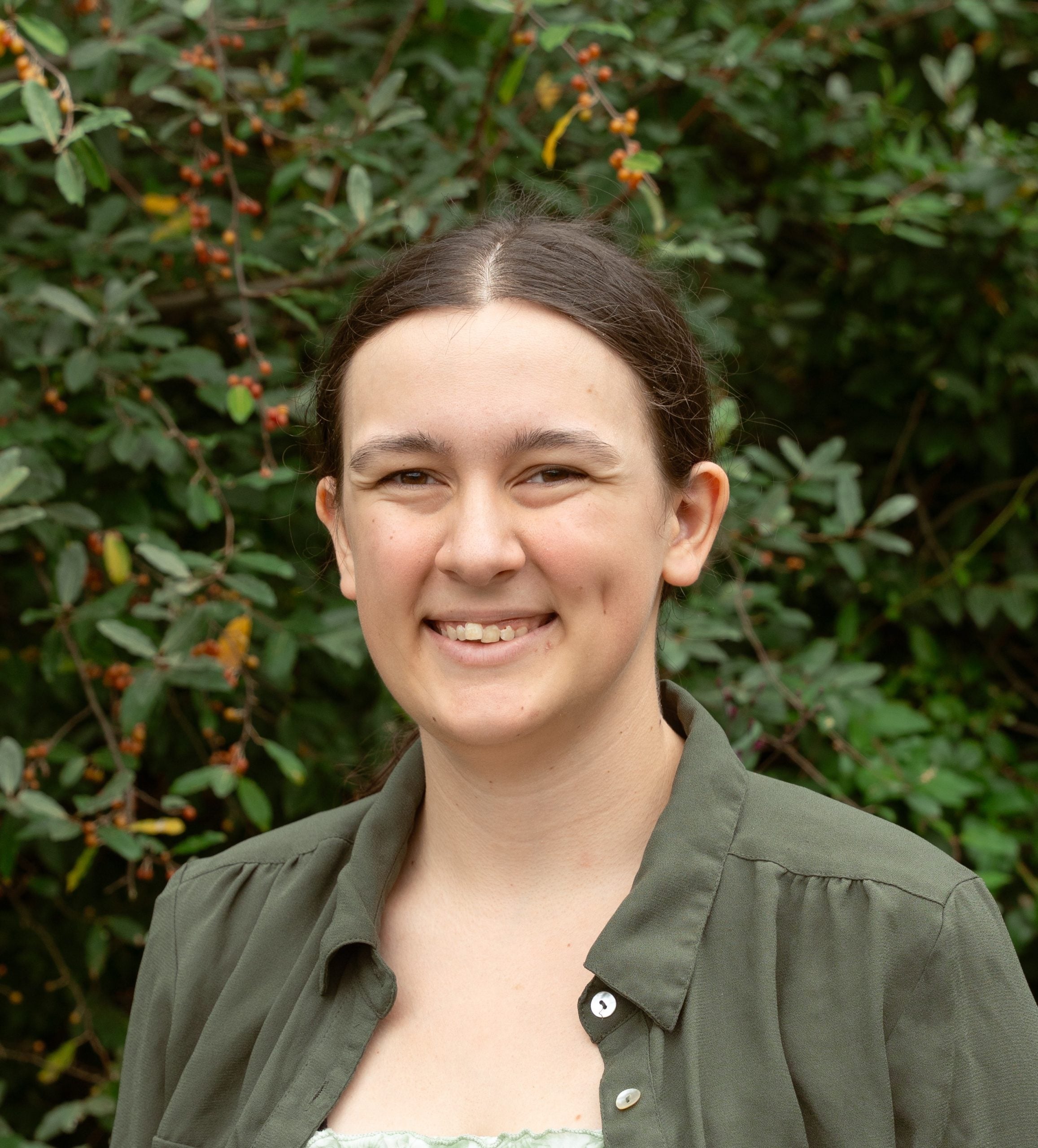
Mari Leland, PhD in Biological Sciences, 2026

I began my Ph.D. at Michigan Technological University in the Fall of 2024, joining Dr. Vick-Majors’ lab and the Biological Sciences department. My research focuses on annual patterns in lake microbial communities and organic matter, emphasizing the role of winter in shaping year-round processes. With a background in biological engineering, especially bioinformatics, my work integrates my passion for environmental sciences with emerging genetic technologies to gain a deeper understanding of complex ecological processes.


Through collaboration with a network of scientists across North America, I study how lakes spanning gradients of organic matter and phosphorus are impacted by winter conditions. Simply, I view lakes through the lens of color, ‘brownness’ vs ‘greenness’, to understand how changing winters may impact annual patterns in diverse lakes. I look forward to not only addressing these questions but translating this information from the literature into publicly accessible formats. As a born and raised Minnesotan, I understand the importance of lakes in everyday life and want to connect my science to the communities who experience and depend on these ecosystems firsthand.


I’m very grateful to my advisor, Dr. Vick-Majors, for her mentorship as I make my way through my program and her encouragement as I pursue my interests through my research. I would like to thank the project partners and collaborators whose hard work makes my research possible. I’m also thankful to my peers and colleagues who provide support and perspectives that strengthen my work.

Michigan Space Grant Consortium Fellowship – Summer 2026 – Gabrielle DuCheny

Gabrielle DuCheny, MS in Mechanical Engineering, 2026

I am a first-year master’s student in Mechanical Engineering. I started my schooling at Michigan Tech in 2021, getting my bachelor’s in Mechanical Engineering along with a minor in ecology. I graduated with my bachelor’s degree in spring 2025 and after spending a summer doing research work in acoustics and 3D printing I decided to get my master’s in Mechanical Engineering.

I have always loved nature and the outdoors for as long as I can remember and wanted to help protect it and the peacefulness and beauty it provides. My research is focused on acoustics, specifically psychoacoustics and how people perceive noise. For my research I am helping to test and design drone blades that are less annoying keeping outdoor areas pleasant to be in. I have learned a lot about acoustics since starting my masters and it has presented opportunities for me to gain skills in acoustic testing and work on multiple different projects in the field. As a graduate student I also had a chance to TA for a lab this past semester which I think has helped me improve my teaching skills and was something that I really enjoyed.

I am thankful for the opportunity to further my research through the MSGC as well as the opportunity that I have been given to further my education through Michigan Tech. I am also grateful for my advisor Dr. Sharma for helping me to grow academically as I work on my research.

Michigan Space Grant Consortium (MSGC) Fellowships Awarded to Six Michigan Tech Graduate Students

The Graduate School is pleased to announce the recipients of the Michigan Space Grant Consortium (MSGC) Graduate Fellowships. Sponsored by the National Aeronautics and Space Administration (NASA), these fellowships are awarded to students who are pursuing research in fields aligned with NASA’s strategic interests, including STEM education and space-related science and technology.

This year, six exceptional graduate students from Michigan Tech have been selected for this honor. Their diverse research projects span from atmospheric physics to advanced mechanical engineering, highlighting the interdisciplinary nature of space-related research on our campus.

MSGC Fellowship Winners

The MSGC fellowship program aims to foster awareness of and education in space-related science and technology while supporting the next generation of researchers. Each fellowship provides funding to support the students’ research expenses and stipends, allowing them to focus on innovative projects that contribute to our understanding of the Earth and the universe beyond.

We are incredibly proud of these students for their hard work and dedication to their respective fields. Receiving an MSGC fellowship is a testament to the high caliber of research being conducted by our graduate students and their potential to make significant contributions to the scientific community and NASA’s mission.

The Graduate School congratulates Gabby, Nicholas, Sam, Mari, Samantha, and Dayana on this prestigious achievement and looks forward to seeing the results of their funded research.

For more information on the Michigan Space Grant Consortium and future funding opportunities, please visit the MSGC website or the Graduate School’s funding page.

MSGC Funding Opportunities

There’s still time to apply for Michigan Space Grant Consortium (MSGC) funding. The internal Michigan Tech deadline is noon on Wednesday, Nov. 6. MSGC offers funding opportunities in the following categories: Undergraduate fellowship, Graduate fellowship, Pre-college education, Public outreach, Teacher training and research seed grant.

Last year, 11 out of 12 graduate students who applied for MSGC grants received funding.

Only U.S. citizens are eligible to apply for fellowship grants. Visit our MSGC page for instructions detailing proposal submission procedures and requirements.. If you have further questions, contact Paige Hackney in the Pavlis Honors College in M&M 722 or at phackney@mtu.edu. Proposals must be submitted electronically after being approved by the Office of Sponsored Programs.