Tag: The King-Chávez-Parks Future Faculty Fellowship Program

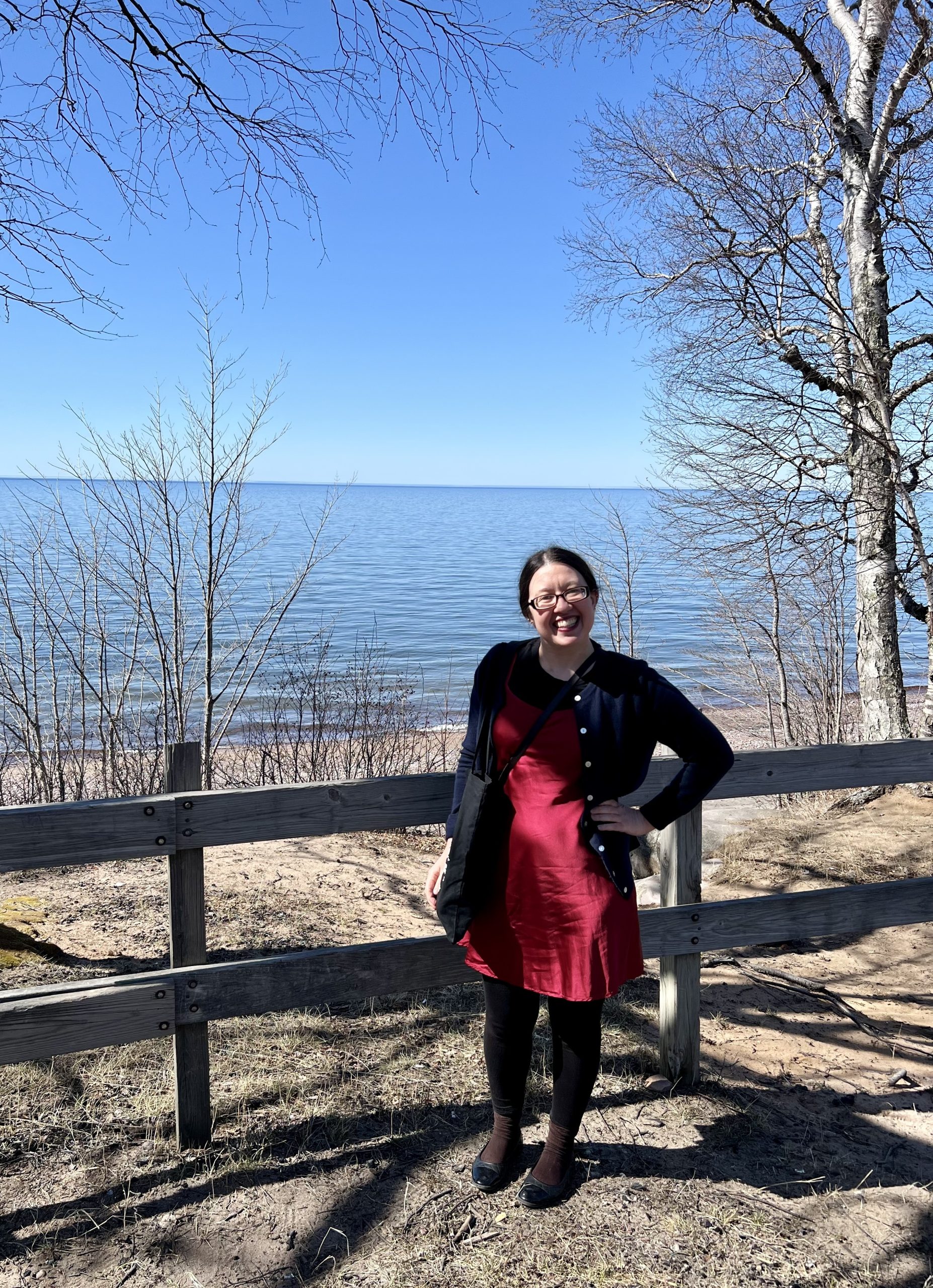
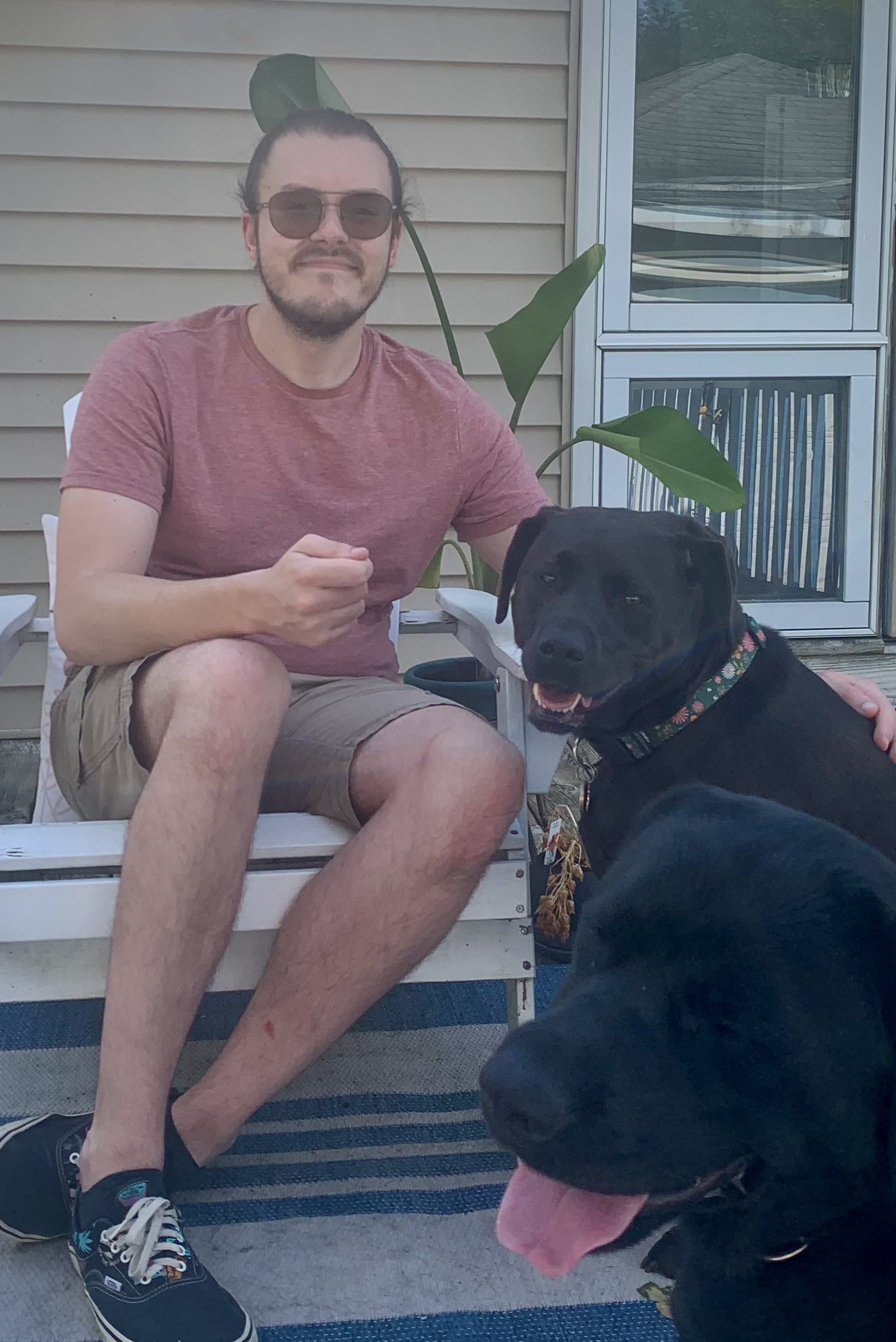
The King-Chávez-Parks Future Faculty Fellowship Program – Fall 2025 – Emma Johnson.

Johnson, Emma C.
Emma Johnson, PhD in Rhetoric, Theory and Culture, 2025

My research encompasses the intersection of media, neoliberalism, and feminism. I am interested in how neoliberalism is represented in media as well as women’s agency within that system. I plan to write my dissertation on how neoliberalism is represented in media through the lens of women. Currently, I am exploring the film and photography of Lauren Greenfield and Sofia Coppola. I am fascinated by how their critiques of capitalism and consumerism both subvert and reify neoliberalism.

I would love to teach a class on how neoliberalism is represented in various media. My goal is to become a professor and teach humanities classes that ask students to consider the world around them, beyond what’s in front of them. I want to invite future students to ask questions about media representation and challenge what they see.

I want to extend my gratitude to the Graduate School, Graduate Dean Awards Advisory Panel, and Dean for this fellowship. I am thankful to the Interim Humanities Department Chair Dr. Kette Thomas, the Rhetoric, Theory & Culture Graduate Program Director Dr. Dana Van Kooy, my co-advisors Dr. Stefka Hristova and Dr. J.W. Hammond, and committee member Dr. Scott Marratto for their guidance and mentoring.

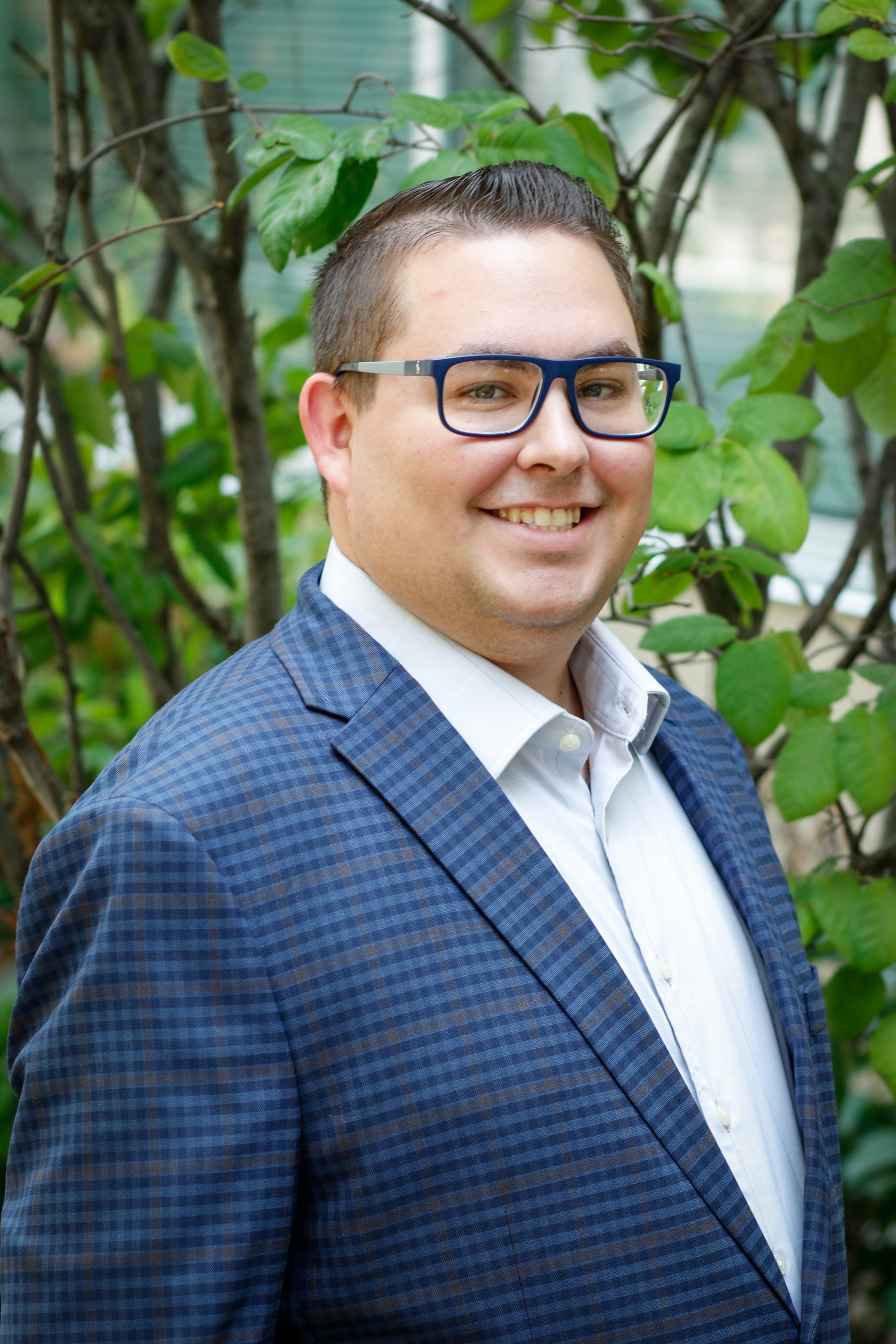
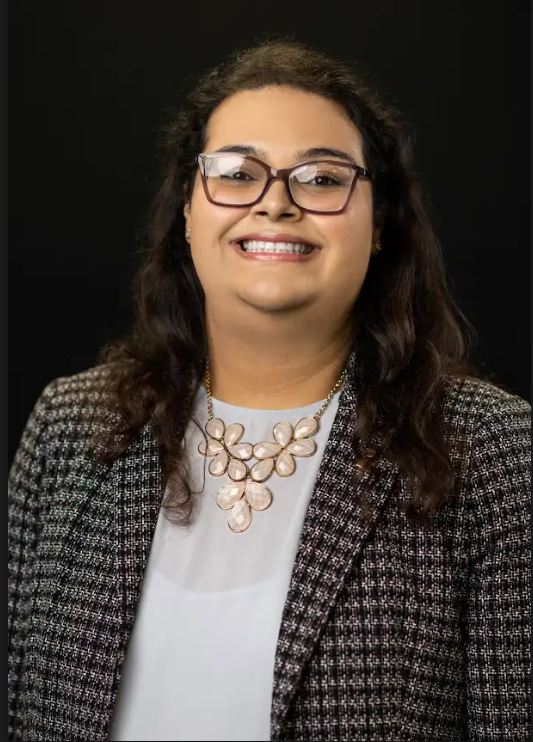
King-Chávez-Parks Future Faculty Fellowship – Fall 2025 – Jordan Dagenais

Dagenais, Jordan P.
Jordan Dagenais, PhD in Rhetoric, Theory and Culture, 2025

I would like to thank the selection committee for choosing me for the 2025 King-Chavez-Parks Future Faculty Fellowship. I would also like to thank my advisor, Dr. Holly Hassel, my department chair, Dr. Kette Thomas, and my program director, Dr. Dana Van Kooy. Finally, I want to thank my family—my mom Susan, my sister Madison, and my cats Bruce, Dinah, and Wally—for always supporting my educational goals. With this fellowship I will be able to achieve my goal of becoming a professor.

I am a first generation college student, so graduate school was initially intimidating. However, I have been graced with wonderful mentors here at Michigan Tech who have helped guide me through the challenges graduate school presents.

I first knew that I wanted to teach when I became an Assistant Scoutmaster for Scouting America Troop 823 out of Fenton, MI. I grew up in the Scouting America program (then referred to as Boy Scouts of America) and always enjoyed leading others. However, it wasn’t until I became an adult leader that I realized I had been teaching for years—and loving it—while I was a scout. Whether showing new scouters the basics of camping or providing advice to aspiring youth leaders, teaching opportunities were always present.

When I began working as a Graduate Teaching Instructor in the Humanities department in 2023, my path was cemented. After just one week of teaching in the writing classroom I knew I had made the right choice, and that teaching is what I’m meant to do.

Being a first generation college student, I want to use this fellowship to help others who don’t have the same access to education that I have been lucky enough to have and concentrate my skills where they will be best served. Upon completion of my degree at Michigan Tech, I plan to teach in the two-year college space in the Ann Arbor area and focus on creating an equitable writing space for all students.

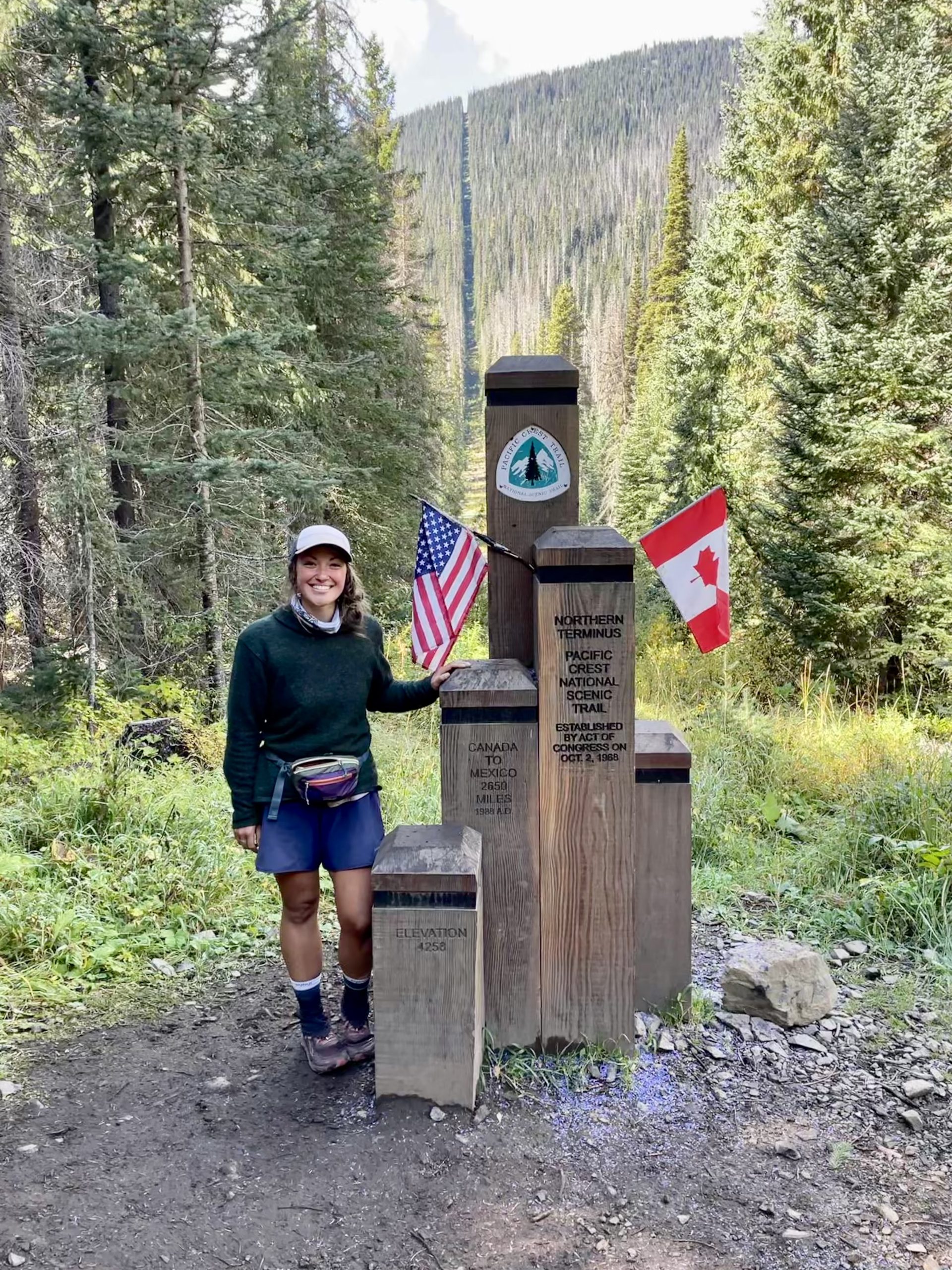
The King-Chávez-Parks Future Faculty Fellowship Program – Fall 2025 – Emily Mydlowski

Emily Mydlowski, PhD in Forestry Science, 2025

I am a second-year doctoral student in Forest Science at Michigan Technological University, where my research focuses on plant ecology, herbivory, and community ecology. My dissertation examines how moose browsing and wildfire interact to shape forest succession at Isle Royale National Park, while also using remote sensing and GIS to study patterns of white satin moth defoliation of aspen trees across the island.

As a first-generation college student, my path to a PhD has not been linear. I earned my bachelor’s and master’s degrees in Biology from Northern Michigan University, where I fell in love with ecological research as a McNair Scholar and developed a deep appreciation for the natural history of the upper Great Lakes. Between degrees, I stepped away from academia to work before embarking on a 2,000-mile solo backpacking trip across California, Oregon, and Washington. Somewhere along the trail, I realized I wanted to return to graduate school and pursue a career in teaching. My time on the trail taught me that big goals are achieved through small, steady steps–a mindset that continues to guide my academic journey.

Teaching is one of my greatest joys. I have led labs in plant biology, ecology, and evolution, guest lectured in undergraduate courses, and led field research crews. I strive to create a supportive environment where students feel encouraged to ask questions, think critically, and connect classroom concepts to the ecosystems around them.

Receiving the King-Chávez-Parks Future Faculty Fellowship is an incredible honor. This support provides the stability to complete my dissertation and continue my work as a researcher, educator, and mentor. I am grateful to my advisor, my department, and the many mentors who have guided me–and I am excited to inspire the next generation of scientists to be curious and see how tangible science can be.

Nominations Sought for KCP Future Faculty Fellowships

Applications are being accepted for the KCP Future Faculty Fellowship, a program funded by the State of Michigan.  The purpose of the King-Chávez-Parks Future Faculty Fellowship Program is to increase the pool of academically and economically disadvantaged candidates pursuing faculty teaching careers in post-secondary education.  

Funding may begin in fall of 2025. Applications are due no later than 4pm on April 28, 2025.

Applicants will complete the following steps:

KCP fellowships provide students up to $20,000 (MS students) or $35,000 (PhD students) to pursue their degrees.  Funds may be used to support students, including faculty and staff, pursuing degrees at Michigan Tech.  For Michigan Tech students, the Graduate School and nominating department must also contribute matching funds to help support the student.

Complete information about eligibility criteria and materials needed for an application is available on our web page. Please note that applications will be submitted through the MILogin Citizens Portal. Questions about eligibility or the application procedure can be directed to Dr. Debra Charlesworth.

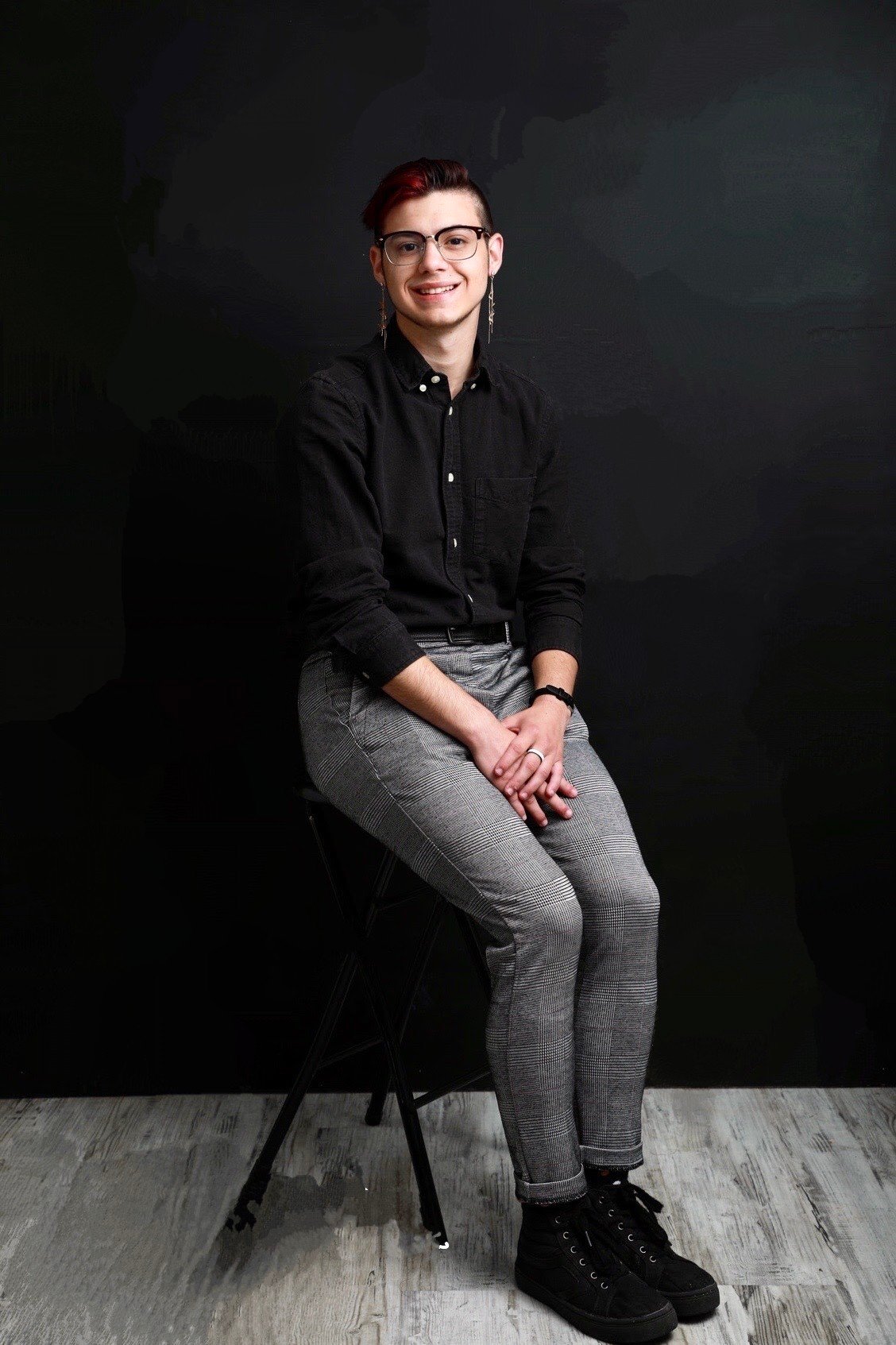
King-Chávez-Parks Future Faculty Fellowship – Fall 2024 – Stelle Acero Barone

As a 19-year-old disabled transgender student, Michigan Tech became a safe haven through student organizations and the College of Forest Resources and Environmental Sciences (CFRES). Finally having a space where I was welcomed with open arms, I was able to focus on my passion for research and education. Through Xi Sigma Pi Forestry Honors Society and several volunteer experiences, I confirmed that I wanted to guide peers and eventually teach. My love of research was also fostered at Tech through my REU and McNair Scholars experiences.

I am starting my first year of my Ph.D. research with Dr. Parth Bhatt and Dr. Tao Liu working on deep learning models to enhance forest fire detection. Forest fires impact human and ecological communities. Thus, it’s exciting to be working on technology that could easily affect the future of ecological research and teaching through promoting ecological data science.

I am extremely thankful for the community in CFRES. I am thrilled to be able to contribute to the amazing research and community here. Additionally, thank you to the countless MTU staff, faculty, and students who helped me through my undergraduate degree and encouraged me to return for graduate school. Finally, thank you to Dr. Parth Bhatt and Dr. Tao Liu for starting this five year journey with me.

Sponsored by the King-Chavez-Parks Future Faculty Fellowship from the State of Michigan.

King-Chávez-Parks Future Faculty Fellowship – Fall 2024 – Gabriel Ahrendt

Having nearly completed two years of service as a Peace Corps Volunteer in Liberia, West Africa, I spent one sweltering afternoon in Spring of 2019 looking forward to what came next for me. Prior to service I had completed my bachelor’s degree in geology at the University of South Florida, researching igneous and metamorphic geochemistry of the smoky mountains. I knew two things about what I wanted from the next chapter of my life that afternoon: I wanted a change of climate and a chance to study unique and fascinating geology.


Fast forward to now, where I am working on my Ph.D. in geophysics, studying rock magnetism and paleomagnetism. I have gotten to know the Precambrian geology of the Keweeenaw intimately through researching the history of intrusive igneous dikes that criss-cross the landscape from Marquette to Copper Harbor, and from researching the depositional environments that created some of the largest iron formations in the world down near Iron Mountain. I’ve even been able to go beyond the Keweenaw and study magnetic alloys in meteorites, using the most powerful microscopy methods known to look at how these unique metals form in space and are deformed by entering the Earth’s atmosphere. I am indebted to the Geological and Engineering Mining Sciences department for the opportunity to research and study these topics. I am especially grateful to my advisor Dr. Aleksey Smirnov and my committee members Dr. James Degraff and Dr. Gregory Waite for providing me with guidance and sharing in their knowledge. I hope to repay the debt by teaching a new generation about the dynamic land they stand on.


During my time at Tech, I have also been fortunate enough to continue my engagement in climate science and education, something I have been pursuing since I was a teenager making oyster matts to combat eutrophication in Florida’s Indian River Lagoon. Thanks to the gracious support and guidance of Dr. Sarah Green from the department of chemistry and Dr. Leah Dundon from the Vanderbilt University School of Engineering, I have been able to help teach a multi-university class on climate science and policy as well as participate in the United Nations Framework Convention on Climate Change’s Conference of the Parties. I look forward to engaging with the climate policy and science network I have built up in my future career as an educator, my way of helping to sustain all Earth sciences for generations to come.

Sponsored by the King-Chavez-Parks Future Faculty Fellowship from the State of Michigan.

King-Chávez-Parks Future Faculty Fellowship – Fall 2024 – Alan Larson

First, I would like to thank the KCP reviewers for selecting me as a recipient of the KCP Future Faculty Fellowship, for allowing me to pursue my own education with the goal of teaching others in the future. I would also like to thank my advisor, Dr. Pati, my family, as well as the rest of the Physics department for always having my back.

The research that I am interested in is observing emergent magnetic phenomena occurring from defects within graphite. More specifically, I am using Density Functional Theory to calculate the charge density and converged wave vectors of graphite crystals with small defects. Using that information, I am able to build an electronic band structure of the defected crystal to observe the properties that emerge. Applying twists to single layer graphene and stacking them has shown interesting properties, such as Quantum Spin Hall Effect and superconductivity. Hopefully we can find new materials to base computers on spintronics instead of electronics which will increase their efficiency by a large amount.

My favorite part is that sometimes the calculations take awhile to finish, so during that time I’m able to walk through campus while giving local chipmunks the spare peanuts I have.

My interest in mathematics and physics started in the third grade, by the eighth grade I was already teaching my classmates the Algebra lessons for the day. In high school the guidance counselors reached out so I could tutor struggling classmates and friends with their mathematics homework. Upon graduating with a double major in Physics and Applied Mathematics, I was able to teach once again for a year! Since then I knew I wanted to become a physics professor, to continue my research, and help others along the same path.

Sponsored by the King-Chavez-Parks Future Faculty Fellowship from the State of Michigan.

King-Chávez-Parks Future Faculty Fellowship – Fall 2024 – Bianca Mercado Velez

My passion for STEM, health-related research, and advice from various mentors has driven my journey as a first-generation Latina student from Puerto Rico. After graduating from high school in Puerto Rico, I moved to Florida to attend Valencia Community College, where I earned my associate in arts before transferring to the University of Central Florida to pursue a dual bachelor’s in biomedical sciences and biotechnology. The invaluable mentorship from my professors, Dr. Dheeraj Verma and Dr. J. Marla Toyne opened up opportunities for me to participate in interdisciplinary research projects in biology and anthropology, health-related internships, and leadership positions in student organizations like Phi Theta Kappa Honor Society, Multicultural Association for Pre-health Students (MAPS), and Scientista.

In the summer of 2019, thanks to the guidance of my aunt, Madeline Mercado Voelker, I had the opportunity to do a summer undergraduate research internship at the Heldt bioseparations lab at Michigan Technological University (MTU). My research project focused on virus purification with an aqueous two-phase system (ATPS) for vaccine production. This internship led to the opportunity to join Dr. Heldt’s lab as a PhD student at MTU in the Spring of 2022. Currently, I am a third-year Biology PhD candidate co-advised by Dr. Paul Goetsch (Biological Sciences) and Dr. Caryn Heldt (Chemical Engineering). My dissertation focuses on characterizing tumor-derived exosomes with atomic force microscopy for gene therapy and drug delivery. Since starting my Ph.D., I have taught and mentored middle and high school students in summer youth programs (SYP), helped promote and recruit undergraduate students for the Health Research Institute (HRI) summer research program and facilitated workshops for graduate students. These experiences and teaching conversational English classes to adults during undergrad have strengthened my commitment to an inclusive learning environment and mentoring future scientists as a research professor in postsecondary education.

I am deeply grateful to my co-advisers, Dr. Heldt and Dr. Goetsch, for their continuous support and motivation of my aspirations of pursuing a career in academia and for demonstrating to me the type of mentor I want to be to my future students. I thank my parents, sister, family, and friends from Puerto Rico and the United States for their unwavering support. I also thank the Graduate School, the Biological Science Department, and the state of Michigan for awarding me the King -Chavez- Parks (KCP) future faculty fellowship. The KCP fellowship represents a crucial step toward becoming a tenure-track professor, where I can continue to inspire and support students in pursuing their academic and career aspirations.

Sponsored by the King-Chavez-Parks Future Faculty Fellowship from the State of Michigan

Nominations Sought for KCP Future Faculty Fellowships

Applications are being accepted for the KCP Future Faculty Fellowship, a program funded by the State of Michigan.  The purpose of the King-Chávez-Parks Future Faculty Fellowship Program is to increase the pool of academically and economically disadvantaged candidates pursuing faculty teaching careers in post-secondary education.  

Funding may begin in fall of 2024. Complete applications received by 4pm on April 9, 2024 will receive priority for consideration. Pending availability of funds, applications received will be considered on a rolling basis until the state’s application portal closes on April 30, 2024. Applicants are highly encouraged to submit well in advance of the portal closing.

Applicants will complete the following steps:

KCP fellowships provide students up to $20,000 (MS students) or $35,000 (PhD students) to pursue their degrees.  Funds may be used to support students, including faculty and staff, pursuing degrees at Michigan Tech.  For Michigan Tech students, the Graduate School and nominating department must also contribute matching funds to help support the student.

Complete information about eligibility criteria and materials needed for an application is available on our web page. Please note that applications will be submitted through the MILogin Citizens Portal. Questions about eligibility or the application procedure can be directed to Dr. Debra Charlesworth.

The King-Chávez-Parks Future Faculty Fellowship Program – Summer 2023 – J.D. Brandewie

I never imagined myself reaching this point. Having given up on college in 2011, I found myself working my way through different management positions across retail. Eternal grateful for the opportunity these jobs had presented for me, they had allowed me to survive well enough. By 2016, I had found the lack of empathy, and cerebral engagement to be a bit too much. In what may have been an impulsive decision, I quit my job and returned to college. I knew I wanted to explore more of what the world had to offer, and to see how I might be able to give back.

I entered a community college and was able to secure my associate degrees by 2017. This enabled me to transfer to the University of Louisville (UofL) and begin pursuing my bachelor’s. I wasn’t certain what direction to go; and initially was determined to go for an engineering degree of some sort. In my first semester at UofL, I took a physics course with a wonderful professor; Dr. David Brown. The manner in which he approached teaching instantly drew my attention. This was what I thought education should have been my first go around. I then decided to major in Physics. That following summer, I was given my first opportunity to be a Teacher’s Assistant; And I was hooked.

I then spent the remainder of my time as an undergraduate being a Teacher’s Assistant of some form. Whether it was instructing a lab or being a resource within the classroom, I found it to be one of the most fulfilling experiences. It was through this process I learned that to teach at the collegiate I would have to go to Graduate school; This had terrified me. I had always struggled with formalized education, and certainly did not believe myself capable of the highest levels of it. I was fortunate though to have mentors to guide me. If it were not for these amazing educators, I would not be here now.

In the spirit of what they taught me, I now continue my education further. Having been accepted into Michigan Tech has been one of the proudest moments in my life. Only to be surpassed by the honor and privilege I feel to have been accepted as a KCP Fellow. With this support, I will be able to accomplish something I only had ever dreamt of as a child. In return, it is only right to give that experience back. As I complete my PhD, I hope to help cultivate a diverse culture at MTU, using my unique experiences to build our community. Afterwards, I hope to become a faculty member and work towards a more comprehensive foundational curriculum; Integrating computation, physics, and mathematics together. In my late career, I’d hope to take an administrative position to further build a more representative student body of the diversity we have in the world.

Sponsored by the King-Chavez-Parks Future Faculty Fellowship from the State of Michigan