Category: Graduate

Social Connections & Mental Well-being

Research has found that having social support plays a vital role in mental health, so building a network that includes family, platonic friends, and other loved ones can be important for our overall wellness. [American Psychological Association. Manage stress: strengthen your support network.]

But before we get into the ways a strong social network promotes health and well-being, it’s important to point out that not all relationships are equal. Just like you can make unhealthy choices around diet and exercise, you can certainly make unhealthy choices when it comes to your friendships and relationships.

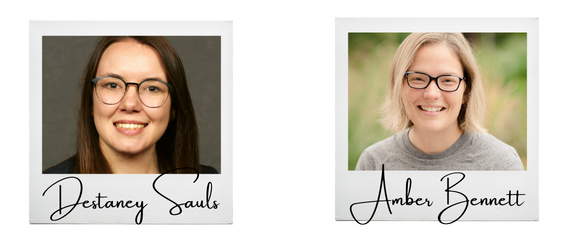
This August, CLS welcomed Destaney Sauls, visiting assistant teaching professor from Oakland University. Destaney’s research interests include ways that individual differences shape our interpersonal interactions. Specifically, her focus is on how personality traits (e.g., narcissism or narcissistic traits) shape and are shaped by different sustained interpersonal interactions (e.g., platonic friendships). With over 30 journal articles and conference presentations on the subject of narcissism and social connection, we tapped into Sauls’ knowledge on the subject in the days leading up to October—Mental Health Awareness month. 

Joining us in the conversation is Amber Bennett, CLS adjunct assistant professor. Amber is a licensed master social worker in the State of Michigan and a mental health professional at the Copper Country Intermediate School District. Her teaching experience includes Psychology of Trauma and Abnormal Psychology.
Now let’s jump in . . .

[Sauls]

Q. From your research experience, what have you found is the connection between friendship, social interaction and overall health and well being, and why should we be aware of its significance? 

A. I think it is pretty easy to overlook our friends and how important they can be. We have quite a lot of friends over the course of our lives, but their rules and their roles, even how they start and how they end, tend to be a lot less clearly defined than in other kinds of relationships. I actually think we might be unappreciative of our friends, simply because we have so many! I think that tends to make them a little less “flashy” than other kinds of relationships, even though they are just as important. 

From an evolutionary perspective, friendships don’t always make a ton of sense – why are we so inclined to invest significant amounts of time and resources into a relationship with someone we’re not related to, when we’re not clearly getting something out of it?

But it’s the fact that it doesn’t make sense to invest in an unimportant relationship that means that friendships have to be important. But it probably isn’t one single thing that makes our friends important – it’s the combination of benefits. 

Friends do provide a lot of tangible benefits – they provide support when we need it, whether that be emotional, mental, or physical. People with good friends typically have better outcomes – they’re happier, more stable, and in some cases even physically healthier. Some work even suggests that people with good friends might have better immune systems and better life expectancy. Our friends make us feel good, and they really seem to be good for us in a lot of ways. 

But unfortunately, the opposite is also true. A lack of friends, or a lack of social connections, appears to be really detrimental, especially for our own sense of mental well-being. We knew this, of course, but it became really obvious in the Covid-19 pandemic when we really needed to be more isolated from each other. If you look up “social isolation” you will probably find a lot of articles talking about the Covid-19 pandemic and the well-being of isolated people. They’ll talk about protective factors – for example, things like physical exercise seemed to lessen the impact of being cut off from our social relationships, but the conclusion seems to be that social isolation is extremely detrimental, especially to our mental health. Even being isolated for as little as a couple of weeks seemed to impact our mental health in some pretty harsh ways. Friends, and social connections generally, are really good for your health, but I would be remiss not to mention how detrimental a lack of these relationships may be. 

Q. What do you feel is the definition of friendship?

A. This is actually a somewhat complicated question! In the world of research, it is important to have a clear definition of different terms, but the problem with a word like “friendship” is that it can be so personal – so easily influenced by our experiences and personal perspectives. Hruschka, who has contributed some really interesting ideas to the friendship literature, defined friendships as “long-term relationships of mutual affection and support”. For the purposes of my own research, I typically say something long-winded and specific about what a friend is, like “a friend should be defined as someone with which we share a close, platonic, pleasant, sustained, and voluntary relationship – and someone to whom we may be consistently loyal or committed”. That’s definitely a mouthful just to say what a friend is! But you have to be specific in research – what I really think is important is that “voluntary” piece of the relationship. Friendships are special, and I think a big part of that is that you choose your friends. Why did you choose them? Because you love them. I don’t know if it always has to be more complicated than that.    

Q. What are some indicators that a friend may have narcissistic traits?

A. Narcissistic individuals tend to believe they are the most “special” person in a room, and depending on the “kind” of narcissism, this can mean they are going to try and convince their friends to lift them up, or they are going to try and tear their friends down. Either way, narcissistic individuals in a friendship tend to be trying to get something out of it. They prefer friendships that offer avenues to things like power, or influence. But the good news is that most of the time, it does look like the people they are interacting with do get a sense of something being “not quite right” and they do tend to react accordingly. 

Q. How can a friendship with a narcissist affect our mental well-being?

A. Friendships with narcissistic individuals tend not to end well. They are often very charming at first, but some research suggests it only takes a handful of short meetings for their interaction partners to begin to dislike them. It’s possible this is at least partly because of how the narcissistic individual acts in the relationship – they tend to try and boost themselves up, and this can often mean they derogate others, or engage in inappropriate self-promotion, or even become aggressive when they feel that their status is threatened. For the vast majority of people, friendships with narcissistic individuals probably end fairly quickly, likely because these friendships tend to be fairly unpleasant. 

Interestingly, the people who might get along with a narcissistic individual the best might be other narcissistic individuals! Research around friendships suggests that we really like friends who are similar to us, even in terms of personality traits like narcissistic traits. They appear to recognize, at least on some level, the similarity in their traits and are able to at least tolerate them.

Q. How is social media influencing our social connections and friendships?

A. I actually think social media use is unfairly stigmatized, especially for younger generations. We can’t really expect something like friendships on social media to behave in exactly the same way that friendship might in real life, but I don’t think this necessarily makes them “bad” or “less than” in-person friendships. There are some issues with social media – it is pretty easy to curate an image online that is very different from who you actually are, and it is even easier to add “friends” that you have no real connection to. 

However, there is also a good chance that social media presents unique opportunities to connect with people in a way that we don’t really fully understand. The Internet and social media are still so new in terms of our evolutionary history that we just don’t really know how they are going to impact us in the long run, but the fact of the matter is they are probably here to stay. I think instead of villainizing social media and the Internet, we should instead recognize it for the tool that it is. Is every friendship online going to be absolutely worthwhile, or even comparable to in-person friendships? Maybe not! But at least some of them might be.

Some researchers have argued that social media is simply changing the way we form social networks, but it is not necessarily making them worse – there does appear to be an upper limit to how many meaningful social relationships we can maintain, and that appears to be about 100 to 150. Social media isn’t going to change that, but what it has changed is the sheer amount of options that we have for those social connections. Historically, we have been pretty limited in our options for social relationships simply because we needed a certain amount of physical proximity. Now, if you want to have a best friend that lives on the other side of the world, it is pretty easy to do so. Some work suggests that this might be leading to a kind of “customized sociality” where there is more of an individualized social network centered around the individual.

It’s easy to see social media and think it has a lot of “cheap” or “shallow” relationships, and to a certain extent that might even be true. But it certainly is not all that social media and friendships can be, and I think this is really a tool that we need to be making the most of. And that will probably start with a focus on the quality of our online relationships, which can be difficult when we are so often focused on the quantity. 

Q. How can we take our relationships to the next level? What tips would you like to share for forming and keeping healthy friendships/relationships?

A. As adults, we probably need to dedicate more time to the maintenance of our friendships. Friendships, especially their beginning and end, can be “fuzzy”. This makes the consequences of not putting work into your friendships hard to spot, even though there are definitely consequences. Sometimes it is difficult to dedicate resources to those friendships that are worth maintaining, while letting go of those that just aren’t. In the research world, you’ll hear people refer to “tend and befriend” – if we want to really foster good relationships, it is incredibly important that we don’t neglect that “tend” part. In the busy chaos of our everyday lives, it can be easy to think that the message you’ve been meaning to send to your friend but haven’t quite gotten to it yet isn’t a big deal. But the little things might be more important than you realize, because suddenly you might look up and realize you haven’t spoken to that friend in a year. Put work into your friends. Especially the people who love you enough to put work into you.

Q. How can a person find and make new friends as an adult?

A. It can be really difficult to make good friends, especially as an adult. When we’re younger, we tend to have a lot more “ready made” friend groups – our classes, our teams, etc. When we get older, those easy friendships tend to be harder to come by, but unfortunately our friendships don’t become any less important. I think the best advice that I can give is to find people who have similar interests and try to build a relationship step-by-step. Don’t force it – that’s when things get a little uncomfortable. But trust yourself. You’ve made friends before, you have friends now, and you know what kind of friends you like even if you don’t really think about it that explicitly most of the time. Be open to friendships, and I would say to even pursue them and put work into them. Let them form naturally and those will be your best relationships. Find reasons to interact with people – especially reasons that you enjoy, like a hobby, etc. – the rest will work itself out.

[Bennett]

Q. Some say our experiences of connection or disconnection are deterministic—predicted by our previous experiences of connection. How does our personal baggage affect our relationships?

A. Human connection is a fundamental aspect of our health, well-being, and overall quality of life. While there are documented cases of individuals who live in solitude, as humans we are hard-wired to seek out companionship. In fact, interacting with others is inherent to our ability to survive – physically, socially, and emotionally. It may seem as though relationships should be easy by virtue of them being so critical to our existence. Yet, I would argue that interacting with others is amongst the most challenging aspects of our daily lives. Relationships are hard because they are complicated. We are not simple creatures, and we tend to bring the history of our past relationships into our current ones. 

Our sense of belonging and connection – or relationship – with those around us is largely influenced by our history of bonding with our primary caregivers and then later in life by experiences with our peers. Yet, these experiences are not always positive or healthy representations of relationships. These early memories influence our conceptualization of connection and often lead to similar behaviors with others as we grow and mature. In order to shift to a healthier approach we must recognize what was first modeled for us, be aware of what we have experienced within our own history of connection with others, and be willing to take ownership of and action in shifting the role we play in our current relationships. Again, easier said than done. However, setting healthy boundaries for ourselves, establishing open and honest communication, and remaining our authentic selves can set the stage for improving our connections with others.


This story has been written in recognition of World Mental Health Day, October 10, 2022. The faculty and staff of Cognitive and Learning Sciences at Michigan Tech extends compassion to all who have experienced the darkness of mental health issues, whether it be with ourselves or through our loved ones. Let’s shine our light on the subject. Let’s find and use the tools we have available—even if it is just our own breath, or a friendly smile. Let’s “Make mental health for all a global priority”.

Resources shared by Amber Bennett

Films

Brené Brown: The Call to Courage (2019) available on Netflix

Podcasts (links in Spotify)

On Purpose with Jay Shetty

Super Soul with Oprah Winfrey

Ten Percent Happier with Dan Harris

Unlocking Us with Brené Brown

We Can Do Hard Things with Glennon Doyle

Books

I Thought It Was Just Me (but it isn’t): Making the Journey from What Will People Think to I Am Enough (2007) by Brené Brown

Daring Greatly (2012) Brené Brown

Braving the Wilderness (2017) by Brené Brown

Untamed (2020) by Glennon Doyle

University resources

Center for Student Mental Health and Well-being

www.myssp.app

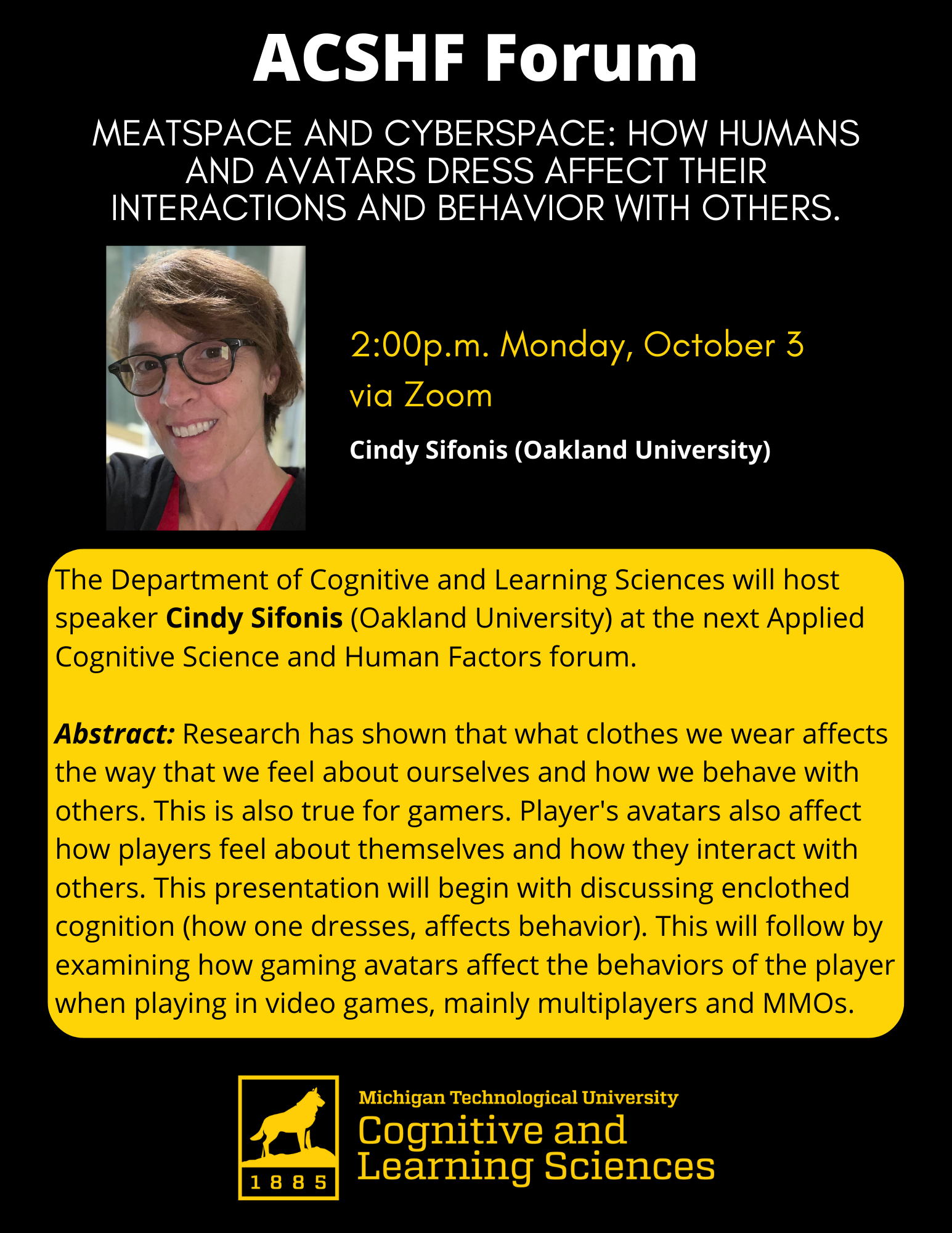
ACSHF Forum: Cindy Sifonis

The Department of Cognitive and Learning Sciences will host speaker Cindy Sifonis (Oakland University) at the next Applied Cognitive Science and Human Factors forum. The presentation, “Meatspace and Cyberspace: How humans and avatars dress affect their interactions and behavior with others.”, will be from 2:00 to 3:00 p.m. Monday (October 3) via Zoom.

Abstract: Research has shown that what clothes we wear affects the way that we feel about ourselves and how we behave with others. This is also true for gamers. Player’s avatars also affect how players feel about themselves and how they interact with others. This presentation will begin with discussing enclothed cognition (how one dresses, affects behavior). This will follow by examining how gaming avatars affect the behaviors of the player when playing in video games, mainly multiplayers and MMOs.

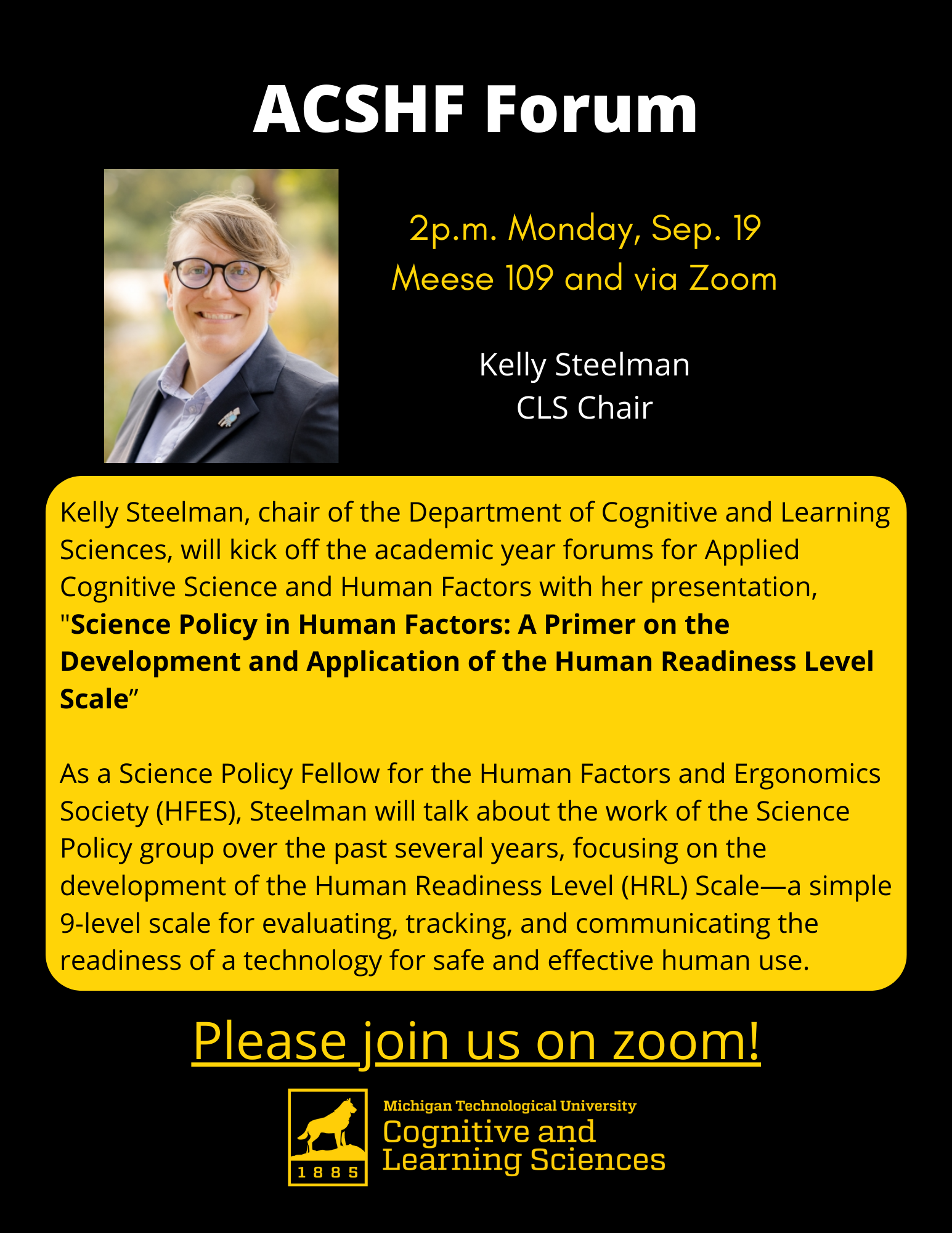
ACSHF Forum: Kelly Steelman, CLS chair

Kelly Steelman, chair of the Department of Cognitive and Learning Sciences will kick off the academic year forums for Applied Cognitive Science and Human Factors with her presentation, “Science Policy in Human Factors: A Primer on the Development and Application of the Human Readiness Level Scale”, from 2:00 to 3:00 p.m. Monday (September 19) in Meese 109 and via Zoom.

As a Science Policy Fellow for the Human Factors and Ergonomics Society (HFES), Steelman will talk about the work of the Science Policy group over the past several years, focusing on the development of the Human Readiness Level (HRL) Scale—a simple 9-level scale for evaluating, tracking,and communicating the readiness of a technology for safe and effective human use.

Complete abstract:
In 2019, Dr. Kelly Steelman was selected as a Science Policy Fellow for the Human Factors and Ergonomics Society. In this presentation, Steelman will talk about the work of the Science Policy group over the past several years, focusing on the development of the Human Readiness Level (HRL) Scale—a simple 9-level scale for evaluating, tracking, and communicating the readiness of a technology for safe and effective human use. It is modeled after the well-established Technology Readiness Level (TRL) framework that is used throughout the government and industry to communicate the maturity of a technology and to support decision making about technology acquisition. The HRL scale is defined in the ANSI/HFES 400-2021 Standard and is currently being socialized throughout the government, Department of Defense,  and industry.
Dr. Steelman will discuss the promise of the HRL Scale and associated standard as tools for increasing awareness of the field of human factors and for establishing requirements for human-systems evaluation—and the involvement of human-systems experts—throughout the development lifecycle.

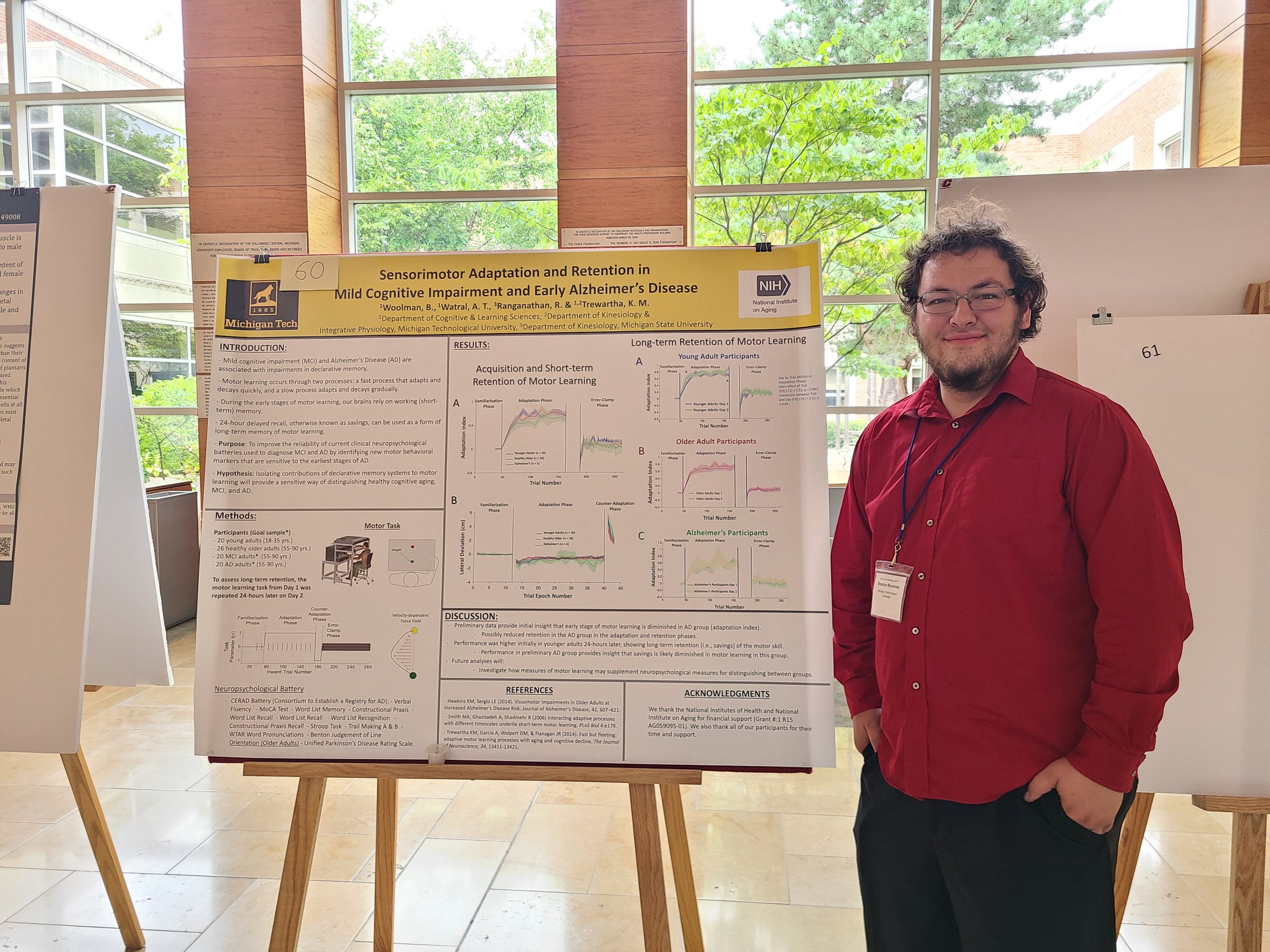
Brandon Woolman presents research findings at MI Society for Neuroscience

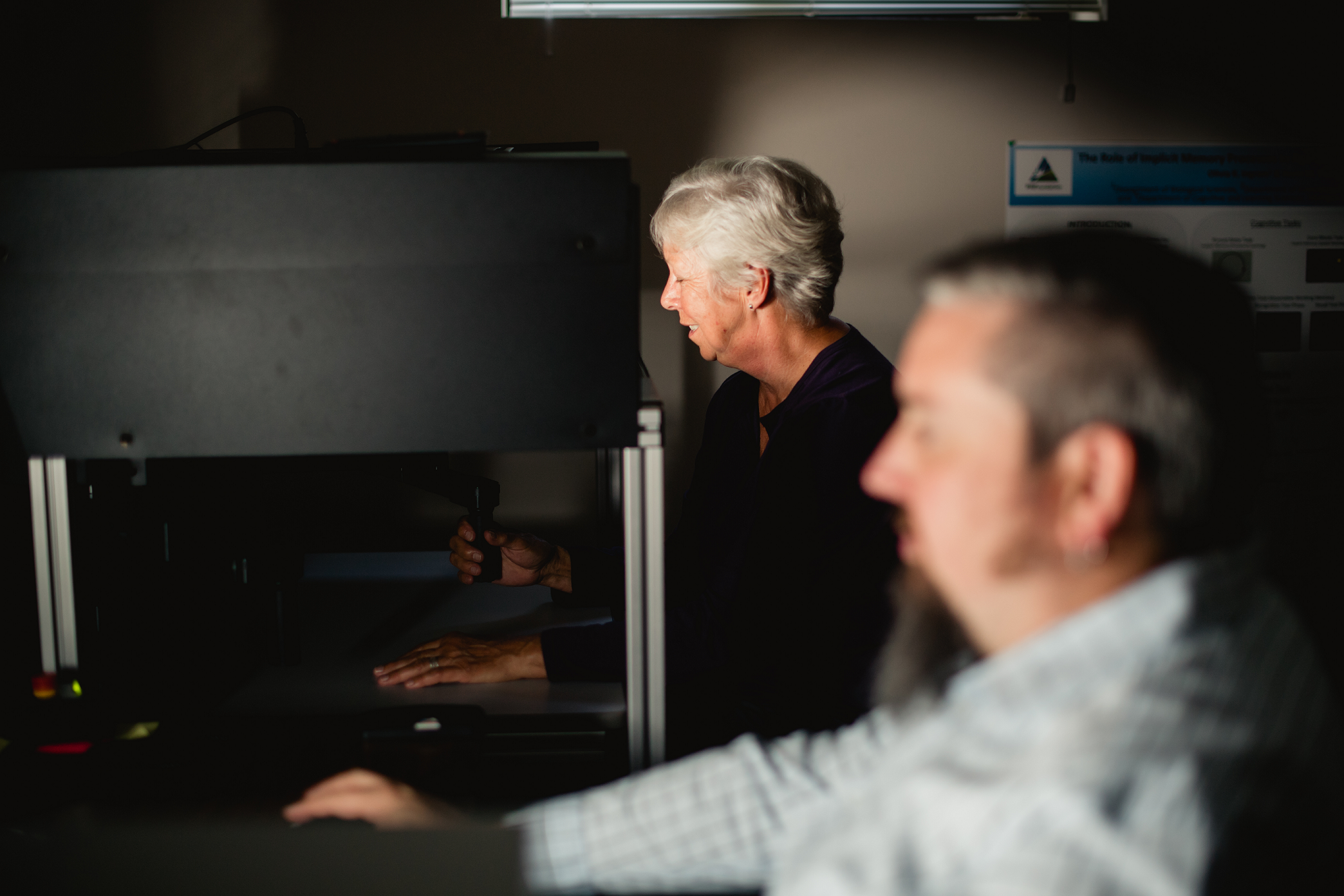
Applied Cognitive Science and Human Factors (ACSHF) MS student Brandon Woolman presented his team’s research findings during the Michigan Chapter Society for Neuroscience at Central Michigan University on August 20.

Woolman’s, along with teammates Alexandra Watral (ACSHF PhD candidate), Rajiv Ranganathan (Kinesiology, Michigan State University), and advisor Dr. Kevin Trewartha, research titled “Sensorimotor Adaptation and Retention in Mild Cognitive Impairment and Early Alzheimer’s Disease,” is made possible by grant funding from the National Institute on Aging (NIH).

The study included preliminary data from participants diagnosed with the early stages of Alzheimer’s Disease (AD), and control groups of cognitively healthy older and younger adults. All of which performed a force-field adaption task using a specialized robotic device (KINARM). The team investigated whether the early stages of motor learning are affected by early AD, and whether those patients exhibit additional impairments in short-term (i.e., within the testing session) and long-term retention (after a 24-hour delay) of a newly acquired motor skill.

Participants were instructed to reach for visual targets, and while their arms moved, the robot would apply a velocity-dependent force perpendicular to the direction of the target. The mechanical load hinders smooth movements toward the target, but over time participants
adapt by applying forces to counter the load. Short-term retention of force-field adaption was assessed in a final block of trials on Day 1. Participants returned a day later to perform the same motor task to assess long-term skill retention over a 24-hour delay.

The work aims to determine whether acquisition, short- and long-term retention measures in a motor learning task, can identify differences between early AD and healthy aging. Measuring these differences could aid in the diagnosis of Alzheimer’s Disease in its earliest stages.

For more information and details on related research, see Dr. Trewartha’s Aging Cognition Action Lab website.

Brittany Nelson and the Summer Institute on Bounded Rationality

ACSHF PhD student Brittany Nelson (bottom left) at the Max Planck Institute for Human Development in Berlin, Germany

Summer is a time for adventure and learning. ACSHF PhD student Brittany Nelson earned her spot to experience both as the recipient of a 2022 Summer Institute on Bounded Rationality scholarship.

The program offers a forum for young scholars from around the world in various disciplines to share their approaches, discuss their research, and inspire each other. This year’s Summer Institute took place June 14 – 22, at the Max Planck Institute for Human Development in Berlin, Germany. Brittany shares her experience with us here.


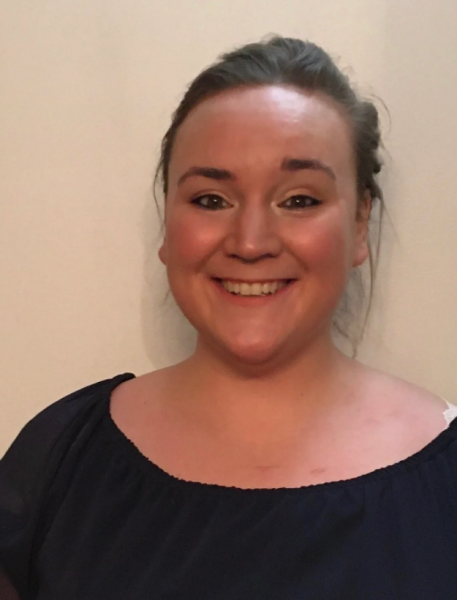
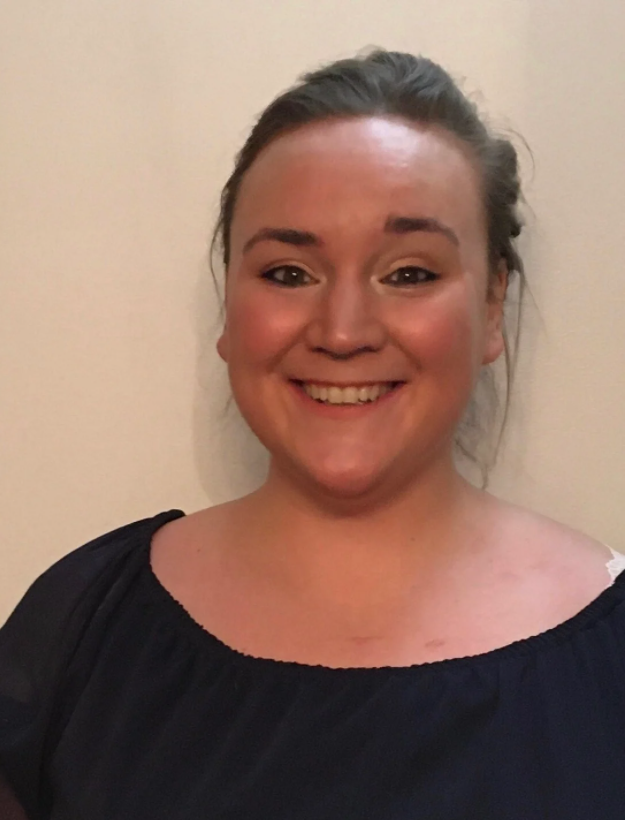
Photo of Brittany Nelson

I’m very grateful to have attended the Max Planck Summer Institute on Bounded Rationality in Berlin, Germany. I heard from some of the best researchers in the world who study decision making (e.g., Dr. Gerd Gigerenzer and Dr. Ralph Hertwig). While there I developed and refined new research ideas, created a professional network with excellent graduate student researchers, learned new methodologies from interdisciplinary fields, and refined my presentation skills in front of leading experts! On the last day I heard an inspiring talk from Dr. Naomi Oreskes who discussed the responsibility of scientists to disseminate our science within our society. I really enjoyed my time there and am significantly better researcher for it. [Hear Dr. Oreskes message in her Ted Talk below.]

Brittany was also awarded a King-Chávez-Parks (KCP) Future Faculty Fellowship this past spring in support of her doctoral studies. Under the advisement of Dr. Erich Petushek, her current Ph.D. research involves identifying, measuring, and improving key factors that impact healthy lifestyle decisions.

For more CLS summer adventures and the latest happenings, follow us on Instagram @clsmtu and like us on Facebook.

Measuring Changes in Motor Learning Outside the Laboratory

The Aging, Cognition, and Action Lab in CLS is currently investigating the validity of a new web-based application for measuring changes in motor learning that occur in healthy aging and Parkinson’s disease. Traditional laboratory approaches to measuring motor learning impose barriers to accessibility for many participants, while few options for portable devices such as smartphones and tablets have been developed. An effective web-based approach would allow testing to occur remotely, improving the reach to multiple populations of interest.

As a part of their investigative research, Dr. Kevin Trewartha and his team are seeking healthy older adults to participate in the study, as well as those diagnosed with Parkinson’s disease. Interested participants are otherwise free from medical conditions that affect movement besides Parkinson’s disease, are between the ages of 60 and 90, and are familiar with computers and how to use them. Participants should also be free from other medical conditions that impair cognitive function.

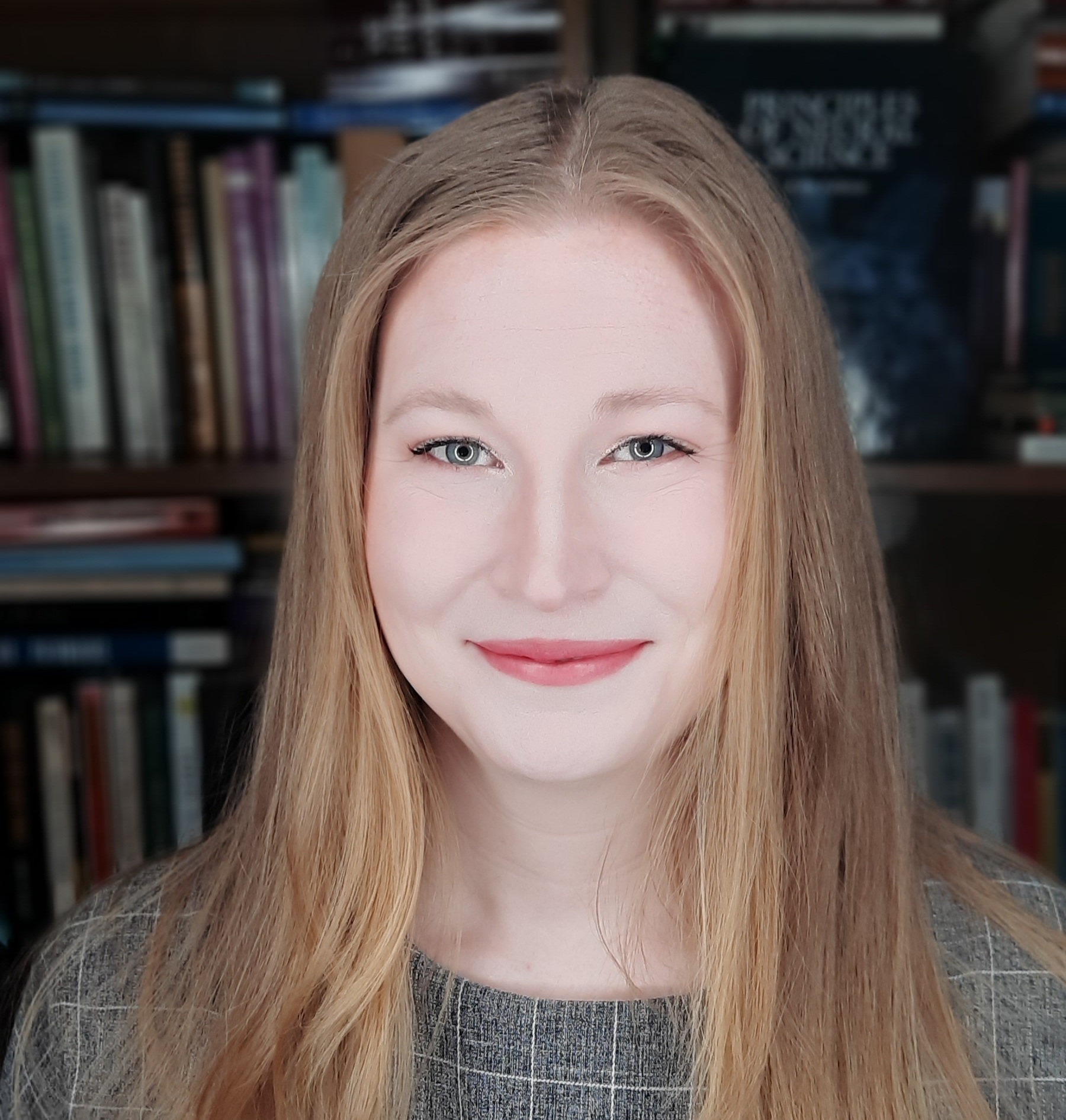
Photo of PhD student Alexandra Watral

The research is spearheaded by ACSHF PhD student Alexandra Watral who received a Songer Research Award for this project. This award is funded through a generous donation from MTU alumni Matthew Songer, (Biological Sciences ’79) and Laura Songer (Biological Sciences ’80) to the College of Sciences and Arts.

For more information or to see if you qualify for the study, contact the Aging, Cognition and Action Lab at 906-487 2378.

Assessing the validity of an online assessment of motor learning, Alexandra Watral, 2022

Q&A with Teaching Award Winner Briana Bettin

Briana Bettin is the recipient of Michigan Technological University’s 2022 Distinguished Teaching Award in the Teaching Professor/Professor of Practice/Assistant Professor category.

My goal is not just that students know how to code — you can find coding tutorials anywhere that give you raw “stuff.” I want to help them validate whether they understand what code does and whether they can communicate about code with others and justify their decisions while programming. I also ensure that students recognize, even if we aren’t building big systems for people just yet while we learn these foundations, that code is powerful and comes with responsibility, that there are social impacts to what they program and that computer scientists are often the least likely to recognize how impactful to society their job can be. These skills and this awareness are what job recruiters look for in the modern market. They are also valuable even for those who won’t go on to become programmers.

Briana Bettin

For complete Q&A with CLS / CS assistant professor Briana Bettin, see Michigan Tech News.

Student Spotlight: Warat “Pomm” Khaewratana

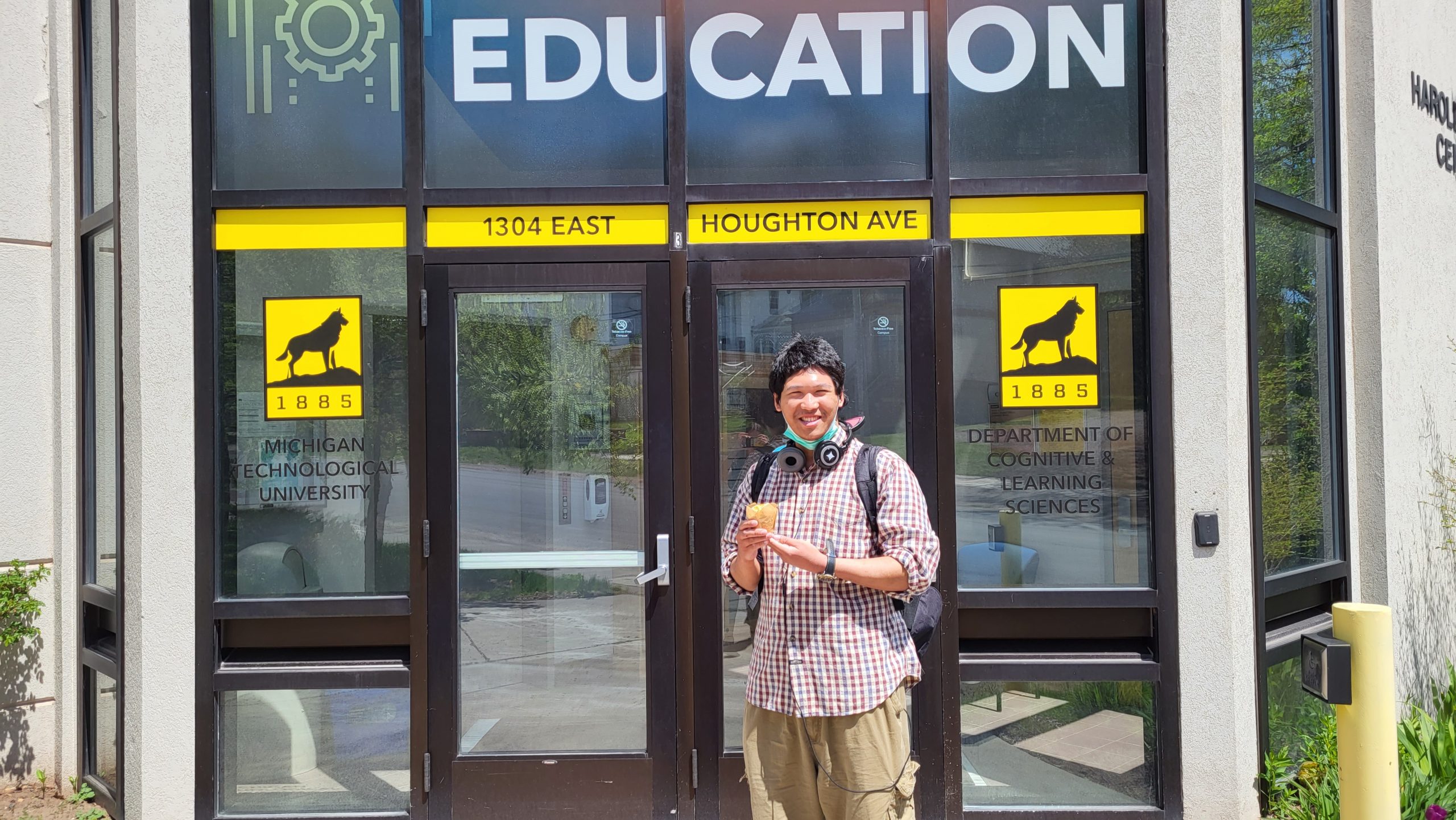
CLS congratulates its most recent PhD recipient, Warat “Pomm” Khaewratana. 

Dr. Khaewratana successfully completed his dissertation, “Word games for education: Investigating the effectiveness of adding elaboration tasks to crosswords for learning technical vocabulary,” in May 2022.

Receiving a Royal Thai Scholarship to study in the United States, Pomm set out to help resolve the problem regarding a lack of skilled laborers in Thailand’s workforce. His motivation was to create effective and innovative workers with knowledge in the latest technology and skills obtained through specialized training and curriculum. He began his graduate studies at Rochester Institute of Technology (RIT), New York, and earned the degree Master of Science in Manufacturing and Mechanical Systems Integration before arriving at Michigan Tech. 

Pomm was accepted to the Applied Cognitive Science and Human Factors (ACSHF) PhD program in Fall 2018. He focused his doctoral research on the challenge in STEM education to not only memorize technical terms but learn and remember how to apply them in practice. He examined the gaming technique of crossword puzzles combined with strategies to enhance memory for training technical information. See dissertation abstract below for more information regarding this research.

Abstract: One challenge in STEM education is the learning of technical terms. In order to reason about higher-order scientific concepts, knowledge of technical vocabulary is often a prerequisite. Improving the knowledge may enhance learning of higher-order concepts because it reduces cognitive load students experience while learning. To that end, we need innovative learning-aid tools that help students not only in learning and remembering technical terms but also in applying the learned knowledge in broader concepts. This dissertation investigates the hypothesis that learning gain from crossword solving can be used to teach technical terms. Furthermore, I am also examining the hypothesis that an additional elaboration technique will enhance the effect of the crossword puzzle. In a series of seven experiments, I investigated the effect of crossword with add-on elaboration on students’ ability to retain memory of learned technical terms and to provide more in-depth explanations of those terms. Across experiments, I investigated (a) three different types of elaboration technique, (b) collaboration vs. individual participation, (c) in-person vs. online training, and (d) short vs. long delay. Across experimental variations, results indicated that using a crossword alone produced a statistically significant learning effect relative to a control condition. Although adding structured elaboration did provide benefits when added to crossword-based study, the results were mixed where additional time was given to crossword, and different elaboration techniques did not provide specific enhancement on memory retention. Implications for theoretical perspectives on learning technical vocabulary and best practices to implement crossword in educational settings are discussed.

Pomm will join Rajamangala University of Technology Lanna in Chiang Mai, Thailand as a teaching professor as part of the Royal Thai Government fully-funded international scholarship agreement. 

Pomm says the best memory of his time at Michigan Tech were all the group activities provided by Graduate Student Government (GSG), CLS department socials, and other university events. “I was able to try new things that I may not have gotten the chance to do on my own. Or if I did, it would not have been the same as experiencing it with others,” he explains. 

He also gave special thanks to his Co-advisors Elizabeth (Beth) Veinott and Shane Mueller, committee members (Shari Stockero, Amanda Gonczi, and Qian Zhang), colleagues, CLS staff, and chair Kelly Steelman. In closing, Pomm stated “I am who I am now because of them. Graduate student life can be very challenging. These people have helped me to succeed and prepare for my future.”

######

Special shout out to colleagues Isaac and Stephanie Flint, Thomas Offer-Westort, Kaitlyn Roose, Anne Linja, Lamia Alam, and Shruti Amre.

Mental Health Awareness Month

Mental health refers to our emotional and social well-being and impacts how we think, feel, and behave. It enables us to connect with others, make decisions, handle stress, and many other aspects of daily life. As with our physical health, mental health plays a big role in our overall well-being. But unlike general physical illness or injury, it can be more difficult to recognize when someone is struggling with a mental health issue. 

Since September 2020, approximately 56 Michigan Tech faculty and staff have been trained and certified to recognize signs and symptoms, and provide support and strategies to those in need. This is all thanks to the National Council for Behavioral Health (NCBH) and Mental Health First Aid training provided by the Center for Student Mental Health and Well-being. The training, led by Sarah Dowd, Director of Student-Athlete Wellness and Clinical Counselor, and Sarah Woodruff, Clinical Counselor-Outreach, follows a hybrid model with several hours of pre and post-work and two half-day sessions of in-person instruction. The content focuses on the ALGEE plan: Approach/Access, Listen nonjudgmentally, Give reassurance and information, Encourage appropriate professional help, and Encourage self-help and other support strategies. 

Several faculty and staff from Cognitive and Learning Sciences (CLS) now join those certified as part of the most recent cohort trained this May.

Associate Professor Kevin Trewartha (CLS/KIP) describes his reasons for completing the training. “I have multiple roles on campus that motivated me to complete the Mental Health First Aid training. Aside from engaging with students every day as a faculty member, graduate program director, and research advisor, I am also serving as the co-chair of the University Senate Committee on Promoting and Facilitating Equity and Understanding. In addition, I am also the faculty representative for the College of Sciences and Arts on the University Diversity Council. This year, the Senate passed a resolution on raising awareness and reducing mental health stigma. The Senate and the Diversity Council are dedicated to ensuring that individuals living with mental illness are supported and welcomed at Michigan Tech. I completed the MHFA to ensure that I am prepared to contribute to those efforts.” 

Staff also play an important role in mental health support. “As CLS department coordinator and graduate program assistant, I interact with students, faculty, and staff for a variety of purposes on a daily basis,” Lisa Hitch explains of her participation in the recent MHFA training and certification. “I want to be knowledgeable about identifying and helping someone in need. I’m grateful that Michigan Tech values and provides such training for faculty and staff.”

MHFA as common as CPR

The National Survey on Drug Use and Health, administered by Substance Abuse and Mental Health Services Administration (SAMHSA), shows that in 2018 an estimated 46.6 million people, or 18.9 percent of adults ages 18 years or older, experience a mental illness or substance abuse disorder each year. Latest research now estimates that more than 1 in 4 U.S. adults report experiencing symptoms of depression as we continue to deal with the fallout of the COVID-19 pandemic. The vision of the NCBH is for Mental Health First Aid to become as common as CPR and for Mental Health First Aid training to be available to everyone in the United States. 

The MHFA training also teaches first aiders the importance of self care — putting on your own oxygen mask first so that you are able to assist others. SAMHSA has defined eight dimensions of wellness to help individuals focus on optimizing their health through emotional, spiritual, intellectual, physical, environmental, financial, occupational, and social components. (https://store.samhsa.gov/sites/default/files/d7/priv/sma16-4958.pdf). This is helpful information we can all use to support our overall wellness.

Michigan Tech’s Center for Student Mental Health and Well-being offers the Mental Health First Aid training each semester with the next available session sometime this fall. Certification is valid for three years upon successful exam completion. 

Sources: https://www.mhanational.org/mental-health-month; https://www.samhsa.gov/; https://www.mentalhealthfirstaid.org/news-and-updates/; https://www.medicalnewstoday.com/articles/us-cases-of-depression-have-tripled-during-the-covid-19-pandemic

Resources:

https://www.mtu.edu/well-being/

https://www.mtu.edu/deanofstudents/students/resources/

https://www.mtu.edu/well-being/for-students/services/individual-therapy/wellbeing-guide.pdf

Mental Health First Aid

ACSHF Forum: Grad Student Presentations

The Department of Cognitive and Learning Sciences will host ACSHF PhD Students Tauseef Ibne Mamun and Brittany Nelson at the next Applied Cognitive Science and Human Factors forum. Their presentations will be from 2:00 to 3:00 p.m. Monday (April 18) in Meese 109 and via Zoom.

Tauseef Ibne Mamun
Connected Vehicle Field Study: Outcomes and Challenges
Abstract: Poor driver decision-making continues to be a challenge at Highway-Rail Grade Crossings (HRGC). One way to improve safety has been to introduce a new, in-vehicle warning system that communicates with the external HRGC warning systems. The system gives drivers different rail-crossing-related warnings (e.g., approaching crossing, train presence) depending on the vehicle location. In a rare field study, 15 experienced drivers drove a connected vehicle (Chevy Volt) and used the warning system on a 12-mile loop, then completed a semi-structured interview and usability survey. Results from the post-drive survey and interview are reported and provide a template for future usability assessments for field studies involving new technologies.

Brittany Nelson
Identifying Healthy Lifestyle Knowledge Gaps Among Medical and Non-medical Students
Abstract: Across the US, chronic illnesses including cancer and cardiovascular disease are a result of poor lifestyle decisions such as diet, tobacco/alcohol use, and physical inactivity. Data suggests that previous interventions lack effectiveness for impacting lifestyle decisions, particularly long term. One reason why individuals continue to engage in unhealthy behaviors may be due to gaps in understanding that are not currently filled by previously developed interventions. To the extent individuals are informed of the risks/benefits of key health behaviors and the tools valuable for overcoming challenges associated with engaging/quitting those behaviors then people are more equipped to make decisions that are in-line with their goals and values. Little information exists on what informational gaps people hold. Therefore, the objective of this study was two-fold. First, it was designed to measure how calibrated medical and non-medical students are on the relation between lifestyle behaviors and their risk of major diseases. Second, this study was designed to identify informational gaps that impact perceived challenges of engaging in healthier lifestyle behaviors. Data from medical (N = 128) and non-medical (N = 24) students suggests they hold insufficient knowledge regarding the relation between lifestyle behaviors and risk of health outcomes. The most commonly reported barriers across non-dietary behaviors were time 39%, lack of motivation 15%, and weather 9%. The most commonly reported barriers specific to eating behaviors were cost 26%, taste 21%, and food spoiling too quickly 10%. The results from this study have implications for future intervention design.