Author: Rukudzo Muripira

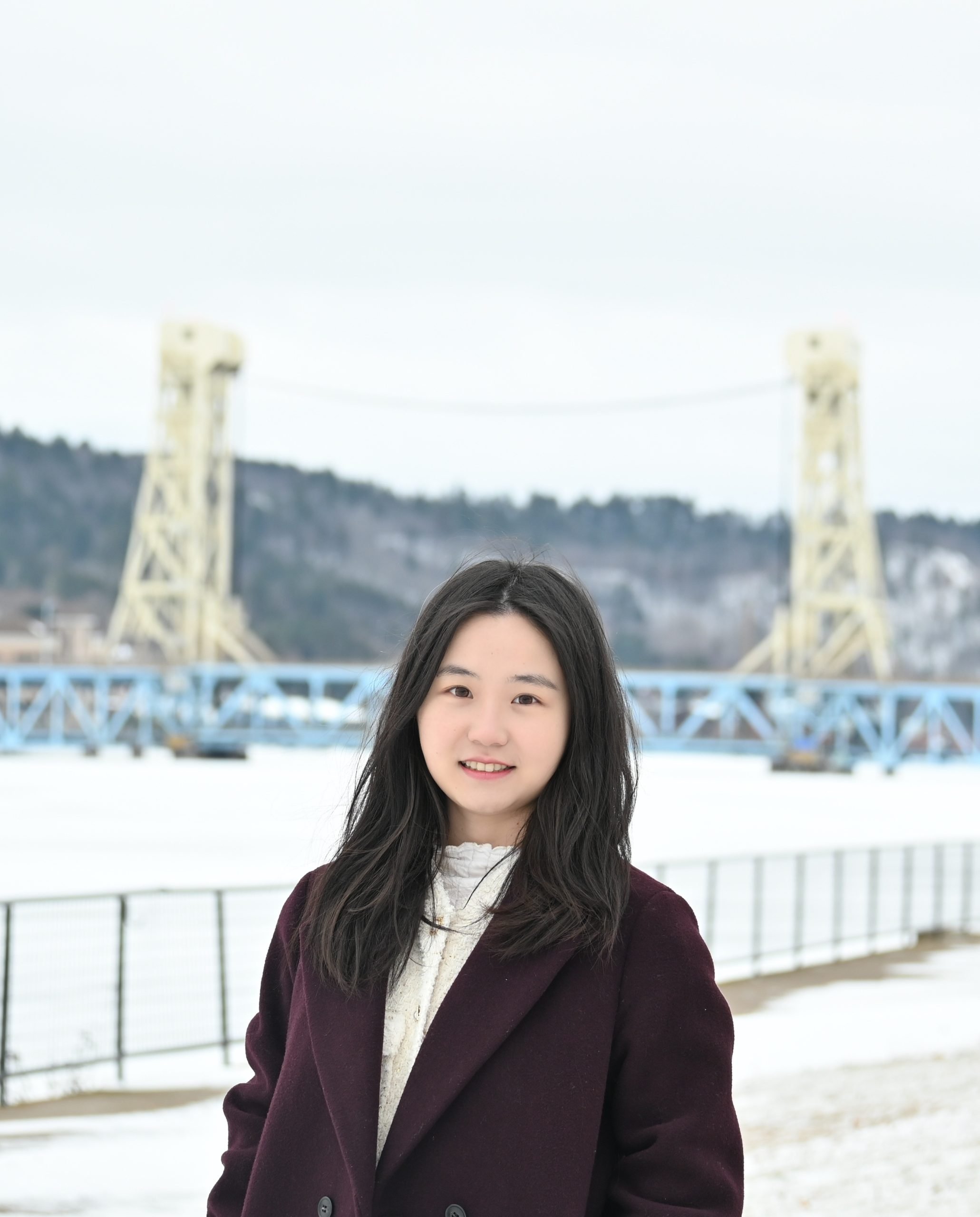
Finishing Fellowship Award – Spring 2026 – Andrew Robare

My journey at Michigan Tech started in 2012 when I earned a B.S. degree in Physics. In 2022, I started my PhD in Mechanical Engineering to apply my previous learning in Physics and Mechanical Engineering (M.S.).

My PhD research focuses on improving vehicle energy efficiency through Connected and Autonomous Vehicles (CAVs) technologies. The more knowledge the vehicle has about its environment and route, the better it can optimize its energy usage. For plug-in Hybrids, the decision of when to use the battery or fuel for propulsion can be optimized if the vehicle knows whether it will be entering or leaving a city. For Electric Vehicles, the decision on what route should be taken is informed by the true vehicle properties (passengers/cargo, external luggage) and available charging infrastructure. Through these technologies and others, our team achieved the 30% energy-saving goal in the NEXTCAR II project.

My PhD research has sent me on numerous trips for testing all around Michigan, along with trips for conferences across the country to discuss the project I am involved in. I have had the opportunity to work with partners at automotive companies and members of the Advanced Power Systems Research Center (APSRC).
As I finish my PhD, I am grateful to the Graduate Dean Awards Advisory Panel and the Dean for the opportunity that this fellowship provides. My sincere thanks to my co-advisors, Dr. Bo Chen and Dr. Jeffrey Naber, whose support and guidance have been invaluable. I look forward to applying all that I have learned at Michigan Tech in my future career in automotive research.

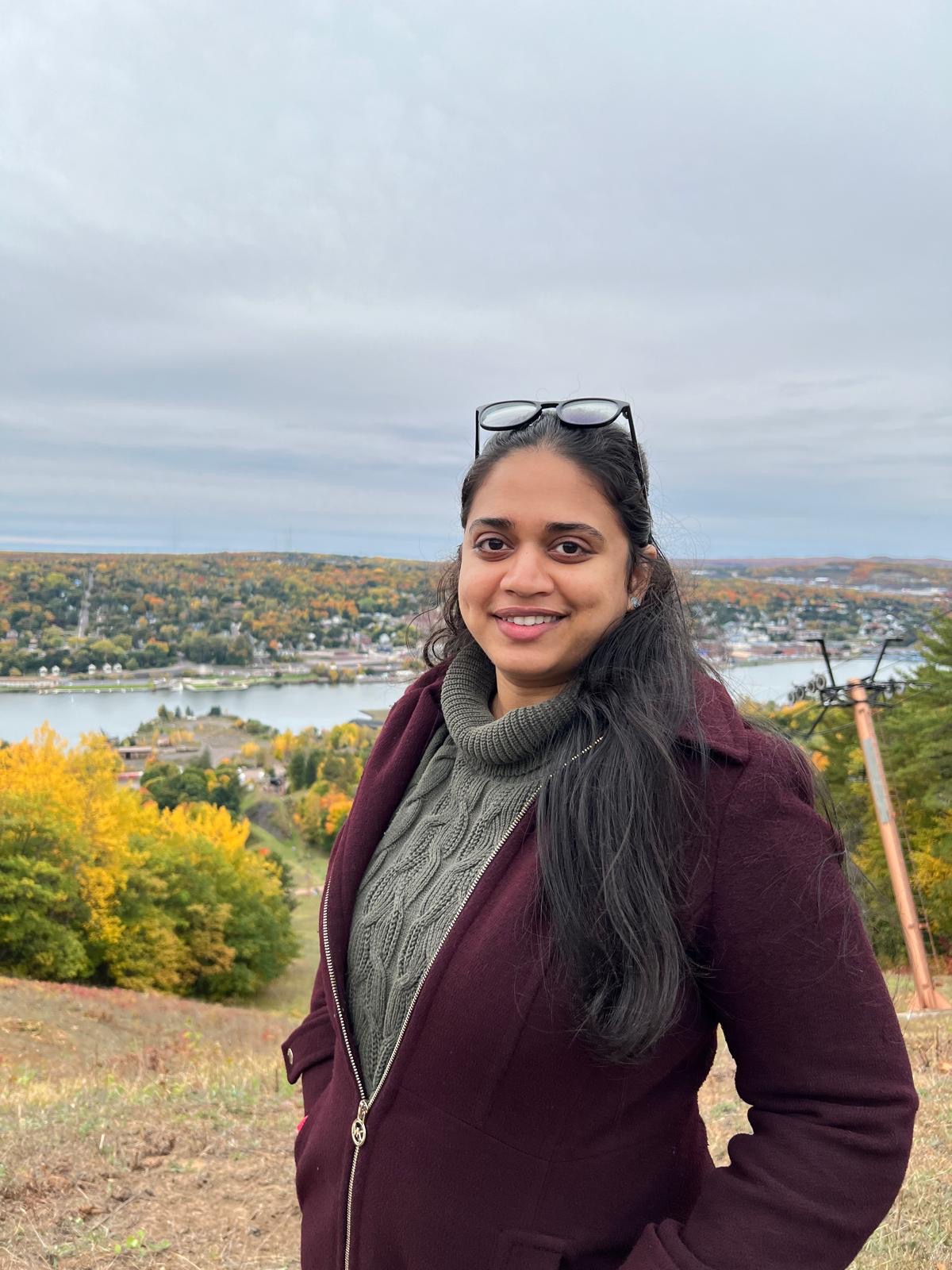
Finishing Fellowship Award – Spring 2026 – Vaishali Sharma

Sharma, Vaishali
Vaishali Sharma, PhD in Biological Sciences, 2026

From an early age, I was deeply fascinated by biology. Growing up, I witnessed how health challenges can affect individuals and families, which inspired me to pursue a path where I could contribute directly or indirectly to improving patients’ lives. That motivation has been the driving force behind my journey in science and research. Early in my academic career, I completed several internships at national research laboratories in India, followed by a semester-long internship at the South Dakota School of Mines in the United States. These experiences gave me a hands-on exposure to biological research and strengthened my passion for developing healthcare-related solutions.

Although I never considered myself an exceptional student, I have always carried an unwavering curiosity and determination to learn. Pursuing a PhD once felt like a distant dream, but today, as I stand on the threshold of completing it, that dream feels within reach. My doctoral research at Michigan Technological University, under the guidance of Dr. Caryn Heldt and Dr. Stephen Techtmann, focuses on understanding how viruses interact with antiviral materials and how these mechanisms can be harnessed to design safer, more effective antiviral technologies.

As I write this, I am completing a co-op at Regeneron Pharmaceuticals, where I am applying the skills and scientific mindset developed as a research assistant under Dr. Heldt and Dr. Techtmann to real-world biopharmaceutical research. This experience has been instrumental in bridging the gap between academic research and industrial application, deepening my appreciation for how fundamental science translates into tangible health solutions.

Throughout my PhD journey, I have been fortunate to represent Michigan Tech at an international workshop in France, present my research at scientific conferences, and collaborate with multidisciplinary teams. Each of these experiences has strengthened my confidence, broadened my perspective, and reaffirmed my passion for scientific discovery and innovation.

My time at Michigan Tech and in the Keweenaw Peninsula has been an incredibly rewarding chapter of my life. The opportunities, mentorship, and friendships I’ve found here have shaped me both personally and professionally. I am especially grateful to my advisors, Dr. Caryn Heldt and Dr. Stephen Techtmann, for their continued support, encouragement, and belief in my potential throughout this journey. I also extend my sincere thanks to the Graduate Dean Awards Advisory Panel for awarding me the Doctoral Finishing Fellowship, which will allow me to focus on completing my dissertation and taking the next steps toward my career goals. This recognition is truly meaningful and marks an important milestone in my lifelong goal of using science to help others.

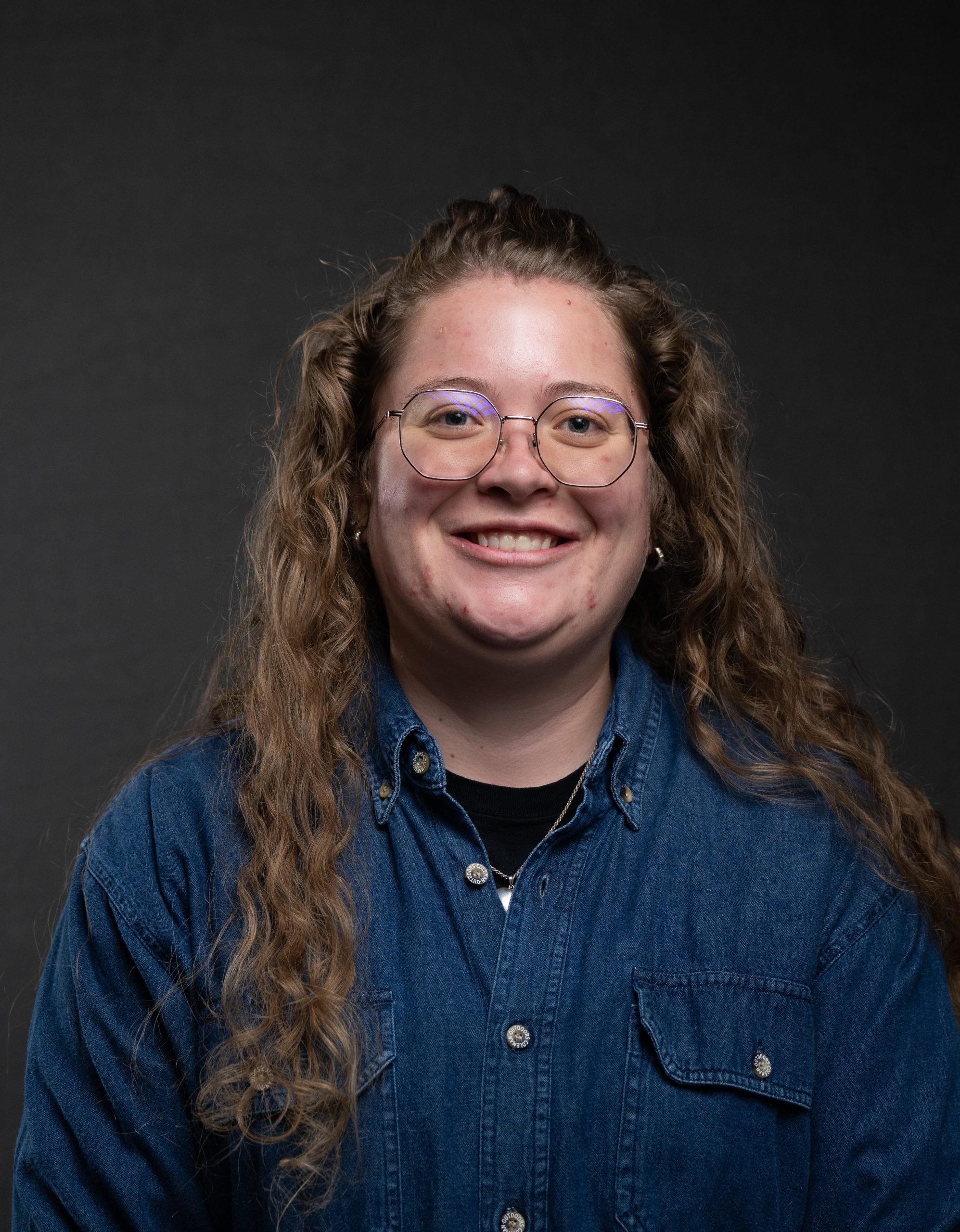
Finishing Fellowship Award – Spring 2026 – Adenike Olowolagba

Olowolagba, Adenike
Adenike Olowolagba, PhD in Chemistry, 2026

When I received my Ph.D. offer from Michigan Technological University, I was both excited and uncertain, having just been awarded another fully funded scholarship elsewhere. After reflecting on the research opportunities, mentorship, and environment that would best support my growth, I chose Michigan Tech, a decision that initially came with moments of doubt. Everyone had warned me about the cold, but no description could have prepared me for the first winter. During those early months, I sometimes wondered whether I had made the right choice. However, as I settled into my research group, connected with my advisor, and experienced the warmth and support of the Michigan Tech community, my uncertainty gave way to a deep sense of purpose and belonging. What began as a difficult decision has become one of the most rewarding experiences of my academic journey.

This growing sense of purpose translated into my research, which lies at the interface of chemistry and biology, focused on developing molecular tools for understanding disease mechanisms. My research centers on the design and synthesis of near-infrared fluorescent probes for detecting and monitoring key biomolecules in living systems. These probes help visualize complex biological processes such as enzyme activity, oxidative stress, and microenvironmental changes that are critical for early cancer detection and therapy. Working at the intersection of chemistry, biology, and imaging science has strengthened my creativity, problem-solving skills, and passion for translational research that bridges laboratory discovery with real-world health impact.

The journey has not been without challenges, but it has shaped me profoundly. My time at Michigan Tech has taught me resilience, perseverance, and adaptability. It has reminded me that meaningful science takes patience, collaboration, and curiosity. Above all, it has shown me the value of community—the mentors who guide, the colleagues who inspire, and the friends who make even the coldest days feel warm.

I am sincerely thankful to the Graduate School and the Graduate Dean Awards Advisory Panel for selecting me as a recipient of the Spring 2026 Finishing Fellowship. This fellowship gives me the opportunity to focus fully on my dissertation and complete this journey that began with uncertainty but has evolved into one of the most rewarding chapters of my life. I am especially grateful to my advisor, Dr. Haiying Liu, whose mentorship, patience, and constant encouragement have shaped both my scientific perspective and personal growth, and to the Department of Chemistry for its unwavering support.

Michigan Tech has offered far more than a place to study. It has been a community that nurtures innovation, resilience, and purpose. Through the challenges and triumphs of this Ph.D. journey, I have learned to approach science with persistence, creativity, and gratitude. Holding this fellowship is both an honor and a reminder of how far I’ve come, and of the responsibility to use my training to make meaningful contributions to science and human health in the years ahead.

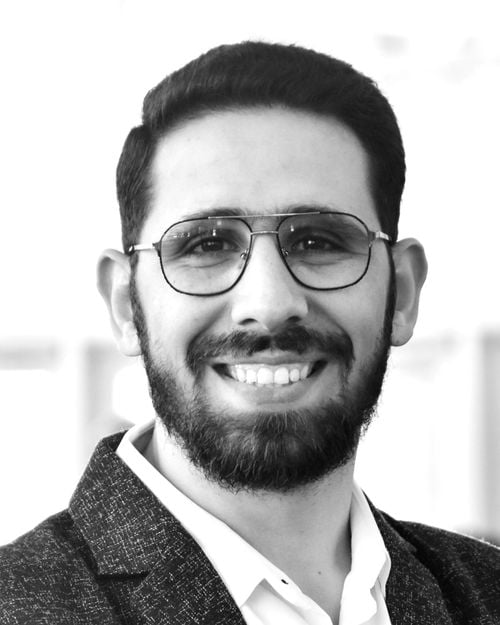
Finishing Fellowship Award – Spring 2026 – Asky Fungura

Fungura, Asky Tatenda
Asky Fungura, PhD in Chemical Engineering, 2026

Learning at Michigan Tech has been a transformative journey that began in Fall 2021 and marked my transition from clean-energy and water-sustainability research into the world of nanoscale sensor technology. This shift opened my eyes to the power of nanomaterials and surface engineering, sparking a deep fascination with how subtle changes at the atomic scale can influence macroscopic behavior and shape the world around us.

My dissertation investigates metal oxide gas sensors for ultralow-concentration detection—technology that can advance breath-based disease diagnostics, environmental monitoring, and early-warning systems for public and industrial safety. I am fascinated by how this field turns scientific wonder into practical breakthroughs, pushing sensing limits not by discovering new elements, but by creatively engineering the materials we already know. Along this journey, I have gained hands-on experience in nanoscale materials synthesis, microfabrication, and surface-engineering methods, deepening my expertise and passion for materials-driven innovations.

Beyond the laboratory, my time in Michigan’s Upper Peninsula has been incredibly meaningful. I enjoyed the quiet beauty of the region—its forests, water bodies, and changing seasons—which has provided both inspiration and balance during my research journey. The university’s strong support network, including access to advanced instrumentation and partnerships with other institutions when specialized tools were needed, has played a key role in my academic and professional growth.

I am honored and grateful to the Graduate School and the Graduate Dean Awards Advisory Panel for this recognition and the support to be provided through the Doctoral Finishing Fellowship. I am deeply thankful to Dr. Liu for the mentorship throughout this transformative journey, and to my committee members and department colleagues for their guidance, support, and encouragement. This fellowship is part of the collective support I have received at Michigan Tech, and I am sincerely appreciative.

Submission and Formatting 101: Master the Dissertation, Thesis, and Report Process

Students who are completing a dissertation, thesis, or report are invited to join the Graduate School to learn about the resources available to them to assist in scheduling their defense, formatting their documents, and submitting their documents.  In one afternoon, you can learn everything you need to be successful and complete your degree in a timely fashion!  Faculty and staff who assist students with submissions are also welcome to attend.  Attend the entire event, or stop in for the seminar that interests you.

  • When: Wednesday, January 28, 2026, 2 – 4pm (see detailed schedule below)
  • Who: Students completing a dissertation, thesis or report; faculty and staff who assist students with submission
  • Where:Virtual and in-person (Admin 404 – limit for room is 30); (register to attend online and receive participation instructions)
  • Registration: Please register to receive handouts via email or attend online. The seminar will be available online as well as on campus.

If you are unable to join us, the event will be taped and available online after the event. The previous semester’s seminars are always available online.

Information on submitting, formatting, and more can be found online for dissertations and theses or reports.

Detailed schedule

  • 2:00 – 3:00 p.m. – Submission 101
    Learn what is required to submit your document to the Graduate School and the deadlines for the upcoming semester.  Best for students who are completing their degree this semester or next semester.
  • 3:00 – 4:00 p.m. – Formatting 101-103
    Learn about templates, checking your document with Adobe Acrobat, and how to use copyrighted materials. You’ll also learn where resources are on the web page so you can learn more about the topics that interest you.
  • 4:00 – 4:30 p.m. – Questions Have a question that hasn’t been answered yet? We’ll be available to answer any additional questions you have.

Finishing Fellowship Award – Spring 2026 – Parinaz Eskandari

Eskandari, Parinaz
Parinaz Eskandari, PhD in Electrical Engineering, 2026

When I first moved to the United States from my home country, Iran, I carried with me a deep curiosity and determination to expand my research in electrical engineering—without knowing exactly where this journey would lead. I began my PhD at Western Michigan University in 2021 and later transferred to Michigan Technological University in 2023 to pursue advanced research in semiconductor-based devices. Joining Dr. Paul Bergstrom’s group allowed me to focus on microfabrication and semiconductor technology using the M&M facilities, and to benefit from his mentorship and expertise. I am truly grateful to be his doctoral student, as I have learned not only about semiconductor science but also invaluable lessons in perseverance, patience, and resilience throughout my PhD journey.

Over the past two and a half years, I have gained extensive experience in both research and teaching, shaping my technical expertise and hands-on skills in semiconductor and electrochemical systems. My dissertation, titled “Toward Single-Entity Electrochemical Sensing Using Nanoscale Pores in a Planar Electrode Array,” focuses on developing nanoscale platforms for detecting and characterizing individual biomolecules. Traditional electrochemical methods detect analyte composition in bulk but lack single-entity precision. My research addresses this limitation by modeling and fabricating planar microelectrode arrays coated with ultra-thin SiO₂ films containing nanoscale pores. These pores act as molecular traps, confining electrochemical reactions to localized sites and enabling detection of individual biomolecules such as elevated liver enzymes. Validated performance confirmed the potential of nanoscale, pore-confined electrochemical sensing for next-generation diagnostic systems, as presented in my recent work at the IEEE NMDC 2025 Conference and the 248th Electrochemical Society (ECS) Meeting in Chicago.

I was deeply honored to receive the Outstanding Graduate Student Teaching Award from the Graduate School in Spring 2025 for my work in the Chip Fabrication and Photonic Materials laboratories within the Department of Electrical and Computer Engineering. This recognition was especially meaningful, as teaching has been one of the most rewarding parts of my PhD journey—an opportunity to inspire curiosity and confidence in students while continuing to learn and grow alongside them.

Outside of research, I find balance through music and nature. I enjoy playing Piano and Hang Drum, hiking, and exploring the peaceful landscapes of Michigan’s Upper Peninsula, which have provided inspiration and calm throughout my doctoral journey.

The Michigan Tech Doctoral Finishing Fellowship will support the final stage of my doctoral research and dissertation completion during the Spring 2026 semester. I am deeply grateful for this opportunity to dedicate my full focus to completing and sharing my work in single-entity electrochemical sensing.

Finishing Fellowship Award – Spring 2026 – Eli Harma

Harma, Eli A.
Eli Harma, PhD in Materials Science and Engineering, 2026

I have been a student at Michigan Tech since 2018, when I started my undergraduate degree. I quickly became involved with research at MTU, joining the Advanced Metal Works Enterprise (AME), where we worked on different materials engineering projects. Some of my favorite research projects include alloy development work for metal 3D printing and materials modeling work for FEA simulations.

Given my interest in materials research, I contacted my now advisor, Dr.Paul Sanders, about doing a master’s project. He found me a project with Relativity Space focused on developing aluminum alloy wire for metal 3d printing applications. After my master’s, I wanted to continue on to a PhD. Given my experience with materials modeling and aluminum alloy design, I began work on developing new aluminum alloys for the extrusion industry. The goals of our current research is to develop a high-strength, highly formable alloy that can be used for automotive applications. What I enjoy most about my research is the physical experiments and connecting physical testing with simulation work. I included an image of me performing one of our billet castings in the foundry. This billet is formed into sheets to perform various experiments.

Besides my research, I continue to be involved with the AME enterprise and aid the materials science and engineering senior design teams. My involvement is generally as a subject matter expert who assists with advanced materials characterization techniques. I enjoy being involved with the students’ projects and helping them complete their research.

I would like to thank all the staff and faculty of the materials science and engineering department. Their involvement with research and knowledge makes completing our research projects an enjoyable learning experience. Finally, I would like to thank the graduate school and the graduate dean’s awards advisory panel for considering me for the finishing fellowship.

Finishing Fellowship Award – Spring 2026 – Hamed Fahandezh Sadi

Fahandezh Sadi, Hamed
Hamed Fahandezh Sadi, PhD in Atmospheric Sciences, 2026

I am honored to receive the Doctoral Finishing Fellowship at Michigan Technological University. I’m grateful to the Graduate School and the Graduate Dean Awards Advisory Panel for this support, and especially to my advisor, Prof. Raymond Shaw, whose unwavering guidance and support throughout my PhD have been invaluable in shaping both my research and my growth as a scientist. Before joining MTU, I completed an M.S. at the University of Tehran, Iran. At MTU, I have pursued Ph.D. research in atmospheric physics examining how tiny airborne particles tip the balance between haze and cloud.

First, we showed that not only “too many particles” but also “too large particles” can prevent cloud formation and leave the system in haze. In controlled chamber experiments, we held conditions fixed and varied particle size: larger salt particles drew water rapidly yet required extra time to become true droplets, draining the limited water supply and slowing activation. We derived a simple scaling showing that activation time rises sharply with particle size.

Second, we introduced a practical method to diagnose the haze–cloud state without direct supersaturation measurements by tracking how haze-droplet and cloud-droplet counts co-vary. In both chamber experiments and large-eddy simulations, this relationship flips sign across three regimes—near zero in clean conditions, positive in moderate conditions, and negative in polluted conditions—providing an easy way to tag regimes in real fogs and low clouds and to guide interventions (e.g., fog dispersal or seeding) toward situations where they are more likely to work.

I also thank my committee members, the Cloud Chamber group, and the faculty and staff of the Department of Physics for their support throughout my Ph.D. journey.

Finishing Fellowship Award – Spring 2026 – Jacob Jackson

Jackson, Jacob
Jacob Jackson, PhD in Biomedical Engineering, 2026

I’m grateful and honored to be awarded a Doctoral Finishing Fellowship. I would like to thank the Graduate Dean Awards Advisory Panel and the Graduate School for their recognition and support as I approach the end of my PhD studies. Their support will let me dedicate my time to completing my dissertation.

I joined Dr. Yu’s Neural Engineering lab as an undergraduate research assistant in 2021 and quickly became fascinated by the brain and developing treatments for neurological conditions. Knowing that our research could improve people’s lives gave me great purpose and drove me to continue onto my PhD.
My research focuses on optimizing deep brain stimulation (DBS) for Parkinson’s Disease (PD) to improve the quality of life of individuals undergoing this treatment. Specifically, I look at optogenetics and adaptive DBS (aDBS). Current clinically used DBS treatment involves delivering high-frequency electrical pulses to target structures in the brain. While effective at treating PD symptoms, adverse effects and limited battery life can limit the quality of life of those implanted. Optogenetics aims to improve on the spatial specificity of DBS by using genetic modification to allow for cells to activate using light. Electrical stimulation is non-specific and can spread to nearby structures whereas using optogenetics, only the specific brain structure is stimulated. aDBS improves the temporal specificity of DBS by using biomarkers found in the neural activity of the brain to deliver stimulation only when the brain needs it. This avoids unnecessary activation to reduce adverse effects and improve battery life of the implanted device. Combining these two powerful optimization strategies creates a more efficient and targeted treatment for PD.

I would like to thank my advisor Dr. Traci Yu for her mentorship throughout this long journey. Her support and guidance helped foster my passion for neural engineering research. I am also grateful for the support of the Biomedical Engineering department and the Michigan Tech community throughout this stage of my journey. As I look forwards to the next chapter, I am thankful for everything I’ve learned and experienced during my time at Michigan Tech.

Finishing Fellowship Award – Spring 2026 – Caitlyn Sutherlin

Sutherlin, Caitlyn E.
Caitlyn Sutherlin, PhD in Environmental and Energy Policy, 2026

I started at Michigan Tech in 2022, and I have grown to love the Keweenaw! It has become my home away from home, and I even love the snow. Since I started, I have had the opportunity to teach on campus, work at the Writing Center, teach on Tech Study Away programs in Costa Rica and Wales, attend COP28 in Dubai, and conduct research in El Salvador over 3 separate visits!

My research looks at the incorporation of local traditional knowledge (LTK), which includes Traditional Ecological Knowledge (TEK) and Indigenous knowledge, into adaptation strategies. In my first year, I conducted a photovoice project to identify community connections to Nature in the small town of California in rural El Salvador. My results showed that the way participants connected to their environment impacted their perception of vulnerability to climate change. I also research organizational factors that might affect the incorporation of LTK and local contextual perceptions of vulnerability into adaptation strategies by a non-governmental organization working in the region.

My favorite parts of my research and PhD experience have been the multiple opportunities abroad that I have gotten to pursue! Central America has a really special place in my heart, and so any and all time that I have gotten to spend there are some of my favorite memories!

I want to thank the Graduate Dean Awards Advisory Panel for granting me this Finishing Fellowship! I also want to thank my advisers and committee members, Dr. Angie Carter, Dr. Kari Henquinet, Dr. Luke Bowman, and Dr. Pam Martin for their support in my research and helping me secure grants to pursue my research. I also want to thank my colleagues at the Writing Center, my friends, my partner, and my dog, Ducky!