Category: News

Interesting stories about and for our students.

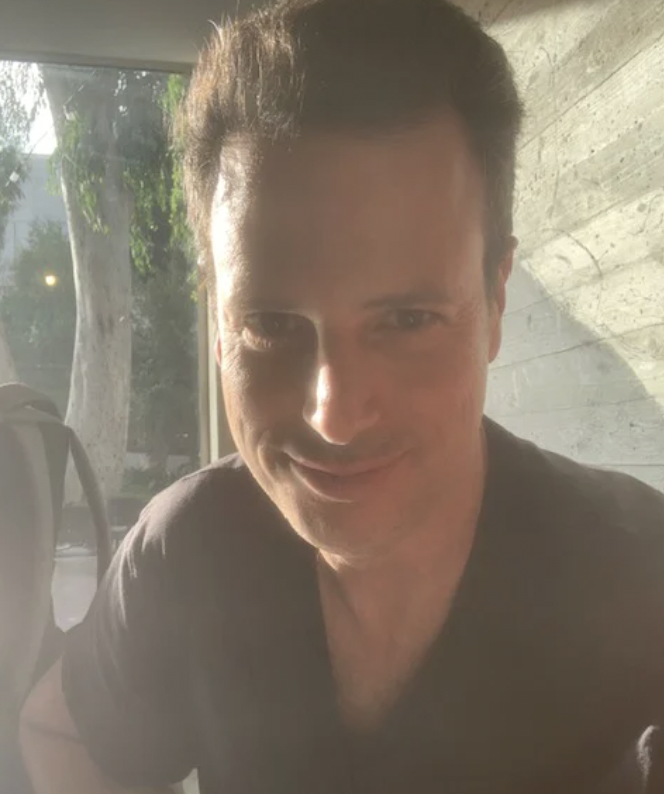
Finishing Fellowship Award – Fall 2026 – Lior Rosenfeld

Lior Rosenfeld, PhD in Rhetoric, Theory and Culture, 2026

I want to express my gratitude to the Graduate School and the Graduate Dean Awards Advisory Panel for the Finishing Fellowship award. I would also like to thank my advisor, Professor Scott Marratto, for his guidance and support.

I earned a Master of Arts in Philosophy from The New School in 2020. Since 2022, I have been conducting my research as a PhD student at the Department of Humanities at Michigan Technological University. My research demonstrates that the public sphere is fundamental to democracy. By engaging in public dialogue, speakers begin to recognize themselves and others as free and accountable to one another. This process creates a dynamic, pluralistic world that supports collaboration and stimulates thought-provoking ideas. Therefore, to commit to democracy, academic institutions must ensure that techno-scientific reasoning does not become a tool for displacing the public sphere.

In addition to my research, I have been teaching courses in rhetoric and composition, ethics, and philosophy. I also presented papers at various conferences, including the International DerridaToday Conference, the International Conference of the British Society for Phenomenology, the Annual Conference of the Society for Philosophy in the Contemporary World, the Brown Bag series at Michigan Technological University, and the CCCC Annual Convention.

I appreciate the support this fellowship provides. My attendance at the AI governance conference at UNESCO in June 2025 inspired me to get involved with policymaking. Therefore, in the medium term, I aim to pursue a consultancy role with the U.N., UNESCO, think tanks, or non-profit organizations. In the long term, I look forward to pursuing an academic career. I am interested in holding a position at an academic institution where I can advocate for a free public sphere and create a non-violent society.
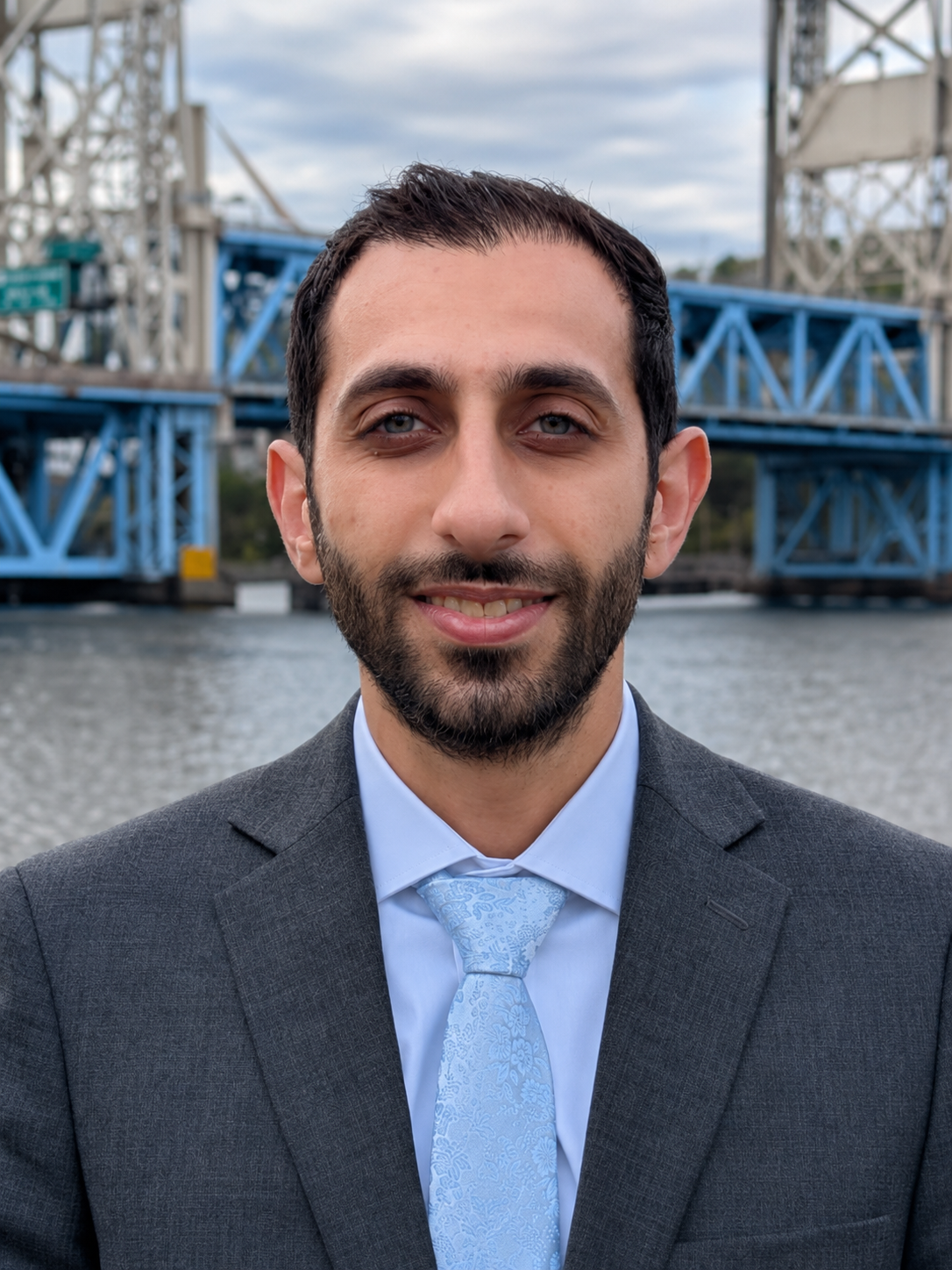
Finishing Fellowship Award – Fall 2026 – Nontawat Srisapan

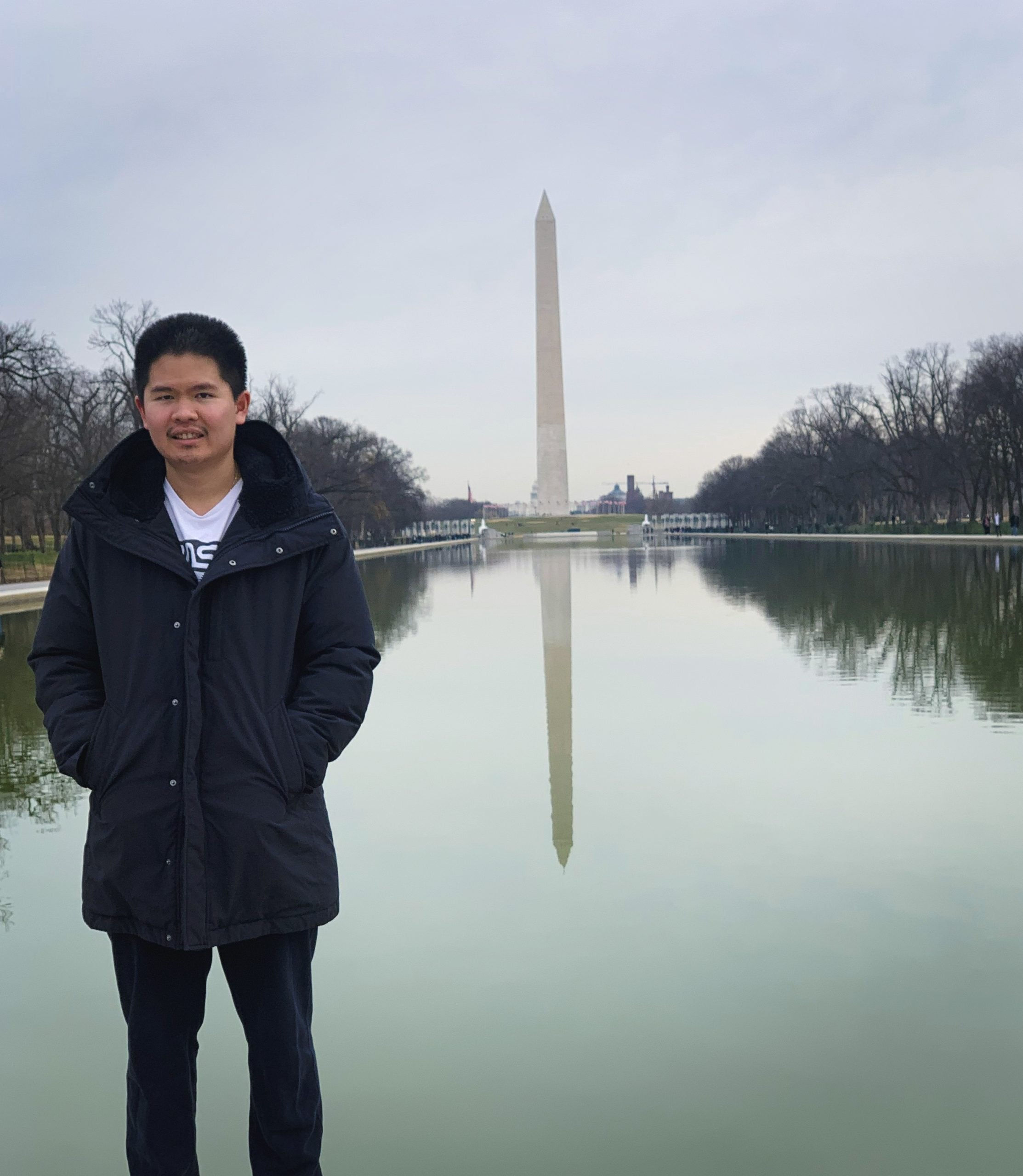
Nontawat Srisapan, PhD in Geophysics, 2026

I am deeply honored to receive the Fall Finishing Fellowship from the Graduate School. I would like to express my sincere gratitude to the Graduate Dean Awards Advisory Panel for recognizing my research and contributions to Michigan Technological University. This fellowship provides vital support at a crucial juncture, allowing me to dedicate my full focus to wrapping up my final project, successfully defending my dissertation, and finalizing my PhD journey.

My doctoral research specializes in the Non-Destructive Testing (NDT) of concrete using seismic-based methods. Specifically, my work focuses on understanding how guided-waves behave as they propagate through defects and cracks embedded within concrete structures. Additionally, my work involved developing repeatable and controllable wave excitation sources to produce high-quality wave signals. Establishing this analytical framework is critical for modern structural health monitoring; by accurately detecting and locating internal voids early on, engineers can implement proactive remediation strategies to prevent catastrophic structural failures and ensure public safety.

Beyond my laboratory work, the broader Michigan Tech community has been instrumental in fostering both my academic and professional growth. The university’s collaborative environment has allowed me to build lasting connections with peers from diverse backgrounds and build meaningful relationships with faculty members both within and outside my department. Their unwavering guidance, kindness, and support have made my time in the PhD program an incredibly rewarding and enriching experience.

Lastly, I want to extend my appreciation to the Department of Geological and Mining Engineering and Sciences (GMES) for providing the exceptional laboratory spaces and facilities that made this work possible. I am also grateful to my PhD advisor, Dr. Radwin Askari, for his mentorship throughout my research endeavors, and for his vital recommendation for this fellowship.

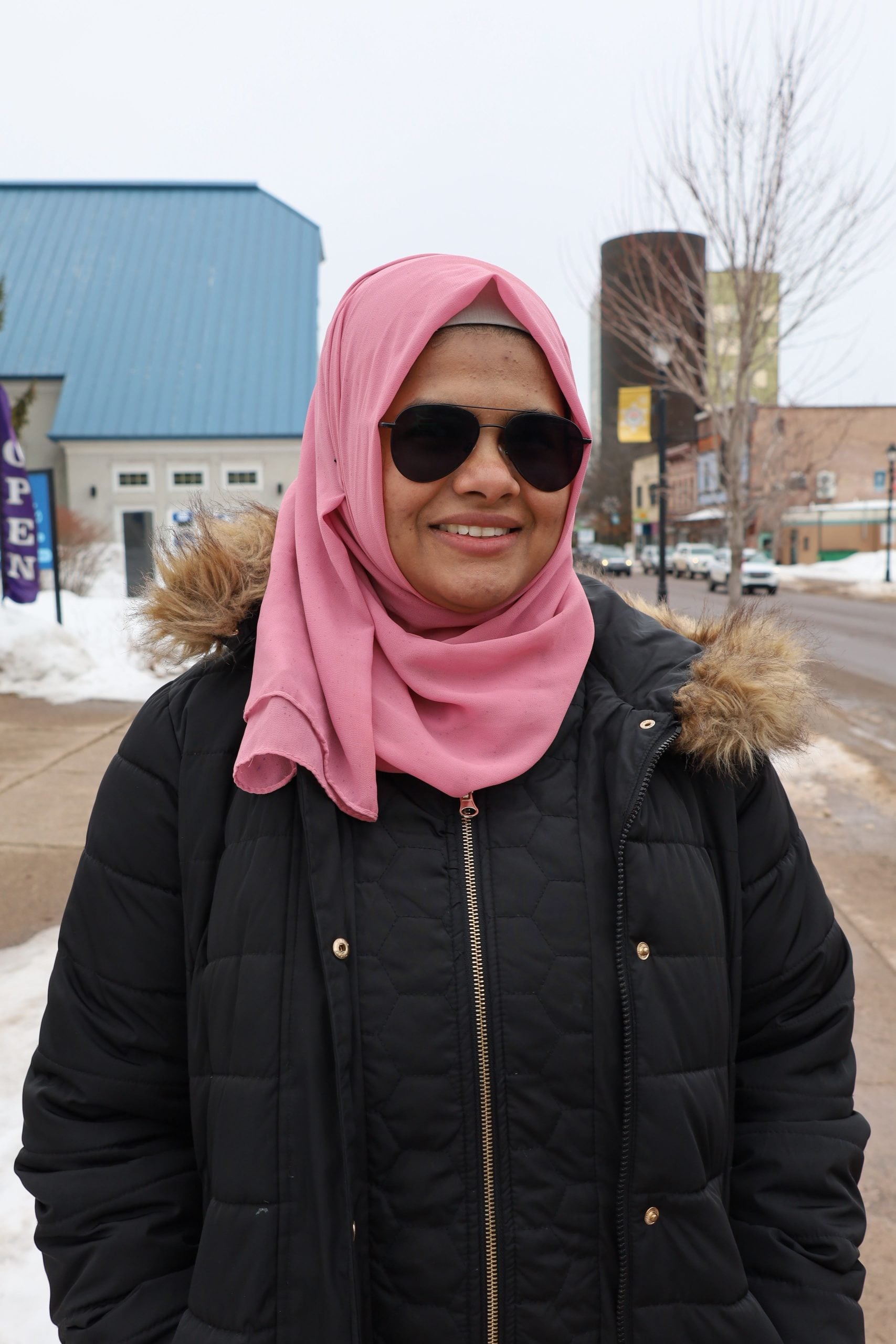
Finishing Fellowship Award – Fall 2026 – Fathima Hameed Cherilakkudy

Fathima Hameed Cherilakkudy, PhD in Chemistry, 2026

I joined the Computational and Theoretical Chemistry research group at Michigan Technological University in Spring 2022. Since then, my research has focused on understanding the catalytic mechanisms of biologically important metalloenzymes using computational chemistry and molecular modeling. Through molecular dynamics simulations and hybrid quantum mechanics/molecular mechanics (QM/MM) calculations, I investigate how enzymes control chemical reactivity in processes related to epigenetic modification, DNA repair, and natural product biosynthesis. This work has allowed me to develop expertise in computational enzymology while strengthening my passion for research and scientific discovery.
During my Ph.D., I have worked on several projects involving Fe(II)/2-oxoglutarate-dependent enzymes, including studies of the human epigenetic modifying enzyme ALKBH5, the natural product biosynthetic enzyme CTB9, and the DNA repair enzymes AlkB and ALKBH2. My dissertation research aims to uncover how enzyme structure, dynamics, and the surrounding protein environment influence catalytic selectivity and reaction mechanisms. By combining molecular dynamics simulations with QM/MM calculations, my work seeks to provide molecular-level insights into enzyme catalysis that may contribute to a broader understanding of biological function and the design of improved biocatalytic strategies.
I am sincerely grateful to the Graduate Dean Awards Advisory Panel for selecting me for the Finishing Fellowship. I would also like to express my heartfelt appreciation to my advisor, Dr. Tatyana G. Karabencheva-Christova, for her continuous guidance, encouragement, and support throughout my Ph.D. journey. I am excited to complete my dissertation and continue pursuing my passion for computational chemistry, research, teaching, and mentoring the next generation of scientists.

Finishing Fellowship Award – Fall 2026 – Adnan Hilal

Adnan Hilal, PhD in Mechanical Engineering-Engineering Mechanics, 2026

Growing up, I was always interested in solving practical engineering problems that could improve people’s everyday lives. That interest led me to pursue a Ph.D. in Mechanical Engineering at Michigan Technological University, where I study residential building electrification and energy efficiency in cold-climate communities. My research combines building energy modeling, machine learning, and local community data to identify practical and cost-effective pathways for transitioning homes from fossil-fuel heating to cold-climate heat pumps.

One of the most rewarding aspects of my research has been collaborating with community members, industry partners, and interdisciplinary researchers to develop solutions that can be applied in practice. Through my work, I hope to support more resilient, affordable, and sustainable energy systems while helping rural communities navigate the transition to low-carbon heating technologies.

I am sincerely grateful to the Graduate School and the Graduate Dean Awards Advisory Panel for this recognition. I also thank my advisor, Dr. Ana Dyreson, for her mentorship and support throughout my doctoral studies, as well as my colleagues, collaborators, and the Department of Mechanical and Aerospace Engineering for providing an outstanding research environment.

Finishing Fellowship Award – Fall 2026 – Sanan Appapillai

Sanan Appapillai, PhD in Mechanical Engineering-Engineering
Mechanics
, 2026

I am incredibly grateful to the Graduate School and the Graduate Dean Awards Advisory Panel for selecting me as a recipient of the Finishing Fellowship. This recognition is a major milestone in my academic career, and I want to extend my deepest appreciation to my advisor, Wei Wei, whose mentorship, encouragement, and invaluable insight have guided me throughout my doctoral research.

I earned my Bachelor of Technology in Mechanical Engineering from BSA Crescent Institute of Science & Technology, India, in 2019, and completed my Master of Engineering in Mechanical Engineering at Ontario Technical University, Canada, in 2023. Following this, I joined Michigan Tech in Fall of 2024 to pursue my PhD under the supervision of Dr. Wei. My dissertation focuses on the design and optimization of high-entropy perovskite thin films for next-generation solar energy applications. Using advanced manufacturing and structural engineering techniques, I systematically explore multi-element cation and anion mixing to enhance the lattice stability and optoelectronic properties of thin-film solar cells. My work spans chemical solution synthesis, microstructural characterization, and the scale-up of lab-scale solar cells into larger, industrially relevant modules using blade-coating technologies. Through my research, I aim to bridge the gap between idealized laboratory discoveries and commercial, mass-producible clean energy solutions.

Alongside my research, I have had the opportunity to contribute to undergraduate education at Michigan Tech by serving as a Graduate Teaching Assistant, leading engineering laboratory sections, and mentoring students

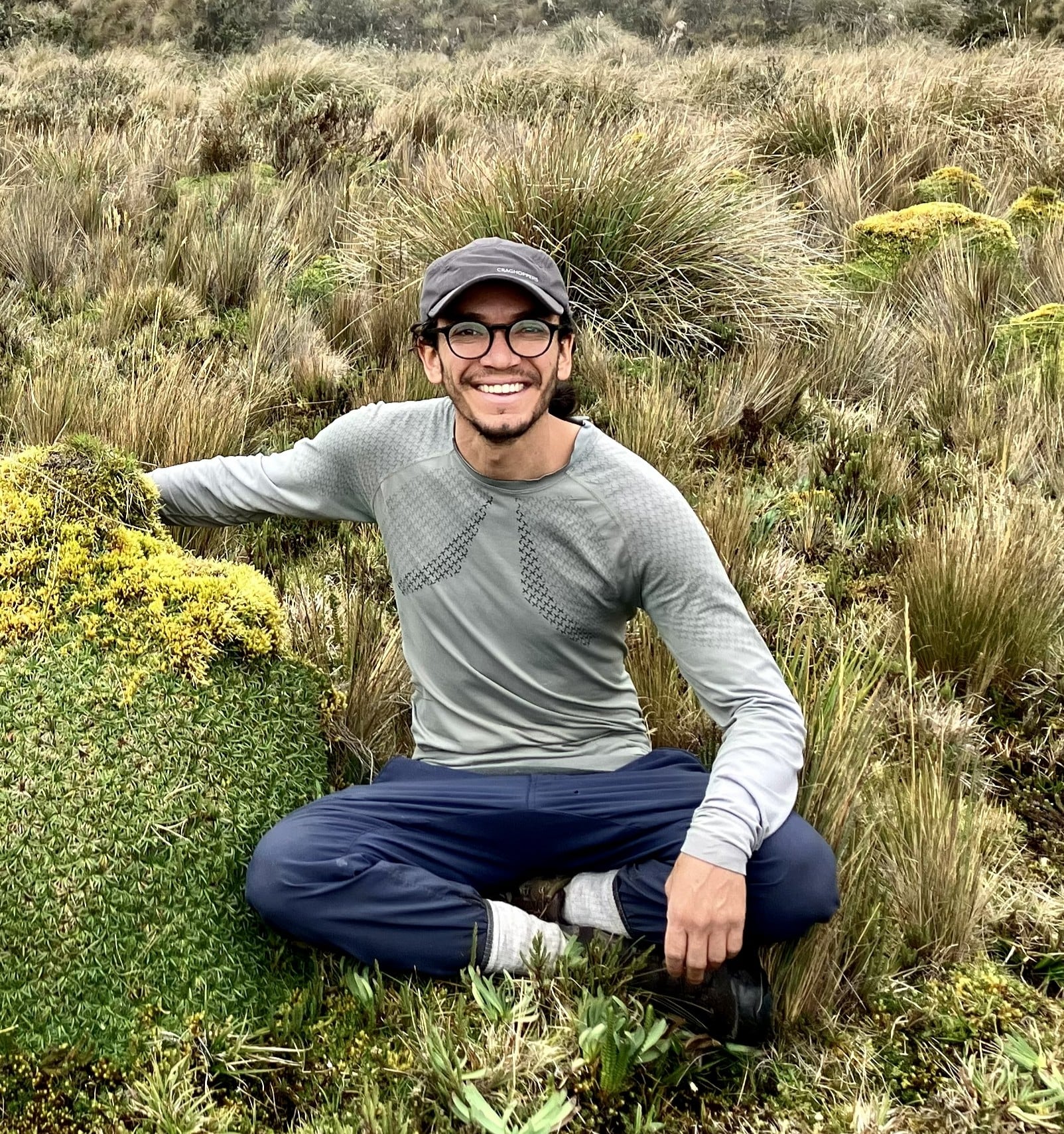
Finishing Fellowship Award – Fall 2026 – Ricardo Jaramillo

Ricardo Jaramillo, PhD in Forest Science, 2026

My journey to Michigan Technological University began through a collaboration between Michigan Tech and an Ecuadorian university, an opportunity that allowed me to pursue doctoral studies while contributing to research in my home region. Over the course of my PhD, I have developed a deeper understanding of peatland ecology, hydrology, and restoration, particularly within the unique context of the tropical Andes. Working under the guidance of Rod Chimner and Erik Lilleskov has been an invaluable experience. Their mentorship has not only provided scientific direction and support but has also encouraged me to develop my own research questions and pursue independent ideas, helping me grow as both a researcher and a professional.

My dissertation focuses on addressing key knowledge gaps related to Andean peatlands, ecosystems that are important for biodiversity, carbon storage, and water resources. Through my research, I have been fortunate to visit numerous peatland sites across the Andean region, gaining firsthand experience with the remarkable diversity and complexity of these ecosystems. These experiences have broadened my understanding of peatland functioning and strengthened my commitment to advancing scientific knowledge that is relevant to the environmental challenges and management needs of the region. The opportunity to design and lead my own projects throughout my PhD has been especially rewarding and has greatly enriched my academic and professional development.

What I have valued most about my PhD has been its strong focus on restoration and its direct connection to local communities. My work has allowed me to collaborate with community members, government agencies, and academic institutions to develop and evaluate peatland restoration. Through these partnerships, I have learned the importance of integrating scientific research with local knowledge and stakeholder needs to achieve meaningful conservation outcomes. Receiving this finishing fellowship would provide the support needed to complete my dissertation and finalize the products of my research, enabling me to successfully conclude my PhD and continue contributing to peatland science and restoration in the Andean region.

Finishing Fellowship – Fall 2026 – Joshua Alele-Beals

Joshua Alele-Beals, PhD in Computer Science, 2026

I am deeply honored and grateful to receive the Doctoral Finishing Fellowship from the Graduate School. I sincerely thank the Graduate Dean Awards Advisory Panel for this generous support. I am especially grateful to my advisor, Dr. Charles Wallace, whose mentorship has continually challenged me to think more critically, ask better questions, and pursue research that is both rigorous and meaningful. I also thank my dissertation committee and the Department of Computer Science for their guidance and encouragement throughout my doctoral journey.

I have always been fascinated by using computer science to make complex systems easier for people to understand. That curiosity led me to pursue research in formal methods, where I explore how rigorous computational models can improve the way people interact with statutory law.

Using Michigan’s Clean Slate Law as a case study, my dissertation develops formal representations of statutory law that capture legal requirements with mathematical precision. Building on these models, I created interactive tools that allow users to evaluate expungement eligibility, explore “”what-if”” scenarios, and better understand how the law applies to their circumstances. More recently, I have explored how artificial intelligence can make these tools more accessible by translating natural language into formal queries and generating user-friendly explanations, while the underlying formal model performs all legal reasoning. Through this work, I hope to help expand access to justice by making legal information easier to understand without compromising accuracy.

My time at Michigan Tech has also allowed me to grow as a teacher, researcher, and software engineer. Teaching undergraduate computer science courses and collaborating with faculty and students have reinforced my belief that the best research should not only advance knowledge but also improve people’s lives. I am excited to continue exploring how formal methods can make complex systems more understandable and accessible, wherever they are needed most.

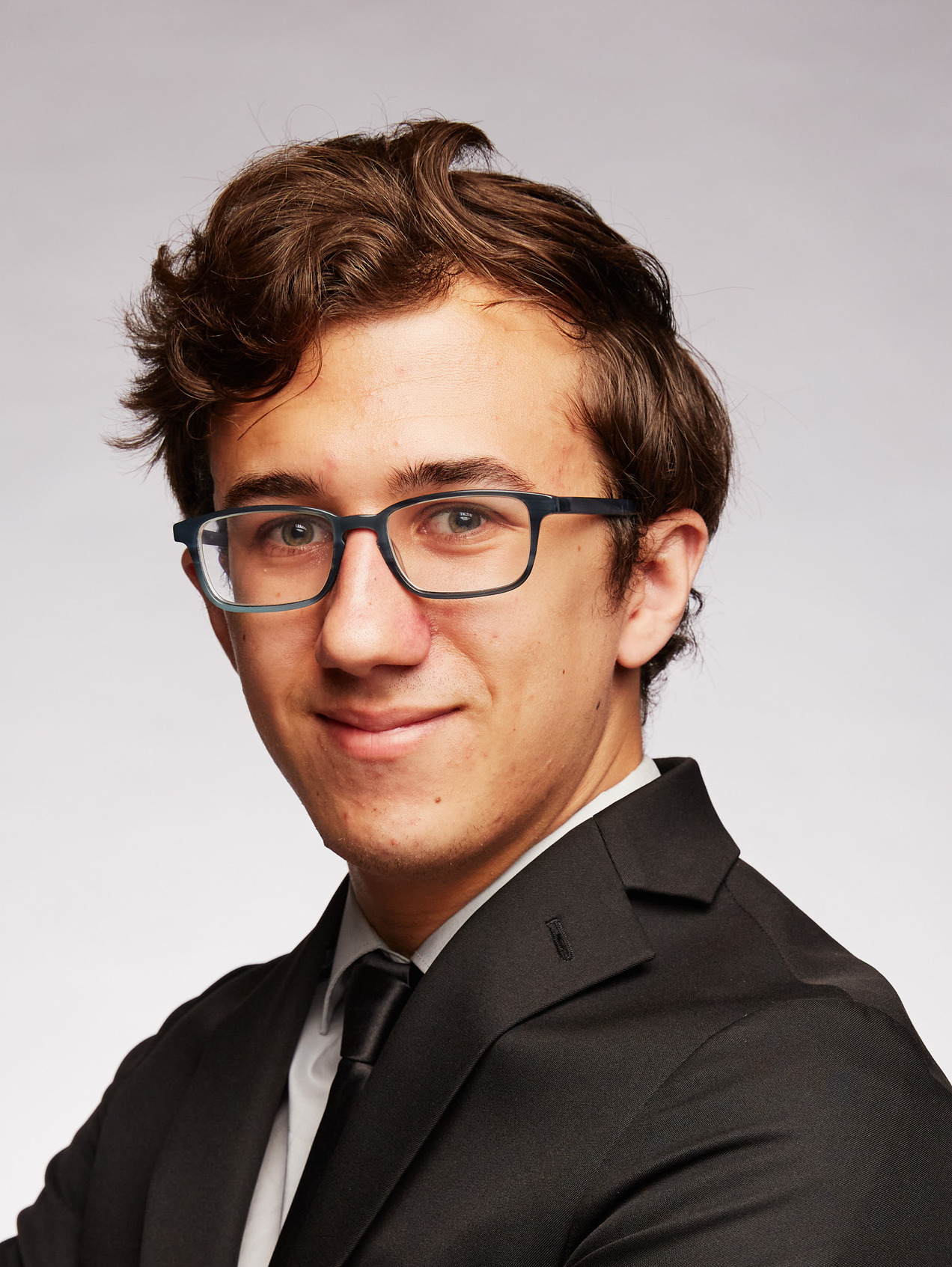
Graduate Research Fellowship Program – Fall 2026 – Josh Dafoe

Josh Dafoe, PhD in Computer Science, 2026

In the summer of 2022, I joined the MTU Security and Privacy Lab as an undergraduate researcher. During my undergraduate studies in Mathematics and Computer Science, I was grateful for the opportunity to work on a few different research projects. These projects were centered around using trusted hardware to solve critical security challenges. In particular, we modified the firmware of flash storage devices (called the flash translation layer (FTL)) to support ransomware recovery. Additionally, we use a trusted execution environment in collaboration with the FTL to protect against an untrusted operating system, enabling secure data restoration in the decentralized cloud and software repair on in-vehicle computers.

As I have begun my PhD studies this past year, I am working on a new challenge: designing a new FTL that is programmable while remaining secure. This would allow new FTL techniques to be adopted more easily, with increased co-design along the entire storage stack. Receiving the NSF Graduate Research Fellowship will give me the opportunity to pursue my research with fewer constraints and stronger support.

I am grateful to my research advisor, Dr. Bo Chen, for his guidance over the past few years. His support, openness, and insight have been instrumental in my growth as a researcher. I am also thankful for the professors who have encouraged me throughout my studies and the opportunities Michigan Tech has provided.

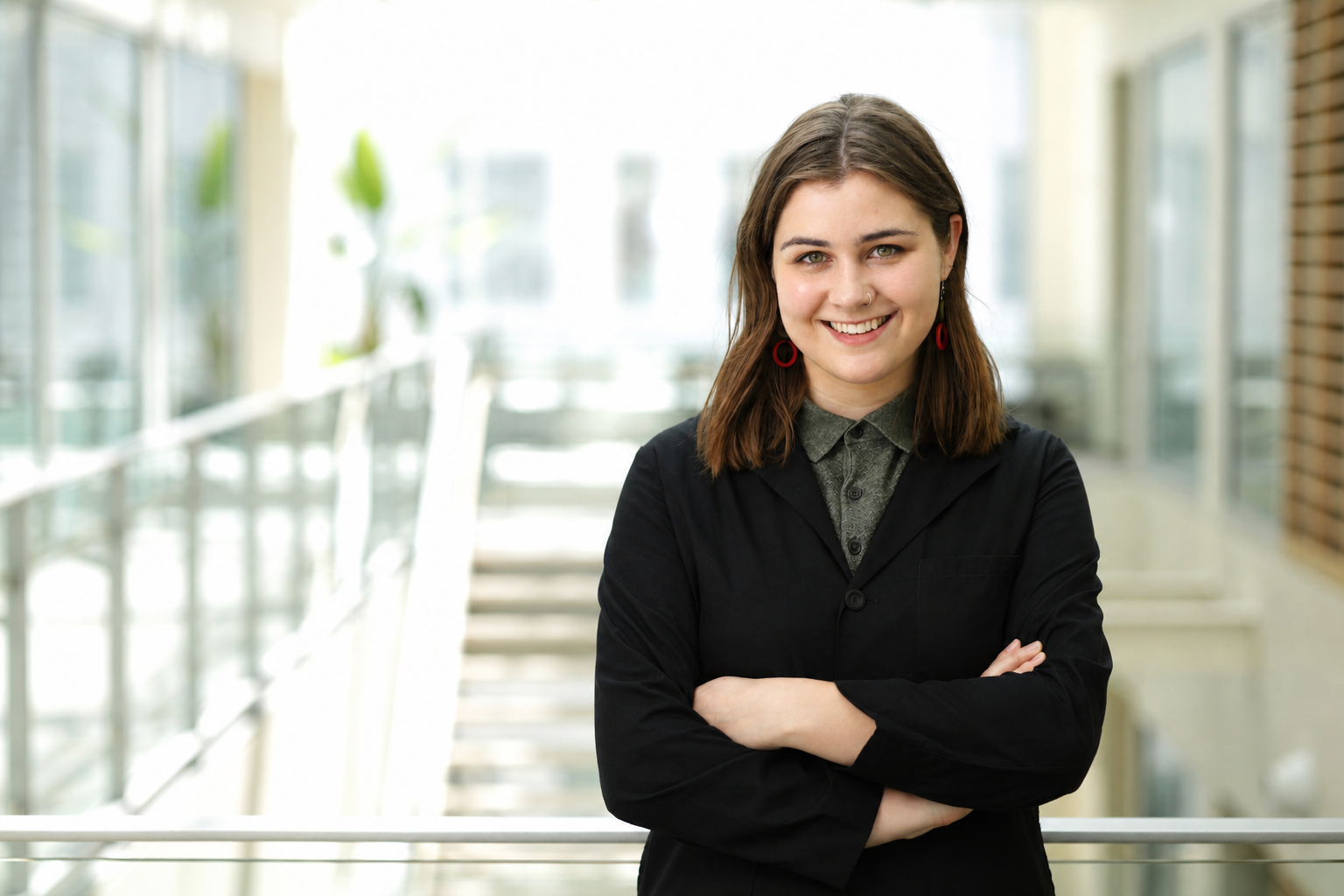
Graduate Research Fellowship Program – Fall 2026 – Molly J Vander Werp

Molly J Vander Werp, PhD in Forest Science, 2026

Molly Vander Werp is a first-year PhD student in the College of Forest Resources and Environmental Science at Michigan Tech, co-advised by Dr. Sarah Hoy and Dr. Kristin Brzeski. Her doctoral research sits at the intersection of molecular ecology and wildlife conservation, where she uses noninvasive genomic tools to uncover how genetic change relates to wildlife health in the Isle Royale National Park moose population.

As a Michigan native, Molly grew up hearing about the wolves and moose of Isle Royale, both in the news and the biology classroom. Working with the Isle Royale system as a graduate student is a dream come true.

Before graduate school, Molly worked as a bluebird monitoring assistant, a bear genetics technician, and a Parkinson’s disease researcher. She is thrilled by the opportunity to combine her expertise in molecular lab techniques with her love of wildlife science.

As a 2026 recipient of the National Science Foundation Graduate Research Fellowship, Molly plans to continue her PhD research at Michigan Tech. She extends her gratitude to past and present advisors, collaborators, and mentors.

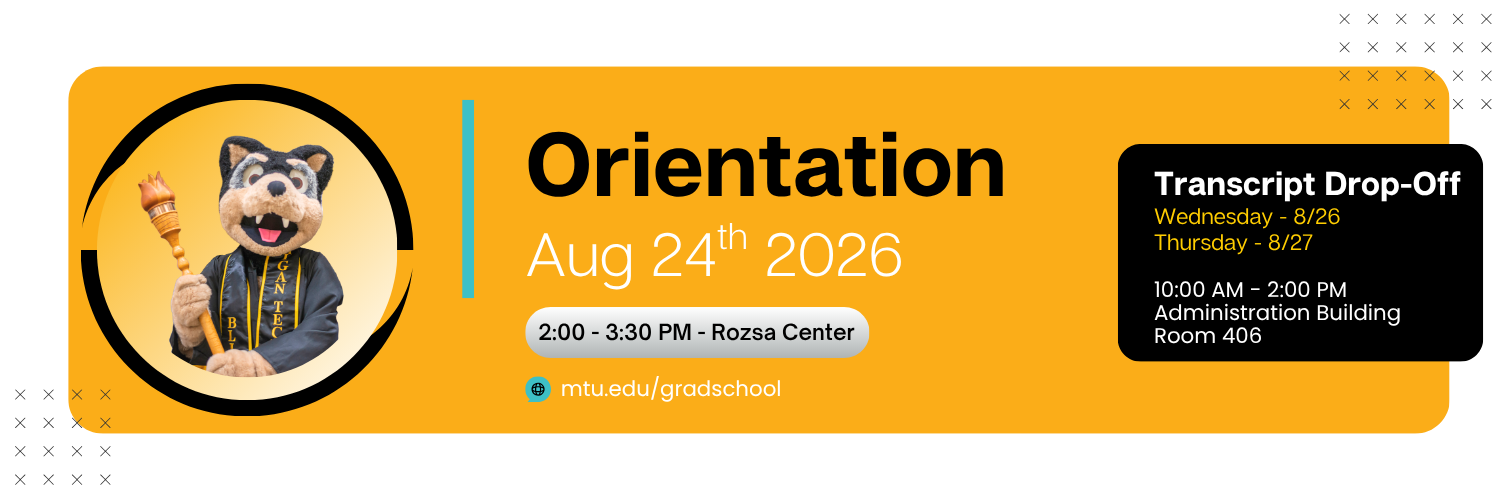
Graduate School Orientation!!

We look forward to welcoming our new graduate students and encourage all new students to attend our Welcome to Graduate School event. Starting grad school is an incredible milestone, and everyone on campus is so excited to welcome our new wave of graduate students.

To help you find your footing before classes kick off, MTU is hosting the official Welcome to Graduate School event. Here are the absolute basics you need to know:

  • When: Monday, August 24th from 2:00 – 3:30pm
  • Where: The Rozsa Center
  • Why it matters: This session is crucial for learning about key Michigan Tech policies and how to complete your required Basic Responsible Conduct of Research (RCR) Training. Plus, we have some free SWAG and lots of people who want to meet you!

Can’t make it in person? Don’t stress! If you are unable to attend, the RCR training is completely online and we’ll record the welcome session so you can view is later.

Helpful Tools & Resources

To get a head start on your transition, here are a few essential links to explore:

Have Questions?

The Graduate School team is here to help you every step of the way. If you run into any questions about orientation, feel free to email gradschool@mtu.edu or drop by and see them in person at the Administration Building, Room 414.

For the full breakdown of events, schedules, and extra resources, head over to the official MTU Graduate School Orientation Page.