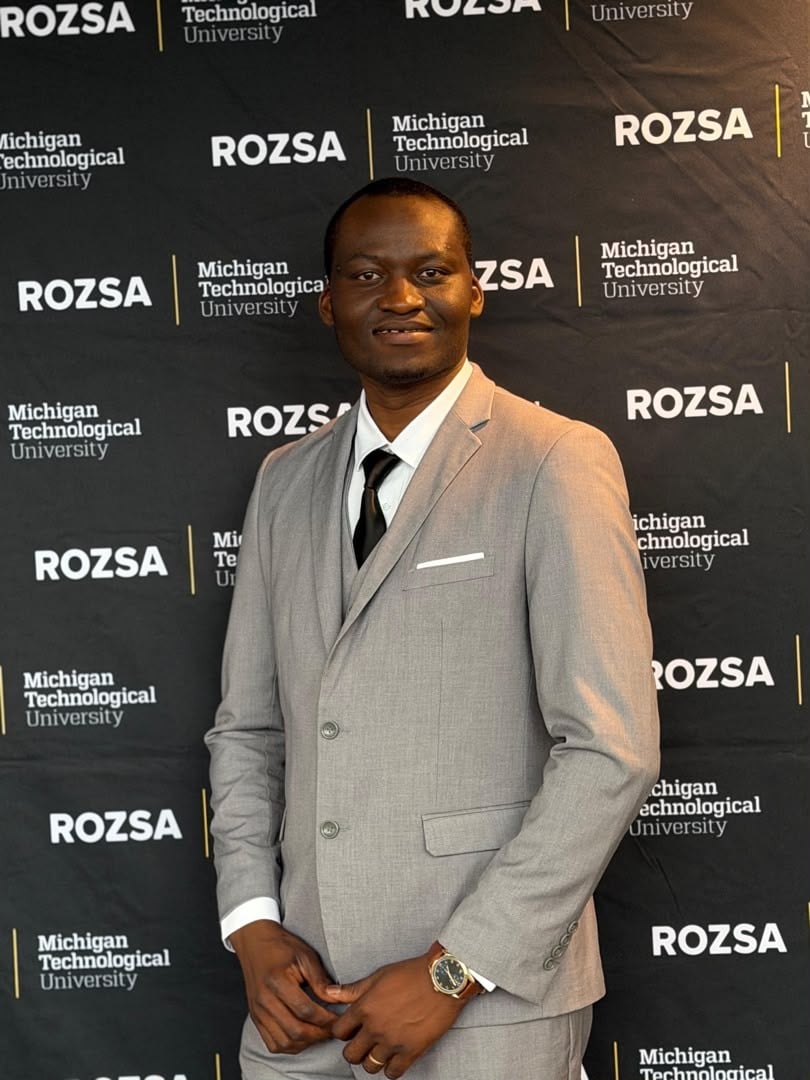
Finishing Fellowship Award – Spring 2026 – Varsha Kumar

Varsha Kumar, PhD in Electrical Engineering, 2026

I’m a PhD student in Electrical engineering. My research focus on understanding the effects of boundaries which lead to the formation of high-quality factor resonance in finite-size dielectric metasurface. I have performed theoretical studies and computational studies using electromagnetic full wave simulations to understand the nature of the complex resonance response from the fragmented metasurface. The high-quality factors enabled by the finite metasurface are beneficial for enhanced light matter interactions that are important for sensing, lasing, wave-guiding, filtering and imaging applications. I also had the opportunity to instruct labs as a graduate teaching assistant for many semesters, which helped me develop my teaching skills.

I sincerely thank the Graduate school and the Graduate Dean Advisory Panel for this fellowship. I’m grateful to my advisor Dr. Elena Semouchkina for her guidance and support.

Setting Up a Non-Payroll Direct Deposit

Non-Payroll Direct Deposit allows Michigan Tech to deposit non-payroll payments (such as travel expenses, flexible spending accounts, business meals and banquets) directly into your bank account.

Follow the steps below to set it up.

Important: Non-Payroll Direct Deposit is separate from payroll or stipend direct deposit.

Step 1

Log in to Experience using your Michigan Tech username and ISO password.

Find the Work tab from the top menu bar and scroll down to find the Payroll card

Step 2

From the Payroll Card, select Enable Direct Deposit Updates.

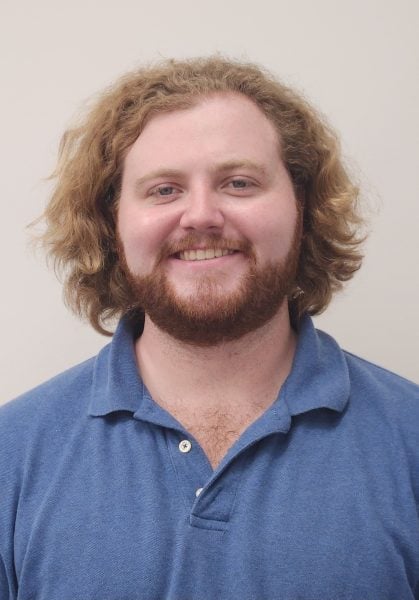
Finishing Fellowship Award – Spring 2026 – Gabriel Ahrendt

Gabriel Ahrendt, PhD in Geophysics, 2026

I began my PhD research at the beginning of the pandemic, TA-ing labs online and trying to carry out experimental research in a quarantined lab. This taught me a degree of flexibility and spontaneity that has carried through the rest of my degree. Over the course of my PhD I’ve TA’d geology classes, a multi-university course on climate science and policy, I’ve taught the Summer Youth Program for geology, organized a workshop in Washington DC on the UN framework Convention on Climate Change, sampled geological areas for the USGS mapping and exploration efforts, organized social and research events for graduate student government, was coordinator of the GSG softball league, sat on the advisory boards of a forest conservation campaign and an international ecological network, helped organize physics and geological conferences at MTU, and even organized a couple music and art festivals. I like to think that, starting a PhD directly after Peace Corps service, I continued my community focused ethos and incorporated it into my degree.

My research has focused on deciphering the early processes of Earth and solar system evolution, including planetary magnetic field evolution, tectonic dynamics, and paleoenvironmental conditions. While these processes have shaped the modern Earth system, many aspects remain poorly understood. Within this framework, I have carried out three research projects using paleomagnetic, rock-magnetic, geochemical, and electron microscopy methods.

The first project, analyzing Iron-Nickel alloys in meteorites has demonstrated the possibility of analyzing primary magnetic signals in a large suite of meteorites that were previously thought to be bereft of primary magnetic signals. The second project on Iron formations has demonstrated a novel way to interpret paleoenvironments of formation based on rock -magnetic analysis. The third project on Upper Peninsula dike swarms provide a more detailed reconstruction of the 2.1–1.85 billion-year-old tectonic history of the Lake Superior region, constrain its geodynamic evolution, and offer crucial insights into the Earth’s magnetic field history, including the timing of the solid inner core formation.

I am grateful to the Graduate school, my advisor, and my committee for this opportunity to carry out interesting and novel research while also being an active and engaged community organizer.

Finishing Fellowship Award – Spring 2026 – Katrina Carlson

Katrina Carlson, PhD in Applied Cognitive Science & Human Factors, 2026

It has been such an honor and privilege to be part of the Department of Psychology and Human Factors at MTU as a graduate student since the Fall of 2020. I have always had an interest in psychology and research, but when I started with one class at a time while working full-time, I did not have a clear direction. I have been fortunate to work with outstanding professors and inspiring fellow students. Kelly Steelman, as Department Chair, first presented me with the question that had been studied at Michigan Tech for the last 30 years, first started with research by Sheryl Sorby: Why do engineering students with improved spatial skills through a remedial course end up doing better in their other STEM courses and have a higher retention rate than students who did not take the course? It intrigued me.

Research for my Master’s degree in Applied Cognitive Science and Human Factors, which I earned in Spring 2024, began with the relationship between spatial skills and Engineering Self-efficacy, with assistance from my co-advisor, Michelle Jarvie-Eggart. While there were increases in scores pre- to post-semester for the remedial group, there was no significant difference between the two groups.

My dissertation research has focused on assessing spatial visualization skills, the ability to mentally rotate 3D shapes. These skills are assessed using receptive measures of ability, such as the demonstration of understanding on a multiple-choice test, such as the Purdue Spatial Visualization Test with Rotations (PSVT: R) or the Mental Rotations Test (MRT). I have developed, with one of my advisors, Shane Mueller, an assessment of productive spatial visualization skills, or the ability to produce a physical demonstration of spatial knowledge. The evaluation is digital and scorable, and it is now available online. Research to date has indicated a strong correlation between scores on the productive assessment and a traditional receptive measure, indicating the reliability of the productive measure. Current research is examining the validity of the measure for first-year engineering students.

I would like to express my gratitude to the Graduate Dean Awards Advisory Panel for granting me this award. I also want to thank my advisors, along with the faculty, staff, and students of the PHF Department, for their inspiration and continued support.

Finishing Fellowship Award – Spring 2026 – Olivia Hohman

Hohman, Olivia A.
Olivia Hohman, PhD in Biochemistry and Molecular Biology, 2026

I am honored and grateful to receive the Finishing Fellowship Award from the Graduate School and the Graduate Dean’s Advisory Panel. I thank everyone involved in the decision-making process. This award grants me the time required to complete my dissertation. I would like to thank my advisor Dr. Tarun K. Dam, for his support, guidance, and encouragement throughout my time at Michigan Tech. His dedication to mentoring has contributed greatly to my research and personal growth.

Before starting at Michigan Tech, I completed my B.S in Biochemistry at Lake Superior State University in the Spring 2022. I then began my PhD as a student of the Biochemistry and Molecular Biology program in the Chemistry Department in the Fall 2022. Here I work on method development, protein discovery, and natural product chemistry.

My research entails the discovery and characterization of a new plant protein that has potential use as a clinical tool. In the ‘method development’ project, we are formulating simple yet efficient techniques for biomarker detection. I am also working concurrently on the isolation of clinically relevant natural products from plants.

I am excited to continue building on my knowledge and skills learned here at Michigan Tech. As I approach the completion of my PhD, I look forward to the future ahead. Whether that be a job in industry or academia. I know that the skills and knowledge I have gained while at Michigan Tech will be invaluable for my future journey as a scientist.

Finishing Fellowship Award – Spring 2026 – Ali Awad

Ali Awad
Ali Awad, PhD in Computational Science & Engineering, 2026

Ali Awad is currently pursuing a Ph.D. in Computational Science and Engineering at Michigan Technological University (MTU) in the United States. He earned his M.S. in Computer Engineering from the German-Jordanian University in 2019 and his B.S. in Computer Engineering from Philadelphia University, Jordan, in 2017.

Over the past three years at MTU, Mr. Awad has built a strong research background in computer vision, with a particular focus on underwater image enhancement and object detection. His research aims to optimize image enhancement techniques to improve object detection performance in challenging underwater environments, and he has published multiple papers in this field.

In addition to his academic achievements, Mr. Awad has industry experience as a software/hardware co-design engineer and has worked extensively on personal hardware and embedded systems projects, which have further strengthened his practical and technical expertise.

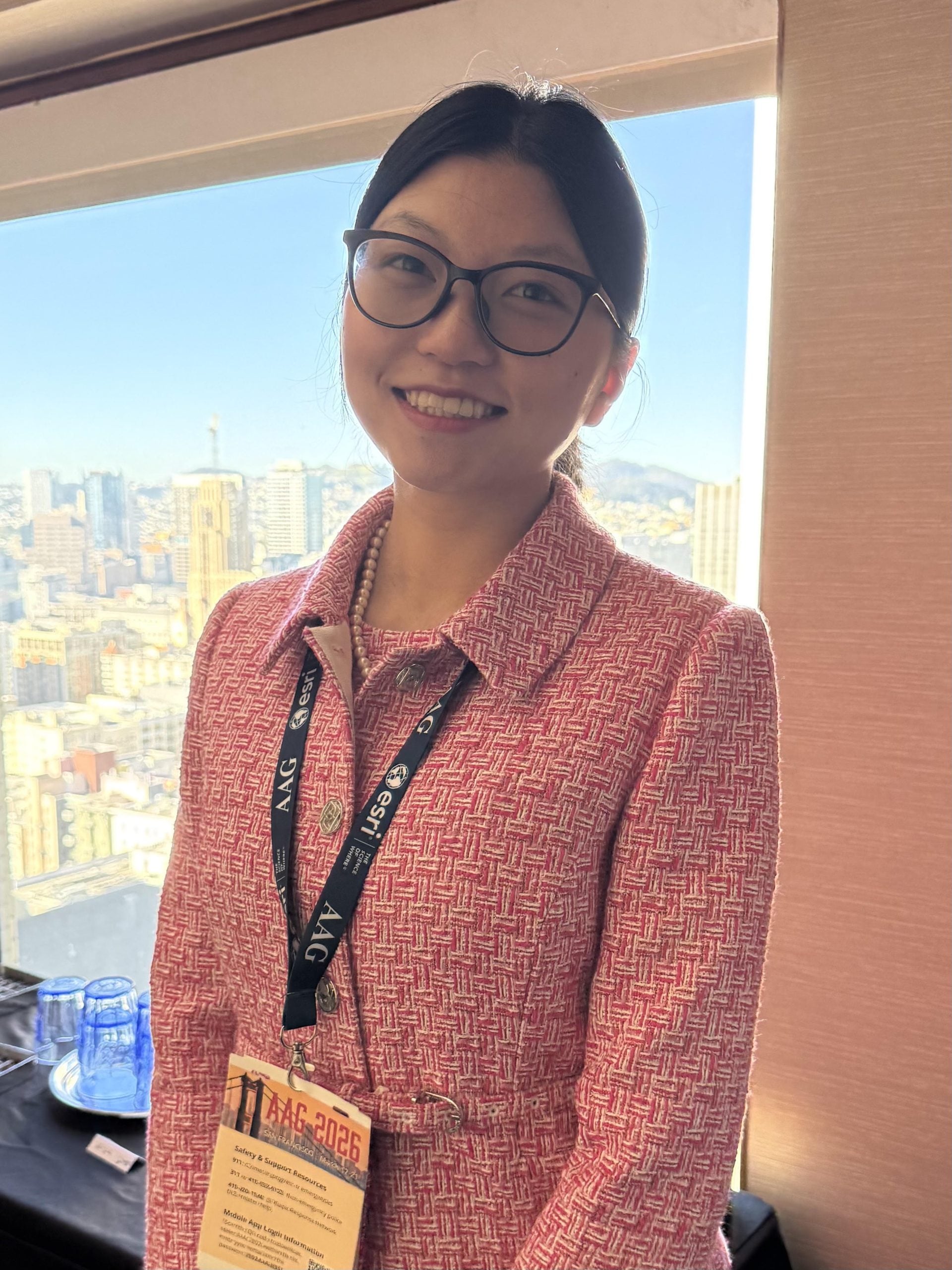
Finishing Fellowship Award – Spring 2026 – Sabrina Li

Li, Xinzhu
Xinzhu Li, PhD in Atmospheric Sciences, 2026

I am grateful to the Graduate Dean Awards Advisory Panel and the Dean for recommending me for the Finishing Fellowship. I also want to extend my sincere thanks to my advisor, Dr. Xin Xi, whose steadfast mentorship has been essential to my development as a researcher. His guidance has shaped my scientific rigor, curiosity, and confidence.

I joined Michigan Tech in Fall 2022 to pursue a PhD in Atmospheric Science, after earning my B.S. from Nanjing University of Information Science and Technology. My research focuses on windblown dust aerosol dynamics and their linkages with climate variability and land-use change. Although climate is a central topic in public discourse, significant uncertainty remains in prediction—uncertainty that motivates my work. Airborne dust influences the Earth’s energy balance, ocean biogeochemistry, air quality, and agricultural productivity; understanding its sources, transport, and impacts is therefore both scientifically important and societally relevant. During my studies, I have characterized global dust variability and its climate connections.

I am deeply appreciative of the opportunities and encouragement provided by the Finishing Fellowship. As a woman scientist, this milestone feels both personal and shared. I carry a hope—for myself and for all women in science: may your voice carry. As I near completion of my PhD, I look forward to contributing further to climate research and applying the skills I have gained to real-world challenges.

Finishing Fellowship Award – Spring 2026 – Anusha Kannan

The first time I attended a Sensation and Perception class as an undergraduate elective, I realized how much I enjoyed cognitive science. I was curious about how our minds work and why we make certain decisions. When I looked for programs to study this further, I found myself traveling from my home in Dubai all the way to Houghton. It was a long trip, but one of the best decisions I have made.

My research focuses on how we can reduce risk by using planning methods that help people think ahead. These methods can improve how we design human-AI systems. I am especially interested in making technology more human centered and safer to use. Right now, I am studying how drivers make decisions in high-risk situations, like railroad crossings. I hope this work helps improve safety and guides designers to create smarter and more helpful AI systems.

I want to sincerely thank the Graduate Dean Awards Advisory Panel for selecting me for this fellowship. I am also very grateful to my advisor, Dr. Elizabeth Veinott, for her constant support during my PhD. Her guidance and encouragement have helped me grow as a researcher and prepare for my future career.

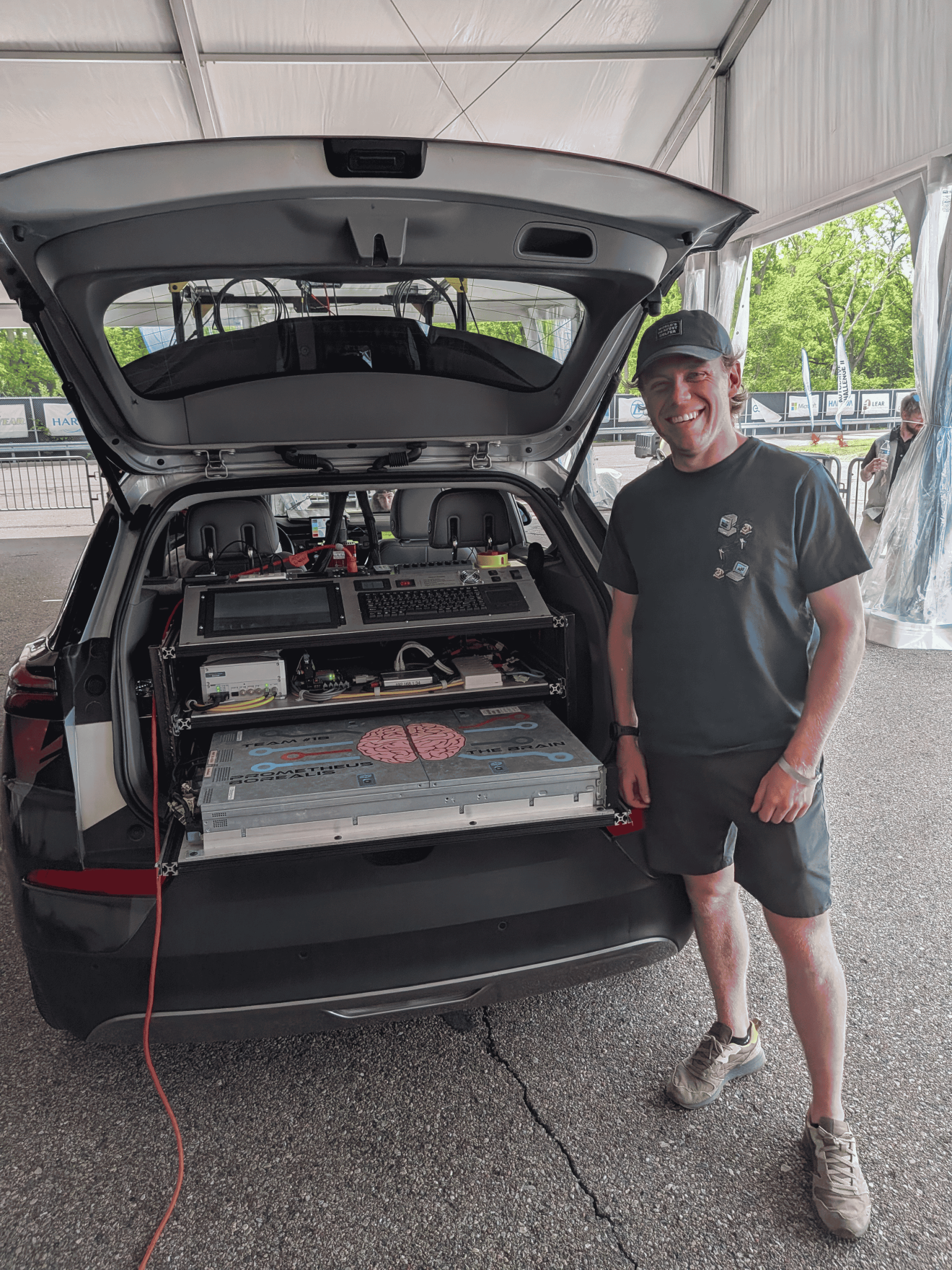
Finishing Fellowship Award – Spring 2026 – Andrew Robare

My journey at Michigan Tech started in 2012 when I earned a B.S. degree in Physics. In 2022, I started my PhD in Mechanical Engineering to apply my previous learning in Physics and Mechanical Engineering (M.S.).

My PhD research focuses on improving vehicle energy efficiency through Connected and Autonomous Vehicles (CAVs) technologies. The more knowledge the vehicle has about its environment and route, the better it can optimize its energy usage. For plug-in Hybrids, the decision of when to use the battery or fuel for propulsion can be optimized if the vehicle knows whether it will be entering or leaving a city. For Electric Vehicles, the decision on what route should be taken is informed by the true vehicle properties (passengers/cargo, external luggage) and available charging infrastructure. Through these technologies and others, our team achieved the 30% energy-saving goal in the NEXTCAR II project.

My PhD research has sent me on numerous trips for testing all around Michigan, along with trips for conferences across the country to discuss the project I am involved in. I have had the opportunity to work with partners at automotive companies and members of the Advanced Power Systems Research Center (APSRC).
As I finish my PhD, I am grateful to the Graduate Dean Awards Advisory Panel and the Dean for the opportunity that this fellowship provides. My sincere thanks to my co-advisors, Dr. Bo Chen and Dr. Jeffrey Naber, whose support and guidance have been invaluable. I look forward to applying all that I have learned at Michigan Tech in my future career in automotive research.

Finishing Fellowship Award – Spring 2026 – Vaishali Sharma

Sharma, Vaishali
Vaishali Sharma, PhD in Biological Sciences, 2026

From an early age, I was deeply fascinated by biology. Growing up, I witnessed how health challenges can affect individuals and families, which inspired me to pursue a path where I could contribute directly or indirectly to improving patients’ lives. That motivation has been the driving force behind my journey in science and research. Early in my academic career, I completed several internships at national research laboratories in India, followed by a semester-long internship at the South Dakota School of Mines in the United States. These experiences gave me a hands-on exposure to biological research and strengthened my passion for developing healthcare-related solutions.

Although I never considered myself an exceptional student, I have always carried an unwavering curiosity and determination to learn. Pursuing a PhD once felt like a distant dream, but today, as I stand on the threshold of completing it, that dream feels within reach. My doctoral research at Michigan Technological University, under the guidance of Dr. Caryn Heldt and Dr. Stephen Techtmann, focuses on understanding how viruses interact with antiviral materials and how these mechanisms can be harnessed to design safer, more effective antiviral technologies.

As I write this, I am completing a co-op at Regeneron Pharmaceuticals, where I am applying the skills and scientific mindset developed as a research assistant under Dr. Heldt and Dr. Techtmann to real-world biopharmaceutical research. This experience has been instrumental in bridging the gap between academic research and industrial application, deepening my appreciation for how fundamental science translates into tangible health solutions.

Throughout my PhD journey, I have been fortunate to represent Michigan Tech at an international workshop in France, present my research at scientific conferences, and collaborate with multidisciplinary teams. Each of these experiences has strengthened my confidence, broadened my perspective, and reaffirmed my passion for scientific discovery and innovation.

My time at Michigan Tech and in the Keweenaw Peninsula has been an incredibly rewarding chapter of my life. The opportunities, mentorship, and friendships I’ve found here have shaped me both personally and professionally. I am especially grateful to my advisors, Dr. Caryn Heldt and Dr. Stephen Techtmann, for their continued support, encouragement, and belief in my potential throughout this journey. I also extend my sincere thanks to the Graduate Dean Awards Advisory Panel for awarding me the Doctoral Finishing Fellowship, which will allow me to focus on completing my dissertation and taking the next steps toward my career goals. This recognition is truly meaningful and marks an important milestone in my lifelong goal of using science to help others.