Tag: Finishing Fellowship

Summer 2026 Finishing Fellowship Nominations Open

Applications for Summer 2026 finishing fellowships are being accepted and are due no later than 4 p.m. on February 24, 2026 to the Graduate School. Please email applications to gradschool@mtu.edu.

Instructions on the application and evaluation process are found online. Students are eligible if all of the following criteria are met:

  1. Must be a PhD student.
  2. Must expect to finish during the semester supported as a finishing fellow.
  3. Must have submitted no more than one previous application for a finishing fellowship.
  4. Must be eligible for candidacy (tuition charged at Research Mode rate) at the time of application.
  5. Must not hold a final oral examination (“defense”) prior to the start of the award semester.

Finishing Fellowships provide support to PhD candidates who are close to completing their degrees. These fellowships are available through the generosity of alumni and friends of the University. They are intended to recognize outstanding PhD candidates who are in need of financial support to finish their degrees and are also contributing to the attainment of goals outlined in The Michigan Tech Plan. Students who receive full support through a Finishing Fellowship may not accept any other employment. For example, students cannot be fully supported by a Finishing Fellowship and accept support as a GTA or GRA.

Finishing Fellowship Award – Spring 2026 – YI ZHI CHU

Chu, Yi Zhi
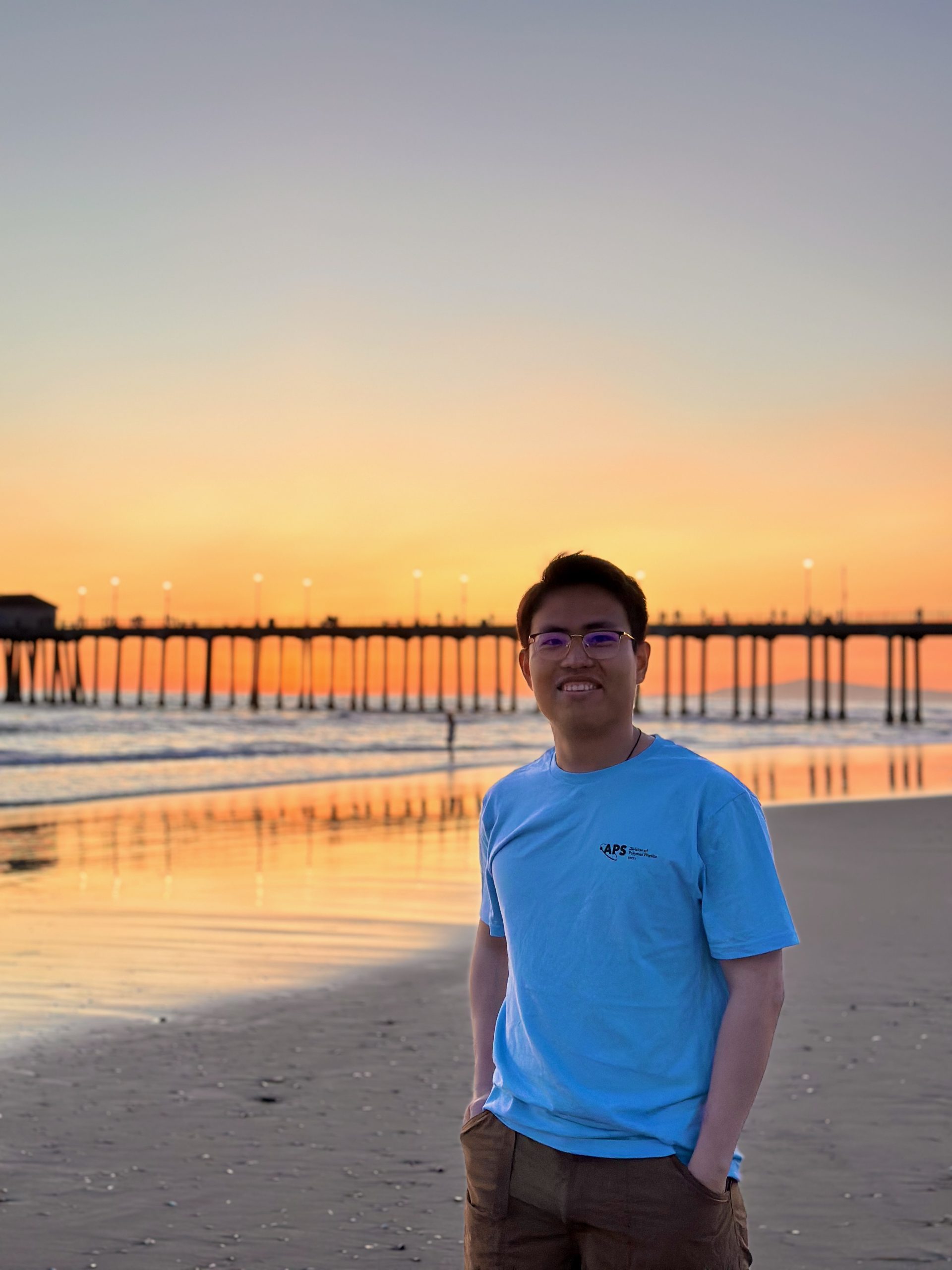
Yi Zhi Chu, PhD in Physics, 2026

Which novel materials can be considered for next-generation energy storage applications? Can we design new materials with comparable or even superior mechanical properties by simply substituting their constituent chemical elements? These are some of the questions that have motivated my pursuit of research in computational materials physics.

My journey as a Ph.D. candidate began when I joined the Department of Physics at Michigan Technological University in Fall 2021 with Professor Ravindra Pandey as my advisor. My research focuses on theoretical and computational modeling of materials using Density Functional Theory (DFT), an efficient and powerful approach that allows us to predict materials’ properties from first-principles atomistic simulations.

Working with my co-advisor, Professor Kah Chun Lau, I study the potential hydrogen storage applications of a novel material on a Department of Energy (DOE) funded collaborative project. In addition, during my time at Tech, I have also had the privilege of contributing to the modeling of photocathode materials at Los Alamos National Laboratory. Through these projects, I have been able to explore and address questions that contribute to advancing next-generation energy applications.

I am deeply grateful to the Graduate Dean Awards Advisory Panel for recommending and awarding this fellowship, which supports the final stage of my Ph.D. journey at Tech. I would also like to express my sincere appreciation to my advisors for their unwavering support and guidance.

Finishing Fellowship Award – Fall 2025 – Victor Humanes Fuente

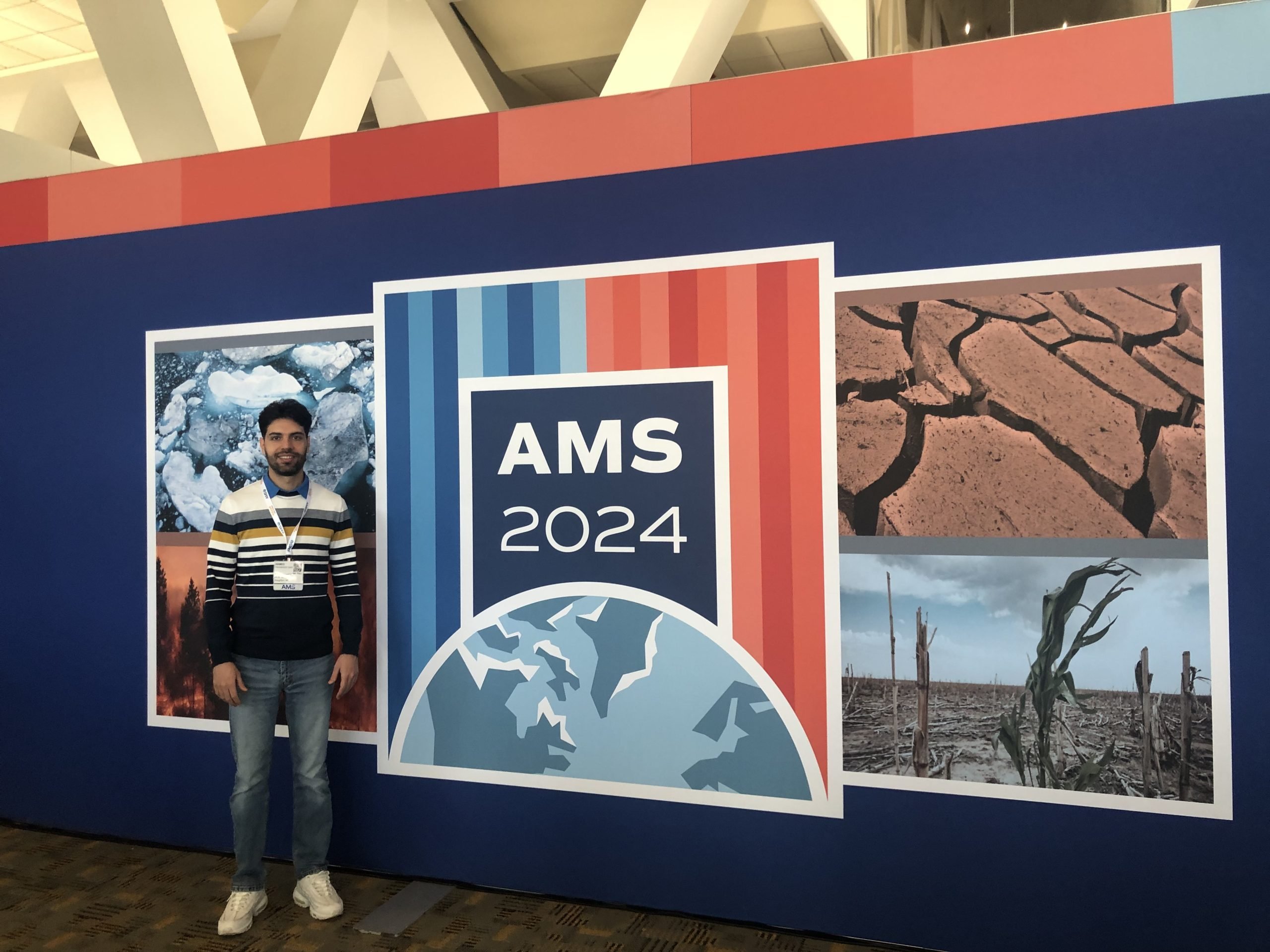
Victor Humanes Fuente, PhD in Forest Science, 2025

“My unexpected doctoral journey at Michigan Technological University began in June 2022, when I transferred from New York to continue my research under the guidance of Dr. Steve Voelker. This transition was driven by my commitment to an ambitious project I began a year earlier, focused on reconstructing climate variability in the Lake Superior region and understanding large-scale atmospheric circulation patterns across North America.

Over the past four years, my research has taken me to numerous lakes and creeks throughout Michigan’s Upper Peninsula, where, with the support of Dr. Voelker and a dedicated team of undergraduate and graduate students, we have collected thousands of submerged white pine samples preserved underwater for centuries.

Following previous evidence suggesting that white pines growing in specific locations across this region could be highly sensitive to climate, our project aims to determine whether carbon and oxygen stable isotopes in annual growth rings of white pine trees can be used to reliably reconstruct both winter climate conditions along the southern shores of Lake Superior and atmospheric circulation patterns across North America over the past 500 years.

The data we have collected have also enabled us to investigate the effect of Lake Superior on local and regional climate, and how this translates into tree stable isotope variability both spatially and among species. Beyond reconstructing climate, our data have enabled analyses of white pine long-term population dynamics, shedding light on the drivers of white pine fluctuations over centuries.

This research has been made possible through Dr. Steve Voelker’s vision and successful securing of NSF funding, critical financial support from the College of Forest Resources and Environmental Science, and Michigan Tech’s Finishing Fellowship, which will support the completion of my dissertation during the Fall 2025 semester.”

Finishing Fellowship Award – Fall 2025 – Eugene Brown Agyei

Eugene Brown Agyei, PhD in Rhetoric, Theory and Culture, 2025

“I began my Ph.D. in the Rhetoric, Theory and Culture program in the Humanities Department in 2021. With a deep interest in understanding how emerging media technologies shape different aspects of human communication, my research has largely centered on the intersection of new media technologies, digital communication and collective action.

My dissertation explores the role of social media algorithms in collective action, with a particular focus on how they shape the structure, visibility and effectiveness of digital activism networks. Using #FixTheCountry in Ghana and #EndSARS in Nigeria as case studies, I investigate the relationship between the organizing strategies of activists (both online and offline) and the affordances and constraints of Twitter (now X). I use computational social network analysis and in-depth interviews to examine activists’ awareness of the platform and network effects, and to explore whether algorithmic folk theories and/or obfuscation techniques play a role in how they use social media for collective action.

During my time at Michigan Tech, I have presented my work at international conferences, including the International Communication Association (ICA) in Canada and Australia, and taught courses in Professional and Technical Communication and Composition. Together, these experiences have been integral to my Ph.D. journey and deepened my engagement with the field of communication. In Fall 2024, I received the Dean’s Outstanding Graduate Teaching Award.

I am incredibly honored to receive the Doctoral Finishing Fellowship from the Graduate School. I truly appreciate the recognition from the Graduate Dean Awards Advisory Panel and the dean, and I’m especially grateful to the donors whose generosity makes this support possible. I would also like to express my sincere appreciation to my advisor, Dr. Sarah Bell, for her support, and to my committee members, Dr. Stefka Hristova, Dr. Richard Canevez, and Dr. Brooke Foucault Welles, for their guidance. I’m also thankful to all the faculty in the Humanities Department for their encouragement throughout this journey.”

Finishing Fellowship Award – Fall 2025 – Simahudeen Bathir Jaber Sathik Rifayee

Simahudeen Bathir Jaber Sathik Rifayee, PhD in Chemistry, 2025

“I am deeply honored and humbled to have been awarded the Doctoral Finishing Fellowship at Michigan Technological University. My heartfelt thanks go to the Graduate School and the Graduate Dean Awards Advisory Panel for recognizing my research and supporting me at this stage of my journey. First and foremost, I am profoundly grateful to my advisor, Dr. Christo Z. Christov, for taking me under his guidance and for his unwavering support throughout my PhD. His mentorship has been invaluable in shaping both my research and personal growth as a scientist.

Before joining MTU, I completed my B.S. in Chemistry at The New College, Chennai, India, and my M.S. in Chemistry at Vellore Institute of Technology, Vellore, India. In Spring 2021, I began my PhD research in the Department of Chemistry at MTU, focusing on the computational exploration of catalytic mechanisms of non-heme Fe(II)/2-oxoglutarate enzymes.

My research aims to understand the factors that influence enzyme reactivity and the bifurcation of catalytic pathways – insights that can inform experimental efforts in drug design and enzyme engineering. To this effect, I have employed a variety of computational chemistry techniques, including Molecular Dynamics (MD), Quantum Mechanics (QM), and hybrid Quantum Mechanics/Molecular Mechanics (QM/MM) approaches, to probe the structure-function relationships in enzyme catalysis.

During my Ph.D., I contributed to two significant projects. The first was an NSF-funded project on the Ethylene Forming Enzyme (EFE), where my research uncovered a second branch point in the catalytic mechanism of EFE using MD and QM/MM techniques. The second project was an NIH-funded investigation into Histone Demethylases (KDMs). In this project, I examined the distinct catalytic activity of the KDM6 family of enzymes, particularly focusing on the catalysis of different alkylated substrates by KDM6B. These findings have the potential to guide the design of novel peptide therapeutics.

I am eager to continue building upon these discoveries and to further contribute to the field of computational biochemistry. The knowledge, skills, and insights I have acquired during my PhD, from mastering advanced computational techniques such as MD, QM, and QM/MM, to elucidating intricate enzyme mechanisms, have provided me with a foundation to address challenging problems at the intersection of chemistry and biology. This experience has not only deepened my knowledge of enzyme catalysis but has also honed my capacity to design and interpret computational experiments that can guide and complement experimental efforts.

I am confident that the expertise I have cultivated at MTU will be instrumental in my future research career, enabling me to pursue impactful work in drug discovery, enzyme engineering, and beyond. I eagerly anticipate utilizing this foundation to explore novel questions, collaborate across disciplines, and make meaningful contributions to advancing science.
Once again, I extend my sincere gratitude to the Graduate School, the advisory panel, and all who have provided me with support throughout this journey. I eagerly anticipate the next chapter in my career, driven by the curiosity and passion that have propelled me thus far.”

Finishing Fellowship Award – Fall 2025 – Ayush Chutani

Ayush Chutani, PhD in Mechanical Engineering, 2025

“I’ve always been passionate about renewable energy and its potential to transform our world, particularly in challenging environments like snowy northern climates. My journey at Michigan Tech began with earning my Master’s degree in 2019, followed by starting my PhD in Mechanical Engineering in Fall 2021. My doctoral research focuses on optimizing single-axis solar trackers to enhance solar energy efficiency and resilience against snow accumulation. Specifically, my work involves developing innovative methods to accurately estimate and mitigate snow-induced energy losses, which is critical for improving the reliability and efficiency of solar power installations in northern latitudes. My dissertation research has led to an application for a patent focused on a smart control algorithm designed for snow mitigation, which holds significant potential benefits for the solar energy industry.

Throughout my time at Michigan Tech, I’ve been fortunate to engage in practical projects, including hybrid microgrids and life-cycle assessments. Representing Michigan Tech at international forums such as the United Nations COP for three consecutive years has provided me with a global perspective and reinforced my commitment to sustainable energy solutions. Additionally, obtaining a graduate certification in sustainability and resilience has significantly shaped my approach to addressing engineering challenges.

I’m deeply thankful to my advisor, Dr. Ana Dyreson, for her invaluable mentorship and continuous support. I also extend my gratitude to the Graduate School, the Mechanical Engineering Department, and the Dean’s Advisory Panel for awarding me the Finishing Fellowship, which has allowed me the dedicated time to complete my dissertation. Michigan Tech’s supportive and collaborative environment has greatly contributed to my personal and professional growth.”

Finishing Fellowship Award – Fall 2025 – Ben Jewell

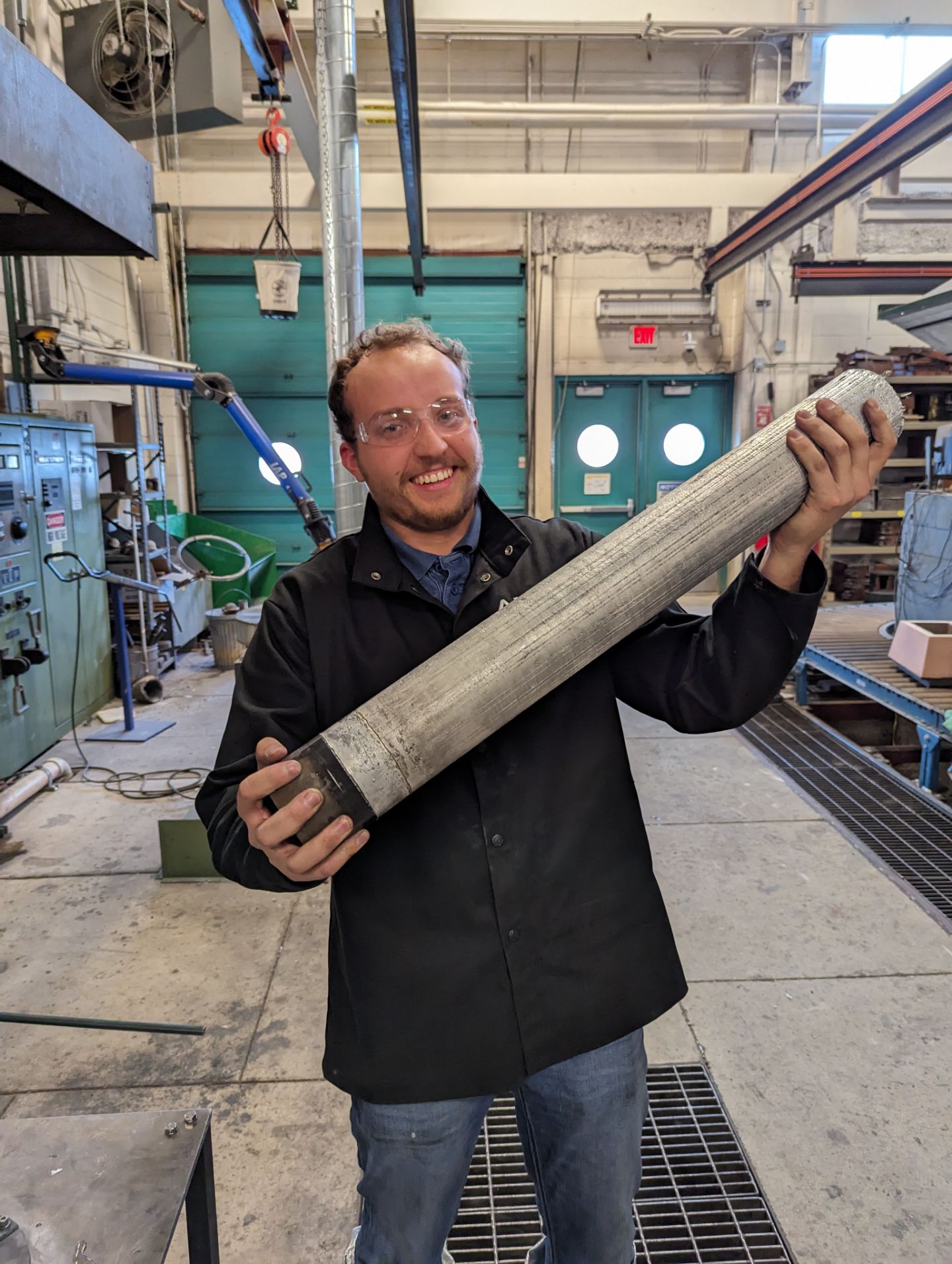
“It feels pretty surreal to have my time at MTU coming to an end. I started here as an undergrad in 2017, never thinking I would pursue grad school, let alone a PhD, and yet, here I am. Over the years, I’ve fallen in love with the Keweenaw and discovered a deep passion for research and learning. Leaving this place won’t be easy, but I’m sure it will not be goodbye forever.

Throughout my undergraduate and graduate research career, I’ve had the opportunity to work on a variety of exciting projects under the mentorship of Dr. Trisha Sain. My work has included studies on 3D-printed materials, polymer composites, thermoplastics, and epoxy resins. Most recently, my focus has been on understanding the hydrolytic and oxidative aging of a recyclable epoxy known as a vitrimer. This research not only advances sustainable material development but also reflects my broader goal of using science to make a meaningful, positive impact.

I’m incredibly grateful to receive this fellowship and for all the support I’ve had along the way, from faculty mentors to lab mates and friends. This recognition reinforces my motivation to continue contributing to the field and makes it possible for me to complete the final stages of my PhD. Thank you for this opportunity.”

Finishing Fellowship Award – Fall 2025 – Don Lee

Don Lee, PhD in Environmental and Engineering Policy, 2025

“I’m honored and grateful for the consideration of the Graduate School and the Graduate Dean Awards Advisory Panel for this recognition and the opportunity afforded by the Doctoral Finishing Fellowship. I would like to thank my friend and advisor Dr. Chelsea Schelly for her unwavering support as I chart my course through the challenges of pursuing a PhD, as well as my committee members including Dr. Ana Dryeson, Dr. Roman Sidortsov, and Dr. LouAnn Wurst for their wisdom, patience, and insight.

I was driven to pursue my PhD by the recognition that climate change is an existential threat perpetuated by social systems of power that are out of the reach of the average person. The transition to renewable energy represents an opportunity to not only transform energy systems with the redistribution of energy as electrons that create physical work, but also the redistribution of social power as a mechanism for cultural, political, and ecological self-determination through political and economic empowerment.

My dissertation work is focused on the benefits of conferring decision-making power to people impacted by the energy transition to ensure that solutions match cultural, technical, and social needs and wants, ameliorate past harms, and benefit impacted communities without disproportionate burdens. This research involves exploring community-engaged research, concepts of sovereignty, and analyses of federal Tribal law and policy and its implications for Tribal energy development, sovereignty, and self-determination.

Ultimately, my goal is to continue charting pathways toward a just energy future where people have access to the energy as an instrumental good, recognizing the intrinsic value and inherent sovereignty of all communities of life.”

Finishing Fellowship Award – Fall 2025 – Shaoqin Chen

Shaoqin Chen, PhD in Material Science and Engineering, 2025

“I am truly honored to receive the Finishing Fellowship. I would like to sincerely thank the Graduate School and the Graduate Dean Awards Advisory Panel for this recognition and support as I complete my Ph.D. studies.

I am a fourth-year Ph.D. candidate in the Department of Materials Science. My research focuses on advancing environmental chemistry through innovative approaches to greenhouse gas utilization, plastics recycling, photocatalysis, supercapacitors, and carbon materials. I am passionate about developing solutions to some of the most pressing environmental challenges of our time.

During my doctoral studies, I have published ten peer-reviewed papers, nine of which I authored as first author. These publications reflect my commitment to conducting independent, high-quality research and contributing valuable insights to the scientific community. My work is characterized by creativity, technical rigor, and a strong emphasis on sustainability.

Beyond research, I take pride in fostering collaboration and mentorship within my lab. I have enjoyed working closely with interdisciplinary teams and guiding younger students as they begin their own research journeys. Balancing mentorship with my own projects has been a rewarding part of my graduate experience.

Looking ahead, I am committed to pursuing a career in academia. My goal is to become a professor at a leading university, where I can continue my research in environmental chemistry and help train the next generation of scientists. With a solid research foundation and a vision for addressing critical environmental issues, I am excited to contribute to the field as both a researcher and an educator.”

Finishing Fellowship Award – Fall 2025 – Kwadwo Boateng

Kwadwo Boateng, PhD in Civil Engineering, 2025

“I am honored to receive the Doctoral Finishing Fellowship Award from the Graduate School and the Graduate Dean Awards Advisory Panel. I extend my gratitude to my advisor, Dr. Zhanping You, for his guidance and support, as well as to the faculty and staff of the Department of Civil, Environmental, and Geospatial Engineering.

My research focuses on analyzing the effects of aging on asphalt binder performance by characterizing the chemical properties and mechanical performance of recycled rubber asphalt binder and mixtures. In the United States, approximately 300 million waste tires are produced each year, and these tires are non-biodegradable. Utilizing waste tires in asphalt pavement offers an environmentally sustainable solution for their disposal.

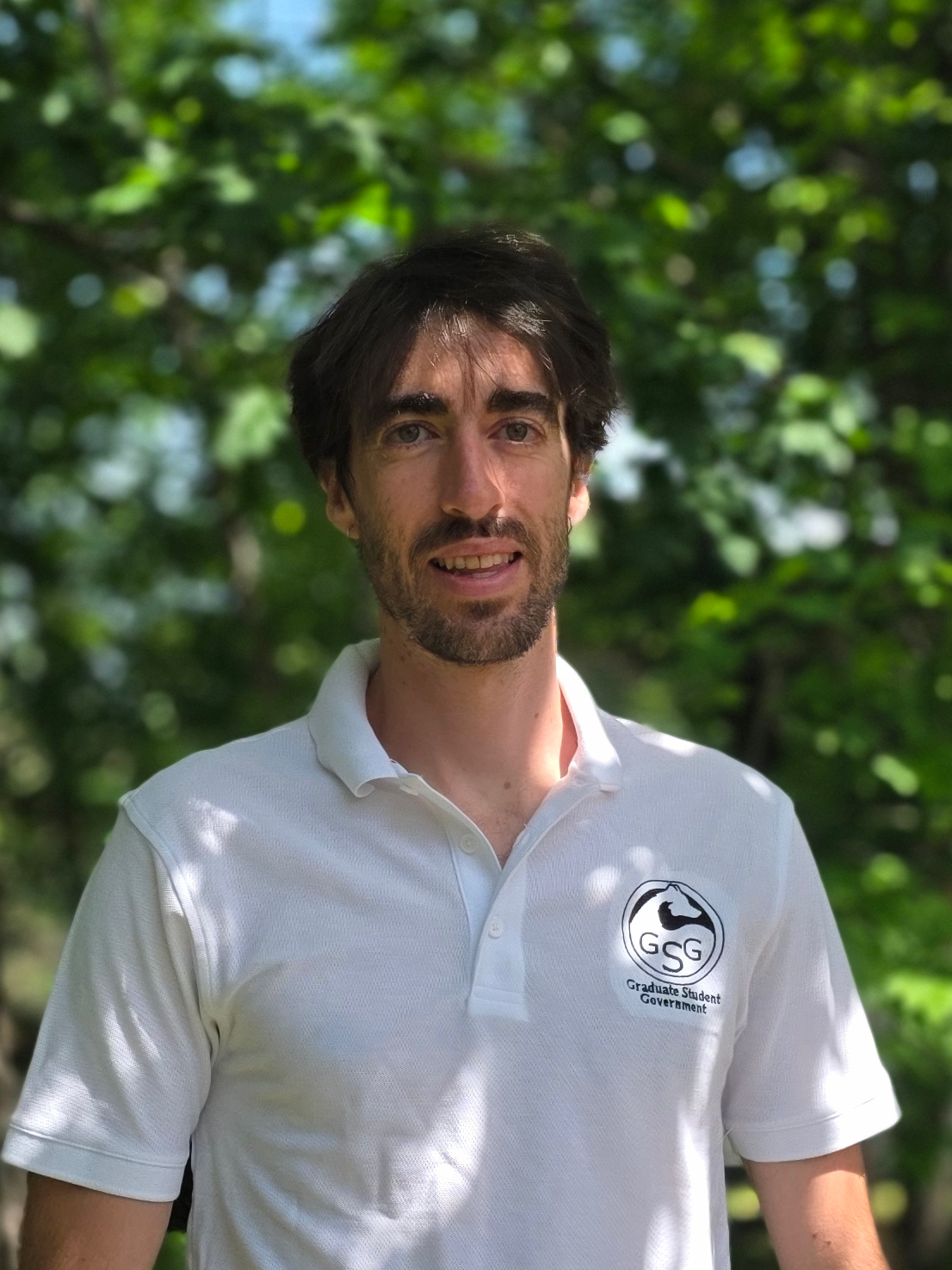
During my time at Michigan Tech, I have had numerous opportunities to develop my leadership and academic skills. I have served as a graduate student government representative for my department, volunteered as a facilitator for Orientation to Graduate Studies and Research, and instructed Prep4Tech, a math course designed for incoming engineering students at Michigan Technological University.

As I approach the final stages of my time at Michigan Tech, I am truly grateful for this fellowship. It will provide essential support in completing my research and advancing my career. I am looking forward to applying the knowledge gained at Michigan Tech in the field of asphalt pavement research.”