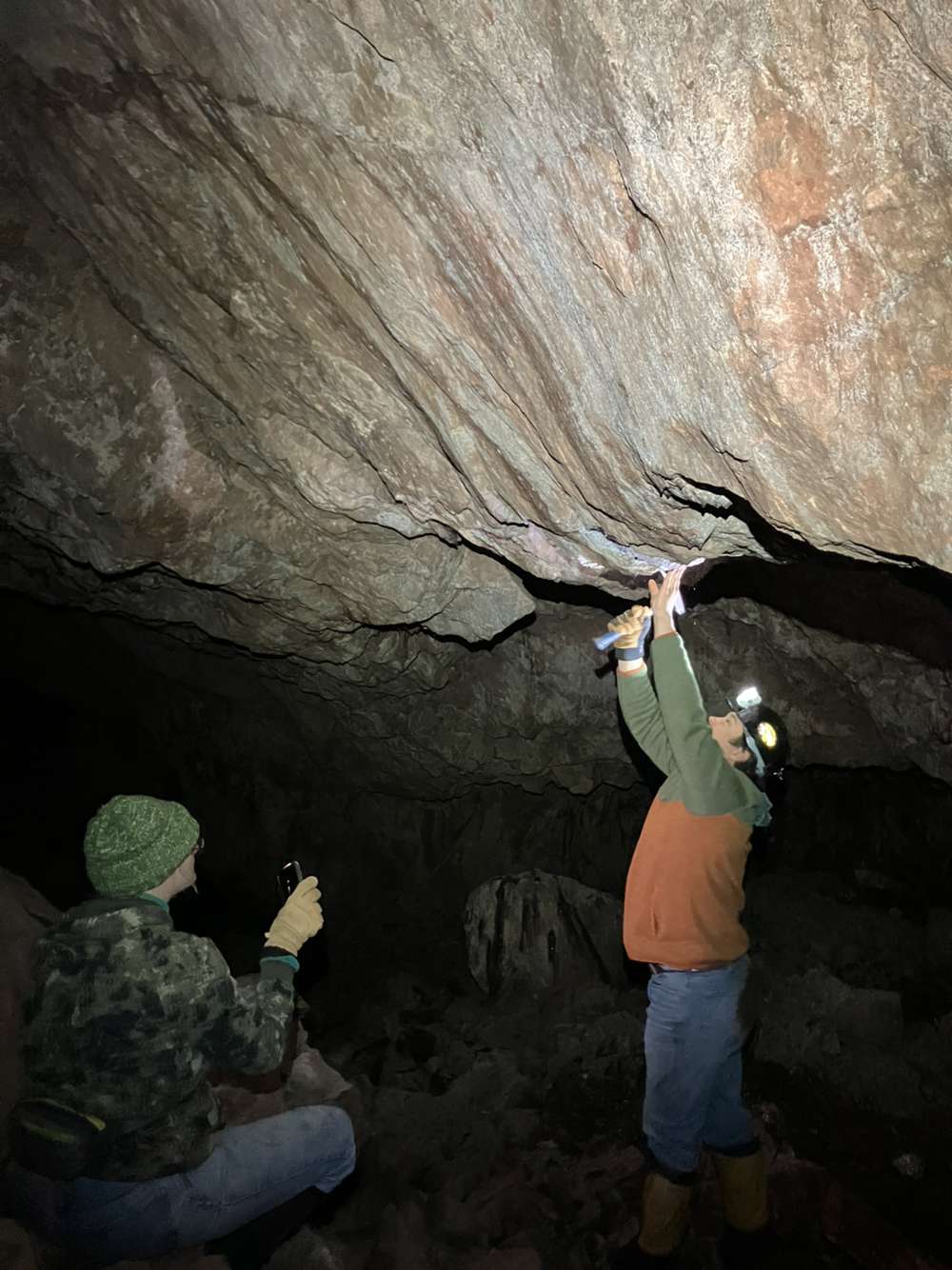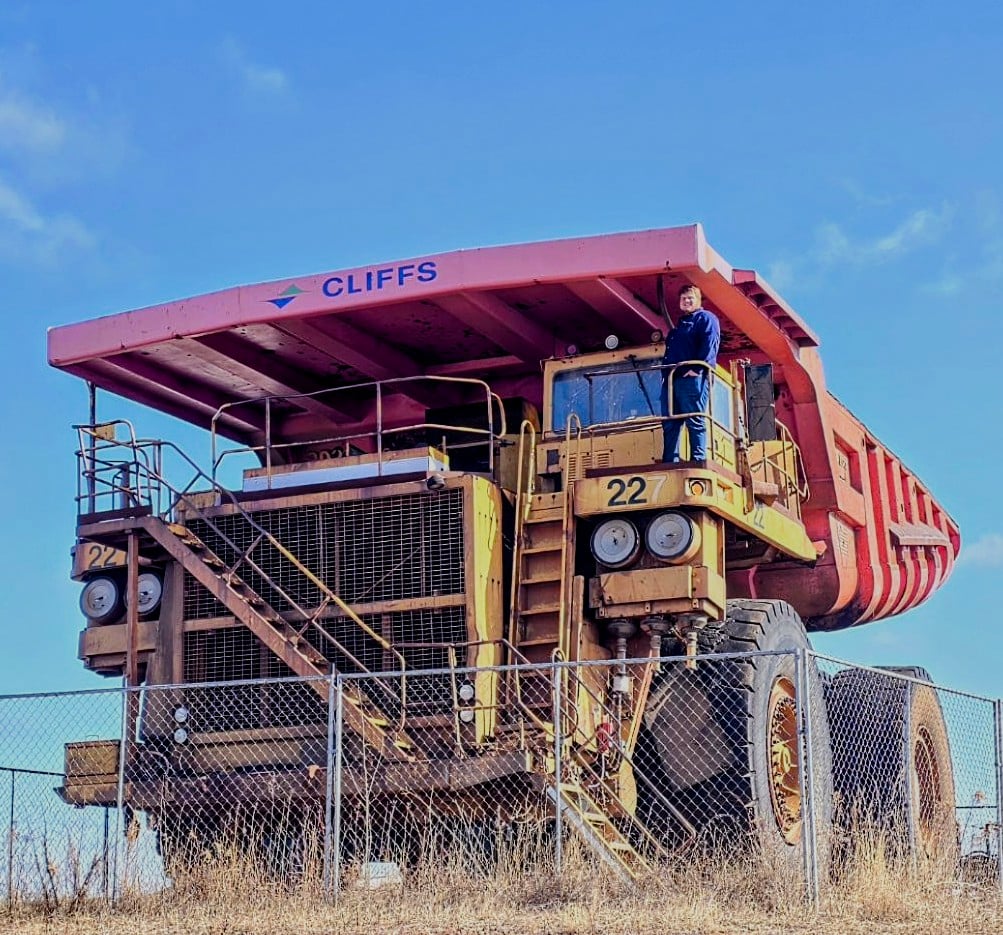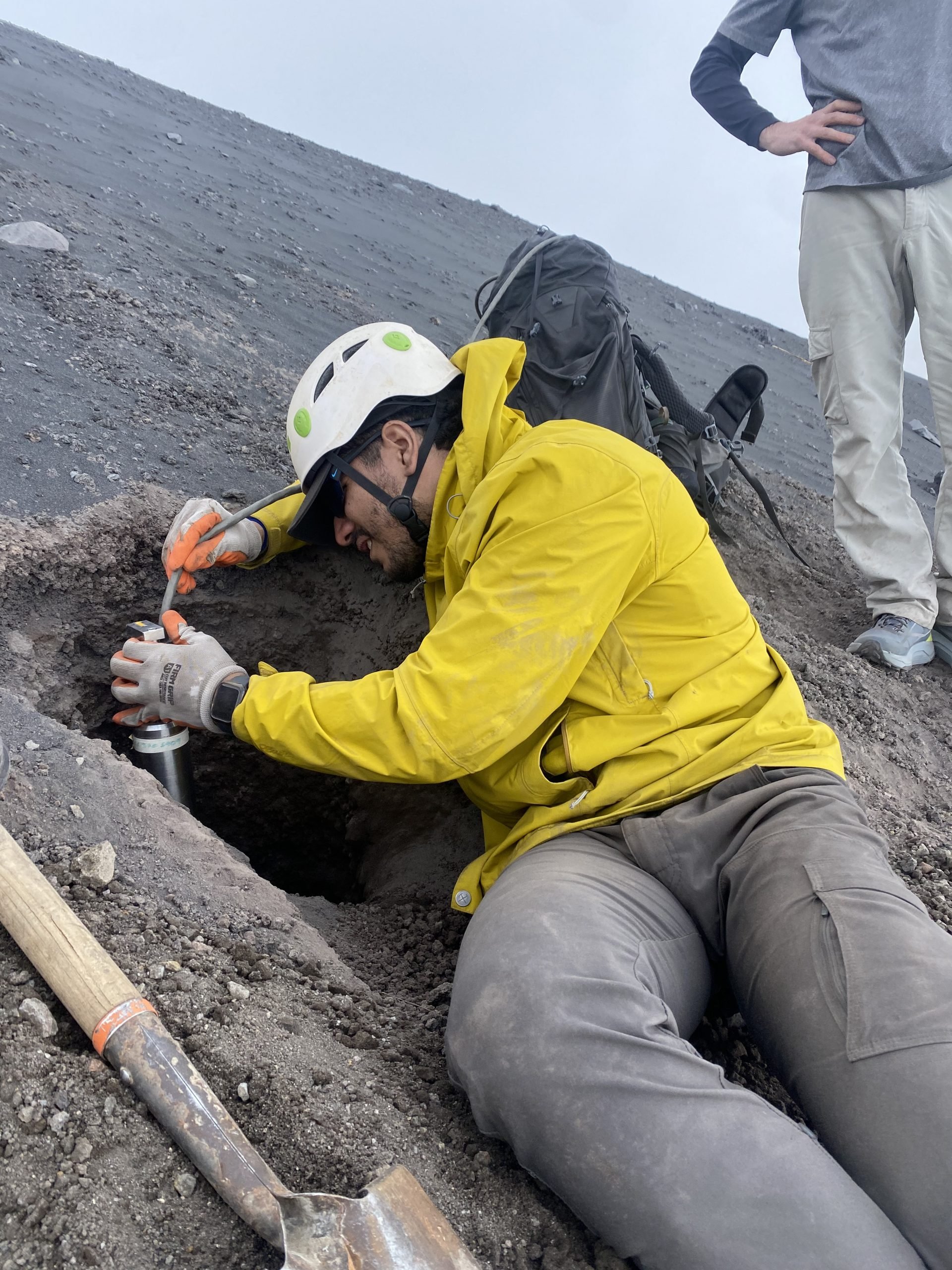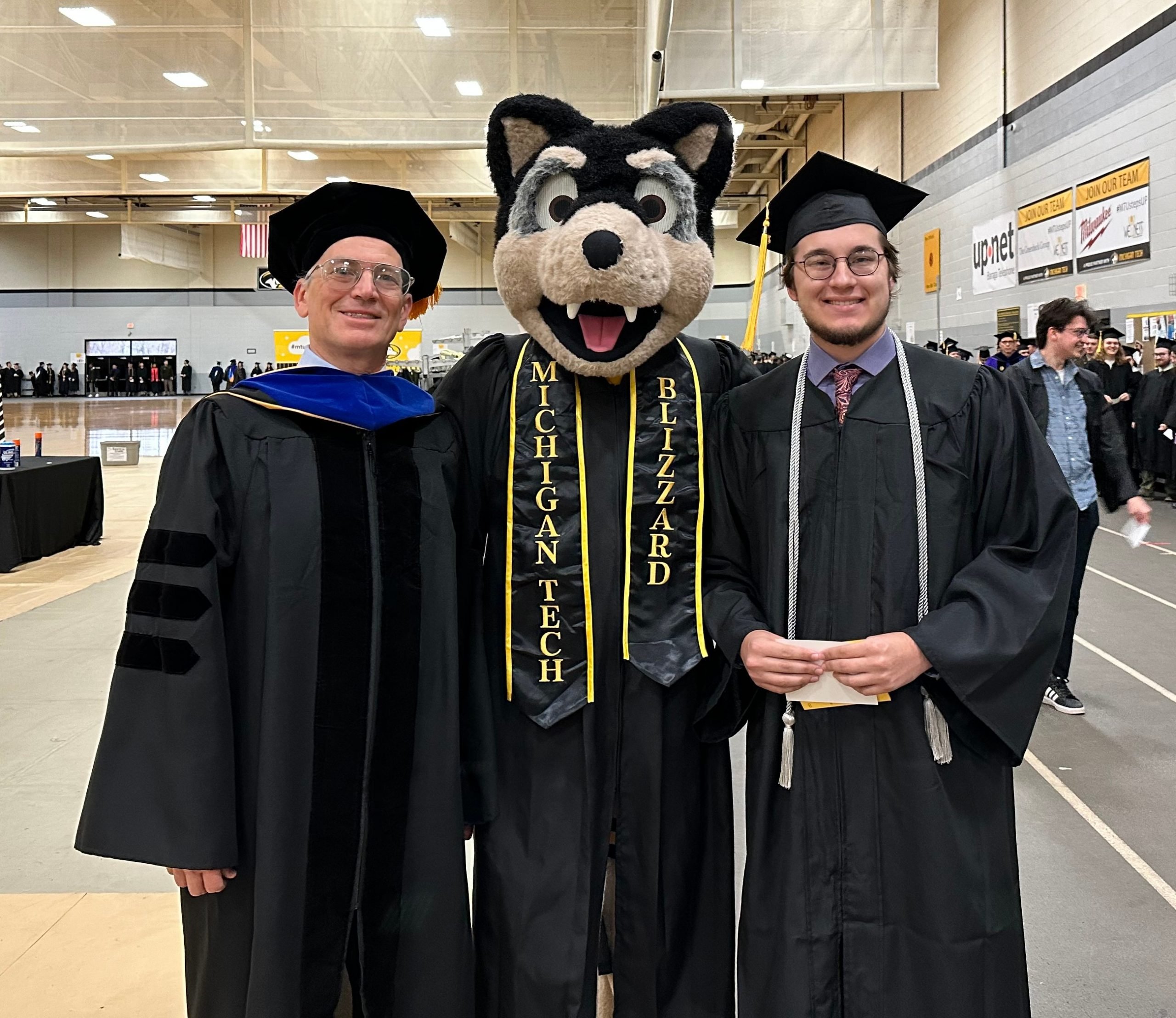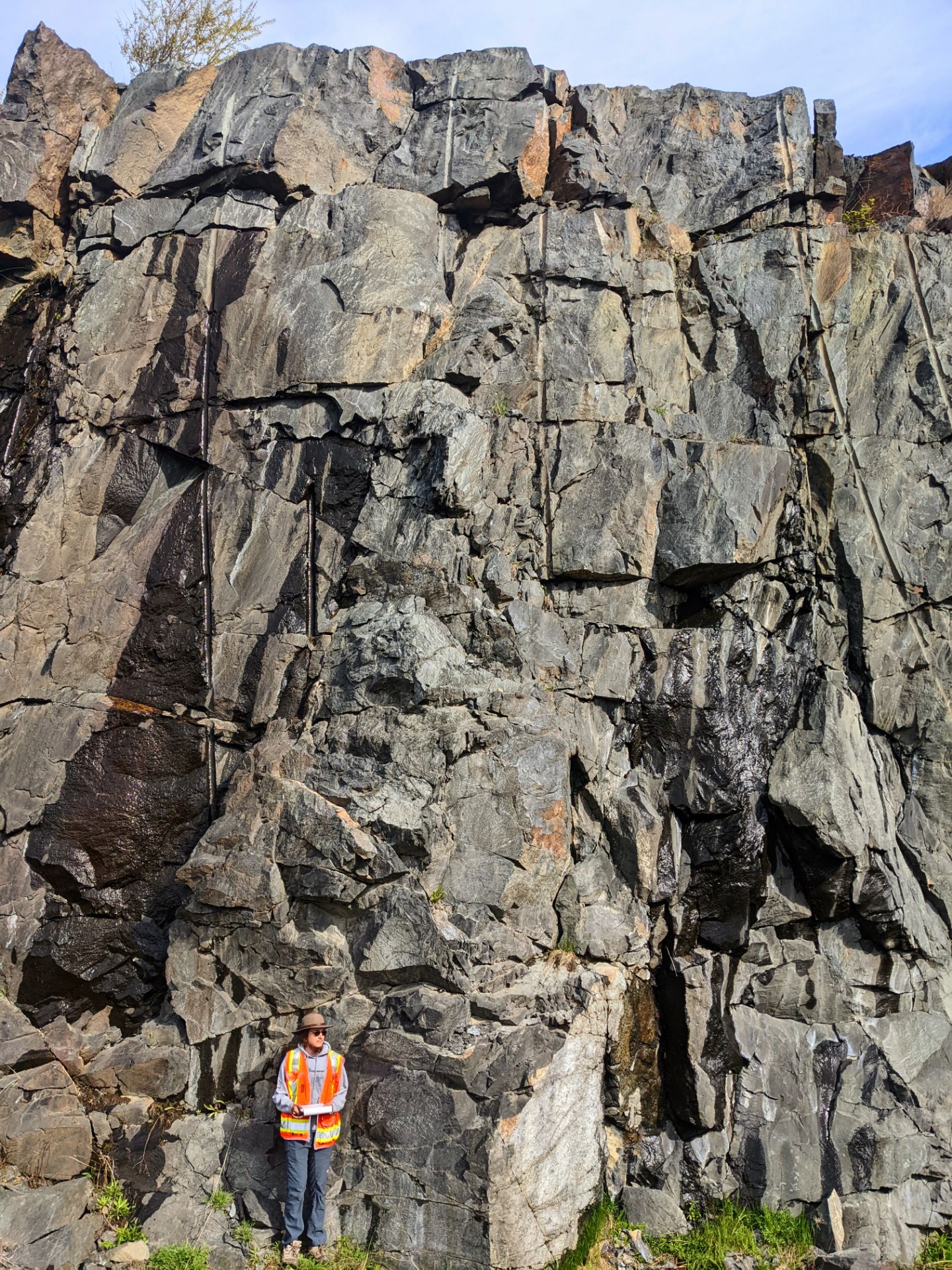
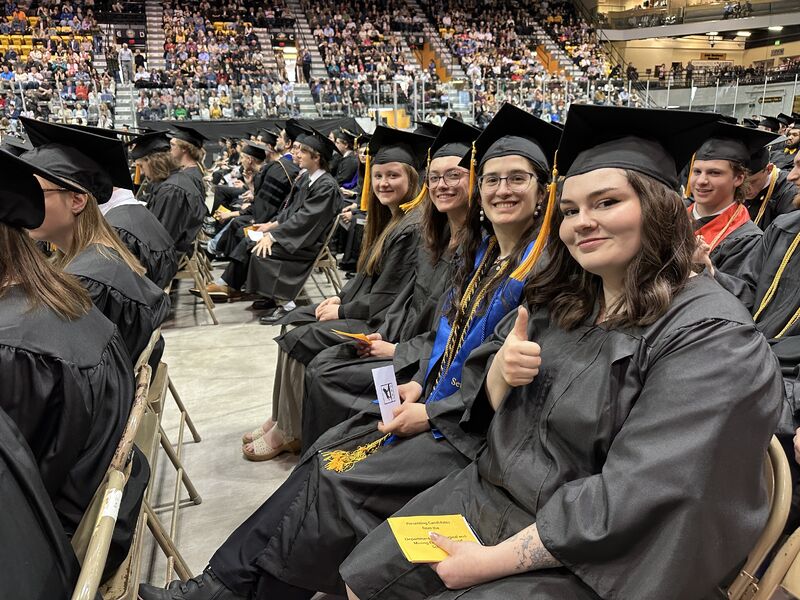
GMES is proud to announce and celebrate the accomplishments of our Spring 2026 graduates. These dedicated students have conducted research, completed rigorous coursework, and made meaningful contributions to our academic community. Their hard work and perseverance have prepared them to take the next step as professionals and researchers in the fields of geosciences, mining, and engineering. Please join us in congratulating the following graduate students:
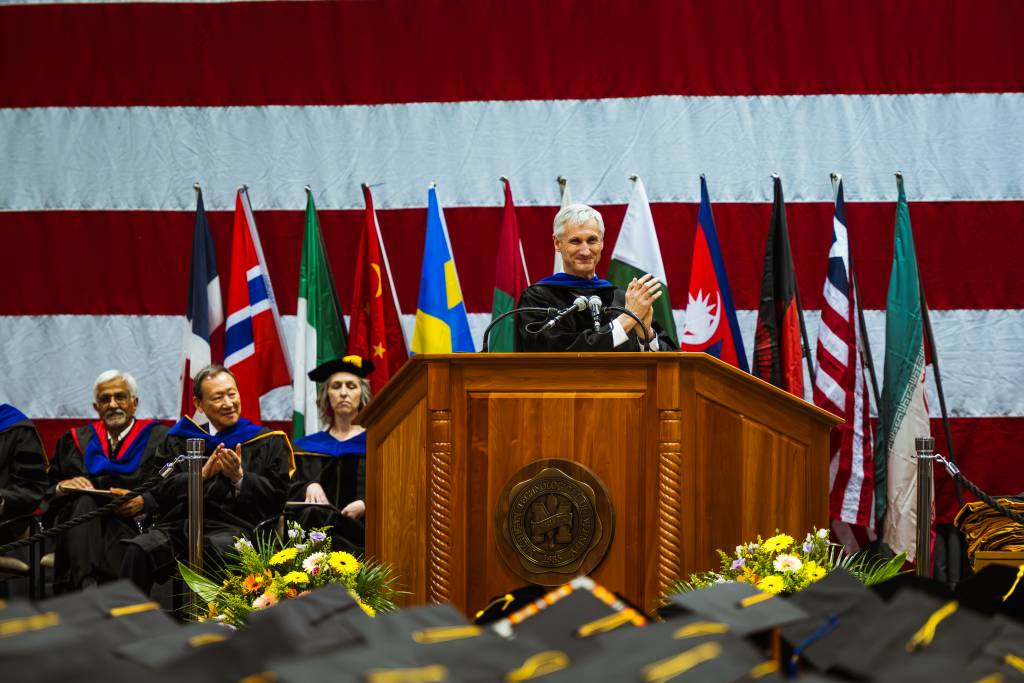
Celebrating Our Fall 2025 MS & PhD Graduates
GMES is proud to announce and celebrate the accomplishments of our Fall 2025 graduates. These dedicated students have conducted research, completed rigorous coursework, and made meaningful contributions to our academic community. Their hard work and perseverance have prepared them to take the next step as professionals and researchers in the fields of geosciences, mining, and engineering. Please join us in congratulating the following graduate students:
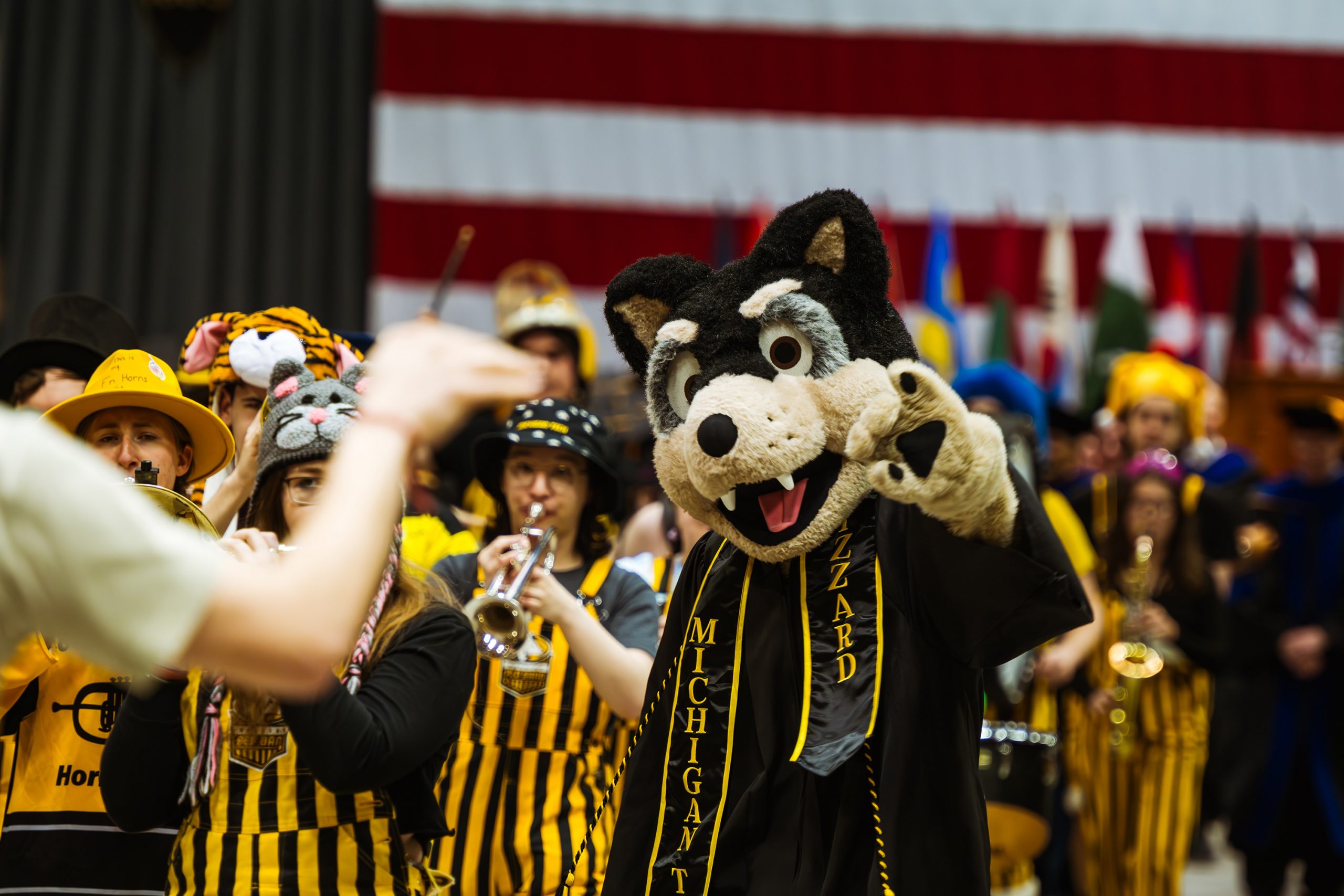
Sananda Ray, PhD, Geophysics
Rolla Asiedu, MS Geology
Elijah Dosapati, MS Mining Engineering
Seth Farmer, MS Geology
Kudakwashe (Kuda) T. Mutanga, MS Mining Engineering
Akintunde (Stephen) Samakinde, MS Geological Engineering
We are incredibly proud of each of these graduates and look forward to seeing the impact they will make in their careers and beyond. Congratulations to the graduate student class of 2025!
Congratulations to Our Fall 2025 Bachelor of Science Graduates!
GMES is proud to celebrate the achievements of our Fall 2025 Bachelor of Science graduates—students who have built the skills and knowledge to become the next generation of geoscientists and engineers. Please join us in congratulating:
Matthew Keebaugh, BS Mining Engineering
Luke Mariuzza, BS Geological Engineering
Carl Rich, BS Geology
Kiera Watson, BS Geology
Honoring our award and scholarship recipients:
Graduate Certificate in Geoinformatics
- Kudakwashe (Kuda) T. Mutanga
Outstanding Scholarship Award
Outstanding Teaching Assistant Award
Finishing Fellowship Recipients
- Gabriel Ahrendt, Ph.D. in Geophysics
- Xinzhu (Sabrina) Li, Ph.D. in Atmospheric Sciences
The Department of Geological and Mining Engineering and Sciences (GMES) at Michigan Technological University is always looking for opportunities to expand our education and research into new, forward-looking areas. Drone-based geophysics is one such area—an emerging field that is rapidly transforming how we investigate and understand the subsurface.
Drone-based geophysics offers remarkable potential for geoscience and engineering practice. By
combining unmanned aerial systems with advanced geophysical sensors, we can safely and efficiently
collect high-resolution data in challenging or previously inaccessible environments. These capabilities
are reshaping mineral exploration, environmental assessment, hazard mapping, and infrastructure
monitoring.
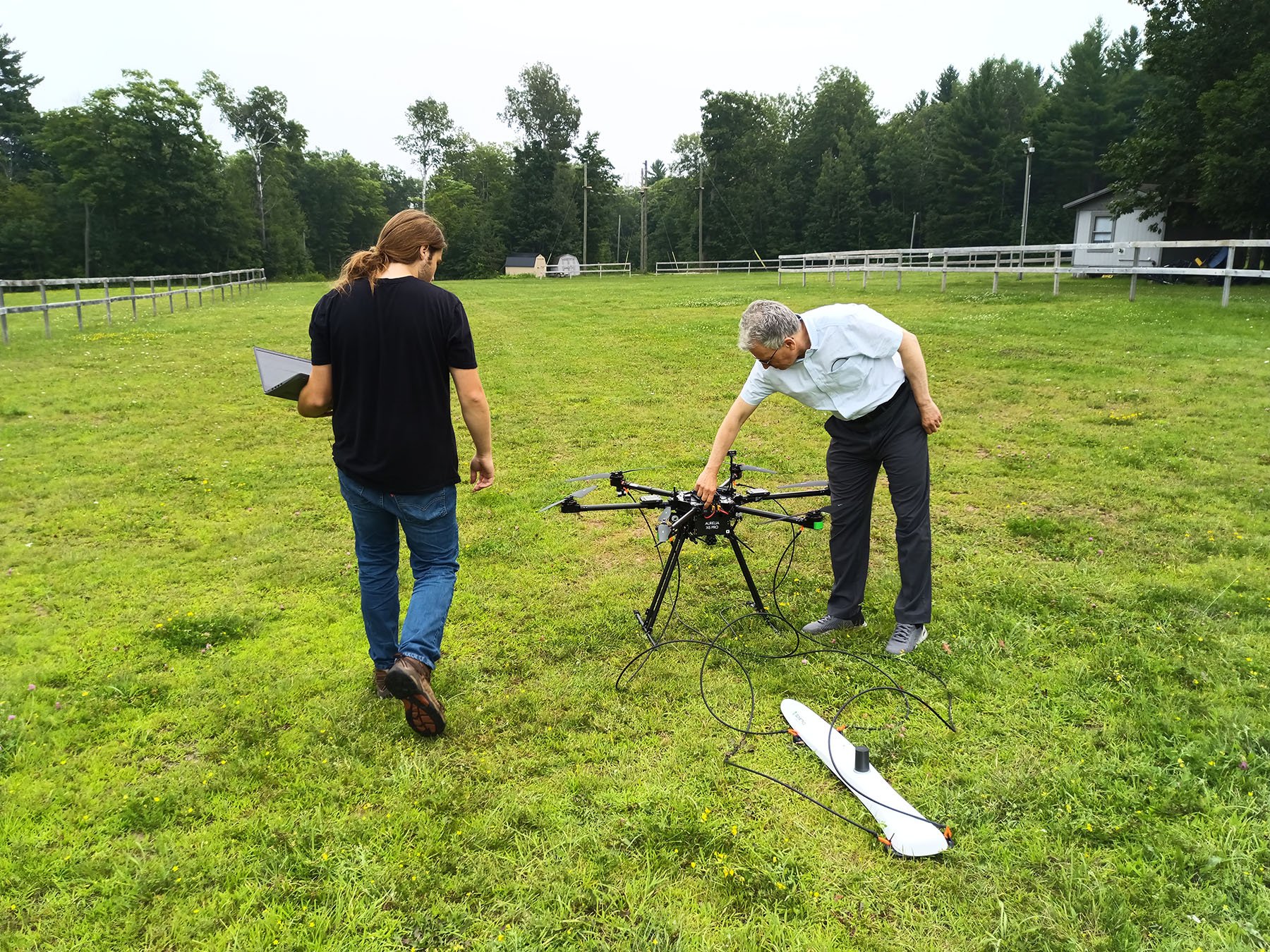
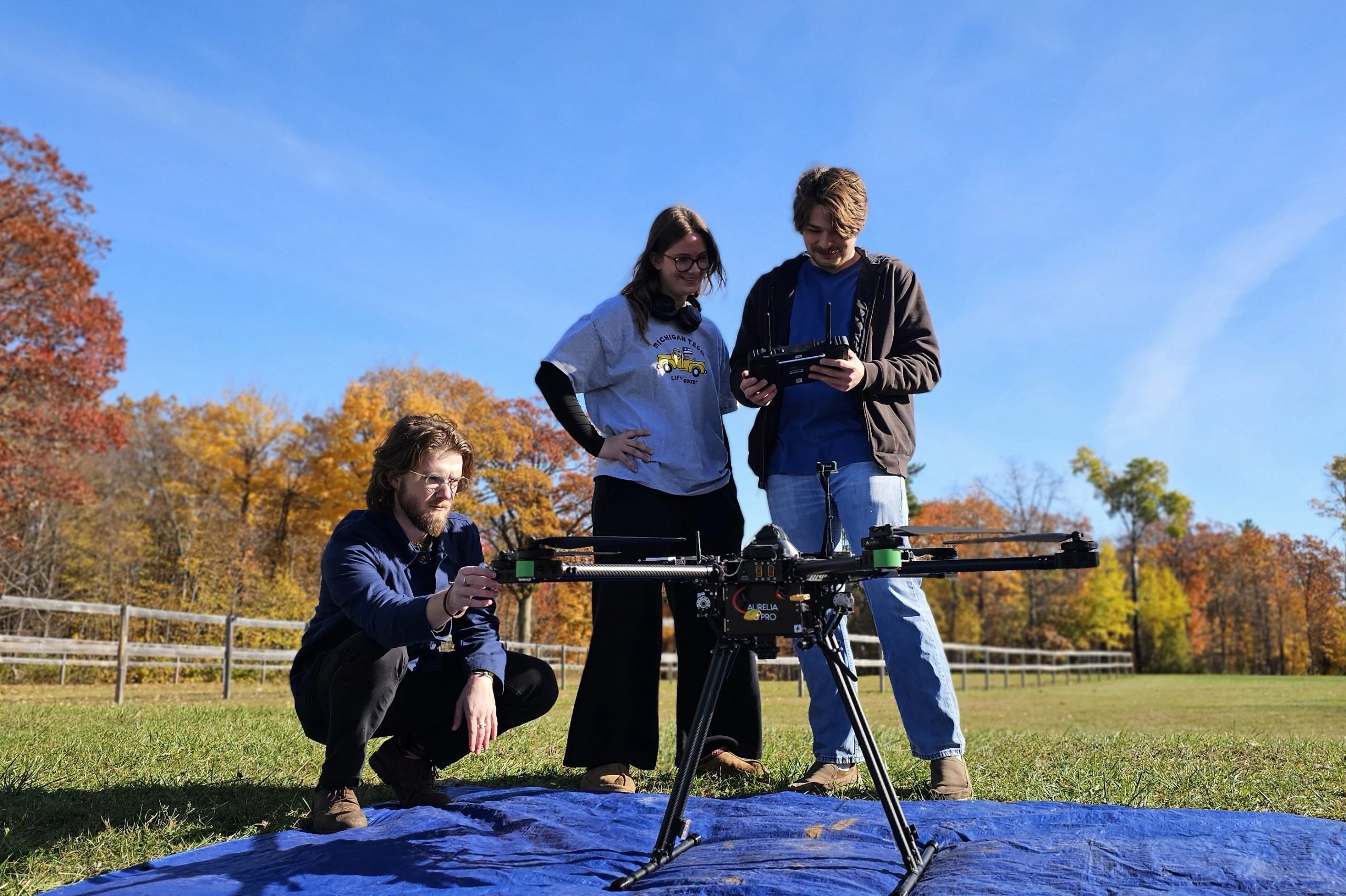
To provide our students with this increasingly sought-after skill set — valued across industry, government agencies, and research organizations — we have launched the development of a new drone-based geophysics curriculum. To support this initiative, the department has acquired a high-capacity Aurelia X6 Pro V2 drone paired with a Geometrics MagArrow II magnetometer, one of the most advanced airborne magnetic systems available. This effort is currently led by Professor Aleksey Smirnov, chair of GMES, together with MS student Samuel Jensen. Both have recently completed comprehensive training and earned professional unmanned aerial vehicle pilot licenses, ensuring safe and compliant deployment of these systems in research and instructional settings.
Our vision is to develop a suite of drone-based geophysics courses covering not only airborne data acquisition but also advanced data processing and visualization. Students will use the state-of-the-art Seequent Oasis Montaj geophysical software — recently acquired to support the Applied Geophysics program — to work with real flight datasets, learn industry-standard workflows, and build strong practical expertise.
Our future research directions include a wide range of potential applications, such as high-resolution magnetic mapping of Precambrian rocks in the Upper Peninsula of Michigan, critical minerals and geological hydrogen exploration, surveys of mine tailings and legacy mining landscapes for environmental and safety assessments, geologic mapping of fault zones and structural features, and magnetic mapping for archaeological investigations.
We are also actively seeking collaborations with other departments and research centers at Michigan Tech, as well as partners outside the university, to broaden the impact and interdisciplinary reach of this developing program.
Looking ahead, we plan to expand our toolkit with additional drone-compatible geophysical methods, including electromagnetics and ground-penetrating radar, further enhancing opportunities for education and research.
We are excited about the hands-on learning and research possibilities that drone-based geophysics will offer, and we hope that this work will inspire more students to join GMES and contribute to the continued success of the department. Stay tuned for updates…
The Department of Geological and Mining Engineering and Sciences at Michigan Technological
University is pleased to welcome Dr. Yanrui (Daisy) Ning as the newest member of our faculty in
Geological Engineering. Dr. Ning brings extensive experience and technical expertise that will
strengthen the department’s teaching and research portfolio in subsurface energy systems and
resource engineering.
Dr. Ning earned her Ph.D. in Petroleum Engineering from the Colorado School of Mines in 2017,
where she also served as a Research Assistant Professor in the Department of Geophysics. Her
research focuses on carbon capture, utilization, and storage (CCUS), enhanced geothermal
systems, subsurface hydrogen storage, and critical minerals. She applies an integrated approach
that combines multiphase flow modeling, geomechanics, advanced computational simulation,
machine learning, and distributed fiber-optic sensing to advance the understanding and
sustainable management of subsurface energy systems.
In her new role at Michigan Tech, Dr. Ning will contribute to both teaching and research in
support of the Geological Engineering program. Her expertise in subsurface energy systems
directly supports the national priorities of strengthening U.S. energy security, expanding
domestic resource production, and ensuring a stable supply of critical minerals. She is also
advancing emerging fields such as geological hydrogen exploration and carbon management,
which align with the nation’s goals of responsible resource development and technological
innovation in the energy sector.
“Dr. Ning’s expertise in subsurface energy systems and her multidisciplinary approach
will enhance our capabilities in critical areas such as carbon storage, geothermal
energy, critical minerals, and geological hydrogen,” said Aleksey Smirnov, Chair of the
Department of Geological and Mining Engineering and Sciences. “We are excited to
have her on board as we continue to grow our Geological Engineering program and
expand our impact on the sustainable development of Earth’s resources.”
Please join us in welcoming Dr. Daisy Ning to Michigan Tech and the GMES community.
GMES is thrilled to recognize and celebrate the achievements of our Spring 2025 Bachelor of Science graduates. These students have worked diligently in classrooms, labs, and the field, developing the knowledge and skills necessary to become the next generation of geoscientists and engineers.
Their accomplishments reflect their passion, resilience, and dedication to the Earth sciences, and we couldn’t be prouder of their success.
To all our graduates, thank you for your dedication and determination. The best is yet to come, and we can’t wait to see all the incredible things you’ll achieve. Congratulations again, and best of luck in everything that lies ahead!
Please join us in congratulating:
Bachelor of Science in Geological Engineering
- Cassie Burch
- Rebecca Cuthbertson
- Carlos Hernandez
- Max Ingram
- Hazel McGovern
- Sean Miller
- Clayton Wagner
- Stephanie Wiegand
“I was able to get a job as a Geotechnical Engineer with Coleman Engineering.”
Bachelor of Science in Geology
- Evelyn Devine
- Zeke Martin
- Demetri Papas
- Konraad VanDyke
“A degree from Tech is highly respected in the industry.”
Bachelor of Science in Applied Geophysics
- Clarissa Gordon
- Sam Jensen
Bachelor of Science in Mining Engineering
“The world needs more energy. I’m excited to be working in the energy market.”
We are excited to see where their journey takes them next — whether into industry, graduate school, or beyond. Congratulations to the Class of Spring 2025! Your future is bright.
Awards
Department Scholar – Natalie Sorensen
Kiril Spiroff Book Award – Lydia Lamey
Kiril Spiroff Book Award – Sam Jensen
Rock Hammer Award – Milena Sremba
As part of our Spring 2025 celebration, we asked our graduating students to reflect on their time at Michigan Tech. From favorite classes to future plans, their answers offer a glimpse into the experiences that shaped their journey and what lies ahead after graduation.
From the underground mines of West Virginia to the classrooms of Scotland, our GMES graduates are turning hands-on learning into real-world impact. these Huskies are gaining skills that matter, and landing jobs across the globe. Hear their stories, see where they’re headed, and discover why a GMES degree could be your next great adventure.
Stephanie Wiegand is graduating with a B.S. in Geological Engineering and a minor in Mining Engineering, and an Accelerated MBA is in progress. She reflected on her experience by saying this:
Q: What made you choose Michigan Tech and the GMES department?
A: The location drew me to Michigan Tech.
Q: What was your favorite class or project in GMES?
A: I really enjoyed field geology. The course was definitely intense, but it was interesting to work with the equipment.
Q: What’s next for you after graduation? (Job, grad school, travel, etc.)
A: I was able to get a job as a Geotechnical Engineer with Coleman Engineering. I will be working in Iron Mountain, MI, close to my family.
Q: What unique opportunities did you find at Michigan Tech that you might not have found elsewhere?
A: The vast amount of mines in the area and open outcrops gives this University a significant advantage over others.
Drawn in by a rare geophysics program and a tight-knit department, this student found inspiration in Earth History and hands-on fieldwork. Now, they’re heading to Scotland for grad school.
Clarissa Gordon is finishing with a B.S. in Applied Geophysics, and had this to share:
Q: What made you choose Michigan Tech and the GMES department?
A: I chose Michigan Tech and the GMES department because it was one of the few universities to offer a BS in geophysics. I also really liked the welcoming environment of the GMES department. The professors, staff, and students were very welcoming and engaging when I visited as a high school student.
Q: What was your favorite class or project in GMES?
A: My favorite class was Earth History, taught by Dr. Guth. I enjoyed the content a lot, and Dr. Guth led many fun projects and activities.
Q: What’s next for you after graduation? (Job, grad school, travel, etc.)
A: I plan to pursue a master’s degree in geophysics at the University of Aberdeen in Aberdeen, Scotland, UK.
Q: What unique opportunities did you find at Michigan Tech that you might not have found elsewhere?
A: Field geophysics was a fun and unique opportunity that I’m happy I had the chance to experience.
This GMES graduate is heading straight into the heart of the coal industry. From hands-on experience at the Adventure Mine to impactful lessons in mine safety, their time at Tech—especially with standout professor Matt Portfleet—prepared them for a career deep underground. Learn how this future Operations Engineer plans to power the world, one coal seam at a time, and why they say GMES set them up for a lifetime of success.
Aiden Harmon, originally from Marquette, MI, has fulfilled the requirements for a B.S. in Mining Engineering. Here’s what he had to share:
Q: What made you choose Michigan Tech and the GMES department?
A: MTU allowed me to stay close to home in the UP and work on a degree in the mining industry.
Q: What was your favorite class or project in GMES?
A: Drill and Blast/ Mine Safety with Matt Portfleet. My best class experiences and most applicable industry knowledge came from his course.
Q: What’s next for you after graduation? (Job, grad school, travel, etc.)
A: Starting at American Consolidated Natural Resource’s Ohio County Coal Co. in Dallas, WV as an Operations Engineer on the Pittsburgh No. 8 coal seam
Q: How do you hope to make a difference in the world with your degree?
A: The world needs more energy. I’m excited to be working in the energy market.
Q: What unique opportunities did you find at Michigan Tech that you might not have found elsewhere?
A: Access to the Adventure Mine and the time to practice hand scaling and jackleg drilling. While it is not a required skill in the 21st century of mining. It’s been a great talking point in interviews and has helped me get an operations-focused career.
Q: What skills did you gain in the program that you’re already using (or excited to use)?
A: Mine safety and underground awareness. My career is taking me underground, and I’m excited to use the Mine safety knowledge gained from Matt Portfleet.
Q: What advice would you give to incoming GMES students?
A: Get the internships. You’ll learn more in 3 months during the summer than in 8 months in the classroom.
Q: Complete the sentence: “Because of GMES, I…”
A: Will be gainfully employed for the rest of my life. Mining provides skills that will always be in demand and essential for a modern standard of living.
Hazel McGovern will receive a Bachelor of Science degree in Geological Engineering.
This Michigan Tech grad found their path through field geology and hands-on learning. Now, they’re headed to Utah to kick off an exciting new chapter. Want to know how Michigan Tech helped turn their passion into a profession? Keep reading to learn more.
Q: What made you choose Michigan Tech and the GMES department?
A: I love being outside, and I knew I wanted to pursue a career in engineering.
Q: What was your favorite class or project in GMES?
A: The Field Geology Class
Q: What’s next for you after graduation? (Job, grad school, travel, etc.)
A: I have a job in Utah!
Q: What unique opportunities did you find at Michigan Tech that you might not have found elsewhere?
A: I enjoyed the hands-on experiences relating to my major and interests.
Konraad VanDyke, from the hometown of Kalamazoo, MI, is completing a Bachelor of Science degree in Geology.
Drawn to Michigan Tech for its rich history and strong reputation, this grad found their academic spark in Petrology and is now heading into the field—literally—before starting a career with Edward C. Levy. Their advice? Work hard and stay open to every opportunity. Want to see how a love for geology turned into a promising future? Read on.
Q: What made you choose Michigan Tech and the GMES department?
A: I love the area and the history. Additionally, a degree from Tech is highly respected in the industry.
Q: What was your favorite class or project in GMES?
A: I loved Petrology
Q: What’s next for you after graduation? (Job, grad school, travel, etc.)
A: I am taking field courses and then plan to work for Edward C. Levy.
Q: What advice would you give to incoming GMES students?
A: Work hard and explore every opportunity that arises.
Earning a college degree requires more than time—it demands determination, resilience, and passion. We are proud to celebrate the outstanding achievements of our Spring 2025 graduates from the Department of Geological and Mining Engineering and Sciences (GMES) at Michigan Technological University.
These graduates have excelled in research, completed rigorous coursework, and made meaningful contributions to our academic community. Their dedication has prepared them to excel as professionals and researchers in the fields of geosciences, mining, and engineering.
Please join us in congratulating the following graduate students:
Doctor of Philosophy in Geology
- Gustavo Bejar Lopez — Advised by Dr. Greg Waite
“While my work was related to the technical aspect of detecting and modeling hazards, it has important implications for the lives of people who are exposed to or affected by these hazards every day. I plan to continue developing new tools and expanding my knowledge of these geologic processes, thereby diversifying my expertise to include other types of hazards, beyond the focus of my PhD, which is lahars.” –
Master of Science in Geology
- Philip Dake — Advised by Dr. Luke Bowman
- Kunle Bejide — Advised by Dr. Luke Bowman
- Jacob Krier — Advised by Dr. Greg Waite
- Ryan Schwiderson — Advised by Dr. Luke Bowman
Master of Science in Geological Engineering
- Theo Asumah — Advised by Dr. Aleksey Smirnov & Dr. Radwin Askari
- Sara Kavousi — Advised by Dr. Luke Bowman
- Stephen Benjamin Udota — Advised by Dr. Luke Bowman
Master of Science in Geophysics
- Bryan Lowney — Advised by Dr. Greg Waite
Master of Science in Mining Engineering
- Angela Amoh — Advised by Dr. Luke Bowman
- Isaac Donkoh — Advised by Dr. Luke Bowman
- Poorva Kadrolli — Advised by Dr. Snehamoy Chatterjee
- Rishitha Kunta — Advised by Dr. Luke Bowman
- Rapheka Targbwe — Advised by Dr. Luke Bowman
- Maxwell Yeboah — Advised by Dr. Luke Bowman
- Dharmasai Eshwar Reddy Sirigiri — Advised by Dr. Snehamoy Chatterjee
Congratulations to the following students for their successful completion of graduate certificates:
Graduate Certificate in Natural Hazards and Disaster Risk Reduction
- Gustavo Bejar Lopez
- Leah Harazin
- Bryan Lowney
- Averi Reno
Graduate Certificate in Geoinformatics
- Gustavo Bejar Lopez
- Samuel Karner
- Bryan Lowney
- Nyasha Mhindu
- Stephen Udota
These students have demonstrated a commitment to expanding their expertise, and we applaud their accomplishments. We look forward to seeing the impact they’ll make in their careers and communities!
Awards and Scholarships Awarded
- Gustavo Bejar Lopez
Outstanding Teaching Assistant Award
- Helen Foldenauer
- Brighton Muwi
- Daniel Muchabaiwa
- Kudakwashe Mutanga
- Ben Mperekwa
- Mirza Ubed Baig
Finishing Fellowship Recipients
- Abid Danish, Ph.D. in Mining Engineering
- Gustavo Bejar Lopez, Ph.D. in Geology
As part of our Spring 2025 celebration, we invited graduating students to share reflections on their time at Michigan Tech—from favorite moments to what’s next. Their insights highlight the experiences that shaped their journey and future.
I chose Michigan Tech and the GMES department because of the campus, the research opportunities, and the strong alumni network.
Discover how one Michigan Tech graduate leveraged international connections, hands-on fieldwork, and interdisciplinary learning to launch a career in natural hazards research. With skills in machine learning, project management, and collaboration with global agencies like INSIVUMEH, he is not just studying volcanoes—he is preparing to protect lives.
Here’s the lowdown from Gustavo Bejar-Lopez.
Q: What made you choose Michigan Tech and the GMES department?
A: I already knew about Michigan Tech during my undergraduate because a few of our professors back home in Ecuador (Yachay Tech) were Michigan Tech graduates. Eventually, when I was applying for grad school, I learned about research projects at GMES. One of these projects was the lahar project, led by Dr. Rudiger Escobar-Wolf, which involved extensive fieldwork —a task I had been eager to undertake.
Q: What was your favorite class or project in GMES?
A: I liked the Social Dimensions of Natural Hazards class because when I took it, the class was comprised of students with very different backgrounds and experiences with natural hazards. It was enriching to learn about these different perspectives on things I had not experienced myself.
Q: What’s next for you after graduation? (Job, grad school, travel, etc.)
A: Currently applying for postdoctoral research and teaching positions mostly aligned with natural hazards or environmental seismology.
Q: How do you hope to make a difference in the world with your degree?
A: While my work was related to the technical aspect of detecting and modeling hazards, it has important implications for the lives of people who are exposed to or affected by these hazards every day. I plan to continue developing new tools and expanding my knowledge of these geologic processes, thereby diversifying my expertise to include other types of hazards, beyond the focus of my PhD, which is lahars.
Q: What unique opportunities did you find at Michigan Tech that you might not have found elsewhere?
A: I was able to work in collaboration with other agencies, mainly INSIVUMEH (the local geophysical monitoring agency in Guatemala). This close collaboration enabled me to gain a deeper understanding of the work conducted in volcano observatories and establish a network with local scientists in Guatemala. Additionally, I was able to attend an international conference and participate in field experiences thanks to the funds provided by scholarships and grants available at Michigan Tech, such as the GSG Professional Development Travel Grant.
Q: What skills did you gain in the program that you’re already using (or excited to use)?
A: Before my PhD, I had very little knowledge about programming, mainly limited to MATLAB. While at Tech, I learned to use Python and develop machine learning methods using that platform, as well as analyze time series and perform signal processing. I had the chance to get my own research grant and learned to manage my own project, which expanded on the work on lahars in Guatemala.
Q: What advice would you give to incoming GMES students?
A: Take notes of all the opportunities available for you as a grad student. There is always a grant or scholarship available for which you can apply to conduct fieldwork or attend a conference. If you’re unsure where to find them, ask the professors or department staff for assistance. That, and bring warm clothes.
Mining Engineering MS graduate Poorva Kadrolli ’22 reflects on what drew her to Michigan Tech, the skills she’s proud to carry forward, and her advice for those just starting out.
Q: What made you choose Michigan Tech and the GMES department?
A: The Campus, research background, and a strong Alumni base. The curriculum and staff are also very impactful in building a successful career.
Q: What was your favorite class or project in GMES?
A: Python programming
“Access to a strong alumni base and library facilities.”
Q: What’s next for you after graduation? (Job, grad school, travel, etc.)
A: Currently working as a Mine Engineer in North America’s largest open pit mining operations.
Q: How do you hope to make a difference in the world with your degree?
A: We mine to make the world a better place for tomorrow.
Q: What unique opportunities did you find at Michigan Tech that you might not have found elsewhere?
A: Access to a strong alumni base and library facilities.
Q: What skills did you gain in the program that you’re already using (or excited to use)?
A: Confidence and self-independence are two crucial qualities that MTU taught me, in addition to my academic curriculum.
Q: What advice would you give to incoming GMES students?
A: Be brave to sustain in the cold and snowy weather.
High School Advanced Geology (HSAG) offers students a hands-on, engaging introduction to geology, fostering a deeper understanding of Earth processes. This early exposure sparks interest and helps students see geology as a potential career path, rather than just another subject. HSAG equips students with the knowledge, confidence, and connections needed to pursue a career in geosciences, making it a game-changer for aspiring professionals in the field. As the list of students going through the HSAG program grows, with reflections already shared by Milena Sremba and Miah Mol, we’re excited to share more insights from those inspired by it. Here’s why HSAG and Michigan Tech are setting students on the path to success in geosciences:
Hear from Calah Holman (@calahholman), BS Geology, 2027:
Q: How did HSAG impact your decision to study geology?
A: HSAG was the class that sparked my passion for geology. It’s now one of my top 3 favorite high school classes and an amazing opportunity to dive into geology, even if it’s not a focus at your school.
Q: Why MTU?
A: MTU has an incredible geoscience program, with remarkable local geology, smaller classes that suit my learning style, and extracurriculars that balance with school. Plus, the location is stunning!
Q: How did HSAG set you up for success at MTU?
A: Through a GVSU-sponsored HSAG program, I earned college credit and skipped GE2000 at MTU, easing my transition with one less course to worry about.
Q: What is the best advice for current HSAG students?
A: Make the most of your resources! The year-long format allows you to dive deep into the basics, preparing you well for college courses.
Q: What do you love about GMES?
A: The friendly, helpful community! I’ve made many friends, and the small class sizes mean you can continue seeing familiar faces throughout your courses.
Q: Standout moment in GMES?
A: After our GE1100 field trips, a group of us would always grab lunch at Wads—great memories and great company!
Learn from Joshua Trujillo, BS Geological Engineering, 2028:
Q: How did HSAG impact your decision to study geosciences?
A: HSAG showed me geology beyond my casual interest, sparking my passion and setting me on a career path.
Enjoy HSAG—it’s a gneiss class!
Q: Why MTU?
A: MTU’s geological engineering program and the area’s actual geology made it the perfect fit.
Q: How did HSAG help you at MTU?
A: It gave me solid geology knowledge, so I wasn’t starting from scratch when I arrived.
Q: What is the best advice for current HSAG students?
A: Enjoy HSAG—it’s a gneiss class!
Q: What do you love about GMES?
A: I get to explore remarkable rocks and learn about their story.
Q: Standout moment in GMES?
A: A private tour of the Quincy Mine, where we saw areas closed to most tourists—thanks to GMES!
Hear what John Myaard (@john_my_yard), BS Geological Engineering 2023, had to say:
Q: How did HSAG impact your decision to study geosciences or engineering?
A: My time in HSAG was transformative. Previously, I hadn’t considered geology as anything other than a hobby and assumed I would pursue a computer science degree. Participating in HSAG fostered my passion for the geosciences with engaging lessons and an enthusiastic teacher. I experienced something that no other discipline offered. I took pleasure in how the concepts worked together to create a cohesive story as opposed to just terms and definitions. Although it was one class, it set me on a course to where I am today.
Q: Why MTU?
A: I was always aware of Michigan Tech. Being from Michigan and spending summers in the UP, I’d hear about it occasionally. What got my patronage, though, was when I went on a tour of the GMES department. One-on-one, I was guided through classrooms and labs, where it was shown and explained how I could turn my passion into a meaningful career, dispelling any lukewarm feelings I had for computer science.
Q: How did HSAG help you succeed at MTU?
A: HSAG gave me a strong base to build upon in addition to providing college credit. Like other AP classes, you take something that would typically take a semester and draw it out over three trimesters, giving ample time for additional exploration and thorough explanation.
Q: What is the best advice for a current HSAG student?
A: Beyond taking the program seriously, take the discipline seriously. As it stands, the various geological workforces are aging into retirement during a period when demand for their services is at an all-time high. Unlike other disciplines, it’s a big table with plenty of room.
Q: What are you doing now?
A: I graduated in December of 2023 and began working almost one year ago today (at the time of writing this). I am now the Mine Supervisor for a silica mine in West Texas. In this role, I create and carry out the short-term to mid-term mine plan, utilizing my geologic background to make the most informed decisions possible. My emphasis in work is to provide reliable feed to the processing plant while maximizing safe production and controlling costs.
Q: What’s a standout story or lesson you’ve gained during your journey with GMES?
A: Something that I learned during my time is just how vital having personable professors can be, and the benefits of having a smaller department. In every significant class I had, the professor knew me, and I knew them. If I needed help with coursework or professional development, they were always readily available and thorough in their response.
Luke Weidner, B.S. Geological Engineering 2018
Hometown: Midland, Michigan
Luke Weidner graduated from Michigan Tech in the spring of 2018 with a bachelor’s degree in geological engineering and was only getting started. Read more about how Luke’s time as an undergraduate student at MTU helped pave the way for his future success and a doctoral degree from the Colorado School of Mines.
View Dr. Weidner’s publications.
Q: Why did you choose MTU?
A: I was quite excited about engineering in high school, but torn between environmental, geological, computer science, etc. MTU had all of the majors I was considering, so I enrolled in general engineering, which allowed me to explore multiple disciplines without fearing that it would set me back a year or force me to transfer somewhere else.
Q: What has your career path been like since you graduated?
A: I applied to grad schools in the summer before my final year. I also applied and got an internship at a mine in Nevada. I received a couple of grad school offers and took one at the Colorado School of Mines. After two years at Mines as a Master’s student, I enjoyed my research, so I switched to a PhD program. After finishing my PhD, I started at BGC Engineering as a consultant, where I’ve been for the past 3 years.
Q: How did your time at MTU prepare you for the industry/career?
A: A big reason I was a strong grad school candidate was due to the number of research opportunities I took advantage of at MTU. Being connected with professors in the GMES department and the GLRC gave me experience writing papers, creating presentations, and honing my research skills. I wouldn’t be where I am today without those experiences.
Q: What’s it like to return to the campus now? Have you noticed any changes?
A: I recently returned for the first time since graduating, and while it felt a bit strange in some ways with all the new buildings, new restaurants built and others gone, in other ways it felt like returning home. I definitely miss the beauty of the Keweenaw and wish I had excuses to come more often.
Q: What is your favorite activity to do when you return to campus?
A: Hike around on as many trails in the Keweenaw as I can (getting a burrito at Rodeo a close second)! Tech Trails, Hungarian Falls, Copper Harbor, etc.
Q: What advice would you give someone just starting at Tech as a Husky?
A: I feel that throughout my schooling, I worried too much about picking the perfect major, getting the ideal job right away, and having everything go perfectly, generally speaking. While I feel pretty lucky and have no regrets, I now see that there is more than one way to get where you want to be.
Q: What role did the community or extracurricular activities play in your overall experience?
A: One of my favorite experiences was with the Keweenaw Time Traveler, a project in the Social Sciences dept. With this, I was able to spend two whole summers at Tech, working with people of all ages and learning about the region’s history. Some of my best-lasting connections came from working on that project, and it all started when I introduced myself to a professor after a HASS class.
Q: Looking back, what opportunities do you wish you had taken advantage of during your time here?
A: Hindsight is 20/20, but I probably would have started at a club like badminton sooner and stuck with it. For example, I would have had more confidence in my musical ability and joined a jazz band.
Q: What networking opportunities did you take advantage of as a student?
A: While I usually attended the Career Fair, I spent more time and had more success getting to know faculty doing research I was interested in.
We are proud to congratulate this year’s GMES recipients of the WAAIME SME scholarships! All of these Michigan Tech grad students in mining engineering, Brighton Muwi, Daniel Muchabaiwa, Kudakwashe Mutanga, Mirza Ubed Baig, and geology student Ben Mperekwa, received awards. These outstanding students have demonstrated exceptional dedication to their academic and professional journeys in the fields of mining, metallurgy, geology, and related disciplines.
The WAAIME scholarship is awarded annually to students who exhibit academic excellence, leadership potential, and a passion for advancing the future of the mining and minerals industry. This prestigious award supports their educational pursuits and recognizes their contributions to shaping the future of mining and earth sciences.
Championing Academic Excellence and Innovation
Each recipient is committed to academic excellence and a drive to innovate and contribute to the fields of mining and geology. Through their hard work, these students represent the next generation of industry leaders who will tackle challenges, drive sustainable practices, and lead advancements in the mining and mineral exploration industries.
Empowering Tomorrow’s Industry Leaders
Receiving the WAAIME SME scholarship is a testament to the recipients’ dedication and potential. This support allows them to further their education, pursue internship opportunities, and engage with industry professionals who will mentor them throughout their careers.
We celebrate each recipient’s hard work and the bright future they represent. Congratulations again to all the WAAIME SME scholarship winners – your achievements inspire us all and pave the way for a stronger, more innovative future in mining and geological sciences.
Stay tuned for more updates and stories from our incredible students as they continue to achieve and impact the world of earth sciences!
Michigan Tech students gain insight into geoscience careers and programs, experience engaging field trips to the Keweenaw Peninsula, and build connections with department faculty and resources in the Geo Engineering & Science Orientation (GE1100) lab. Discover the fascinating geological features Kylie enjoyed learning about, and explore our list of current undergraduate and graduate courses the GMES Department offers.
More about GE1100 – GE1100 is a one-credit introductory course for freshmen or sophomores in geoscience-related majors in the fall.
- What majors require it? Geology, Applied Geophysics, Geological Engineering, Mining Engineering
- How many credits? 1
- Semesters offered? Fall
- Prereqs? None
- Must be enrolled in one of the following Major(s): Geological Engineering, General Sciences and Arts, General Engineering, Mining Engineering, Applied Geophysics, Geology
- May not be enrolled in one of the following Class(es): Junior, Senior
Catalog Description: Introduction to geosciences as a profession, including discussions of career opportunities and geoscience programs. Earth materials and the Earth’s processes are also introduced. Includes frequent field trips. Intended for freshman or sophomore students in geological engineering, geology, applied geophysics, hydrology, geotechnics, earth science teaching, or any other geoscience program.
The instructor is Aleksey Smirnov, Chair, GMES.
TA for Fall 2024 is Sam Jensen, BS Applied Geophysics ‘25
Hometown: Gladstone, Michigan
Find out what Kylie Overly had to say about her class experience:
This class does a great job of introducing the department and some local places to incoming students.
Would You Recommend This Class?
Yes! I recommend this class to other students if they are curious about geological engineering or the department.
Favorite Aspect of the Class:
I liked the Saturday field trips to explore some fantastic spots in the Keweenaw Peninsula.
Most Exciting Thing Learned:
The most exciting thing I learned in this class was how the peninsula’s geology is mirrored on the other side of Lake Superior.
Prerequisites Needed?
None. Since it’s an introductory class, no prior knowledge is required.
Value of the Class:
I learn something new in each class!
Future Benefits:
This class is highly beneficial. The Wednesday lectures introduce us to the department’s professors, giving us opportunities to talk to them if you are interested in that subject.
National Park Service Resources:
https://www.nps.gov/piro/learn/nature/lake-superior.htm
https://www.nps.gov/isro/learn/nature/geology-and-soils.htm