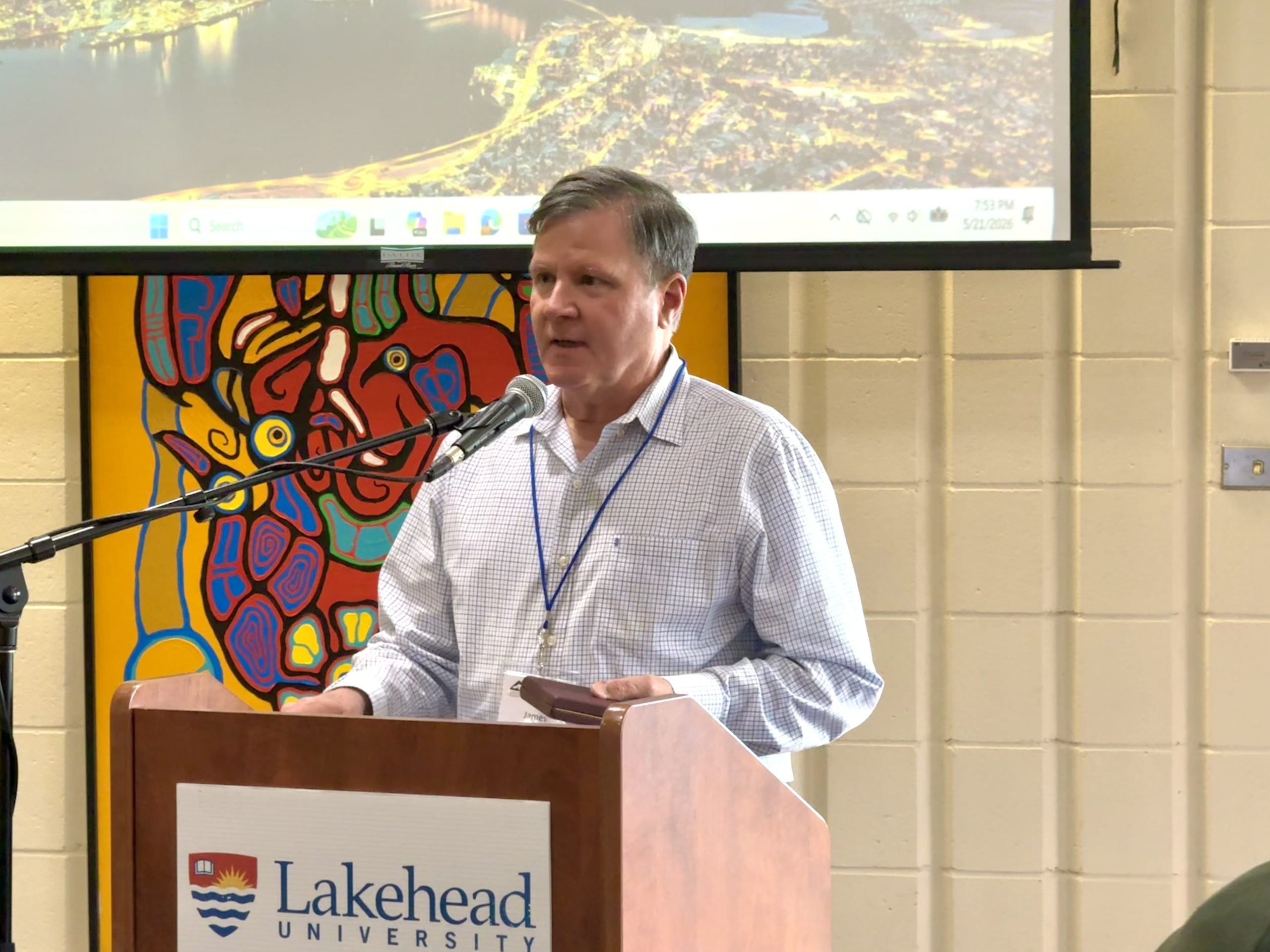
Michigan Tech was well-represented at the 72nd annual meeting for the Institute on Lake Superior Geology (ILSG), held in Thunder Bay, Ontario, Canada, from May 20-23.

Michigan Tech was well-represented at the 72nd annual meeting for the Institute on Lake Superior Geology (ILSG), held in Thunder Bay, Ontario, Canada, from May 20-23.
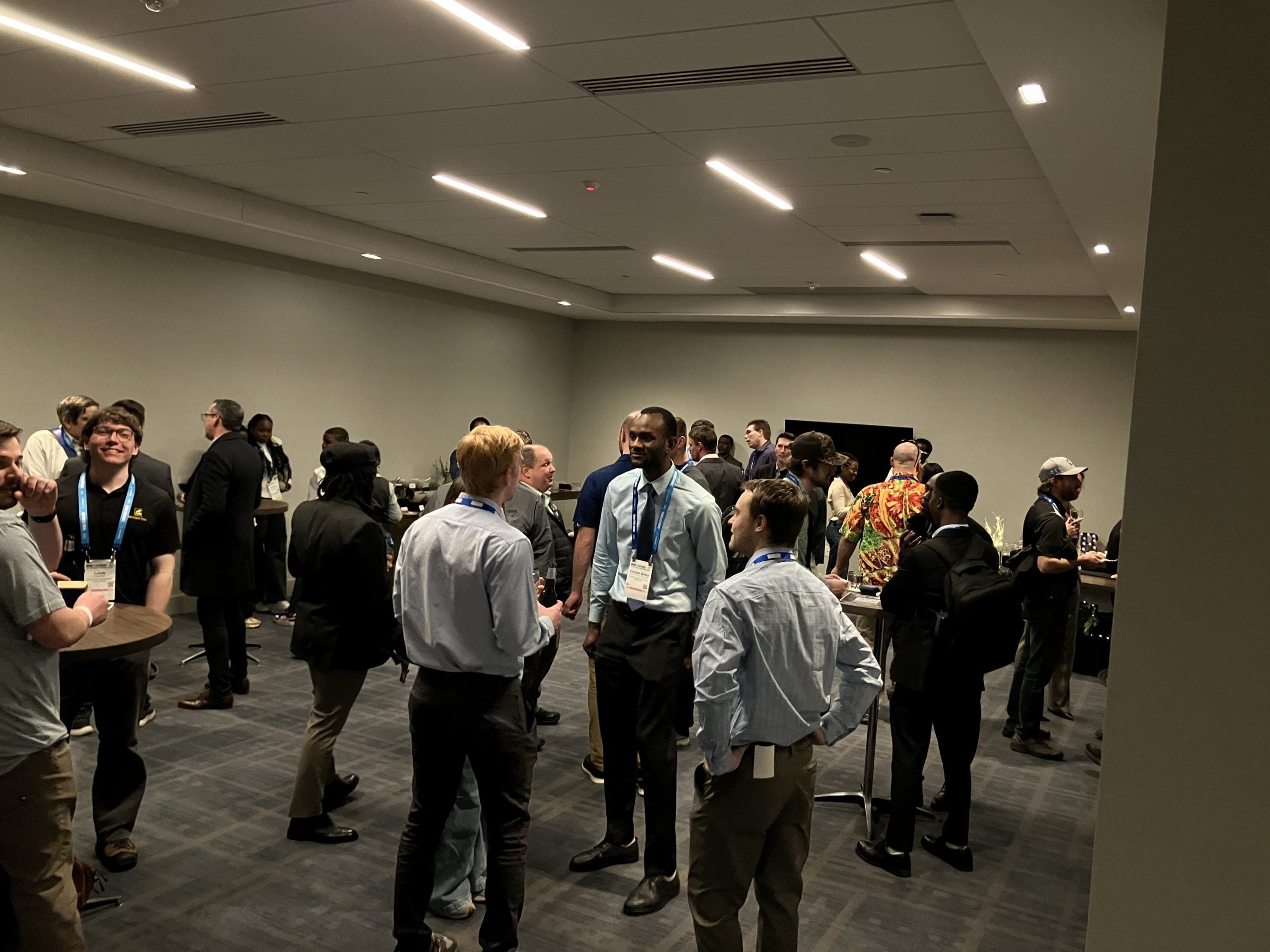
This year, the Geological and Mining Engineering and Sciences Department proudly participated in the 2026 SME Annual Conference & Expo in Salt Lake City, as faculty and students engaged with mining professionals, researchers, and industry leaders from across the country for a week of learning, collaboration, and networking.
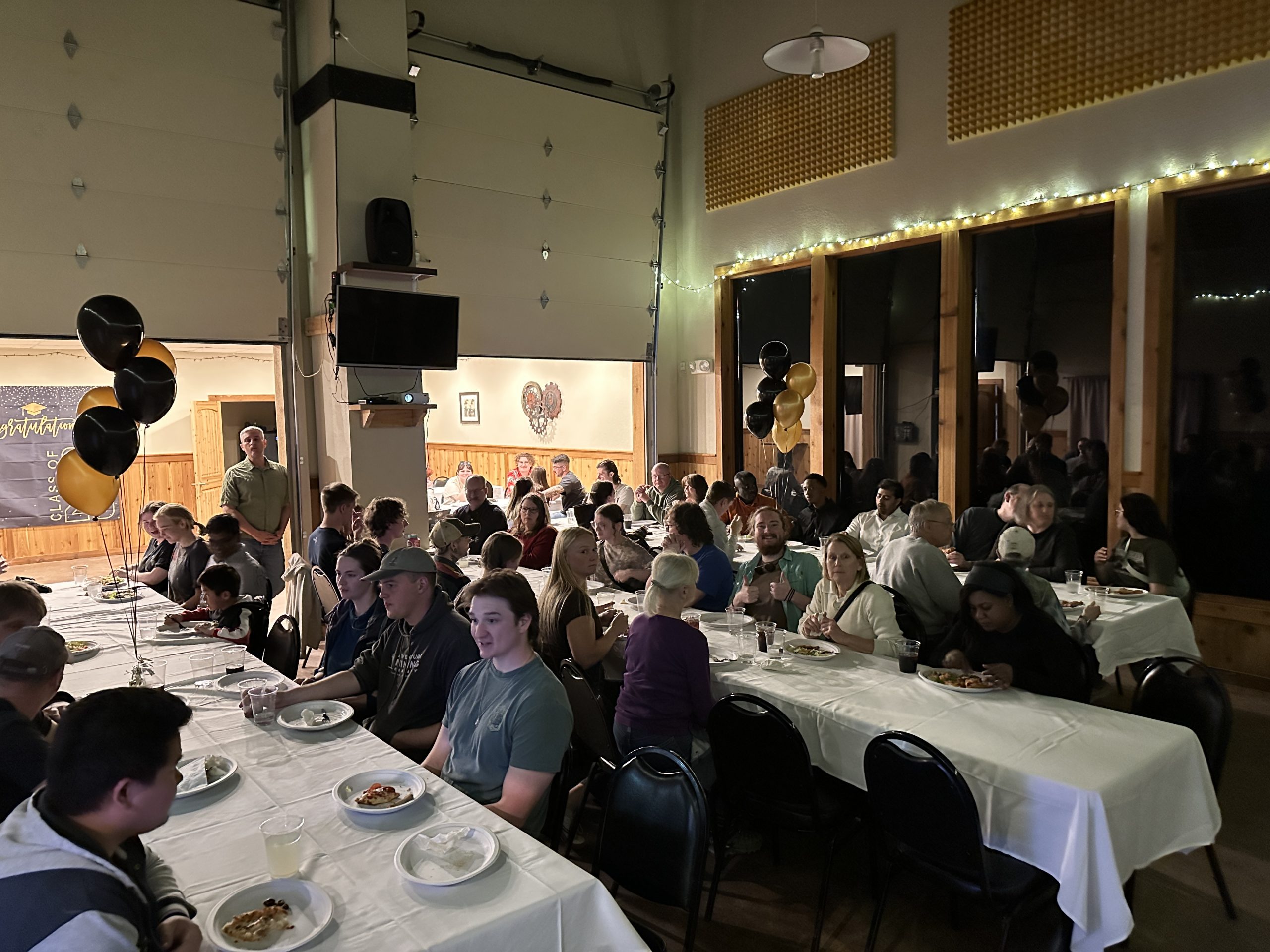
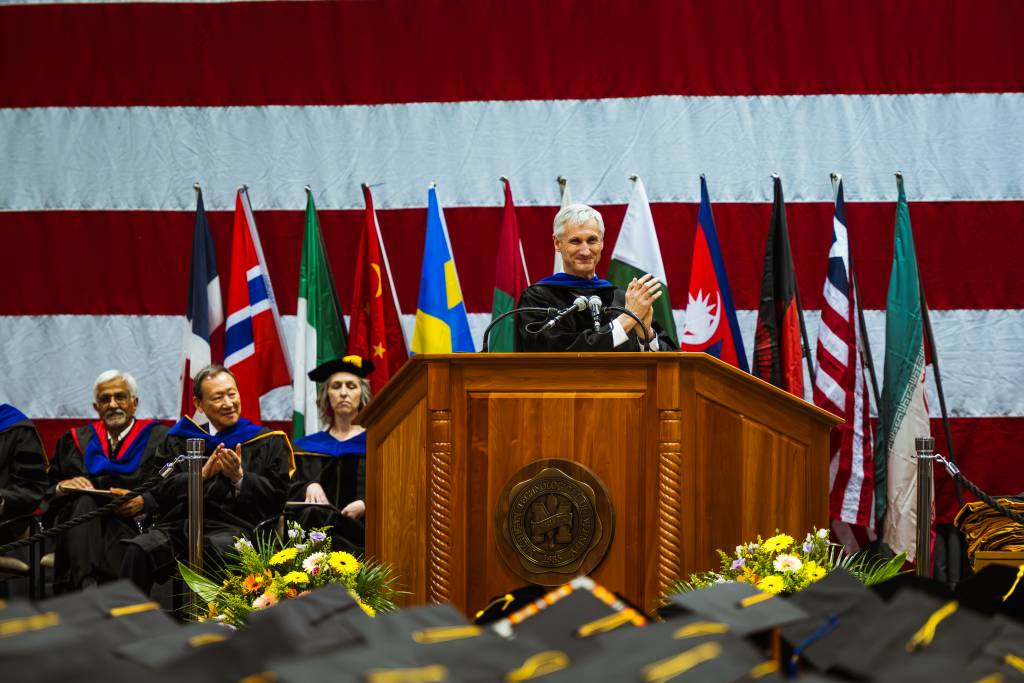
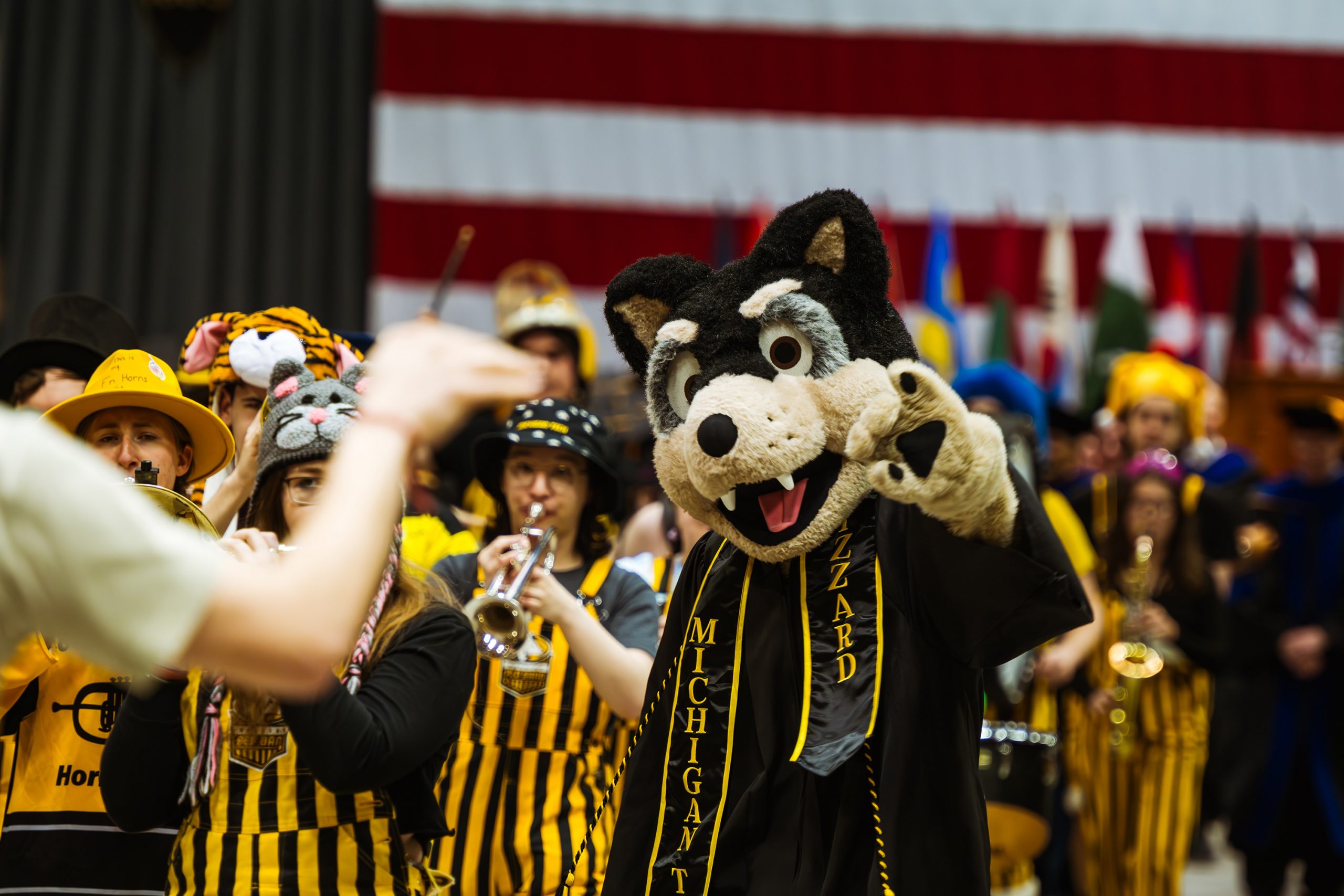
With degrees in hand and a major milestone achieved, our GMES Spring & Summer 2026 graduates came together at the Rock House / Mine Shaft in Houghton to celebrate their transition into the Michigan Technological University alumni community!
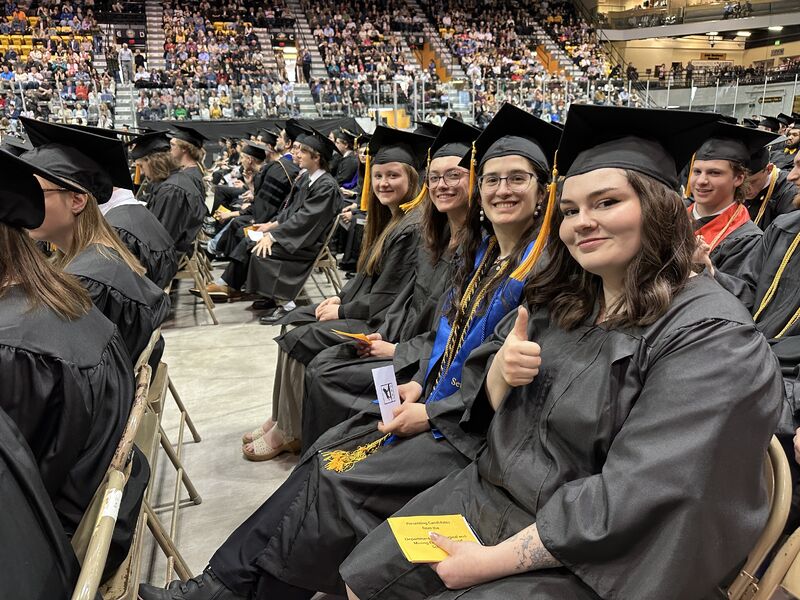
GMES is proud to announce and celebrate the accomplishments of our Spring & Summer 2026 graduates. These dedicated students have conducted research, completed rigorous coursework, and made meaningful contributions to our academic community. Their hard work and perseverance have prepared them to take the next step as professionals and researchers in the fields of geosciences, mining, and engineering. Please join us in congratulating the following graduate students:
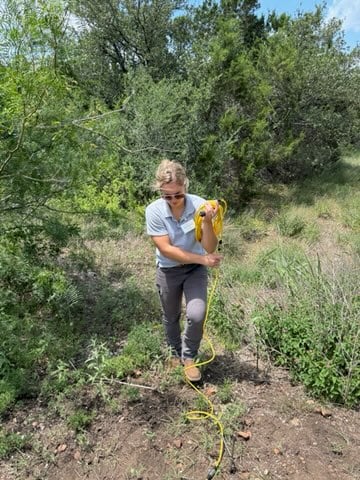
The Department of Geological and Mining Engineering and Sciences (GMES) is proud to congratulate alumna Sienna Meekhof (Geology, 2021) on receiving the 2026 AIPG John Stewart Memorial Early Career Professional Award, a prestigious national honor recognizing outstanding early career geologists who demonstrate leadership, service, and a commitment to advancing the profession.
Celebrating Our Fall 2025 MS & PhD Graduates
GMES is proud to announce and celebrate the accomplishments of our Fall 2025 graduates. These dedicated students have conducted research, completed rigorous coursework, and made meaningful contributions to our academic community. Their hard work and perseverance have prepared them to take the next step as professionals and researchers in the fields of geosciences, mining, and engineering. Please join us in congratulating the following graduate students:
Sananda Ray, PhD, Geophysics
Rolla Asiedu, MS Geology
Elijah Dosapati, MS Mining Engineering
Seth Farmer, MS Geology
Kudakwashe (Kuda) T. Mutanga, MS Mining Engineering
Akintunde (Stephen) Samakinde, MS Geological Engineering
We are incredibly proud of each of these graduates and look forward to seeing the impact they will make in their careers and beyond. Congratulations to the graduate student class of 2025!
Congratulations to Our Fall 2025 Bachelor of Science Graduates!
GMES is proud to celebrate the achievements of our Fall 2025 Bachelor of Science graduates—students who have built the skills and knowledge to become the next generation of geoscientists and engineers. Please join us in congratulating:
Matthew Keebaugh, BS Mining Engineering
Luke Mariuzza, BS Geological Engineering
Carl Rich, BS Geology
Kiera Watson, BS Geology
Honoring our award and scholarship recipients:
Graduate Certificate in Geoinformatics
Outstanding Scholarship Award
Outstanding Teaching Assistant Award
Finishing Fellowship Recipients
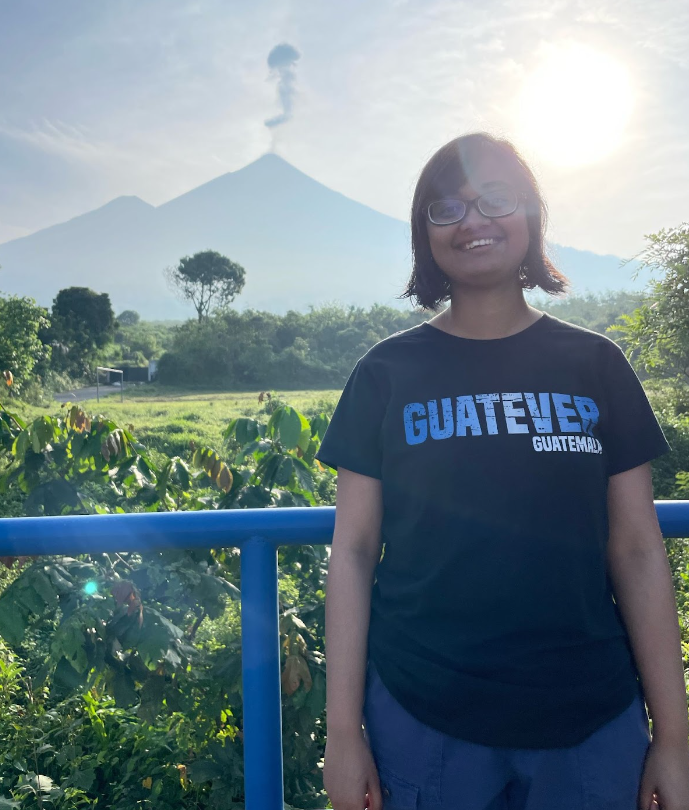
GMES is proud to announce that Dr. Sananda Ray, who recently earned her PhD in Geophysics, Summer ‘25, has received the Dean’s Award for Outstanding Scholarship Award in recognition of her academic excellence, research achievements, and contributions to the Michigan Tech community.
Sananda’s doctoral work, conducted under the guidance of Dr. Radwin Askari, focused on generating and analyzing long-period seismic events to better connect theoretical models with natural volcanic systems.
“When looking for PhD positions, the program and project at Michigan Tech aligned with my research goals.” – Dr. Ray, when asked why she chose MTU.
Her research has been strengthened by international field experience, including work on Volcán de Fuego in Guatemala, where she gained hands-on skills in volcanic seismology. Outside the lab, Sananda enjoys photography, traveling, and building community among her peers.
GMES congratulates Dr. Ray on this well-deserved honor and looks forward to her continued contributions to the geoscience field.
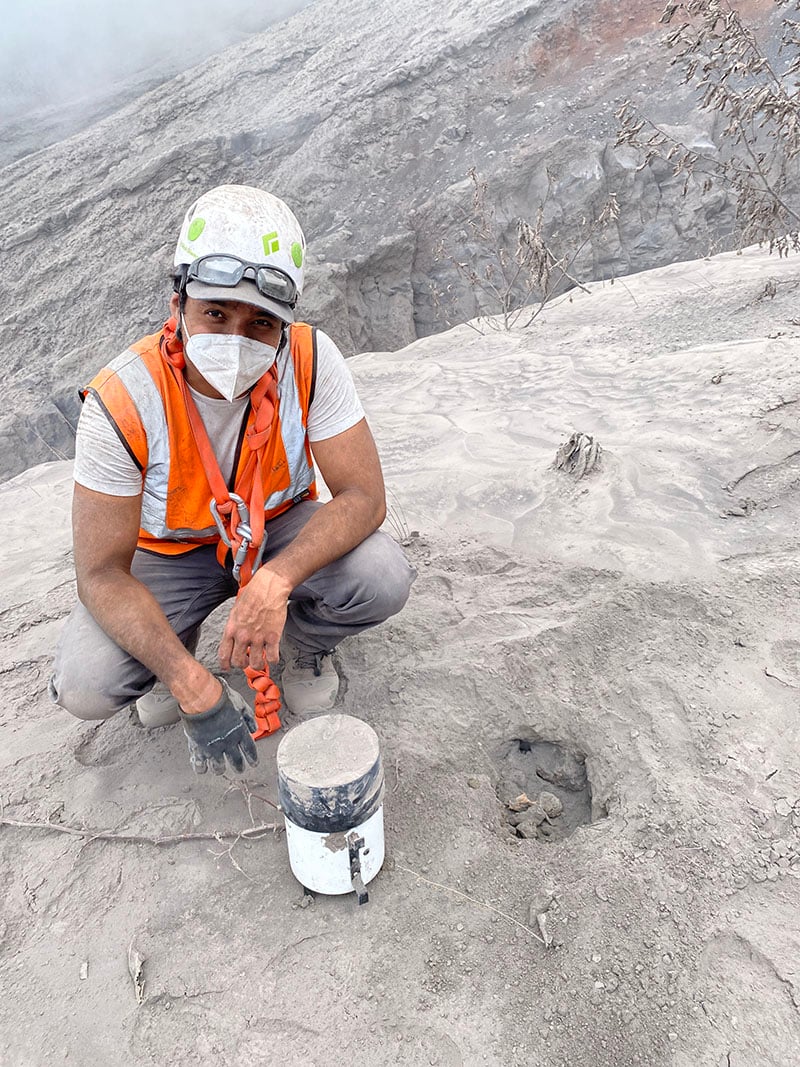
If you ever wondered what it looks like when curiosity, grit, and global collaboration converge, let us introduce you to Dr. Gustavo Bejar-Lopez. As of August 8, 2025, Gustavo completed his final defense under the supervision of Dr. Greg Waite, Dr. Rudiger Escobar Wolf, with Dr. Luke Bowman, Dr. Snehamoy Chatterjee, and Dr. Jeffrey Johnson (Boise State), serving as committee members.
As a child in Ecuador, Gustavo Bejar-Lopez watched the eruptions of Tungurahua with fascination. A curiosity that led him to Michigan Tech’s GMES program to study volcanic hazards.
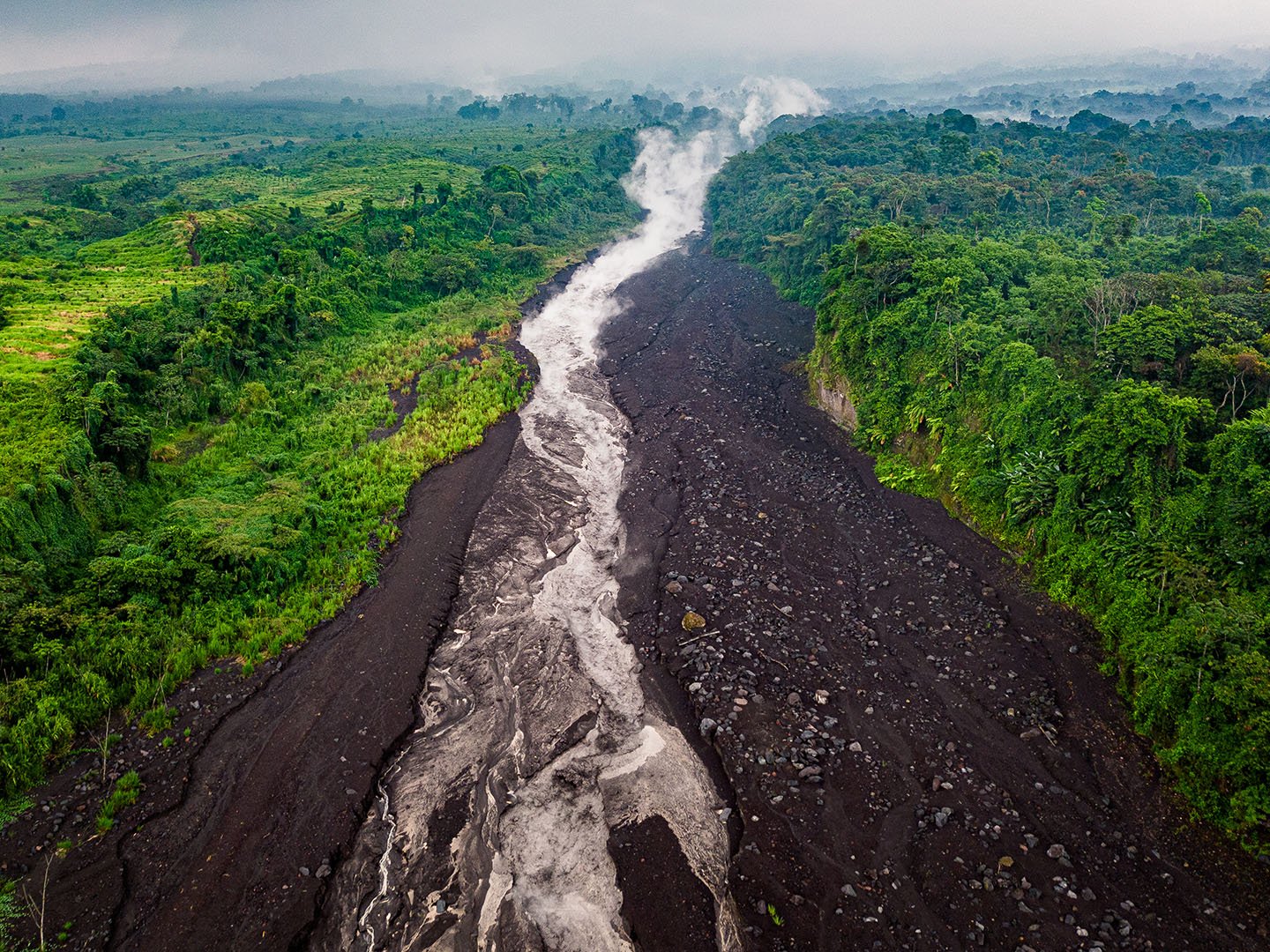
For his doctoral research, Gustavo focused on lahars, fast-moving volcanic mudflows, at Guatemala’s Volcán de Fuego. Using seismic monitoring, rainfall data, video observations, and computer models, he revealed how lahars generate distinct seismic signatures as they travel. He then developed a machine learning detection system to identify them in real time, improving early-warning potential for at-risk communities. His presentation title and abstract for the final Ph.D. research defense are listed below.
During his time at MTU, Gustavo earned the Outstanding Scholar Award, a Finishing Fellowship, and graduate certificates in Natural Hazards & Disaster Risk Reduction and Geoinformatics. He also won First Place in the 3MT competition and secured a National Geographic Explorer Grant to mentor students in the field. His work has been published in Scientific Reports through an NSF-funded collaboration on infrasound detection of lahars.
“While my work was related to the technical aspect of detecting and modeling hazards, it has important implications for the lives of people who are exposed to or affected by these hazards every day. I plan to continue developing new tools and expanding my knowledge of these geologic processes, thereby diversifying my expertise to include other types of hazards, beyond the focus of my PhD.”—Gustavo Bejar-Lopez
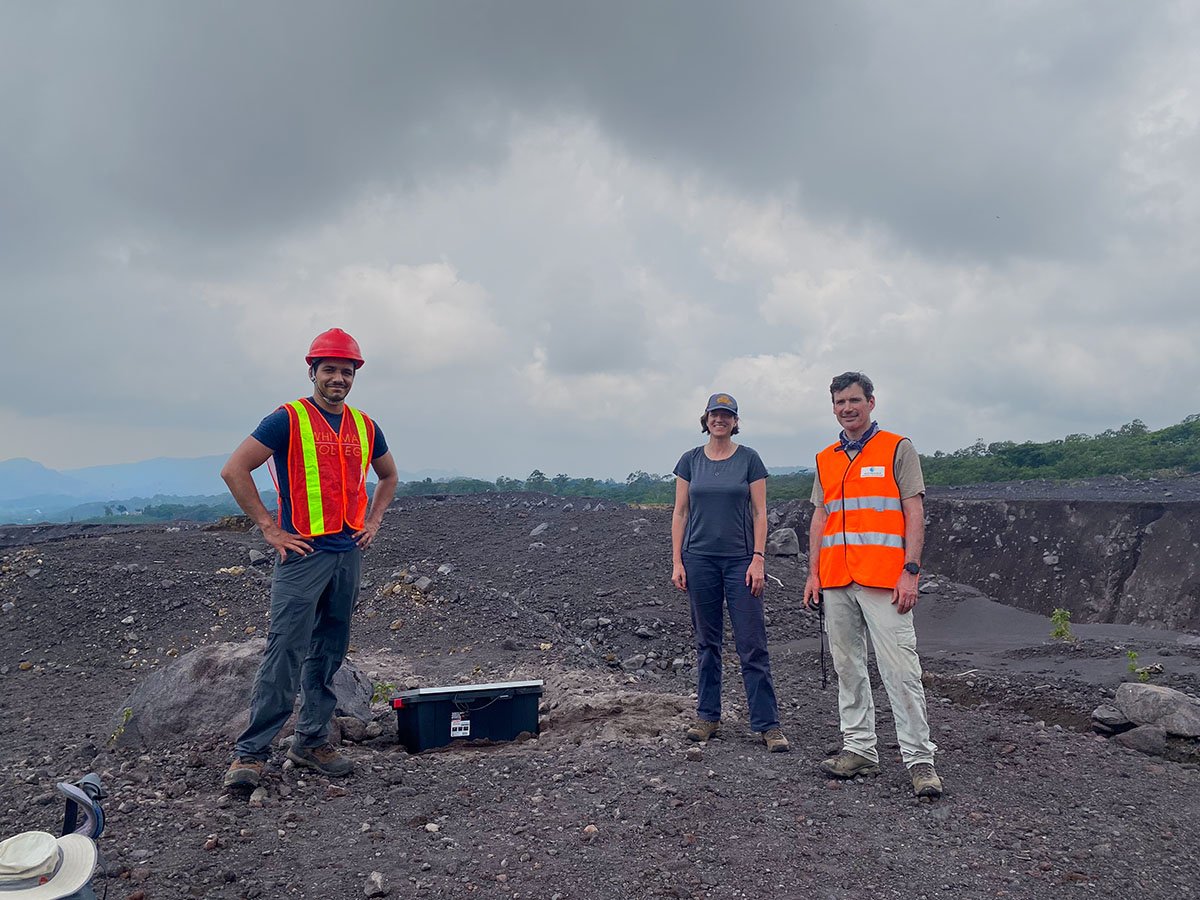
Dr. Bejar-Lopez’s story is more than an academic journey. It’s a testament to how one person’s passion can ripple through continents, classrooms, and communities. Whether facing volcanoes in Ecuador or Guatemala, his commitment remains the same: to bring knowledge, technology, and humanity together in the service of safety and resilience.
Congratulations, Dr. Gustavo Bejar-Lopez! Your dedication ensures that the communities living in the shadow of volcanoes are better prepared for the challenges they face.
Title: Water and Fuego: An Interdisciplinary Characterization of Lahar Activity on Volcán de Fuego, Guatemala
Abstract: Lahars are a type of volcanic hazard common in tropical stratovolcanoes. They occur when large amounts of water remobilize unconsolidated volcanic sediments, forming a mixture that flows violently downstream. In the case of Volcán de Fuego, Guatemala, lahars are mainly triggered by intense precipitation during the local rainy season. With dozens of these flows reported on Fuego during the rainy months, they pose a significant risk to people living near active lahar channels. This study aims to characterize critical aspects of lahar activity on Fuego using geophysical records, rainfall measurements, video observations, and computational simulations that help constrain the initiation and propagation mechanisms of these flows. This work shows that measured seismic energy increases and signal frequency content decreases while lahars move from proximal to distal areas of the volcano’s flanks. However, in the long term, seismic characteristics remain unchanged. This information supported the development of a machine learning-based framework to automatically detect lahar activity using geophysical monitoring. These results, combined with rainfall information, also allowed us to describe the control of precipitation on lahar activity. Statistically, rainfall at higher elevations is highly correlated with seismic parameters associated with flow size (e.g., cumulative power amplitude) farther downstream and least correlated with spectral characteristics of lahar signals (e.g., dominant frequencies), meaning rainfall alone is not sufficient to predict internal flow dynamics. This is consistent with a set of hydrologic outputs showing the significance that rainfall at higher elevations has in model accuracy. These results improve our knowledge of such ubiquitous types of volcanic processes and related hazards and can potentially be relevant for the development of mitigation strategies benefiting the communities around Fuego.
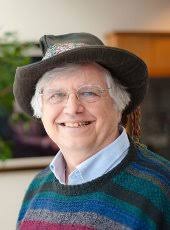
It is with deep sadness that we announce the passing of Professor Emeritus William (Bill) Rose on July 18. A distinguished colleague, devoted mentor, treasured friend, and visionary community leader, Bill began his journey with the Department of Geological and Mining Engineering and Sciences (GMES) in 1970, shortly after earning his PhD from Dartmouth College. He dedicated his entire 41-year faculty career to Michigan Tech and the Keweenaw community.
As department chair from 1990 to 1998, Bill led us through transformative growth, expanding graduate programs, increasing external research support, and integrating new technologies into geoscience education and outreach. He was instrumental in establishing signature programs such as the International Masters in Volcanology and Geotechniques (INVOGE) and the Peace Corps Master’s International program in Mitigation of Geologic Natural Hazards—initiatives that have significantly impacted our students and enhanced our global reputation.
Even in retirement, Bill remained deeply engaged, promoting public understanding of geoheritage and sharing his passion for science and culture with the broader community. His generosity, vision, and tireless mentorship have left an indelible mark on all who have had the privilege of knowing him. Many of his students returned decades later to reconnect, a testament to the lasting impact he had on their lives.
Our hearts go out to his wife, Nanno, his sons Christopher and Jason, and their families.
We recognize that no brief message can fully capture his profound impact or enduring legacy. In the coming days, we will share more information and plan a proper tribute to honor Bill’s life and contributions.
Department of Geological and Mining Engineering and Sciences
GMES is thrilled to recognize and celebrate the achievements of our Spring 2025 Bachelor of Science graduates. These students have worked diligently in classrooms, labs, and the field, developing the knowledge and skills necessary to become the next generation of geoscientists and engineers.
Their accomplishments reflect their passion, resilience, and dedication to the Earth sciences, and we couldn’t be prouder of their success.
To all our graduates, thank you for your dedication and determination. The best is yet to come, and we can’t wait to see all the incredible things you’ll achieve. Congratulations again, and best of luck in everything that lies ahead!
Please join us in congratulating:
Bachelor of Science in Geological Engineering
“I was able to get a job as a Geotechnical Engineer with Coleman Engineering.”
Bachelor of Science in Geology
“A degree from Tech is highly respected in the industry.“
Bachelor of Science in Applied Geophysics
Bachelor of Science in Mining Engineering
“The world needs more energy. I’m excited to be working in the energy market.”
We are excited to see where their journey takes them next — whether into industry, graduate school, or beyond. Congratulations to the Class of Spring 2025! Your future is bright.
Awards
Department Scholar – Natalie Sorensen
Kiril Spiroff Book Award – Lydia Lamey
Kiril Spiroff Book Award – Sam Jensen
Rock Hammer Award – Milena Sremba
From the underground mines of West Virginia to the classrooms of Scotland, our GMES graduates are turning hands-on learning into real-world impact. these Huskies are gaining skills that matter, and landing jobs across the globe. Hear their stories, see where they’re headed, and discover why a GMES degree could be your next great adventure.
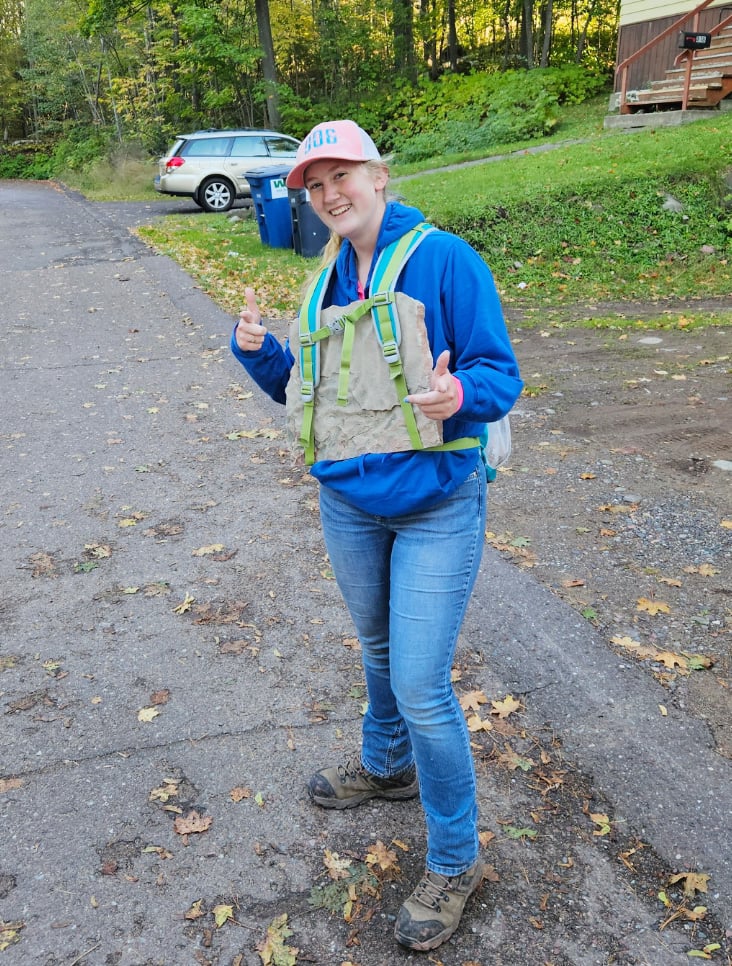
Stephanie Wiegand is graduating with a B.S. in Geological Engineering and a minor in Mining Engineering, and an Accelerated MBA is in progress. She reflected on her experience by saying this:
Q: What made you choose Michigan Tech and the GMES department?
A: The location drew me to Michigan Tech.
Q: What was your favorite class or project in GMES?
A: I really enjoyed field geology. The course was definitely intense, but it was interesting to work with the equipment.
Q: What’s next for you after graduation? (Job, grad school, travel, etc.)
A: I was able to get a job as a Geotechnical Engineer with Coleman Engineering. I will be working in Iron Mountain, MI, close to my family.
Q: What unique opportunities did you find at Michigan Tech that you might not have found elsewhere?
A: The vast amount of mines in the area and open outcrops gives this University a significant advantage over others.
Drawn in by a rare geophysics program and a tight-knit department, this student found inspiration in Earth History and hands-on fieldwork. Now, they’re heading to Scotland for grad school.
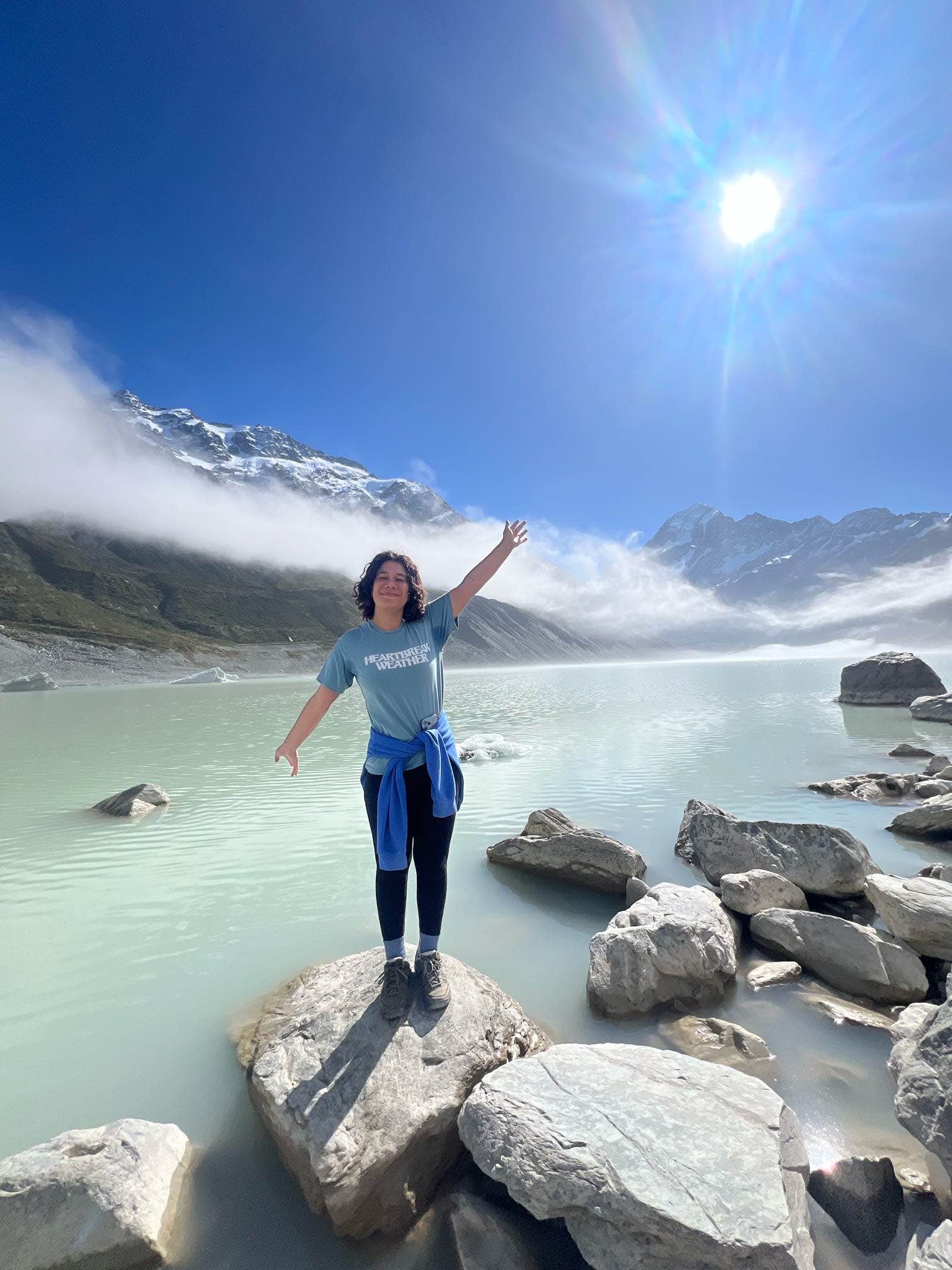
Clarissa Gordon is finishing with a B.S. in Applied Geophysics, and had this to share:
Q: What made you choose Michigan Tech and the GMES department?
A: I chose Michigan Tech and the GMES department because it was one of the few universities to offer a BS in geophysics. I also really liked the welcoming environment of the GMES department. The professors, staff, and students were very welcoming and engaging when I visited as a high school student.
Q: What was your favorite class or project in GMES?
A: My favorite class was Earth History, taught by Dr. Guth. I enjoyed the content a lot, and Dr. Guth led many fun projects and activities.
Q: What’s next for you after graduation? (Job, grad school, travel, etc.)
A: I plan to pursue a master’s degree in geophysics at the University of Aberdeen in Aberdeen, Scotland, UK.
Q: What unique opportunities did you find at Michigan Tech that you might not have found elsewhere?
A: Field geophysics was a fun and unique opportunity that I’m happy I had the chance to experience.
This GMES graduate is heading straight into the heart of the coal industry. From hands-on experience at the Adventure Mine to impactful lessons in mine safety, their time at Tech—especially with standout professor Matt Portfleet—prepared them for a career deep underground. Learn how this future Operations Engineer plans to power the world, one coal seam at a time, and why they say GMES set them up for a lifetime of success.
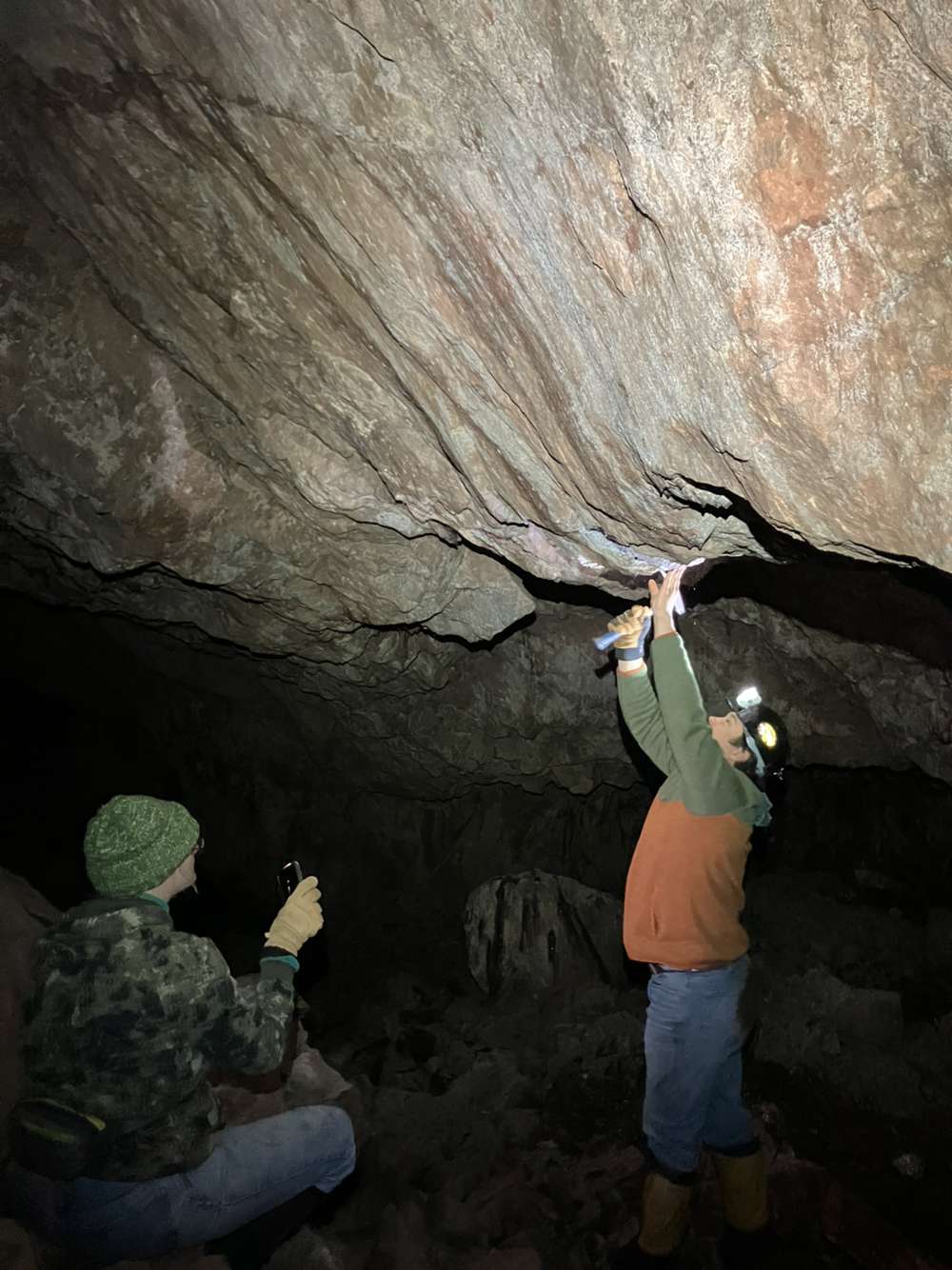
Aiden Harmon, originally from Marquette, MI, has fulfilled the requirements for a B.S. in Mining Engineering. Here’s what he had to share:
Q: What made you choose Michigan Tech and the GMES department?
A: MTU allowed me to stay close to home in the UP and work on a degree in the mining industry.
Q: What was your favorite class or project in GMES?
A: Drill and Blast/ Mine Safety with Matt Portfleet. My best class experiences and most applicable industry knowledge came from his course.
Q: What’s next for you after graduation? (Job, grad school, travel, etc.)
A: Starting at American Consolidated Natural Resource’s Ohio County Coal Co. in Dallas, WV as an Operations Engineer on the Pittsburgh No. 8 coal seam
Q: How do you hope to make a difference in the world with your degree?
A: The world needs more energy. I’m excited to be working in the energy market.
Q: What unique opportunities did you find at Michigan Tech that you might not have found elsewhere?
A: Access to the Adventure Mine and the time to practice hand scaling and jackleg drilling. While it is not a required skill in the 21st century of mining. It’s been a great talking point in interviews and has helped me get an operations-focused career.
Q: What skills did you gain in the program that you’re already using (or excited to use)?
A: Mine safety and underground awareness. My career is taking me underground, and I’m excited to use the Mine safety knowledge gained from Matt Portfleet.
Q: What advice would you give to incoming GMES students?
A: Get the internships. You’ll learn more in 3 months during the summer than in 8 months in the classroom.
Q: Complete the sentence: “Because of GMES, I…”
A: Will be gainfully employed for the rest of my life. Mining provides skills that will always be in demand and essential for a modern standard of living.
Hazel McGovern will receive a Bachelor of Science degree in Geological Engineering.
This Michigan Tech grad found their path through field geology and hands-on learning. Now, they’re headed to Utah to kick off an exciting new chapter. Want to know how Michigan Tech helped turn their passion into a profession? Keep reading to learn more.
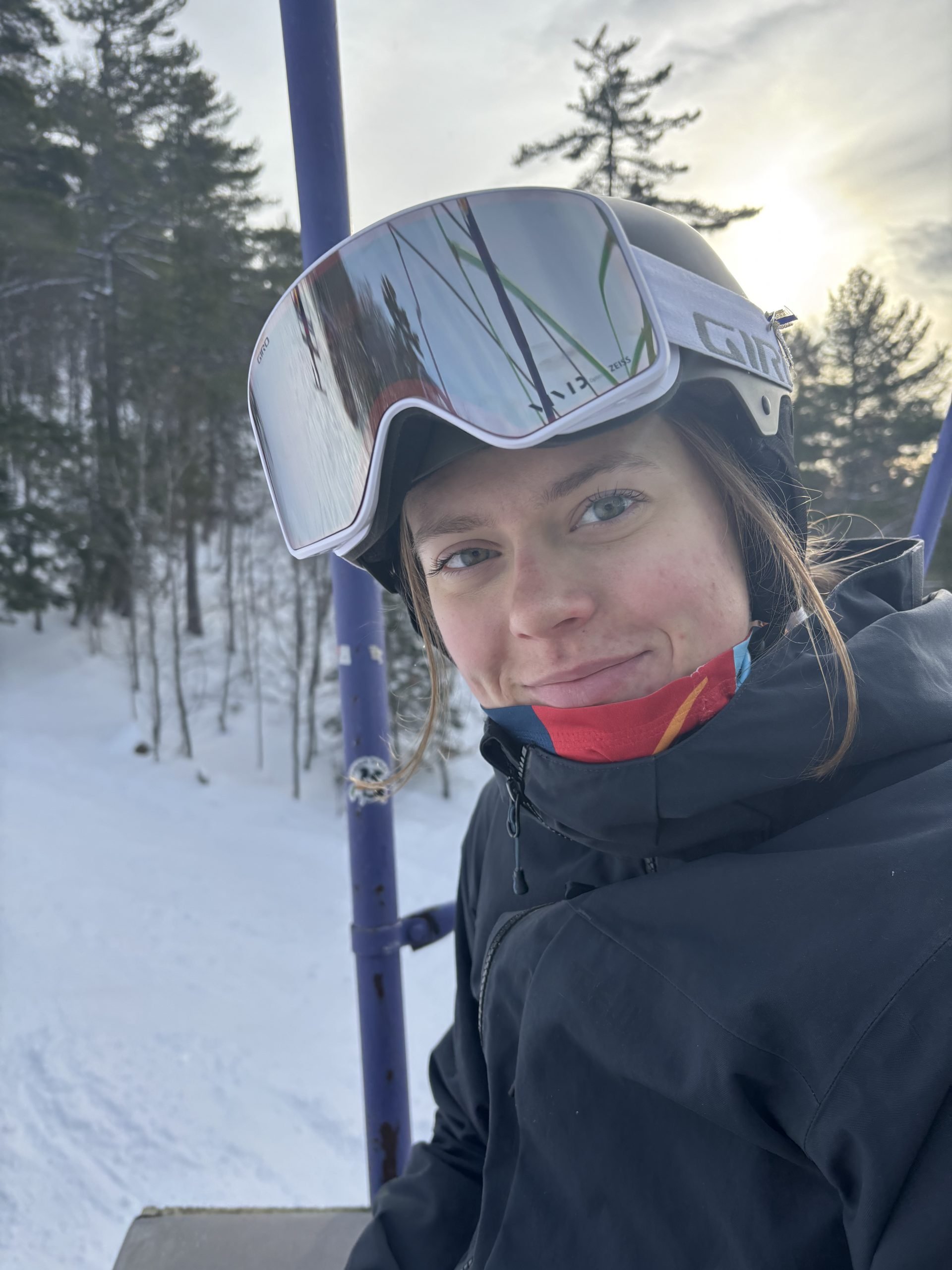
Q: What made you choose Michigan Tech and the GMES department?
A: I love being outside, and I knew I wanted to pursue a career in engineering.
Q: What was your favorite class or project in GMES?
A: The Field Geology Class
Q: What’s next for you after graduation? (Job, grad school, travel, etc.)
A: I have a job in Utah!
Q: What unique opportunities did you find at Michigan Tech that you might not have found elsewhere?
A: I enjoyed the hands-on experiences relating to my major and interests.
Konraad VanDyke, from the hometown of Kalamazoo, MI, is completing a Bachelor of Science degree in Geology.
Drawn to Michigan Tech for its rich history and strong reputation, this grad found their academic spark in Petrology and is now heading into the field—literally—before starting a career with Edward C. Levy. Their advice? Work hard and stay open to every opportunity. Want to see how a love for geology turned into a promising future? Read on.
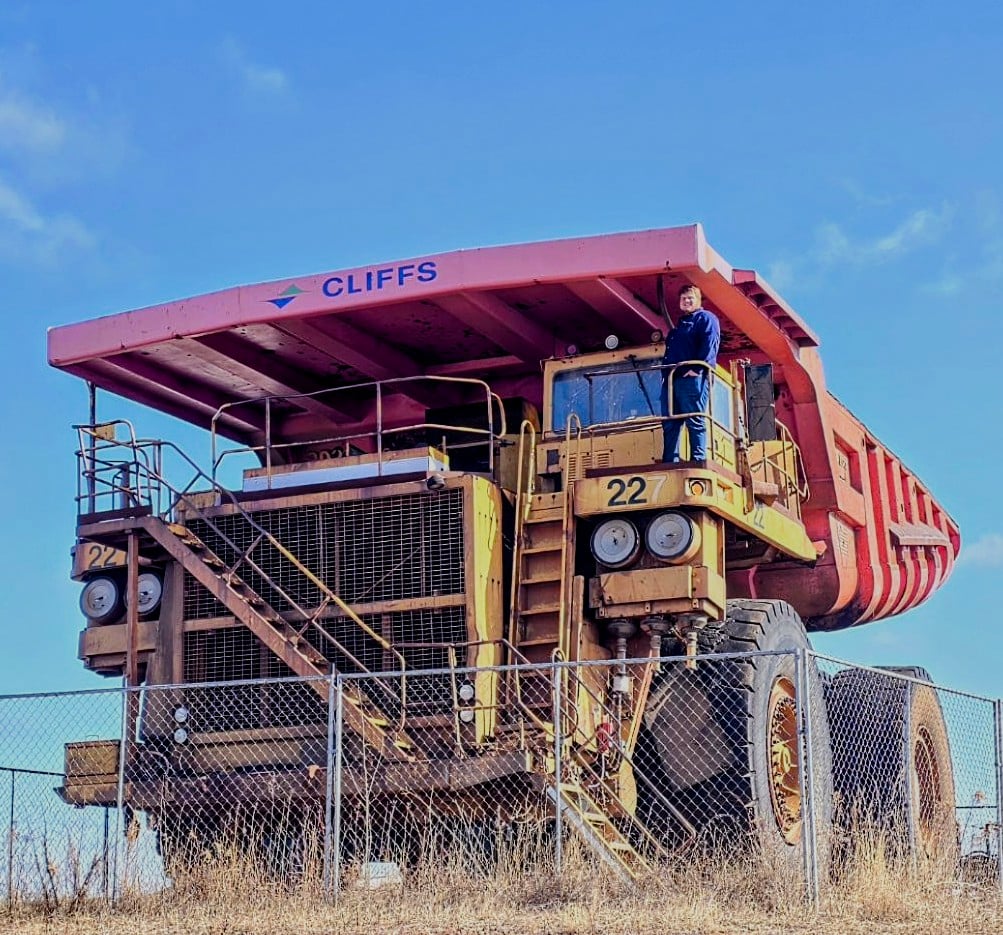
Q: What made you choose Michigan Tech and the GMES department?
A: I love the area and the history. Additionally, a degree from Tech is highly respected in the industry.
Q: What was your favorite class or project in GMES?
A: I loved Petrology
Q: What’s next for you after graduation? (Job, grad school, travel, etc.)
A: I am taking field courses and then plan to work for Edward C. Levy.
Q: What advice would you give to incoming GMES students?
A: Work hard and explore every opportunity that arises.