Tag: Electrical Engineering

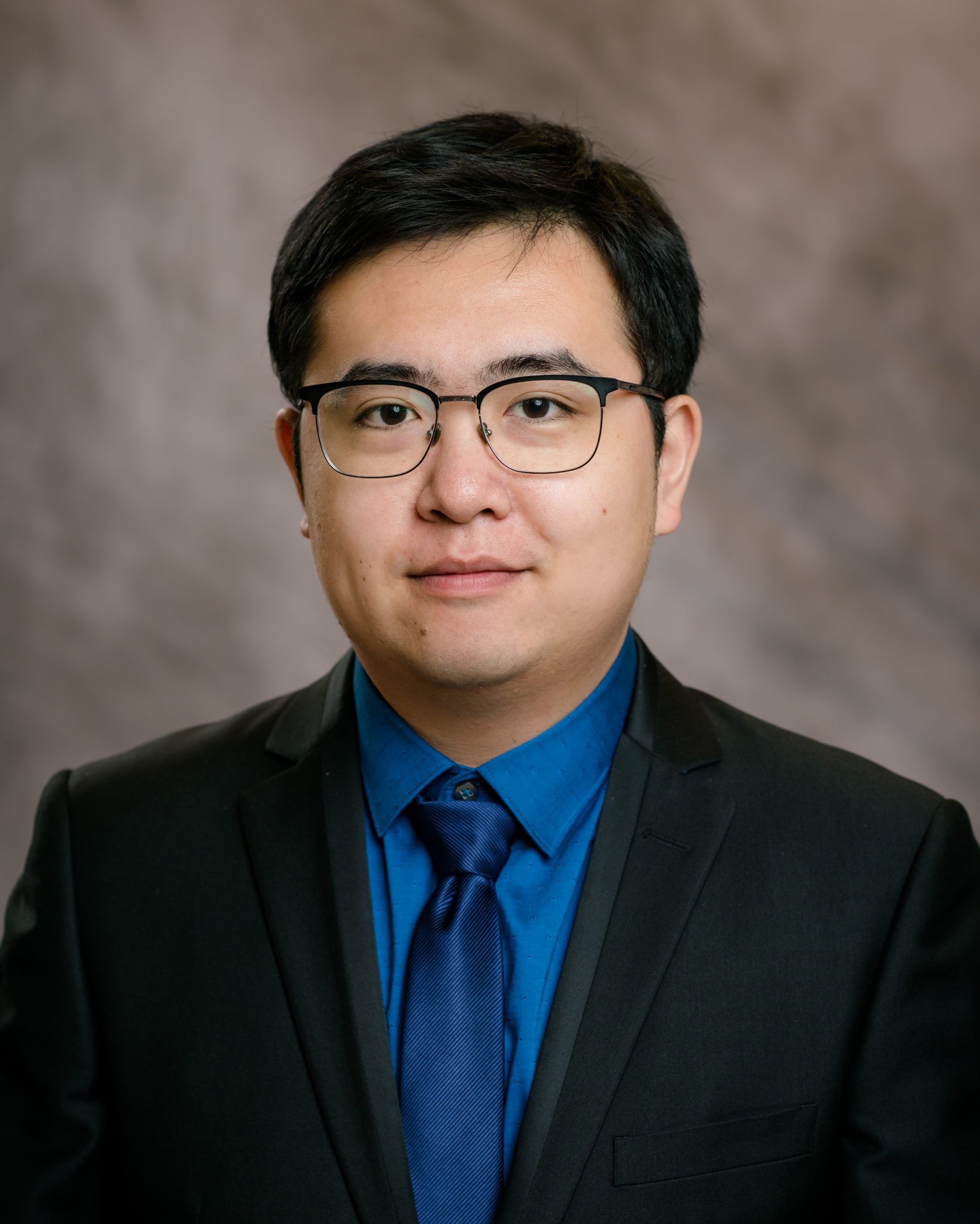
Finishing Fellowship Award – Spring 2026 – Parinaz Eskandari

Eskandari, Parinaz
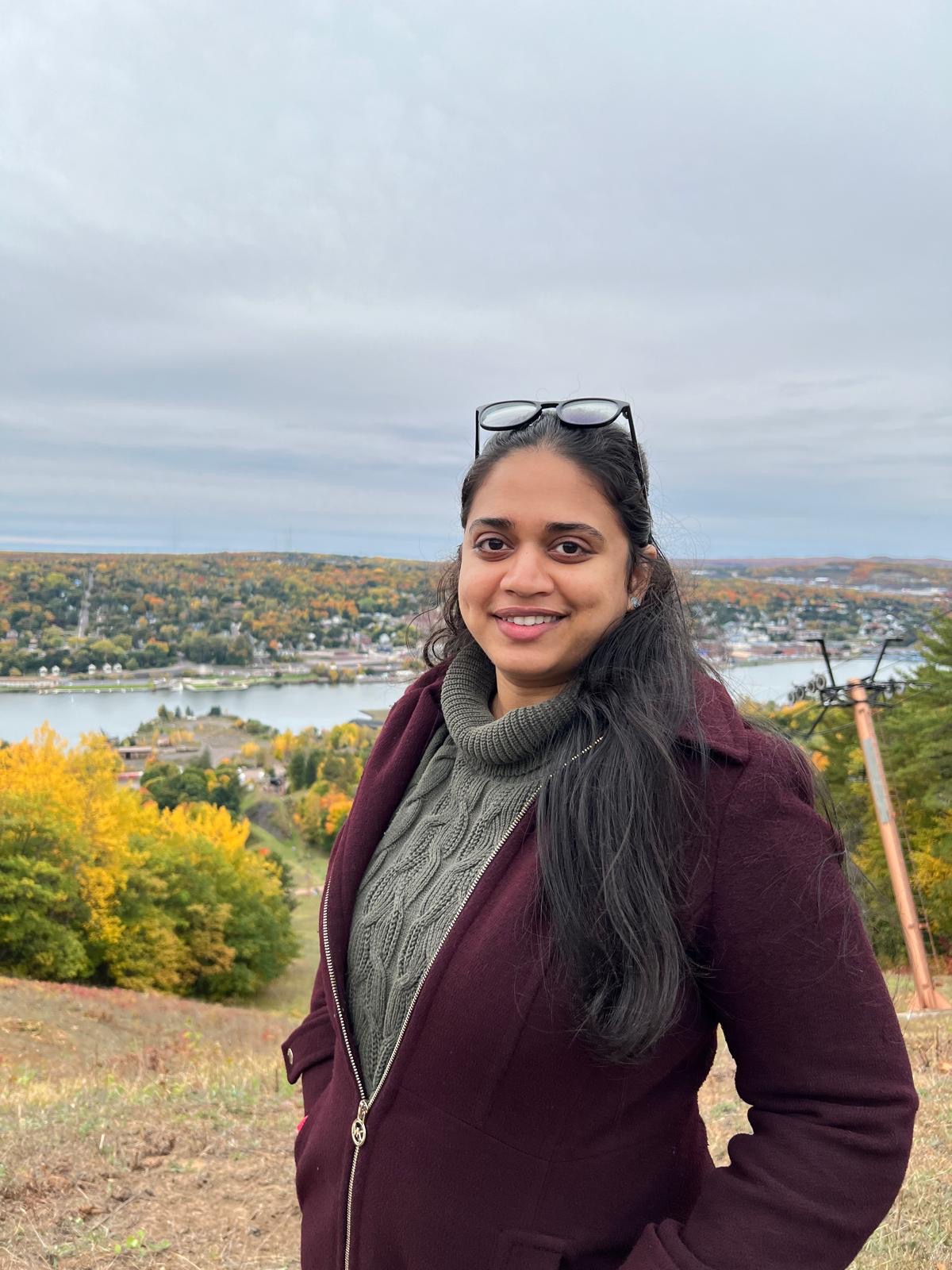
Parinaz Eskandari, PhD in Electrical Engineering, 2026

When I first moved to the United States from my home country, Iran, I carried with me a deep curiosity and determination to expand my research in electrical engineering—without knowing exactly where this journey would lead. I began my PhD at Western Michigan University in 2021 and later transferred to Michigan Technological University in 2023 to pursue advanced research in semiconductor-based devices. Joining Dr. Paul Bergstrom’s group allowed me to focus on microfabrication and semiconductor technology using the M&M facilities, and to benefit from his mentorship and expertise. I am truly grateful to be his doctoral student, as I have learned not only about semiconductor science but also invaluable lessons in perseverance, patience, and resilience throughout my PhD journey.

Over the past two and a half years, I have gained extensive experience in both research and teaching, shaping my technical expertise and hands-on skills in semiconductor and electrochemical systems. My dissertation, titled “Toward Single-Entity Electrochemical Sensing Using Nanoscale Pores in a Planar Electrode Array,” focuses on developing nanoscale platforms for detecting and characterizing individual biomolecules. Traditional electrochemical methods detect analyte composition in bulk but lack single-entity precision. My research addresses this limitation by modeling and fabricating planar microelectrode arrays coated with ultra-thin SiO₂ films containing nanoscale pores. These pores act as molecular traps, confining electrochemical reactions to localized sites and enabling detection of individual biomolecules such as elevated liver enzymes. Validated performance confirmed the potential of nanoscale, pore-confined electrochemical sensing for next-generation diagnostic systems, as presented in my recent work at the IEEE NMDC 2025 Conference and the 248th Electrochemical Society (ECS) Meeting in Chicago.

I was deeply honored to receive the Outstanding Graduate Student Teaching Award from the Graduate School in Spring 2025 for my work in the Chip Fabrication and Photonic Materials laboratories within the Department of Electrical and Computer Engineering. This recognition was especially meaningful, as teaching has been one of the most rewarding parts of my PhD journey—an opportunity to inspire curiosity and confidence in students while continuing to learn and grow alongside them.

Outside of research, I find balance through music and nature. I enjoy playing Piano and Hang Drum, hiking, and exploring the peaceful landscapes of Michigan’s Upper Peninsula, which have provided inspiration and calm throughout my doctoral journey.

The Michigan Tech Doctoral Finishing Fellowship will support the final stage of my doctoral research and dissertation completion during the Spring 2026 semester. I am deeply grateful for this opportunity to dedicate my full focus to completing and sharing my work in single-entity electrochemical sensing.

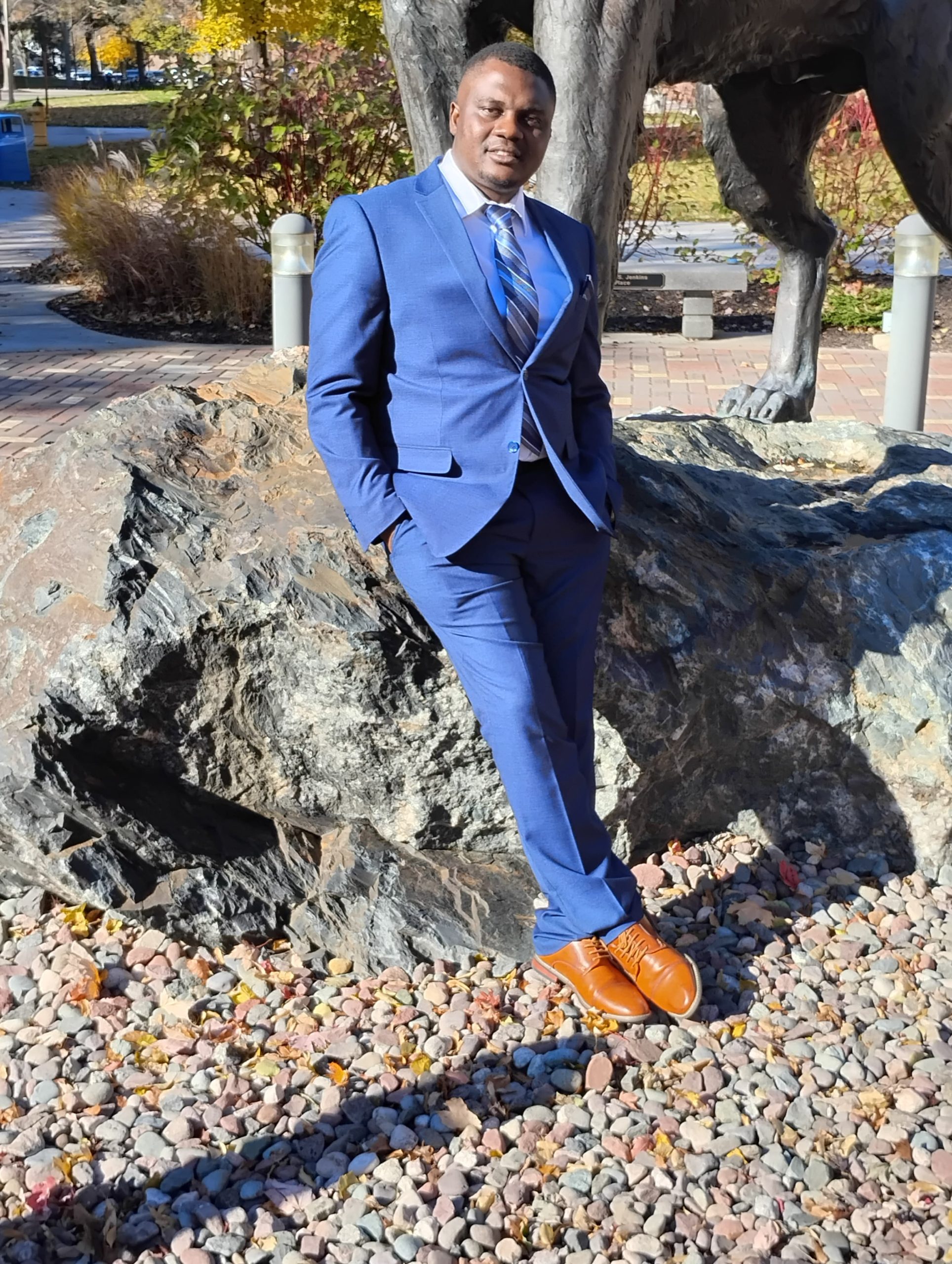
DeVlieg Foundation Fellowship – Summer 2025 – Carl Greene

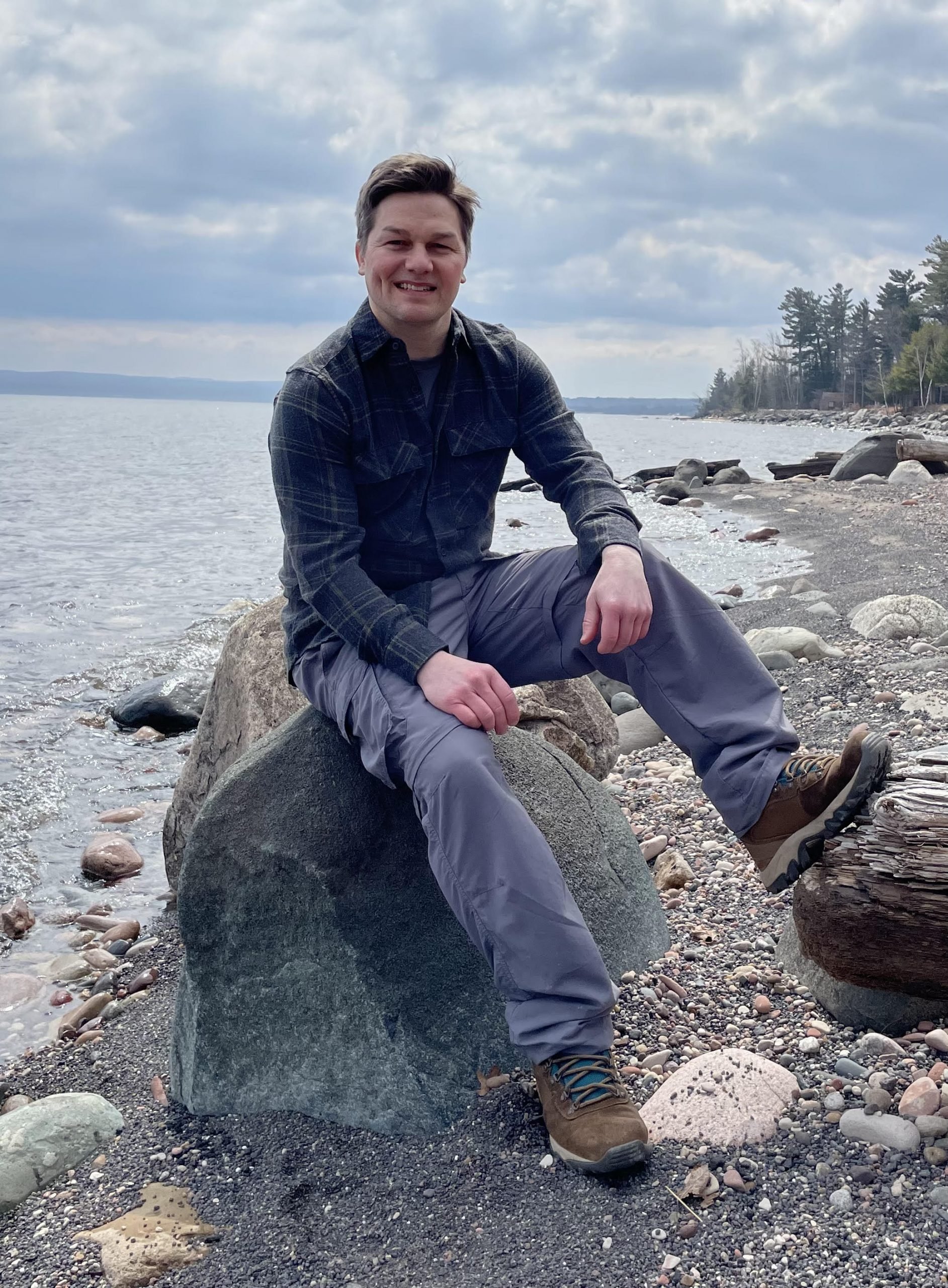
Carl Greene, PhD in Electrical Engineering, 2025

Hello, I am Carl Greene, a PhD Candidate in Electrical Engineering from the College of Engineering at Michigan Technological University. I came to Michigan Tech as a non-traditional graduate student, having completed my Bachelor of Science in Engineering Physics at the University of Wisconsin-Green Bay. After working in the battery, manufacturing and electronics industries, I had a desire to participate in meaningful research; therefore, I decided to pursue a graduate degree.

Shortly after starting my graduate work, I had the opportunity to join a project within the Agile and Integrated Microgrid (AIM) Research Center under the advisement of Dr. Wayne Weaver and Dr. Jeremy Bos. Our work focused on autonomous mobile microgrids and power transmission. During the pursuit of my master’s degree in Mechanical Engineering, I met researchers working in the Upper Peninsula (UP) on a bat conservation project. As a wildlife lover, I was fascinated by the project and their passion to combat White Nose Syndrome (WNS) and its effects on bat populations in the UP, leading me to develop the structure of my PhD work.

The Robust Autonomous Systems Lab or RASL at Michigan Tech has an extensive knowledge of LiDAR, computer vision and autonomous automotive sensors technologies, which aligned with my PhD project. Armed with the knowledge and resources from RASL, we were able to team up with the College of Forest Resources and Environmental Science and the Michigan DNR to further develop the use of autonomous automotive sensor technologies and applied machine learning to assist in bat monitoring and conservation.

When I am not doing research work, I enjoy hiking, reading, and aviation, as well as spending time with my rescue dogs and cats.

I am extremely grateful to be awarded this fellowship by the DeVlieg Foundation. This award provides me with the opportunity to focus solely on developing my algorithms and furthering my progress towards the completion of our work.

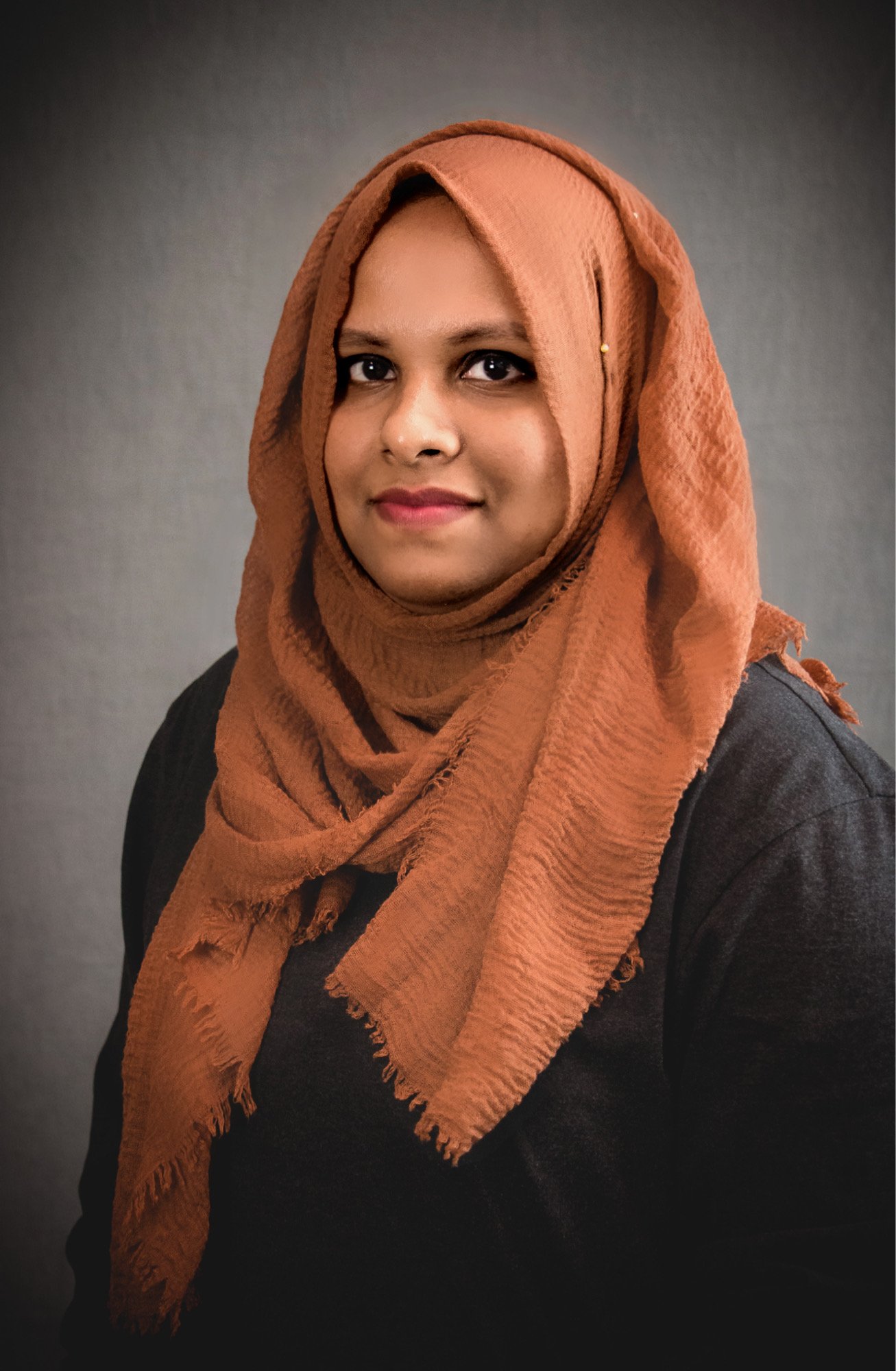
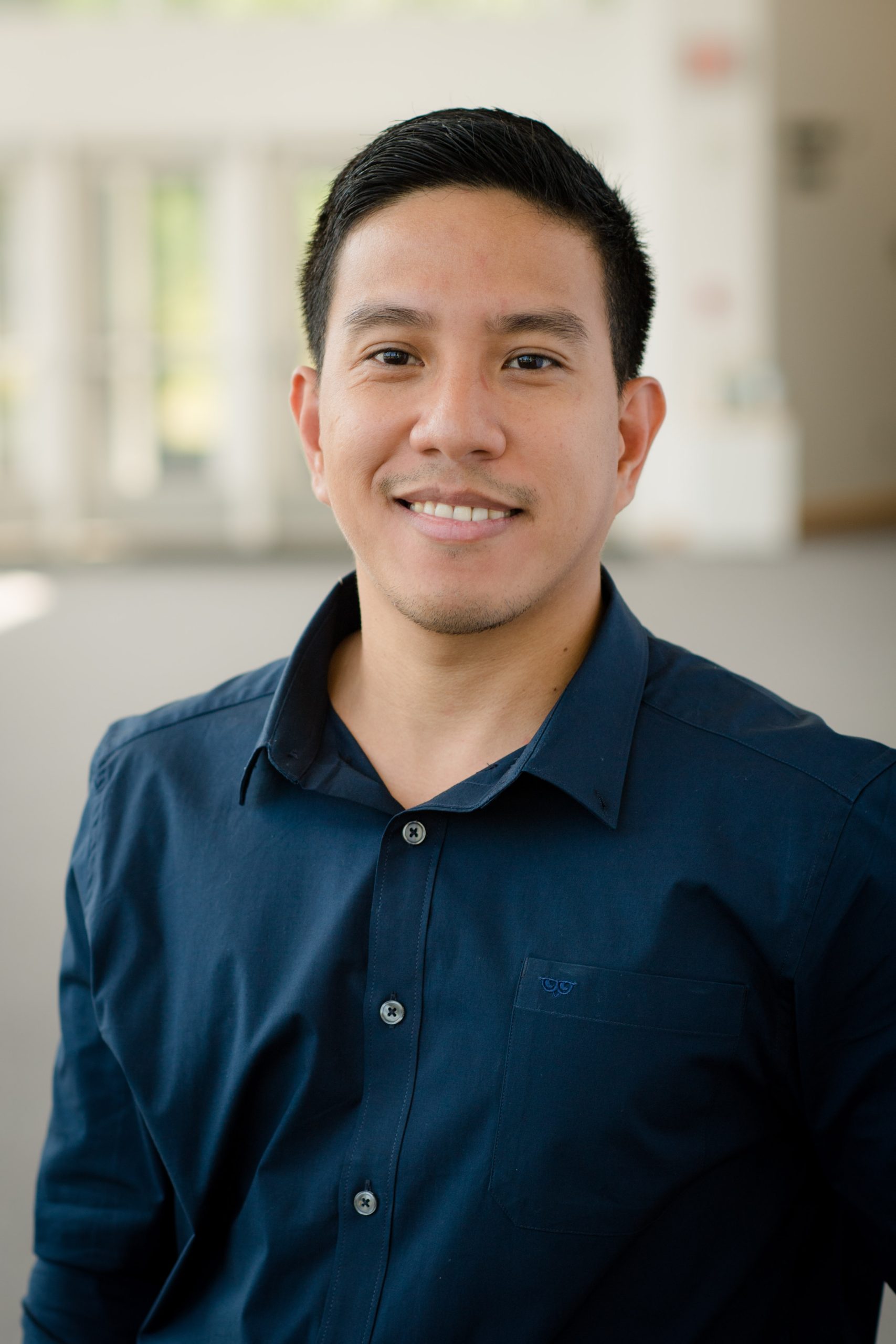
Doctoral Finishing Fellowship – Fall 2023 Recipient – Mehnaz Tabassum

Ever since my early days as an undergraduate student, I have been captivated by the potential of technology to revolutionize our daily lives. Michigan Technological University has provided an enriching environment for my research endeavors. The collaborative spirit among faculty members and the vibrant research community have fostered an environment for innovative ideas and cross-disciplinary collaborations. Engaging in stimulating discussions with brilliant minds and participating in cutting-edge projects have amplified my intellectual growth and fortified my passion for pushing the boundaries of knowledge in vehicular networking.

I am thrilled to share my remarkable journey as a doctoral candidate at Michigan Technological University. I started my PhD in Fall 2018 in the Electrical and Computer Engineering department. Throughout my doctoral journey, I have dedicated myself to unraveling the complexities of vehicular networking, exploring its intricacies one discovery at a time. By delving into areas such as intelligent transportation systems, vehicle-to-vehicle (V2V) communication, and infrastructure-to-vehicle (I2V) interactions, I aim to contribute to the seamless integration of vehicles into our evolving smart cities.

I am immensely grateful for the support of my advisor, Dr. Aurenice Oliveira, whose guidance, expertise, and unwavering encouragement have been instrumental in shaping my research trajectory.

To all aspiring researchers and technologists, I urge you to embrace your passions and fearlessly pursue your dreams.

Dean’s Award for Outstanding Scholarship – Fall 2022 Recipients

Congratulations to the following students on receiving the Outstanding Scholarship Award!

Jesse Anderson- Atmospheric Sciences
Md. Saleh Akram Bhuiyan- Biomedical Engineering
Aynaz Biniyaz- Civil Engineering
Julian Blann- Accounting
Sarvada Hemant Chipkar- Chemical Engineering
Jay Czerniak- Business Administration
Joshua Golimbieski- Engineering Management
Ronald Kyllonen- Mechanical Engineering
Ikechukwu Emmanuel Okoh- Mechanical Eng-Eng Mechanics
Rohit Sunil Pandhare- Mechanical Eng-Eng Mechanics
Peng Quan- Forest Science
Sambhawana Sharma- Physics
Emily Shaw- Engineering – Environmental
Shardul Tiwari- Environmental & Energy Policy
Modupe Omolara Yusuf- Rhetoric, Theory and Culture

Dean’s Award for Outstanding Scholarship – Spring 2022 Recipients

Congratulations to the following students on receiving the Outstanding Scholarship Award!

Jiban Krishna Adhikary- Computer Science
Sarah Anderson- Accounting
Samantha Appleyard- Engineering Management
Chinmoyee Das- Forest Science
Talva Jacobson- Indust Heritage & Archaeology
Shabnam Konica- Mechanical Eng-Eng Mechanics
Akhil Manoshkumar Kurup- Computer Engineering
Yunxiang Ma- Civil Engineering
Andrew Puyleart- Applied Physics
Reihaneh Samsami- Civil Engineering
Ariana Smies- Biomedical Engineering
Mitchel Timm- Mechanical Eng-Eng Mechanics
Erin Vandenbusch- Business Administration
Emmeline Wolowiec- Geology
Upendra Yadav- Mechanical Eng-Eng Mechanics
Shijia Yan- Statistics

Dean’s Award for Outstanding Scholarship – Fall 2021 Recipients

Congratulations to the following students on receiving the Outstanding Scholarship Award!

Sandip Aryal- Physics
Tanner Barnes- Forest Ecology & Mgmt
Jennifer Butina- Business Administration
Jennifer Carolan- Accounting
Jessica Daignault- Civil Engineering
Domenicca Mileth Guillen Pachacama- Geology
Srinivas Kannan- Biomedical Engineering
Shreyas Sunil Kolapkar- Mechanical Eng-Eng Mechanics
Nurun Nahar Lata- Atmospheric Sciences
Emma Lozon- Rhetoric, Theory and Culture
Ninad Mohale- Materials Science and Engrg
Shane Oberloier- Electrical Engineering
Ahmed Umair Riyas- Engineering Management
Abu Sayeed Md Shawon- Applied Physics
Tessa Steenwinkel- Biological Sciences

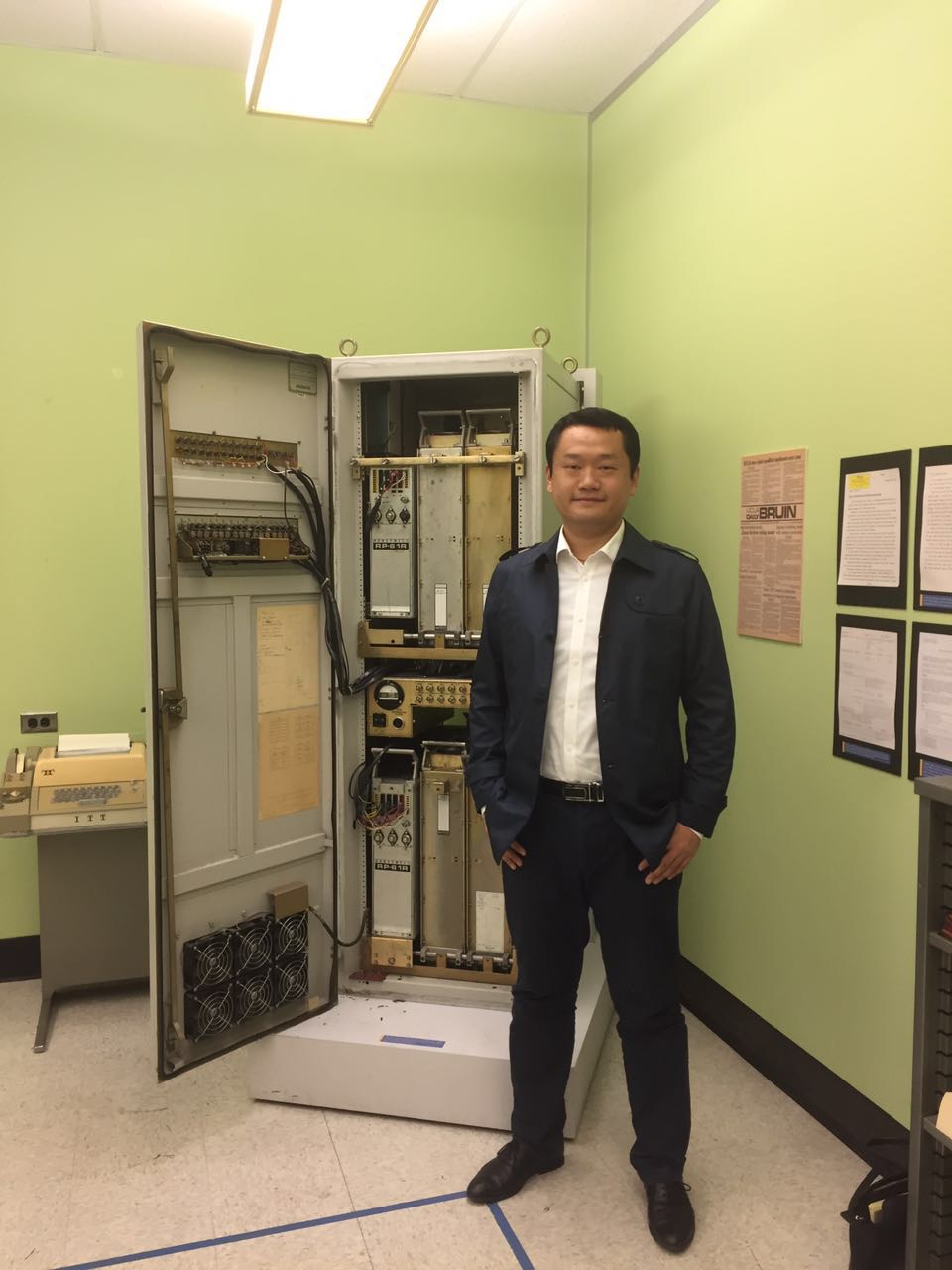
Doctoral Finishing Fellowship – Summer 2022 Recipient – Li Wei

I started working on my Ph.D. in Fall 2016 at the Department of Electrical and Computer Engineering with Prof. Zhaohui Wang. I previously obtained my M.S. from the University of Connecticut and my B.S. from Xi’an Jiaotong University in China. My research has focused on underwater acoustic communication and networking technology. 

At Michigan Tech, I first developed a comprehensive experiment system for both simulation and field underwater acoustic communication and networking experiments, which facilitated several field experiments in Keweenaw Waterway, Lake Superior, and a joint field experiment with UCLA in Marina del Rey. With the abundant field experiment data collected by this system, I explored the generative models of the underwater acoustic channel impulse response with deep learning. The generative models can further enhance the performance of reinforcement learning models for optimizing configurations of an underwater acoustic network system. I plan to continue my research and development works on underwater acoustic communication systems after I finish my Ph.D.

I would like to express my sincere gratitude to the Department of Electrical and Computer Engineering and the Graduate College of Michigan Technological University for their continuous support in achieving my Ph.D. goals. My special thank goes to my research advisor Prof. Zhaohui Wang, my committee members, and also all the lab members in our research group for their invaluable guidance and help.

Doctoral Finishing Fellowship – Fall 2021 Recipient – Yunxiang Ma

I came from central China, where I was born and brought up. I obtained my Bachelor of Engineering degree in civil engineering from Xi’an Jiaotong-Liverpool University, a young collaborated university symbolizing the cooperation and communication between the oriental and western world. Then I went to the United Kingdom and got my master’s degree in structural engineering and mechanics from the University of Glasgow and Edinburgh University. I joined MTU in January 2018 and started my study and research life as a Ph.D. student. The study and journey told me to embrace the difference, learn from the best and do what I can.  

Currently, human society is facing some common and severe problems, such as the extreme weather caused by global warming, pollution, and the increasing cost of human resources. As a civil engineer, I would like to help with what I can do. In my vision, the buildings have to be more resilient, ecofriendly, and efficient in cost and human resources in the future. A fundamental improvement to thaw the problems a little would be the improvement of structural systems. I was clueless; then, I met the mass timber structures. Unlike the manufacture of cement, which incinerates stones, or the casting of steel, which melt and treat iron in a furnace, timber structural components manufacture requires much less energy and consolidate the carbon absorbed by the trees. However, despite the outstanding sustainability performance, as a type of natural material, the variation in the mechanical properties and the directional differences limited the utilization. In recent decades, engineered wood products such as CLT broke through the limit and showed great potential as a new and better structural system.

Nevertheless, there are still a lot of technical problems limiting the promotion of mass timber structures. As a civil engineer, I wish to contribute and gain success. I got an opportunity here in MTU to study the manufacture of CLT with low-value timber for first-hand experience. I am studying the CLT wall structures with advanced finite element analysis tools for the structural dynamic response, which could help design and develop mass timber structures. I greatly appreciate MTU and my advisors that provided me the opportunity. And I would like to sincerely thank the Graduate Dean Awards Advisory Panel for approving me for the finishing fellowship award. The award will help me to fully concentrate on finishing my study and dissertation for my Ph.D. degree. It will be a significant step for me to pursue my career and my dream.  

Dean’s Award for Outstanding Scholarship – Fall 2020 and Spring 2021 Recipients

Congratulations to the following students on receiving the Outstanding Scholarship Award!

Amit Acharya – Physics
Gabriel Edzordzi Agbozo – Humanities
Oluwatomisin Shalom Akinbo – College of Business
Jessica Alger – Civil and Environmental Engineering
Alejandra Itzel Almanza Perales – Materials Science and Engineering
Emily Anible – Mathematical Sciences
Austin Arenz – College of Business
Tanner Barnes – College of Forest Resources and Environmental Science
Beth Bartel – Geology and Mining Eng Sciences
Allison Berryman – College of Business
Prateek Sameer Bhalla – Mechanical Engineering and Engineering Mechanics
Chaitanya Ganesh Bhat – Civil and Environmental Engineering
Parth Parimalbhai Bhatt – College of Forest Resources and Environmental Science
Troy Bouman – Mechanical Engineering and Engineering Mechanics
Jessica Bruning – Kinesiology Integrated Physiology
Sam Celani – Electrical and Computer Engineering
FNU Chandan Kumar – Geology and Mining Engineering Sciences
Marina Choy – Humanities
Michael Conard – Computer Science
Anthony Custard – College of Business
William Dion – Biological Sciences
Akshay Shankarrao Dongre – Mechanical Engineering and Engineering Mechanics
Jon Furlich – Mechanical Engineering and Engineering Mechanics
Dylan Gaines – Computer Science
Anindya Ghoshroy – Electrical and Computer Engineering
Qing Guo – Physics
David Hallberg – Electrical and Computer Engineering
John Harron – Civil and Environmental Engineering
Brittany Hubbard – Civil and Environmental Engineering
Saeed Jafari Kang – Mechanical Engineering and Engineering Mechanics
Dongzhao Jin – Civil and Environmental Engineering
Shreya Joshi – Physics
Siva Krishna Kakula – Computer Science
Ranit Karmakar – Electrical and Computer Engineering
Joshua Kemppainen – Mechanical Engineering and Engineering Mechanics
Pegah Kord Forooshani – Biomedical Engineering
Arianna Laiho – Kinesiology Integrated Physiology
Weibing Li – Mathematical Sciences
Yanfang Liu – Mathematical Sciences
Evan Lucas – Electrical and Computer Engineering
Ali Moazzam – Electrical and Computer Engineering
Andrea Myers – College of Forest Resources and Environmental Science
Samerender Nagam Hanumantharao – Biomedical Engineering
Veena Sathish Namboodri – Humanities
Nicholas Newberry – Chemistry
Yugandhara Yuvraj Patil – Mechanical Engineering and Engineering Mechanics
Jessica Pitts – Kinesiology Integrated Physiology
Veronica Porter – College of Forest Resources and Environmental Science
Ashfiqur Rahman – Electrical and Computer Engineering
Nelmary Rodríguez-Sepúlveda – Geology and Mining Eng Sciences
Kaitlyn Roose – Cognitive and Learning Sciences
Cristhian Paul Salas Pazmiño – Geology and Mining Engineering Sciences
Mujeeb Olushola Shittu – Biological Sciences
Cameron Shock – Physics
Prasad Pramod Soman – Materials Science and Engineering
Steven Stelly – Kinesiology Integrated Physiology
Kevin Sunderland – Biomedical Engineering
Arman Tatar – Civil and Environmental Engineering
Subin Thomas – Physics
Ariana Tyo – Biomedical Engineering
Matthew Vander Molen – College of Forest Resources and Environmental Science
Isaac Wedig – Kinesiology Integrated Physiology
Zhuo Xu – Mechanical Engineering and Engineering Mechanics
Ruiting Zhan – Chemical Engineering
Jiongxun Zhang – Mechanical Engineering and Engineering Mechanics
Zhihao Zhao – Mechanical Engineering and Engineering Mechanics
Xiaodong Zhou – Civil and Environmental Engineering

Record Number of Fulbright Scholars at Tech

The students are from Afghanistan, Egypt, Indonesia, Kazakhstan, Laos, Lesotho, Mauritius, Morocco, Pakistan, Russia, Serbia & Montenegro, Togo, and Ukraine. Such diversity in backgrounds and academic interests brings a richness to Tech and makes our Graduate School like no other. Here are two comments:

  • “I am studying Electrical Engineering with a specialization in Power Systems. I plan to focus on the production of energy through renewable energy sources. Togo is a small country in Africa and is only able to produce about 30% of its consumption of electricity. I became interested in this area because I suffered from this lack of electricity when I was in high school. I had to study for my high school degree using old-fashioned kerosene lamps and candles and that’s still the case for a lot of children living in the countryside. That’s why I am doing my best to help bring electricity to remote areas. And I hope my time at Michigan Tech will give me with skills to address this issue in a more effective way.” – Koami Hayibo, MS, Togo
  • “Kazakhstan is in the top 15 countries in terms of coal, oil and gas reserves. Exports of these commodities have been feeding Kazakhstan’s economy for almost thirty years. However excessive reliance on hydrocarbon exports has its economic, societal and environmental backlashes. With its existing infrastructure, Kazakhstan is the 19th largest source of greenhouse gas (GHG) emissions in the world despite having only 18 million population. Realizing this problem, the government began to develop measures to improve the situation. In this regard, I decided that studying Environmental and Energy Policy at Michigan Tech can greatly contribute to creating a more favorable environment for my home country.” -Azat Turegeldin, MS – Kazakhstan

The mission of the Fulbright Program is to increase international understanding and respond to critical global issues. It is funded and overseen by the State Department, with 155 countries participating in the Program. Fulbrighters exemplify the power of international academic exchange to transform lives, bridge geographic and cultural boundaries and promote a more peaceful and prosperous world.