Tag: Geophysics

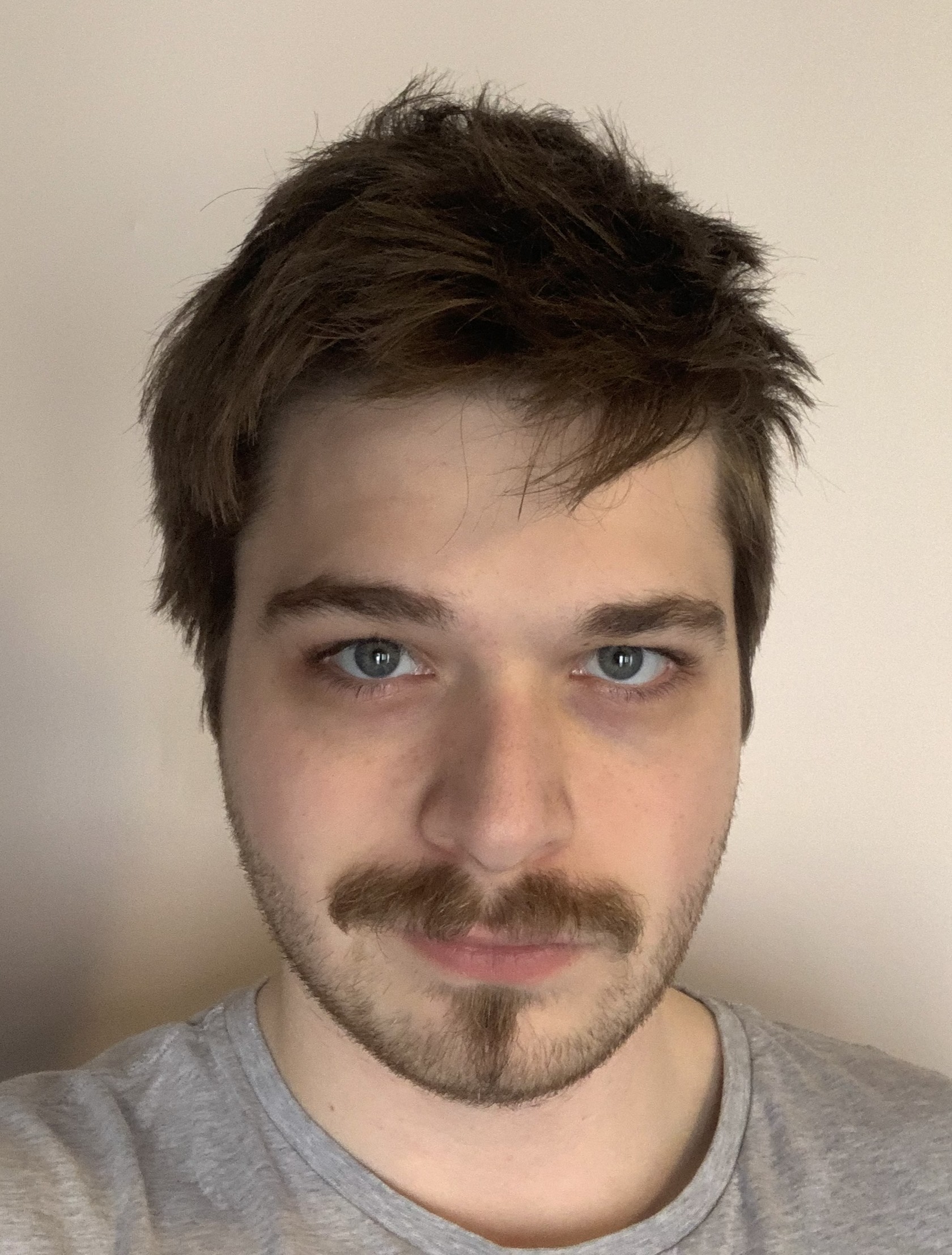
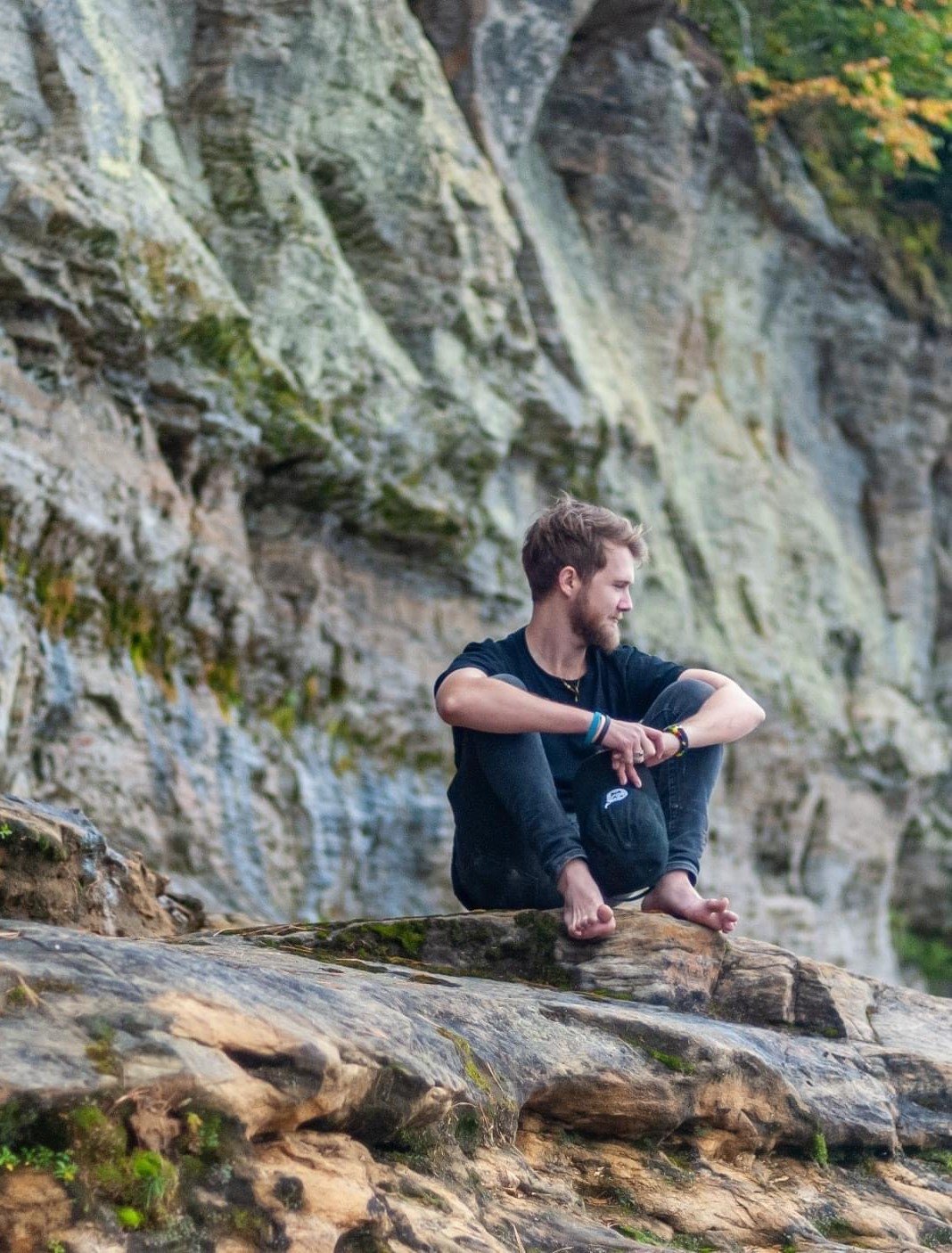
Finishing Fellowship Award – Spring 2026 – Gabriel Ahrendt

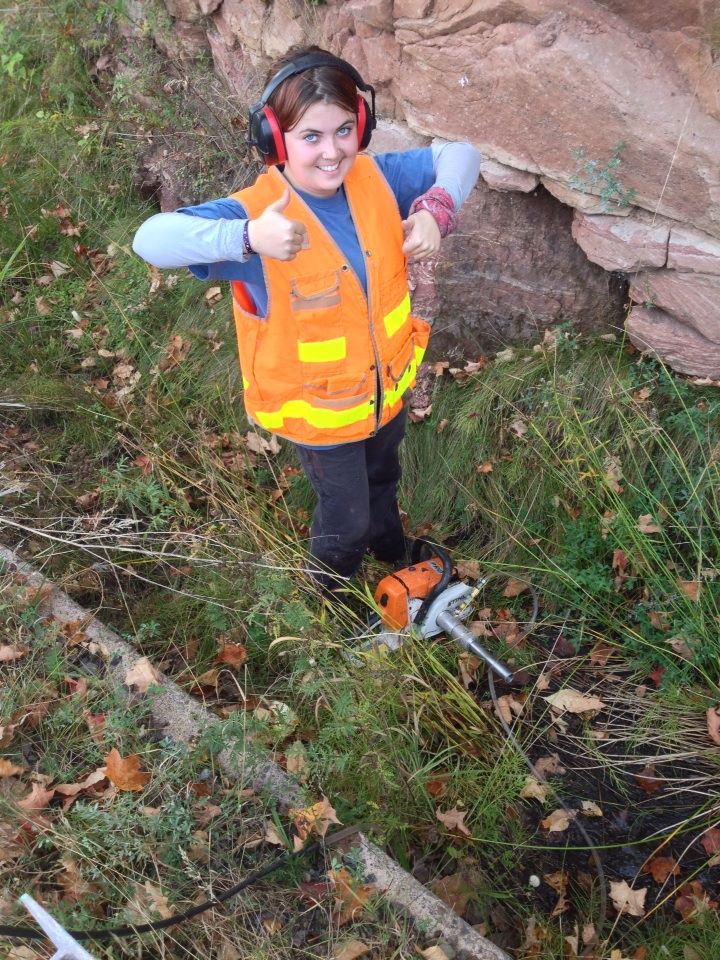
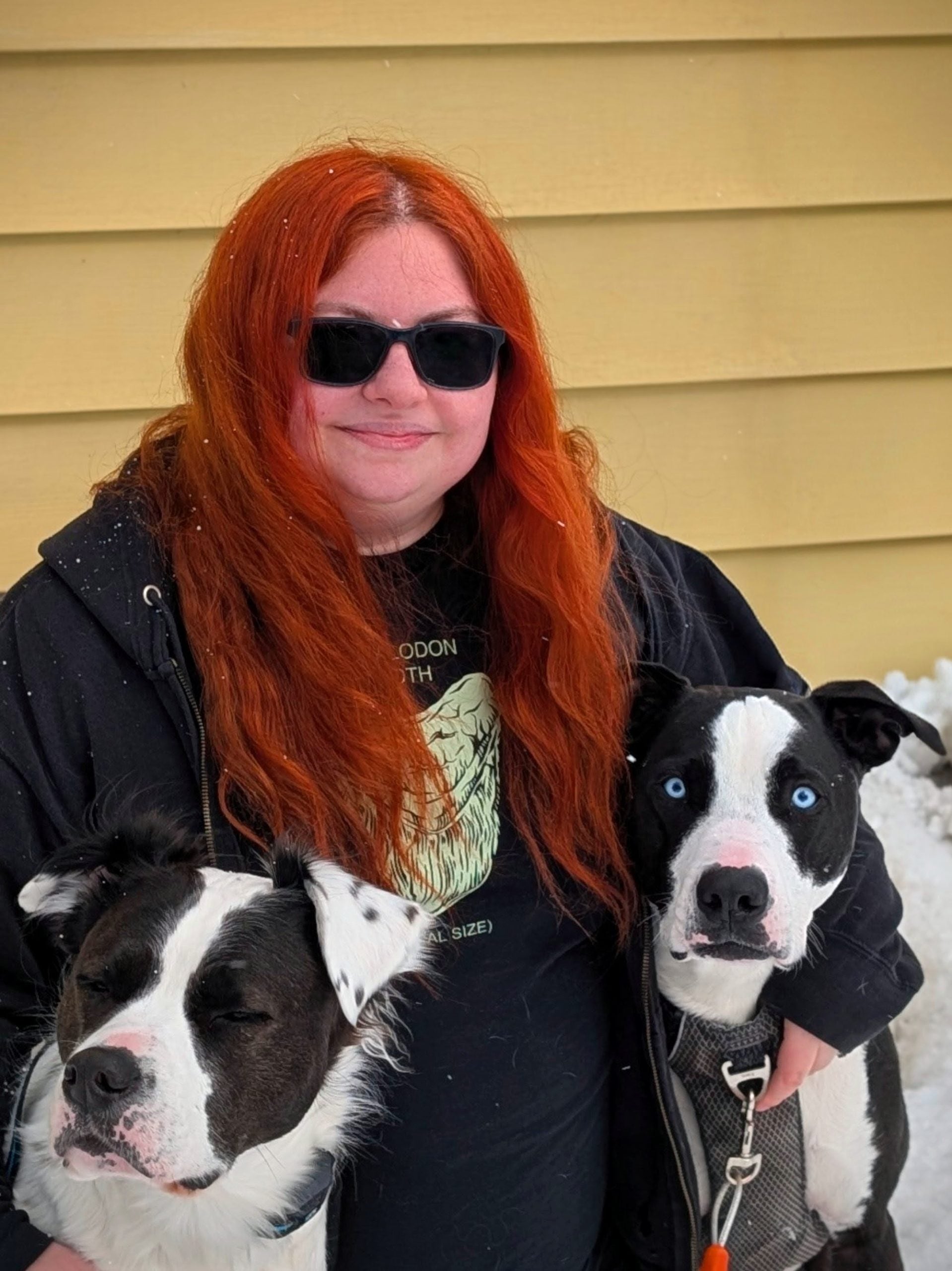
Gabriel Ahrendt, PhD in Geophysics, 2026

I began my PhD research at the beginning of the pandemic, TA-ing labs online and trying to carry out experimental research in a quarantined lab. This taught me a degree of flexibility and spontaneity that has carried through the rest of my degree. Over the course of my PhD I’ve TA’d geology classes, a multi-university course on climate science and policy, I’ve taught the Summer Youth Program for geology, organized a workshop in Washington DC on the UN framework Convention on Climate Change, sampled geological areas for the USGS mapping and exploration efforts, organized social and research events for graduate student government, was coordinator of the GSG softball league, sat on the advisory boards of a forest conservation campaign and an international ecological network, helped organize physics and geological conferences at MTU, and even organized a couple music and art festivals. I like to think that, starting a PhD directly after Peace Corps service, I continued my community focused ethos and incorporated it into my degree.

My research has focused on deciphering the early processes of Earth and solar system evolution, including planetary magnetic field evolution, tectonic dynamics, and paleoenvironmental conditions. While these processes have shaped the modern Earth system, many aspects remain poorly understood. Within this framework, I have carried out three research projects using paleomagnetic, rock-magnetic, geochemical, and electron microscopy methods.

The first project, analyzing Iron-Nickel alloys in meteorites has demonstrated the possibility of analyzing primary magnetic signals in a large suite of meteorites that were previously thought to be bereft of primary magnetic signals. The second project on Iron formations has demonstrated a novel way to interpret paleoenvironments of formation based on rock -magnetic analysis. The third project on Upper Peninsula dike swarms provide a more detailed reconstruction of the 2.1–1.85 billion-year-old tectonic history of the Lake Superior region, constrain its geodynamic evolution, and offer crucial insights into the Earth’s magnetic field history, including the timing of the solid inner core formation.

I am grateful to the Graduate school, my advisor, and my committee for this opportunity to carry out interesting and novel research while also being an active and engaged community organizer.

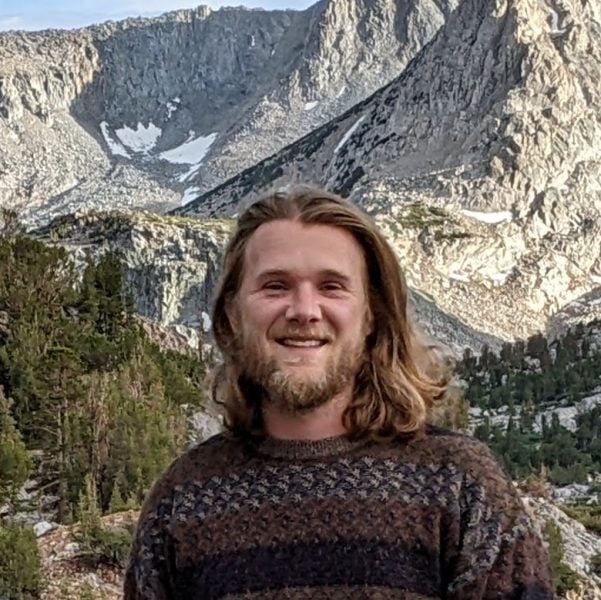
King-Chávez-Parks Future Faculty Fellowship – Fall 2024 – Gabriel Ahrendt

Having nearly completed two years of service as a Peace Corps Volunteer in Liberia, West Africa, I spent one sweltering afternoon in Spring of 2019 looking forward to what came next for me. Prior to service I had completed my bachelor’s degree in geology at the University of South Florida, researching igneous and metamorphic geochemistry of the smoky mountains. I knew two things about what I wanted from the next chapter of my life that afternoon: I wanted a change of climate and a chance to study unique and fascinating geology.


Fast forward to now, where I am working on my Ph.D. in geophysics, studying rock magnetism and paleomagnetism. I have gotten to know the Precambrian geology of the Keweeenaw intimately through researching the history of intrusive igneous dikes that criss-cross the landscape from Marquette to Copper Harbor, and from researching the depositional environments that created some of the largest iron formations in the world down near Iron Mountain. I’ve even been able to go beyond the Keweenaw and study magnetic alloys in meteorites, using the most powerful microscopy methods known to look at how these unique metals form in space and are deformed by entering the Earth’s atmosphere. I am indebted to the Geological and Engineering Mining Sciences department for the opportunity to research and study these topics. I am especially grateful to my advisor Dr. Aleksey Smirnov and my committee members Dr. James Degraff and Dr. Gregory Waite for providing me with guidance and sharing in their knowledge. I hope to repay the debt by teaching a new generation about the dynamic land they stand on.


During my time at Tech, I have also been fortunate enough to continue my engagement in climate science and education, something I have been pursuing since I was a teenager making oyster matts to combat eutrophication in Florida’s Indian River Lagoon. Thanks to the gracious support and guidance of Dr. Sarah Green from the department of chemistry and Dr. Leah Dundon from the Vanderbilt University School of Engineering, I have been able to help teach a multi-university class on climate science and policy as well as participate in the United Nations Framework Convention on Climate Change’s Conference of the Parties. I look forward to engaging with the climate policy and science network I have built up in my future career as an educator, my way of helping to sustain all Earth sciences for generations to come.

Sponsored by the King-Chavez-Parks Future Faculty Fellowship from the State of Michigan.

Doctoral Finishing Fellowship Summer 2020 Recipient- Haitao Cao

Haitao Cao

I am a Ph.D. candidate studying Geophysics and Seismology in the Department of Geological and Mining Engineering and Sciences. I started working under the supervision of Dr. Wayne Pennington and Dr. Askari for my master program in Fall 2014. My master project focused on numerical simulation on the ambient noise seismic interferometry with an application to CO2 sequestration monitoring. After finishing MS in summer 2016, Dr. Askari offered me an opportunity to continue my PhD program. In my PhD project, we developed optical and acoustic experimental apparatuses to visualize and analyze the behavior of a special seismic waves called crack waves that propagate in hydraulic fractures. Our laboratory experiment on the crack waves helps to better understand the physical properties of fluid-filled reservoirs undersurface.

I cannot express my gratitude and appreciation to the graduate school for awarding me the Finishing fellowship. It will give me peace of mind to finish my dissertation more effectively and publish more papers out of my research in the summer.

Doctoral Finishing Fellowship Spring 2018 – Marine Foucher

Marine Foucher
Geophysics

Marine FoucherMy interested towards volcanoes, rocks, and natural phenomena led me to pursue an undergraduate degree in Geosciences at Paris South XI University and, later, at a master’s level at New Mexico Highlands University. As part of my master’s degree I conducted research investigating fossil magma flow direction within an extinct volcano in New Mexico, to improve our understanding of volcanic eruptions. This research provided me with a fundamental understanding of the study of the Earth Magnetic field and the magnetic properties of rocks. The skills I acquired during my master’s degree provided a solid basis for the work I have undertaken as part of my PhD at Michigan Tech.

Spring 2018 Finishing Fellowship Recipients

The Graduate School is pleased to announce the awarding of Finishing Fellowships for doctoral candidates. Fellowships are available through the generosity of alumni and friends of the University. They are intended to recognize outstanding PhD candidates who are in need of financial support to finish their degrees.

(listed by nominating department)

Spring 2018 Recipients

Biochemistry and Molecular Biology
Jeffrey Kiiskila

Biological Sciences
Andrew Chapp

Chemistry
Gemechis Dereje Degaga
Ashok Khanal
Shanshan Hou

Computer Science
Gorkem Asilioglu
Zhaoxiang Jin

Electrical Engineering
Aref Majdara
Husam Sweidan
Chaofeng Wang

Forest Science
John Henderson

Geophysics
Marine Foucher

Mechanical Engineering-Engineering Mechanics
Kishan Bellur
Meng Tang
Le Zhao
Xiucheng Zhu
Saeedeh Ziaeefard

Physics

Meghnath Jaishi
Dolendra Karki
Mingxiao Ye

Dean’s Award for Outstanding Scholarship Spring 2017

Recipients—Spring 2017

  • Yunana Ahmed (Rhetoric, Theory and Culture PhD)
  • Samer A. Alokaily (Mathematical Sciences PhD)
  • Shiva S. Bhandari (Physics PhD)
  • Sachin M. Bhosle (Mechanical Engineering PhD)
  • Nicholas W. Bolton (Forest Science PhD)
  • Kyle A.  Brill (Geophysics PhD)
  • Natasha I. Chopp (Data Science MS)
  • Mustafa Gezek (Mathematical Sciences PhD)
  • Pei Hou (Atmospheric Sciences PhD)
  • Caoyang Jiang (Electrical Engineering PhD)
  • Yiping Mao (Biological Sciences PhD)
  • Chelsea J. Nikula (Chemistry PhD)
  • Zichen Qian (Biomedical Sciences PhD)
  • Amir Rezaei (Electrical Engineering PhD)
  • Abbey J. Senczyszyn (Master of Business Administration)
  • Ali Solouk (Mechanical Engineering PhD)
  • Shuo Wang (Mechanical Engineering PhD)
  • Dong Xia (Accounting MS)
  • Wentao Yao (Mechanical Engineering PhD)

Doctoral Finishing Fellowships Fall 2016 Recipients

The Graduate School is pleased to announce the awarding of Finishing Fellowships for doctoral candidates. Fellowships are available through the generosity of alumni and friends of the University. They are intended to recognize outstanding PhD candidates who are in need of financial support to finish their degrees.

(listed by nominating department)

Fall 2016 Recipients

Electrical Engineering
Arash Hosseinzadeh
Seyedmehdi Sadatgoltabarestani

Engineering Physics
Bishnu Tiwari

Geological Engineering
Jordan Mertes

Geophysics
Federica Lanza

Materials Science and Engineering
Cameron McNamara
Shan Zhao

Physics
Hugo Alberto Ayala Solares
Gaoxue Wang

Rhetoric, Theory and Culture
Lindsay Hingst

New Dissertations in the Library

The Graduate School is pleased to announce new dissertations are now available in the J.R. van Pelt and Opie Library from the following programs:

  • Chemical Engineering
  • Biological Sciences
  • Biomedical Engineering
  • Civil Engineering
  • Electrical Engineering
  • Engineering Physics
  • Forest Science
  • Geophysics
  • Industrial Heritage and Archaeology
  • Materials Science and Engineering
  • Mechanical Engineering-Engineering Mechanics
  • Rhetoric and Technical Communication

Geoscientists Without Borders accepting applications

The Society of Exploration Geophysicists (SEG) announces grant application for the Geoscientists Without Borders (GWB) (www.seg.org/gwb) humanitarian program.

Apply online before the grant application deadline of Sep 30, 2013 .

Funding: up to $50,000/year, two years max.

Criteria:  applied geosciences technology, student involvement, humanitarian benefit.

For more information and an overview of the application , click here.

Bernadette Ward
bward@seg.org
SEG Foundation

New theses available in the Library

The Graduate School is pleased to announce new theses are now available in the J.R. van Pelt and Opie Library from the following programs:

  • Biological Sciences
  • Chemical Engineering
  • Chemistry
  • Civil Engineering
  • Electrical Engineering
  • Environmental Engineering Science
  • Forestry
  • Geological Engineering
  • Geology
  • Geophysics
  • Industrial Archaeology
  • Materials Science and Engineering
  • Mechanical Engineering
  • Physics