Category: Alumni

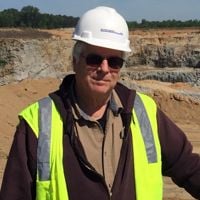
GMES Legends: Randy Sandrik, PE (B.S. Mining Engineering ’72)

Attracted by Michigan Tech’s strong reputation, this alumni advanced from a coal mine laborer to International VP of Operations, followed by consulting. MTU’s practical and theoretical mining education prepared him well. Randy Sandrik graduated with a bachelor’s degree in mining engineering in 1972.  Read on to discover more about Randy’s insights on Tech and his advice for Huskies.

Randy is originally from La Grange, Illinois.

Q: Why did you choose MTU?
A: MTU’s reputation as an excellent university made it a no-brainer. 

Q: What has your career path been like since you graduated?
A: I advanced from a UMWA laborer in a West Virginia coal mine to International VP of Operations. I then did some consulting after retirement.

Q: How did your time at MTU prepare you for your industry/career?
A: A great combination of practical and common-sense mining, with expert theory and demonstration, prepared me.

Q: What’s it like to return to the campus now? Have you noticed any changes?
A: The culture has remained the same since the 1970’s.

Q: What is the most impactful memory of your time here?
A: The staff: W. Been (department head), K. Spiroff (geology), Margeret Sullivan (mining dept secretary), Jean Kemp (museum)

Q: What is your favorite activity when you return to campus?
A: When I return to the campus, I love driving to Copper Harbor and visiting the tourist mines.

Q: What advice would you give someone starting at Tech as a Husky?
A: I would encourage every Husky to explore the Copper Country.

Q: What role did the community or extracurricular activities play in your overall experience?
A: The community and extracurricular activities were significant in my overall experience.

Q: Looking back, what opportunities do you wish you had taken advantage of here?
A: I wish I had spent more time at the mines before shutting down.

Q: What networking opportunities did you take advantage of as a student?
A: As a student, I took advantage of networking opportunities through parents of mining students who worked in the mining industry.

Q: What is your current position’s unexpected benefit/skill set? What did you not realize at first was a part of what you do?
A: Presenting ideas to others.

Q: Any comments?
A: The current approach to working with undergrads in mining at MTU is excellent.

Q: Did you have on-campus employment while a student? If yes, what did you do?
A: While enrolled at MTU, I assisted in the Geology and Mining Department as a student worker.


Learn from this legend: “One of the great aspects of the mineral business is the depth and breadth of opportunities.” – Randy Sandrik.


Dr. Radwin Askari: Pioneering Geophysics Research and Education at Michigan Tech

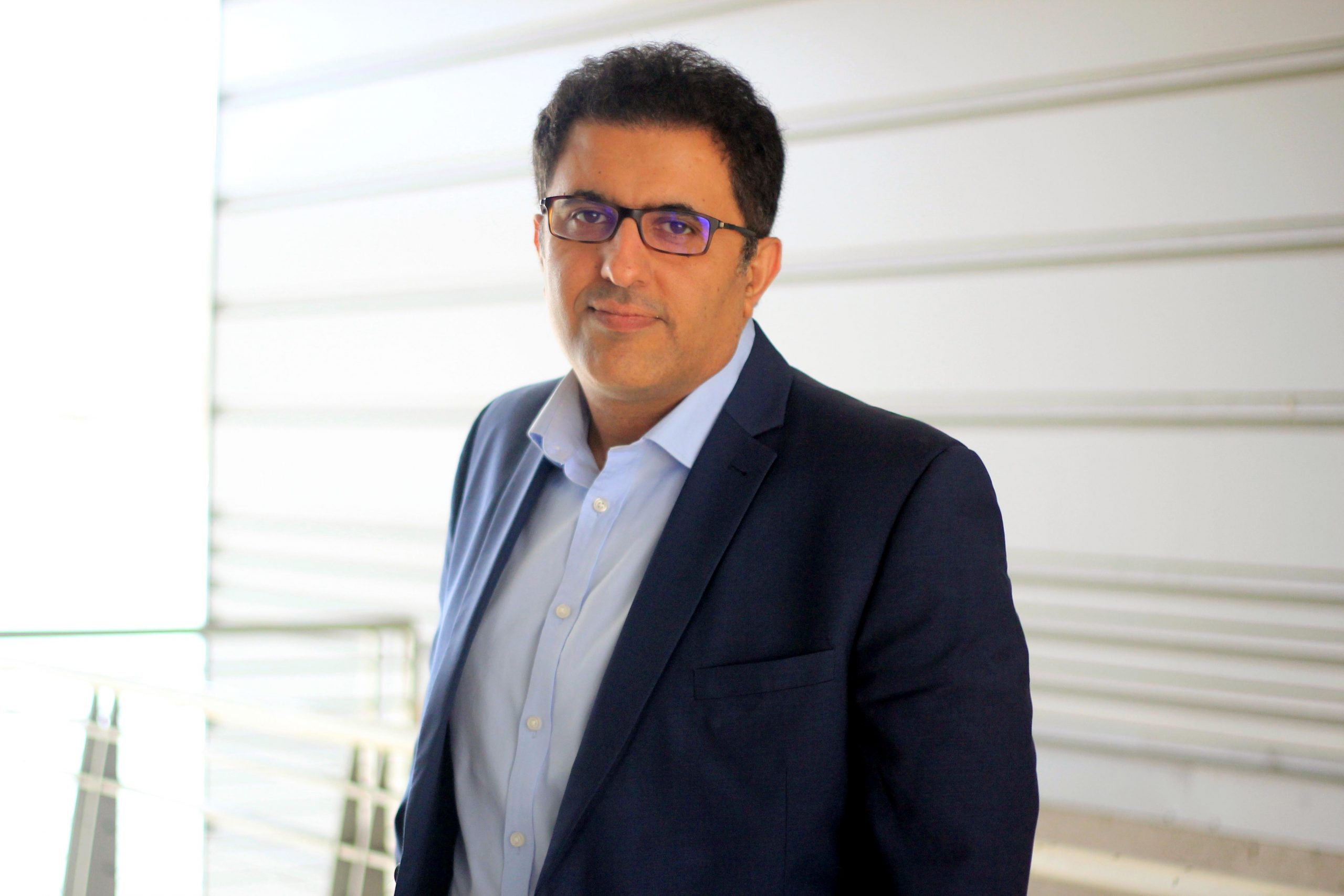
Dr. Askari

Dr. Radwin Askari, Associate Professor in the Department of Geological and Mining Engineering and Sciences (GMES) at Michigan Tech, is a geophysicist at the forefront of environmental geophysics and energy transition research. His innovative work focuses on understanding fluid transport in geological settings and its geophysical signatures, including volcanic tremors and long-period events. As the founder of Michigan Tech’s state-of-the-art Physical Modeling Laboratory (PML) in Dow 622, Dr. Askari leads pioneering research on environmental geophysics, fracture dynamics and its induced seismicity, and geological hydrogen. His lab is equipped with advanced technologies such as acoustic velocity, low permeability, ultrasonic, and high-speed imaging systems, providing students with exceptional opportunities for hands-on learning.

Dr. Askari fosters a diverse and inclusive research environment, welcoming students from all backgrounds to contribute to groundbreaking work that impacts environmental conservation and the global energy transition. He is also a recipient of the prestigious NSF CAREER award, further highlighting his commitment to both research and education. Join Dr. Askari at Michigan Tech, where you can be part of transformative research addressing some of the world’s most pressing challenges in geophysics and energy.

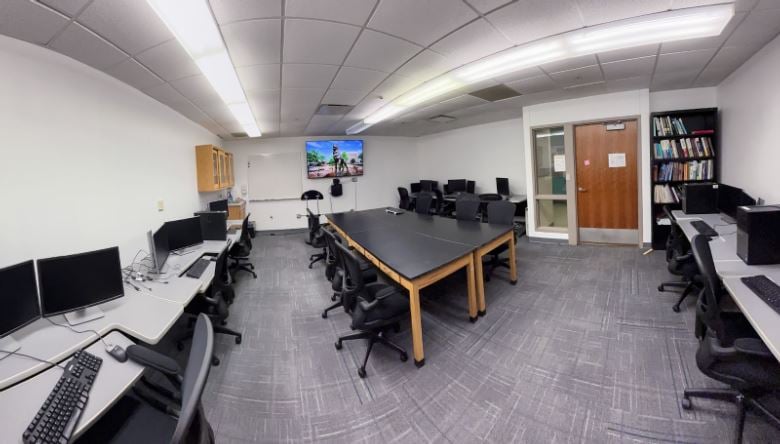
Dr. Askari directs the Earth Explorers Computer Lab (EECL) Dow 619. A multifunctional hub, EECL supports GMES students’ research, coursework, and senior projects with high-performance workstations, specialized software, and access to Michigan Tech’s computing cluster. It also features a TV screen and videoconferencing equipment and serves as a classroom and meeting space, all within a refreshed and collaborative environment.

Dow 619 Earth Explorers Computer Lab (EECL)

Since Dr. Askari joined in 2015, GMES has benefited from his expertise, which he has since taught courses such as Fundamentals of Geophysics, Computational Geosciences, Environmental and Engineering Geophysics, Reflection Seismology, Formation Evaluation and Petroleum Engineering, Advanced Engineering and Engineering Geophysics, and Advanced Reflection Seismology. Be sure to check out the educational videos Dr. Askari creates and shares on his YouTube channel!

Are you ready to explore groundbreaking research and hands-on learning? mtu.edu/apply

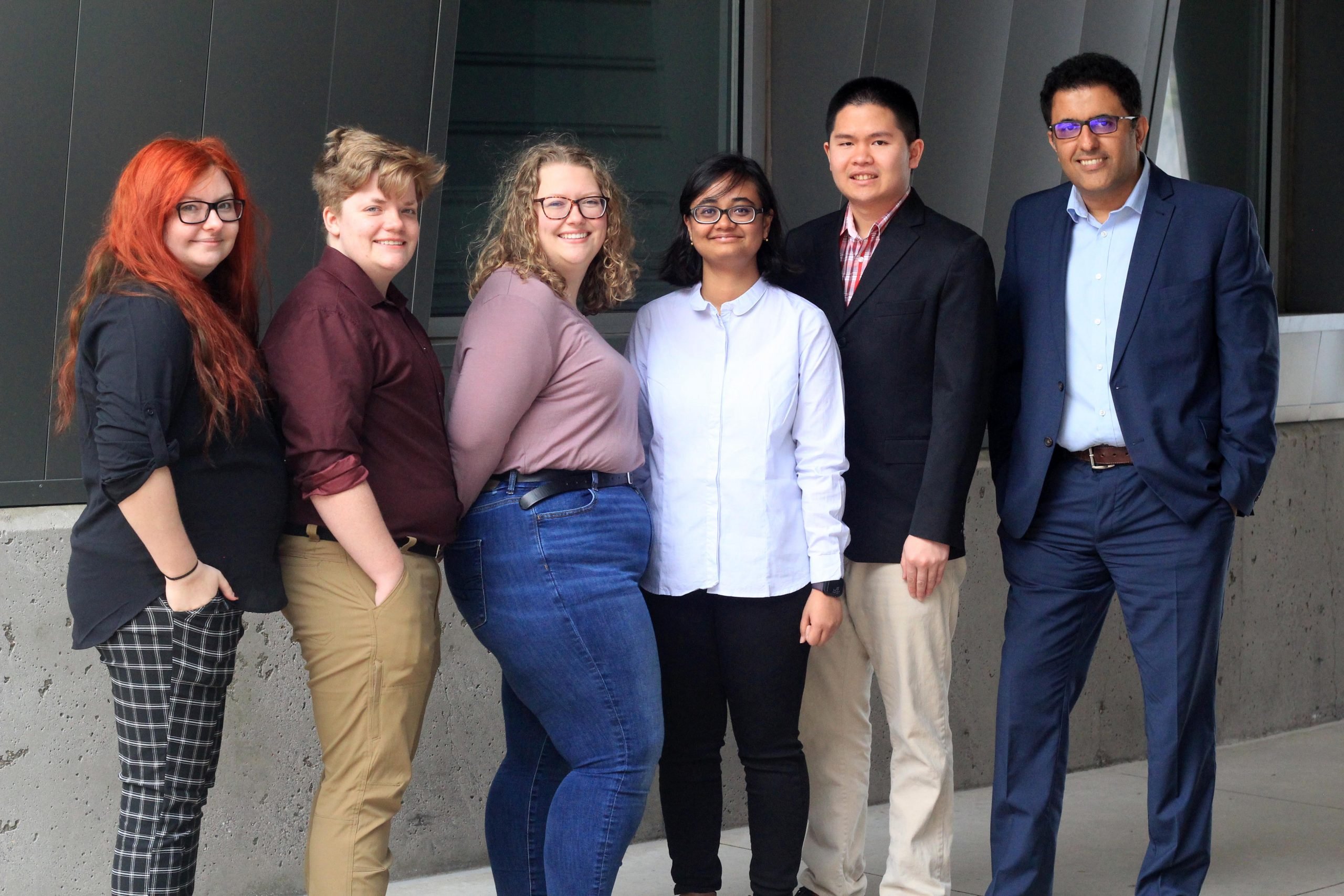
Breeanne Heusdens, Fletcher McGuire ‘22, Olivia Salvaggio ‘22, Sananda Ray, Nontawat Srisapan, Radwin Askari

Congratulations, Fall 2024 Graduates!

Completing a college degree requires tremendous effort, dedication, and sacrifice, and you’ve made it happen. Congratulations on your success!

The Department of Geological and Mining Engineering and Sciences is immensely proud of your well-deserved achievement. This is a momentous occasion and a testament to your dedication and perseverance. You should feel proud of your accomplishments and the bright future that awaits you.

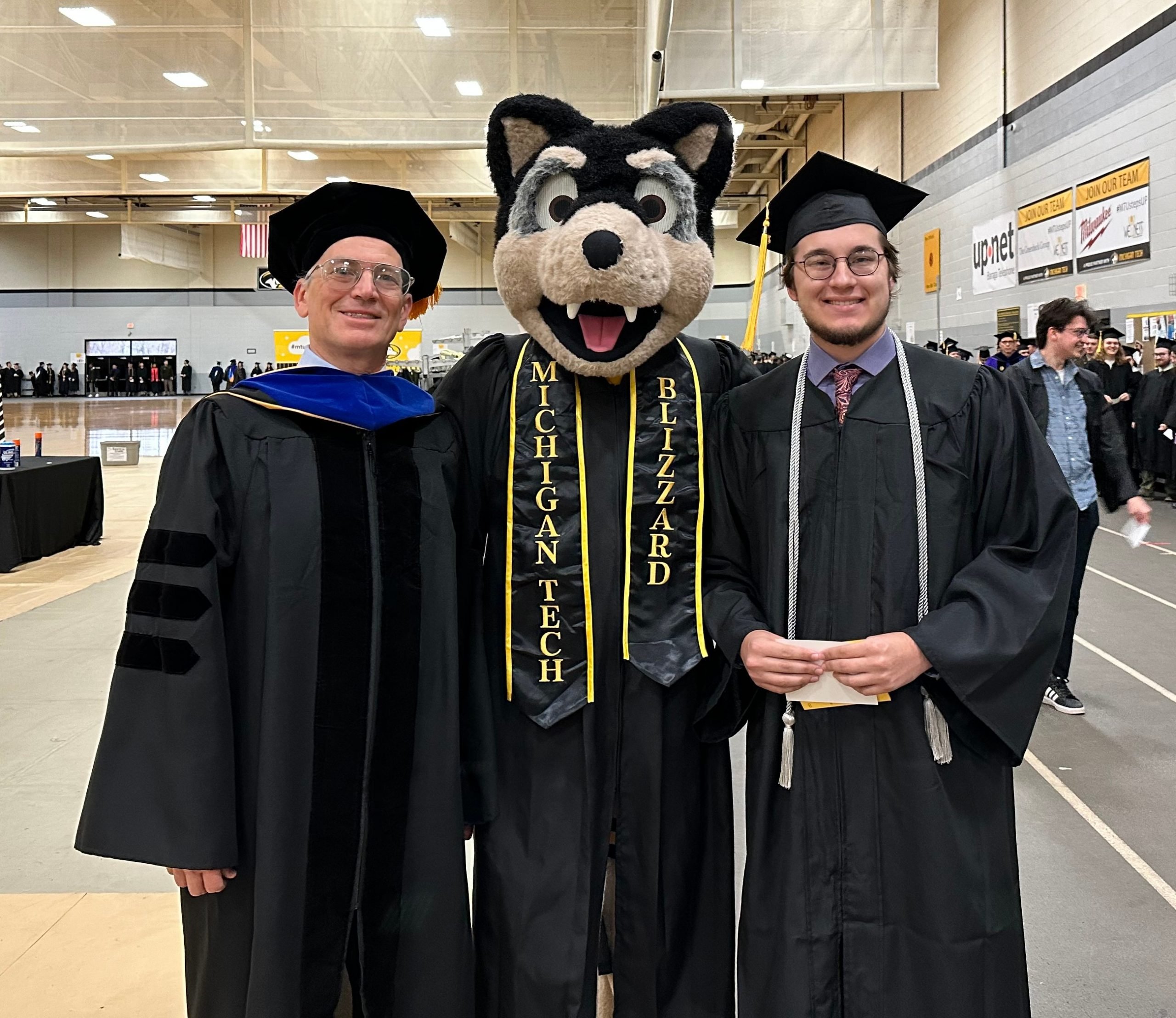
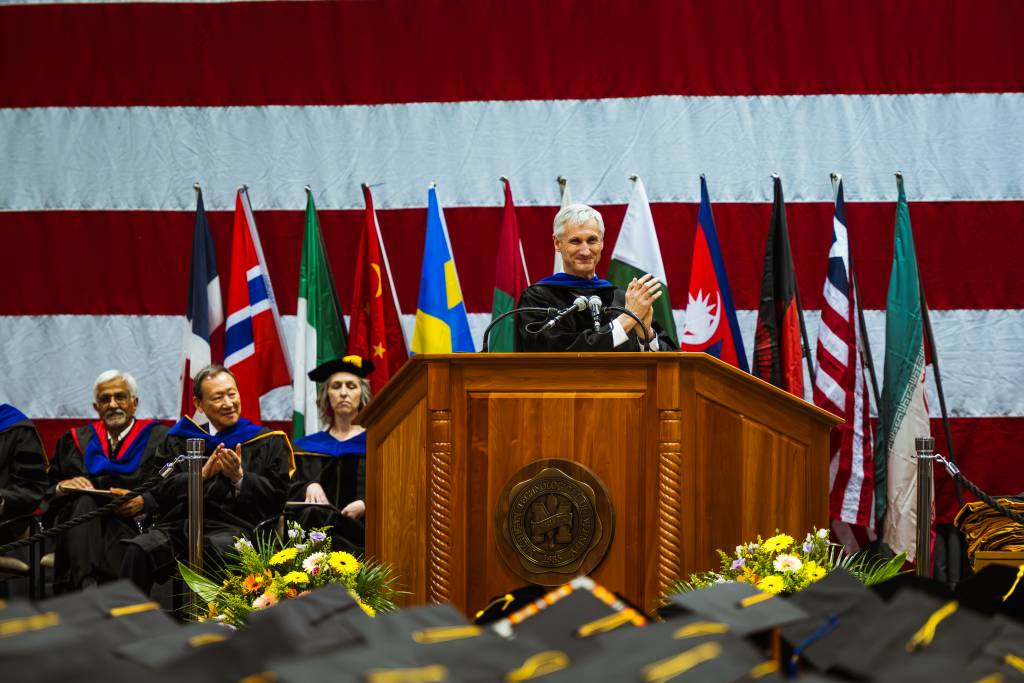
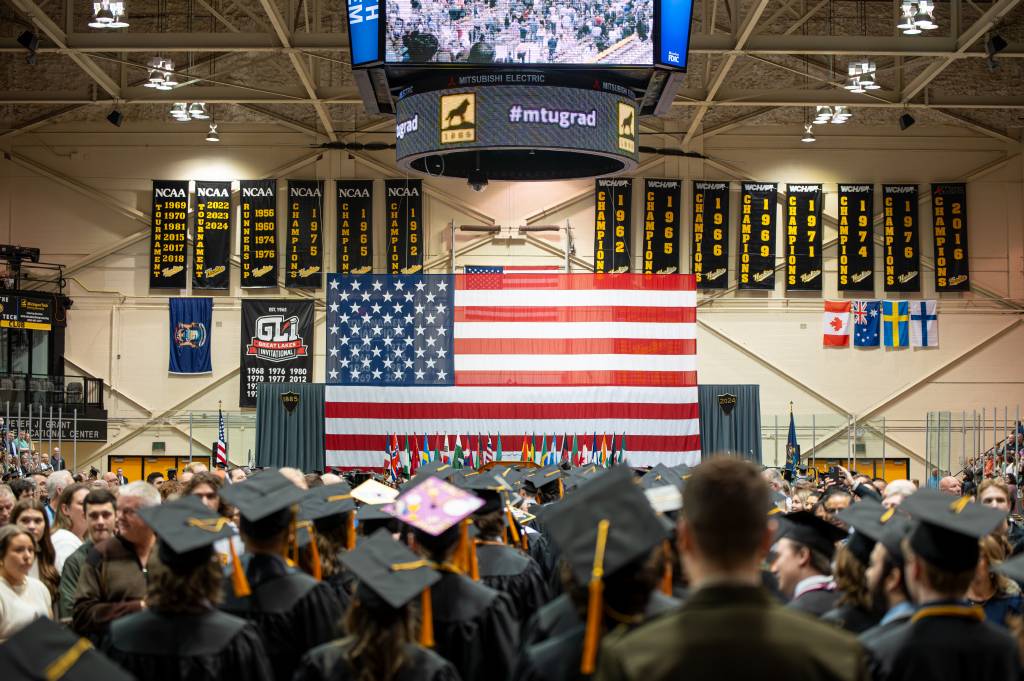
A moment from the MTU 2024 spring graduate commencement, captured by Kaden Staley.

Master of Science Degrees Awarded Fall 2024

  • Large, Conor  MS Geology, Advised by Luke Bowman
  • Sanchez Aguilar, Jhuleyssy  MS Geological Engineering, Advised by Snehamoy Chatterjee
  • Kunle, Bejide  MS Geology, Advised by Luke Bowman
  • Targbwe, Rapheka  MS Mining Engineering, Advised by Luke Bowman
  • Addai, Charles MS Mining Engineering, Advised by Snehamoy Chatterjee
  • Wiafe, Benitta MS Mining Engineering, Advised by Luke Bowman
  • Cocke, Ryan MS Geology, Advised by Luke Bowman
  • Donkoh, Isaac (M50484414) MS EMG, Advised by Luke Bowman
  • Yeboah, Maxwell Yeboah (M33730552) MS EMG, Advised by Luke Bowman

Bachelor of Science Degrees Awarded Fall 2024

  • Seth Farmer, B.S. Geology
  • Noah Hodson, B.S. Mining Engineering (Cum Laude)
  • Tanner McDonald, B.S. Geology
  • Anton Smirnov, B.S. Geology

Certificate Graduates

  • Locklear, Dakota Geoinformatics
  • Milanzi, Nyasha  Geoinformatics
  • Kavousi, Sara Natrl Hazds & Disaster Rsk Red
  • Yeboah, Maxwell Yeboah  Geoinformatics
  • Odoh, Izuu  Geoinformatics
  • Krier, Jacob  Natrl Hazds & Disaster Rsk Red
  • Krier, Jacob  Geoinformatics
  • Brodowski, Ella Natrl Hazds & Disaster Rsk Red (not in GMES)
  • Large, Conor Natrl Hazds & Disaster Rsk Red
  • Aghaei, Nelly Natrl Hazds & Disaster Rsk Red
  • Kunta, Rishitha Geoinformatics

Award & Scholarship Recipients

  • Outstanding GTA Award Sananda Ray
  • Outstanding Scholar Jhuleyssy Sanchez Aguilar
  • Avery Spalding Clarissa Gordon DeCleene 
  • Rapheka Targbwe WAAIME Scholarship
  • Oden Horne WAAIME Scholarship
  • Alice Schmaltz 2024 Copper Club Scholarship
  • Gustavo Bejar Lopez 3MT & Nat
  • Natalie Sorensen 2024 AIPG Undergraduate Scholarship
  • Konraad VanDyke AIPG Michigan Section Mozola Scholarship

Take a moment to reflect on all you have accomplished and the invaluable support you’ve received along the way. Your success is a testament to your hard work and the encouragement of those around you. Congratulations again to the graduates, and best wishes for a bright and prosperous future!

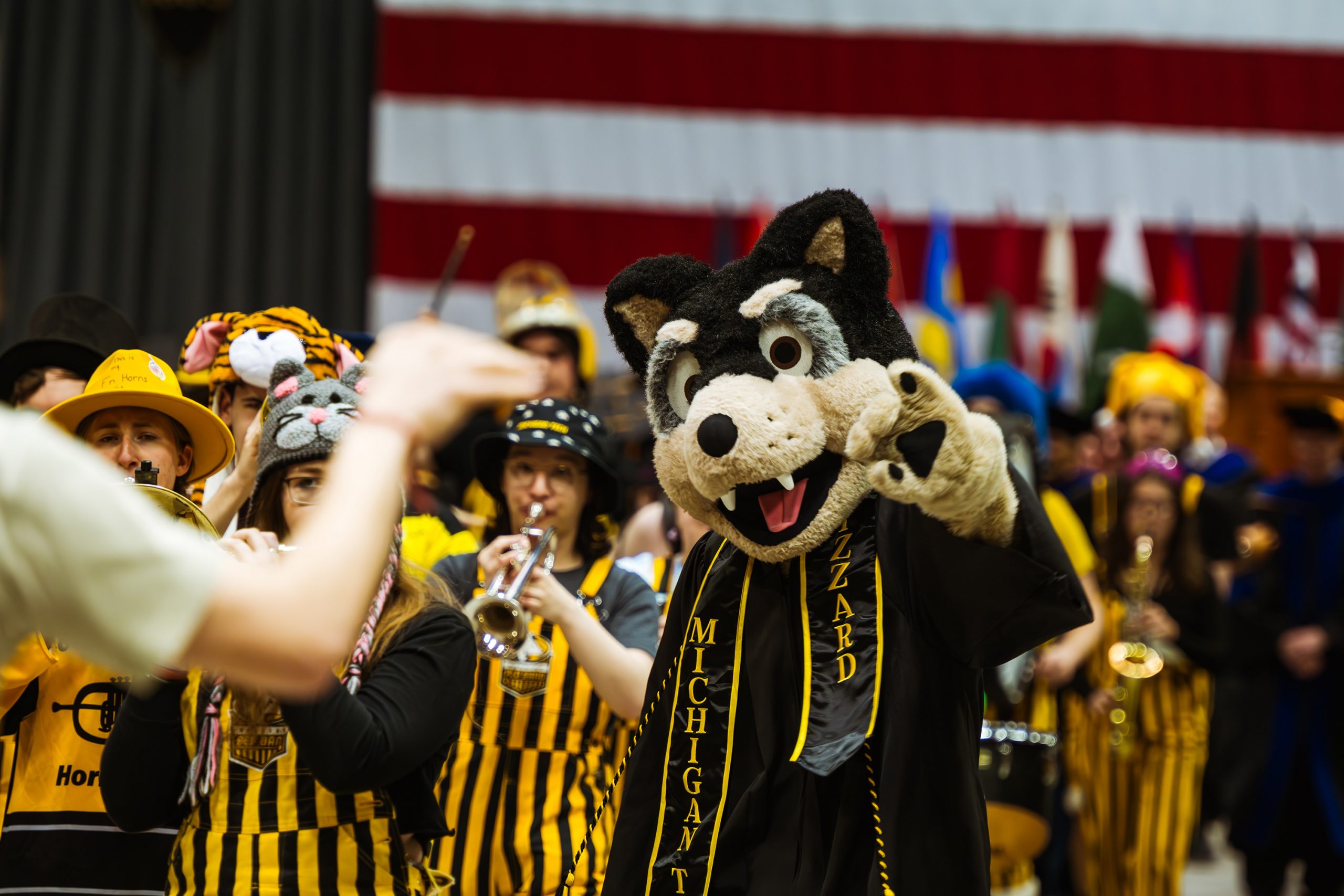
Kaden Staley documents the joy of MTU’s 2024 spring graduate commencement.
Spring 2024 undergraduate commencement ceremony.


GMES Alumni Spotlight Q&A: Simone Puel

Simone Puel, MS Geology, 2017, Michigan Tech University
Advised by: Greg Waite
Thesis title: Comparison of Ambient Noise Methods to Find Surface-Wave Dispersion Curves at Pacaya Volcano, Guatemala
MS.c. Geological Sciences and Geotechniques, 2017, Univ. Milano-Bicocca
Ph.D. Geophysics, 2023, UT Austin
Home City: Trento, Italy
Simone’s publications.

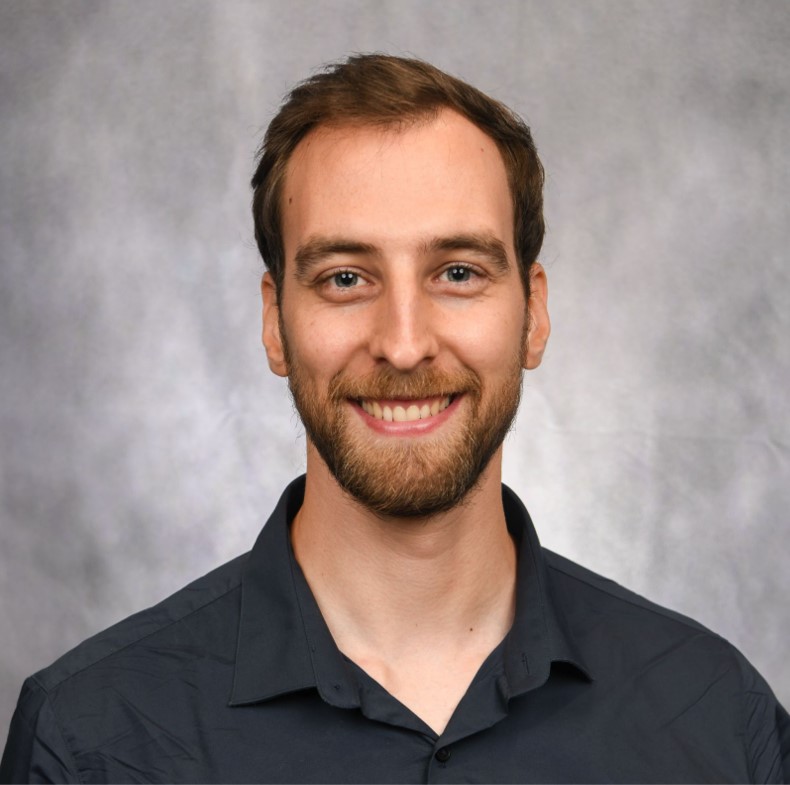
Professional portrait of Simone Puel, showcasing a confident and approachable expression, dressed in business attire.
Simone Puel’s professional portrait.

MTU alumni Simone Puel, an expert in volcanology and earthquake physics, credits his transformative experience at Michigan Tech’s GMES program for launching his career. Thanks to the prestigious INVOGE dual-degree program, he studied with top researchers worldwide, sparking a passion for academia that led him to UT Austin and Caltech. Now an Earthquake Risk Modeler at Moody’s, he applies cutting-edge science to global challenges in insurance and finance. His journey, enriched by lifelong friendships and unforgettable road trips, exemplifies the boundless opportunities MTU offers. Ready to explore his remarkable story?

Q: Why did you choose MTU?

A: It was a pretty easy choice. MTU’s GMES program is one of the best in volcanology and volcano seismology, so it was a perfect fit for what I wanted to study. The double-degree program MTU offered (originally called INVOGE) with the University of Milano-Bicocca, the University at Buffalo, and Blaise Pascal University in France was a huge opportunity—it allowed me to study with top researchers worldwide.

Q: How did your time at MTU prepare you for your industry/career?

A: Working with great professors and researchers at MTU motivated me to keep pushing myself academically. If I hadn’t had such a positive experience there, I don’t think I’d have pursued a Ph.D. or had many of the career opportunities I’ve had since. MTU gave me a strong foundation that’s been crucial at every stage of my career.

Q: What has your career path been like since you graduated?

A: After my year at MTU, I returned to Italy to finish my Master’s degree. My research experience at MTU hooked me to academia, so I started applying to Ph.D. programs in the U.S. and New Zealand. In between, I interned at a geology engineering firm in Italy, giving me hands-on experience. Eventually, I headed to UT Austin for my Ph.D., where I focused on earthquake physics and advanced numerical models. After that, I spent time at Caltech as the Director’s Seismolab Scholar, studying how geodetic data can reveal information about Earth’s internal structure. Recently, I joined Moody’s as an Earthquake Risk Modeler, working on solutions to assess and manage seismic risks for sectors like insurance and finance, impacting industries and governments worldwide.

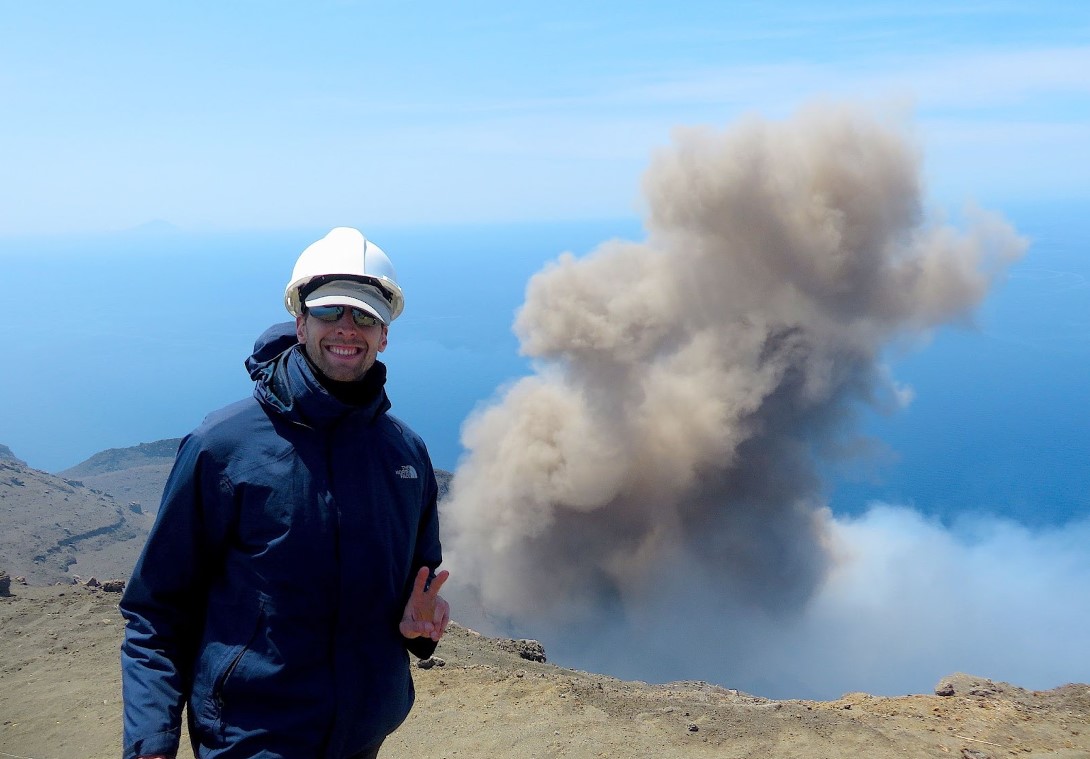
Simone standing at the BAciO 2016 workshop on Stromboli volcano, Italy, with a vibrant Strombolian volcanic eruption lighting up the sky in the background.
Simone at the BAciO 2016 workshop in Stromboli volcano, Italy with a stunning Strombolian volcanic eruption in the background.

Q: What’s it like to return to the campus now? Have you noticed any changes?

A: I haven’t had the chance to visit Houghton or MTU since I left in 2016, but I’d love to come back one day and see how things have changed.

Q: What is the most impactful memory of your time here?A: Without a doubt, it’s the friendships I made. I’m still close with many friends from those days; some even came to my wedding recently. One unforgettable memory is a surprise party that friends threw for Diletta and me, the other Italian INVOGE student. Then there were the road trips we took—one all tHoughton to Tampa, Florida, and another that took us through Colorado, Utah, and Arizona, with a stop at Yellowstone National Park. Those are unforgettable experiences.

Q: What is your favorite activity when you return to campus?

A: If I return, I’d love to catch a Huskies hockey game and visit everyone in the GMES department. So many good memories were made there—it felt like a family.

Q: What advice would you give someone starting at Tech as a Husky?

A: Try to learn as much as possible, take advantage of the fantastic people there, and use the resources offered by the department and university. And, of course, always be curious. Enjoy the community, too—although the weather might be harsh sometimes, the friends you make there can last forever.

Q: Looking back, what opportunities do you wish you had taken advantage of here?

A: As it was my first experience studying in the U.S., I wasn’t fully aware of all the resources and opportunities MTU offered. I wish I’d explored more professional and networking events, maybe some career workshops and industry partnerships. Those could have been incredibly valuable early in my career.

Simone and Federica Lanza, an MTU GMES alumn, working together to deploy and collect infrasound volcanic measurements during an active Strombolian volcanic eruption, with the glowing eruption in the background.
Simone and Federica Lanza, an MTU GMES alumna, deploying and collecting infrasound volcanic measurement during a Strombolian volcanic eruption.

Q: What networking opportunities did you take advantage of as a student?

A: As a student, I attended two great conferences: the BAciO workshop at the Stromboli volcano, where I connected with researchers from Italy, Hawaii, and Germany. The other was the AGU 2016 conference, which was a fantastic way to meet scientists from around the world and learn about different areas of Earth sciences.

Q: What is your current position’s unexpected benefit/skill set? What did you not realize at first was a part of what you do?

A: One unexpected benefit is how vital my broad scientific and engineering background has been in my current role. I hadn’t realized how essential it would be to combine knowledge from multiple areas to solve complex problems, especially in risk assessment at such a large scale.

Q: Any other comments?

A: Go Huskies!

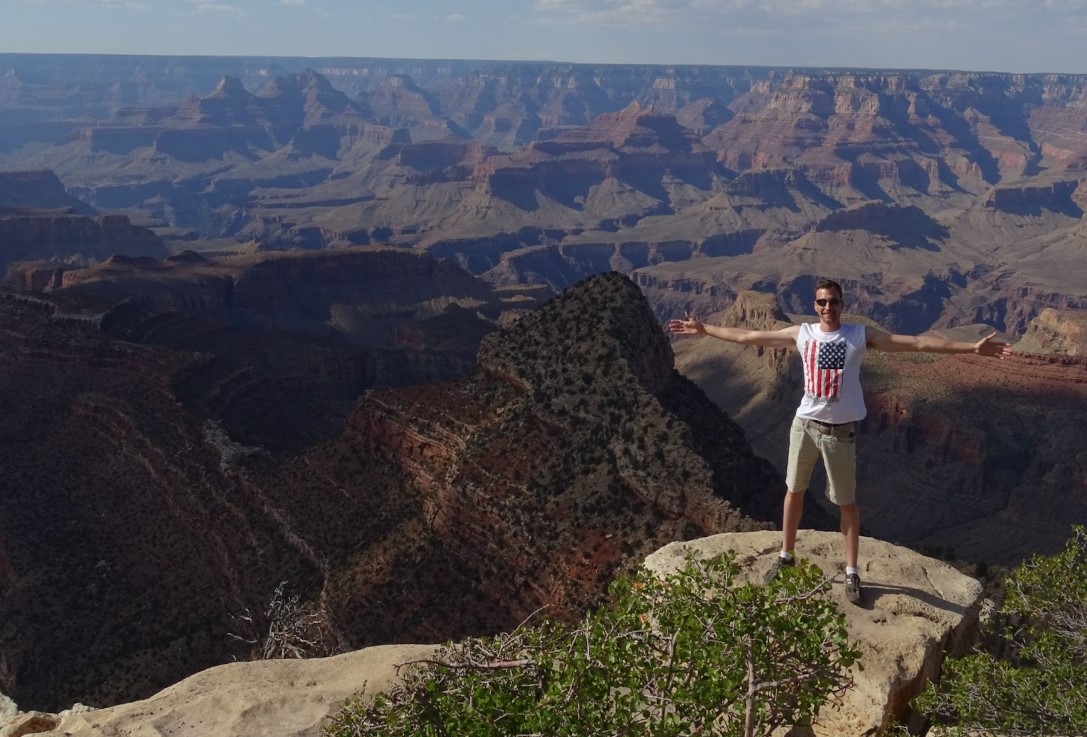
Simone on a road trip through Colorado, Utah, and Arizona, enjoying scenic landscapes and stopping at iconic destinations, including the breathtaking Grand Canyon.
Simone on a road trip through Colorado, Utah and Arizona, with highlights including a visit to the Grand Canyon.

GMES Alumni Spotlight with Walter Rathbun, BS Geological Engineering ’08

GMES Alumni Spotlight Q&A: 

Walter Rathbun, B.S. Geological Engineering 2008
Hometown: Grand Rapids, Michigan
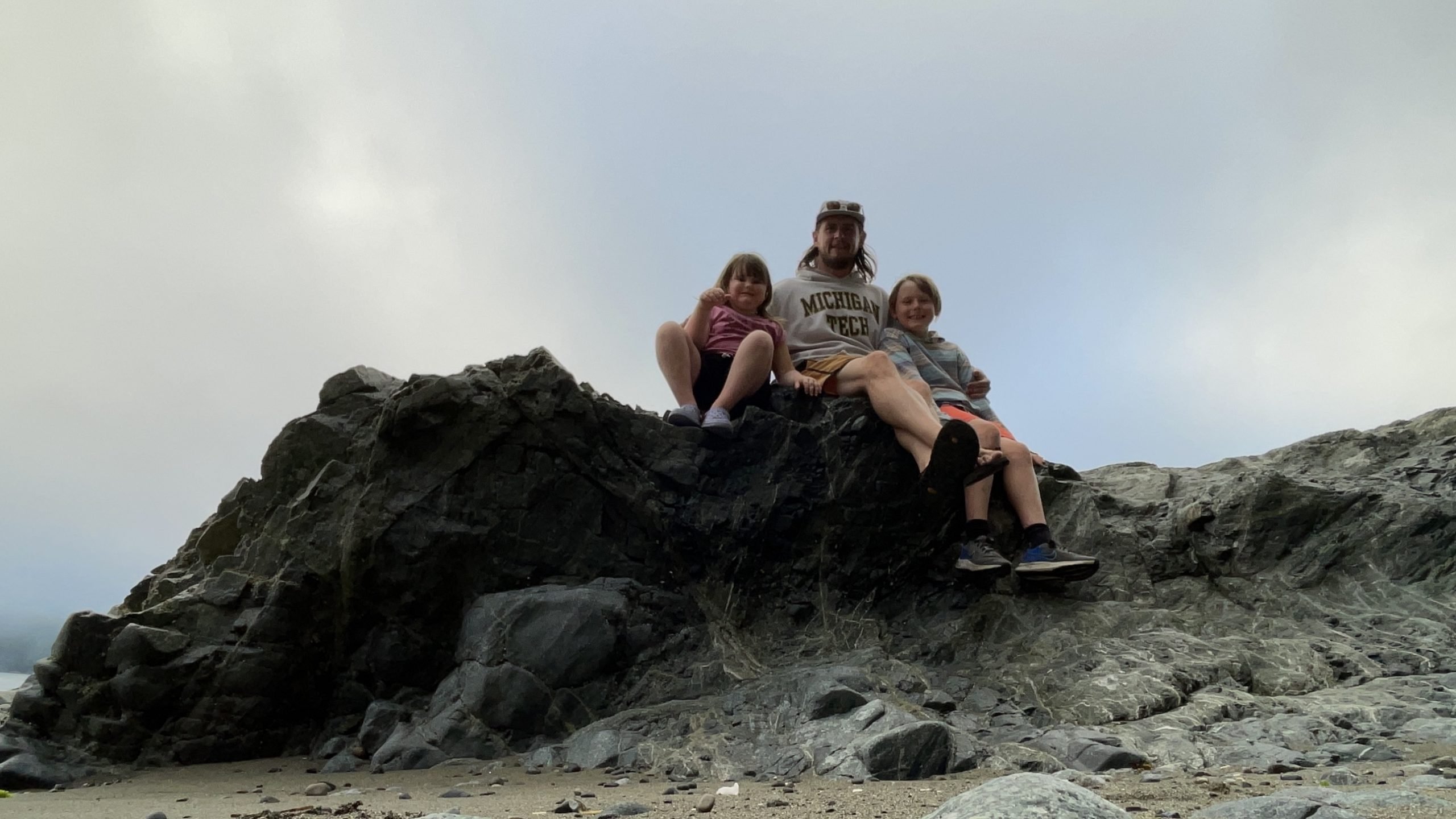
Dad to Paxton (10) and Twyla (6)

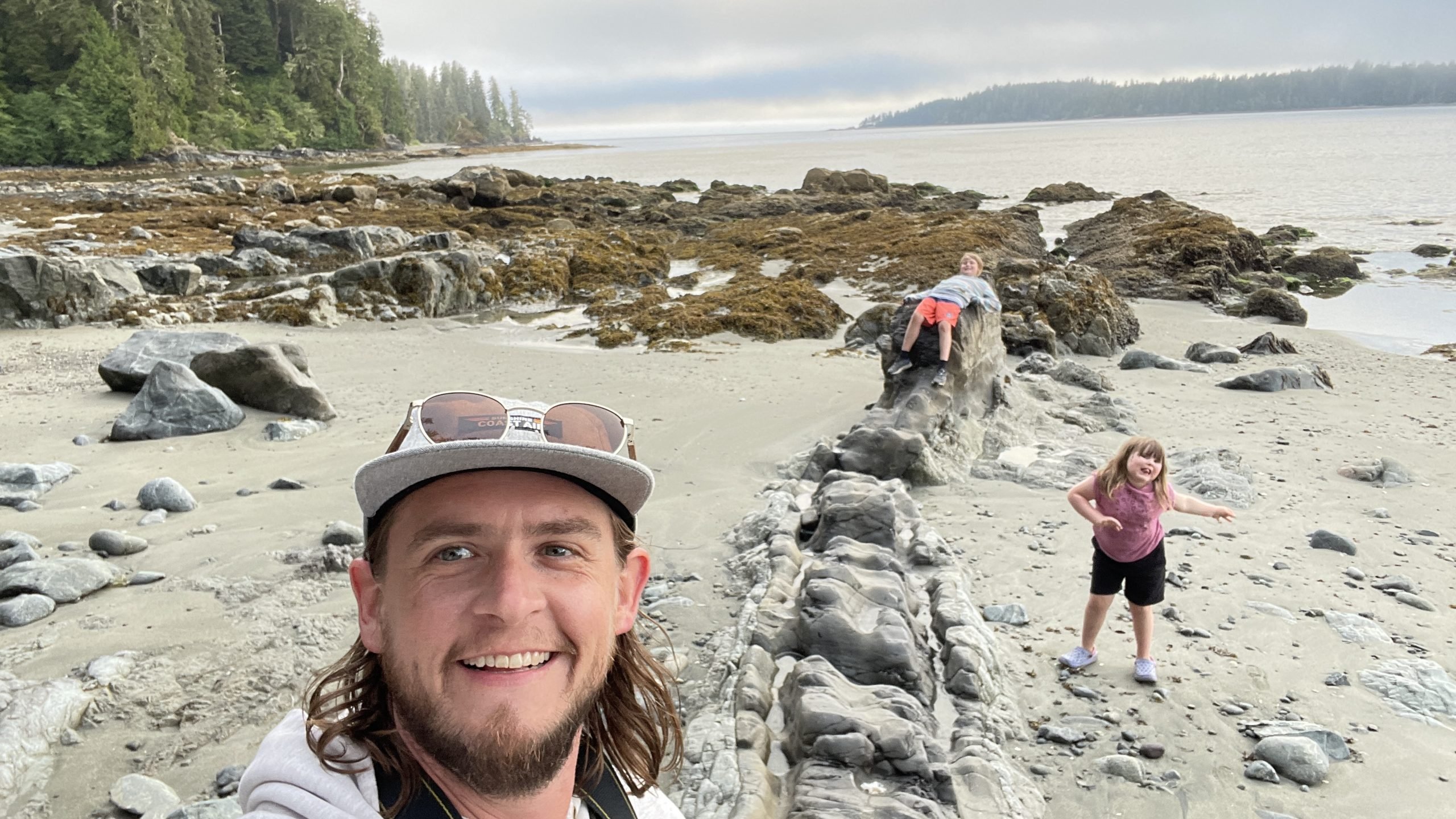
Walt and his kids are sitting on rocks in the sand.
Walt and his kids are camping on the west coast of Vancouver Island in 2022.

Walt Rathbun, P.Eng. (BC), graduated from Michigan Technological University in 2008 with a B.S. degree in geological engineering, following a family legacy of connection to Michigan Tech. His career has spanned internships at Cleveland Cliffs and Rio Tinto, roles in mining consulting focused on large-scale earth structures, and his current work in land development with Lewkowich Engineering Associates on Vancouver Island. MTU’s rigorous, hands-on education prepared him for industry challenges, particularly seismic engineering and geotechnical assessments. Walt fondly recalls the vibrant campus community and the invigorating walks through snowy Houghton, where he dreamed of his future. Of all his accomplishments, being a dad to Paxton and Twyla is likely the one he cherishes most.

Q: Why did you choose MTU?

A: My parents met at MTU, and Houghton was always a special place for my family growing up. When deciding on a university, MTU felt most like home, and my brother and sister felt the same.

Q: What has your career path been like since you graduated?

A: My career started with internships with Cleveland Cliffs Michigan Operations and Rio Tinto’s Bingham Canyon in Salt Lake City.  I followed that up with a job working for a boutique mining consulting firm working on the design and operational support for pit walls, waste dumps, and tailings storage facilities in Northern Alberta and Northeastern BC, where I had the privilege of working with some of the brightest engineers and geoscientists in western Canada.  I worked on the design of Canada’s 3rd largest earthen dam (at that time) for Shell Canada Energy, with the firm after my departure eventually being bought out by Stantec.  From mining, I transitioned to working in land development on Vancouver Island.  I work for Lewkowich Engineering Associates, based in Nanaimo, BC, on Vancouver Island.  I work on assessments to prepare land for new homes, roads, bridges, subdivisions, and small dams.  That usually involves some combination of slope stability assessments, liquefaction assessments, retaining wall design, and ocean flooding assessments.

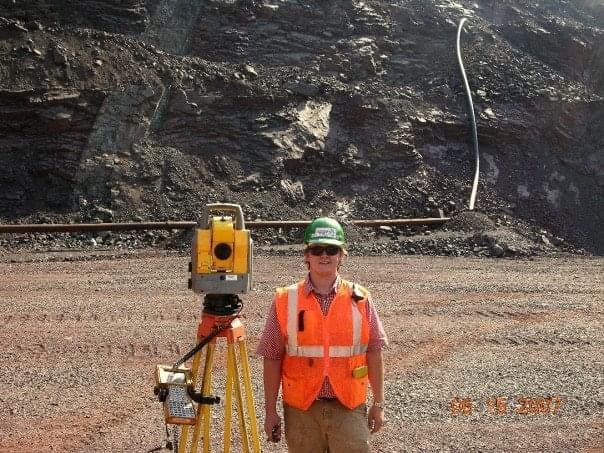
Walt stands at Tilden Mine wearing a hardhat and seismic equipment, with a rugged landscape in the background.
Walt at Tilden Mine, circa 2007.

Q: How did your time at MTU prepare you for your industry/career?

A: MTU is a genuinely unique engineering institution, finely tuned to all types of learning and personal growth, in relative isolation, next to moody Lake Superior in one of the most remote areas of the lower 48.  The learnings most applicable to the industry were my field geology and field geophysics courses.  All the academics and theory you can flex with mean nothing if you don’t know how to apply it. More importantly, you should be able to communicate your findings clearly and concisely when left to your own devices (or a Brunton compass). You have to be a little crazy, but the good kind of crazy, to want to go to MTU. MTU’s close ties to North America’s mining and cultural history partially led to my hiring at the mining consulting firm— the person who hired me told me he had admired fellow MTU alums at a past job.  I continue to be amazed in my career, once you graduate, you will find, even across the continent, MTU’s reputation precedes itself.  And if they haven’t heard of MTU, I can only assume it sounds like MIT to some.  

Q: What’s it like to return to the campus now? Have you noticed any changes?

A: My parents are now retired, live in Houghton, and are active in the community.  They keep me updated on changes for the most part, but I’m still surprised every time I’m back by how many changes there are.  The hockey team has seen a lot of success from where the team was during my time as a student, which is exciting to see.  I’m also a big fan of the rock garden outside Dillman. I miss the EERC tree only a little bit, but I also love the new Husky statue.

Q: What is the most impactful memory of your time here?

A: It’s hard to pick just one.  What I cherish the most are my memories of walking home from campus, biting cold air and fresh snow crunching under my feet, my mind exhausted and stressed about an exam/project but churning with new learnings after late nights in the computer lab.  MTU is a place where I felt most alive with the possibilities of just what my education meant and where it might lead me, which was where my mind was often on those cold walks.  What resulted when I left was beyond my wildest imaginings.  

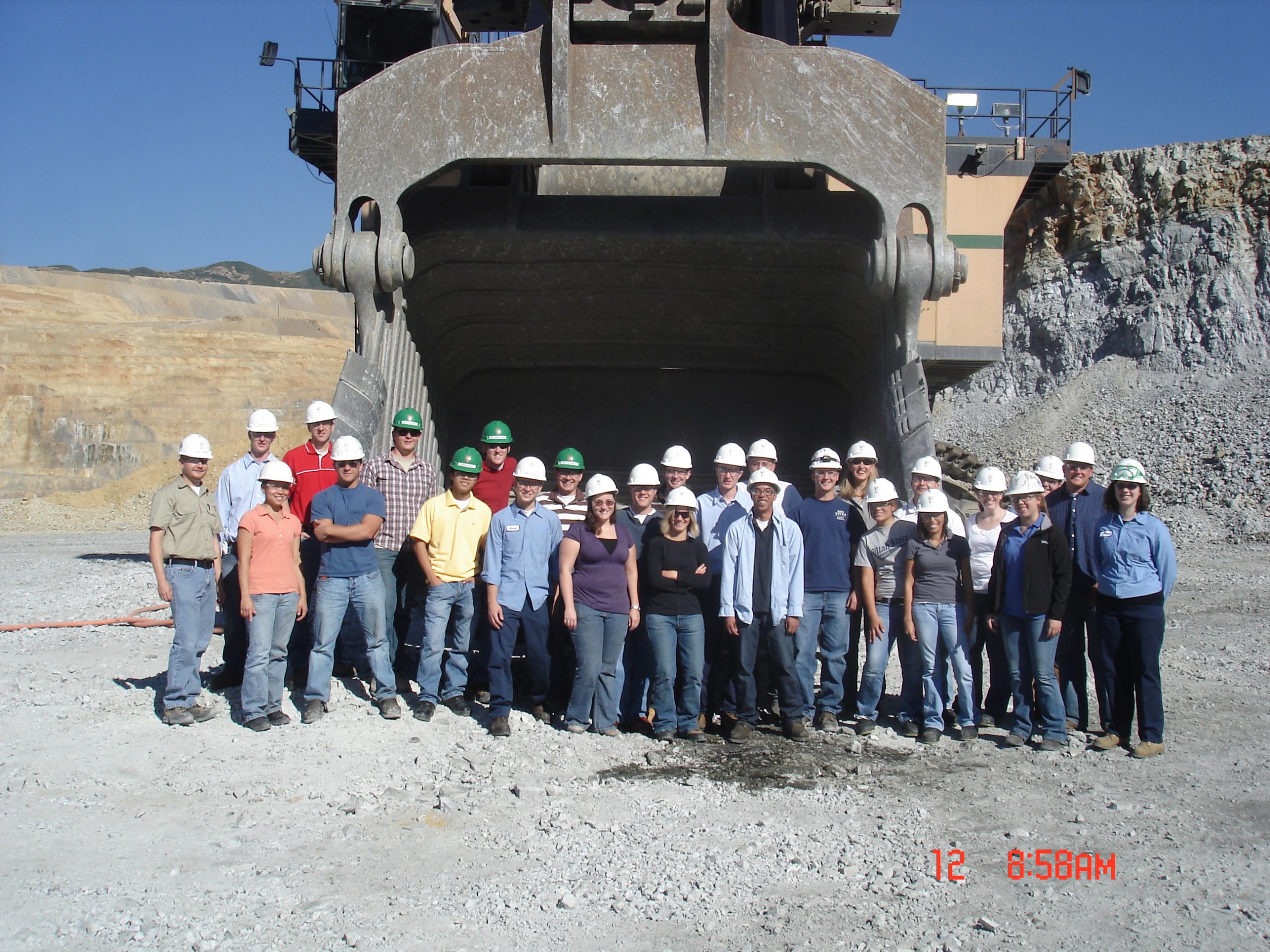
Walt stands in the back row of a group photo featuring the shovel dipper interns at Kennecott Utah Copper, surrounded by his colleagues and set against an industrial backdrop.
Walt is in the back row in the shovel dipper interns’ picture at Kennecott Utah Copper, where he interned in the summer of 2008.

Q: What is your favorite activity when you return to campus?

A: In the summer months, soaking up whatever beach time I can get.  The Great Lakes are second to none on this planet and should be cherished.

Q: What advice would you give someone just starting at Tech as a Husky?

A: Turn your life into an experiment.  You’ll be surprised what you can do when you challenge yourself and dare to dream big!

Q: What role did the community or extracurricular activities play in your overall experience?

A: I was active in the geology club, water polo club, and Nordic skiing at MTU. The strong sense of community is part of what makes MTU so unique, and as a student, the intensity of MTU’s rigorous academics is best balanced with as much fun and active play as you can reasonably cram into your free time.  

Q: Looking back, what opportunities do you wish you had taken advantage of here?

A: I Nordic-skied extensively on the tech trails during my last two years at MTU, but I wish I had taken more time to enjoy those facilities throughout my time there. We have reasonably wet, heavy snow in the Pacific Northwest. I miss both the perfect snow conditions and the world-class trails at Tech.

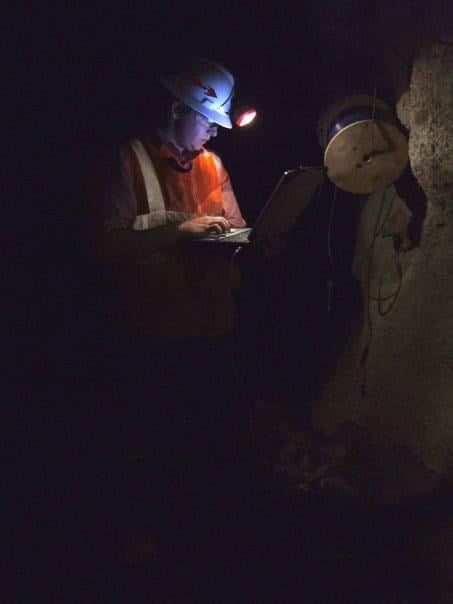
Walt is standing outdoors, focused as he downloads data from a small device attached to his headlamp, illuminated by soft light in the background.
Walt is downloading data from an underground drainage gallery with vertically drilled pressure sensors attached to data loggers at Kennecott Utah Copper.

Q: What networking opportunities did you take advantage of as a student?

A: I always attended the career fair, even just to practice with a mock interview. I also had the opportunity to fly to the SEG conference in New Orleans one year and the SME conference in Salt Lake City. At the SME conference, an employee of the eventual firm I worked for in Vancouver pointed out that the Denver office manager was an MTU Alum.

Q: What is your current position’s unexpected benefit/skill set? What did you not realize at first was a part of what you do?

A: My seismic design skillset.  My first introduction to seismic engineering was more straight to the source, I think, compared to most engineers, with Plate Tectonics and Global Geophysics with Dr. Diehl, rock mechanics with Dr. Gregg, and Dr. Waite’s Volcano Seismology courses serving as my introductions to stress/strain tensors. However, I first learned some of the methods we now use when working on the surface in mining in Northern Alberta and Northeast BC.  One doesn’t think of these areas traditionally as seismically active, but when dealing with earth structures of that size and the potential life-safety/environmental consequences of a failure, a tiny burp of an earthquake (or even no earthquake at all, as seen with recent tailings dam disasters) can have disastrous consequences.  It is paramount to understand the stress regime and how realistically that could change on a given site when subjected to strain, whether soil or rock.  

Q: Did you have on-campus employment while a student? If yes, what did you do?

A: I was all over the place.  I worked for a bit at the campus cafe in Wads.  I also worked in the paleomagnetism lab, baking cores and making magnetic hysteresis plots for Dr. Jimmy Diehl and, for a short time, taking much smaller rock fragments for testing with Dr. Aleksey Smirnov.   I was also active as a lifeguard, teaching swim lessons and volunteering to referee intramural water polo.

Q: Any other comments?A: Lets go, yous Huskies! (Imagine the Yooper accent!)

Walt and his kids are camping on the west coast of Vancouver Island in 2022, gathered around their campsite with a scenic coastal backdrop of trees and ocean.
Walt and his kids are camping on the west coast of Vancouver Island in 2022.

GMES Student Spotlight Q&A: Aimee Zimmerman, PhD Geophysics 2027

GMES Student Spotlight Q&A: Aimee Zimmerman, MS Geophysics 2024, PhD Geophysics 2027
Hometown:
Mill Hall, Pennsylvania

After finding a strong sense of belonging, Aimee Zimmerman relocated to Michigan Tech to pursue her Master of Science in Geophysics in 2022. Two years later, her passion for her research led her to continue her academic journey, and she is now working toward a Ph.D. with graduate student advising from Dr. Greg Waite. Aimee wants to know how an earthquake stresses a volcanic eruption. She monitors volcanic activity worldwide using thermal satellite imaging to determine if earthquakes and seismic activity can tell us something about volcanoes. She offers her perspectives on MTU below. 

Popocatépetl is one of the volcanoes Aimee is studying.

Q: Why did you choose to attend MTU?

A: I visited in the spring of 2022, and it immediately felt like home. The community was so welcoming and generous. I attended MTU for my Masters degree and was allowed to continue my education. I decided to stay for my PhD and continue the research I started in my Masters

Q: Do you have a favorite class or professor so far?

A: I have thoroughly enjoyed taking classes on natural hazards and their social dynamics. Learning about the discrepancies in dealing with hazards and how we can mitigate disasters has been extremely helpful. 

Q: Are you in any clubs or groups on campus?

A: I am a part of InterVarsity, a Christian student organization. I lead a small group discussion with other graduate students

Q: What advice would you give to a future Husky?

A: Don’t solely exist to do homework and take exams. College is so much more than just classes, so get involved and branch out. Say yes to things, and you never know who you’ll meet or what you’ll get to experience

Q: What local activities do you enjoy outside of MTU?

A: I love to go rock hunting when the weather is nice. I have a rock tumbler, so finding rocks that polish nicely is always fun. I also love to volunteer for things involving my church. I am involved in the children’s ministry, so I get to spend time every week with pre-schoolers as they learn more about God 

Q: What is your favorite on-campus place to eat? Off-campus?

A: The cafe in the library has amazing coffee, and the yogurt parfaits are also great. Off-campus, my favorite is The Ambassador. The pizza is my favorite up here, and they have such a fantastic atmosphere

Q: How do you survive winter?

A: I love to read, so cozying up on my couch with a good book and a cup of tea is the only way I get through the cold nights. I also love going to hockey games, which makes weekends super fun.

Q: Have your post-graduation plans changed since coming to MTU? If so, how and why?

A: Yes. I never considered going into teaching at the college level, but I was given the opportunity to be a teaching assistant for an introduction to geology lab. I loved seeing the students grasp the material after explaining things to them. 


GMES Alumni Spotlight: Marine Foucher

After a former supervisor shared an announcement for a PhD position focused on studying the Earth’s magnetic field, Marine Foucher became intrigued. In the fall of 2013, Marine made it official and became a Husky, learning what she was so interested in studying Earth magnetism and geophysics. Dr. Aleksey Smirnov’s advising proved successful when, in 2018 she defended her doctoral thesis to committee members Dr. Greg Waite, Dr. Thomas Oommen, and Dr. Elisa Piispa. It’s always great to hear from alumni/ae who continue to make a difference in their fields! Keep reading to learn Dr. Marine Foucher’s perspectives.

View Dr. Foucher’s publications.

Marine enjoying the breathtaking French Alps with the Mont Blanc towering in the background. Photo taken on a 2019 hike along part of the iconic Ultra Trail du Mont Blanc (UTMB) path.

Q: Why did you choose MTU?
A: A former supervisor shared an announcement for a PhD position focused on studying the Earth’s magnetic field, which I was very interested in.


Q: What has your career path been like since you graduated?
A: I worked outside of academia for a couple of years (COVID!) until I found a postdoctoral position. I am now a visiting professor of Environmental Sciences and Geographic Information Systems in the Natural Resources Management department at New Mexico Highlands University.


Q: How did your time at MTU prepare you for industry/career?
A: I conducted research in the lab and on the field, managed labs as well as students and their research projects, taught classes, participated in many outreach activities, attended classes, conferences, and workshops, and interacted with people of various fields and different backgrounds.


Marine field work in Westfjord, Iceland. Photos courtesy of Dr. Elisa Piispa.

Q: What’s it like to return to the campus now? Have you noticed any changes?
A: It is weird and it reminds me that I miss it there. There is another elevator now! I hope it works better than the other ones.


Q: Most impactful memory of your time here?
A: I still hold all the connections I have made.


Q: What is your favorite activity when you return to campus?
A: Catching up with Brittany and the other members of the GMES department, meeting the new students, looking at the atrium view, walking around campus and by the waterfront.


Q: What advice would you give someone just starting at Tech as a Husky?
A: Try all the winter outdoor activities you can (including the polar bear plunge), find the one(s) that will make you happy, and do them. Do not hesitate to contact the staff, professors, and other students for help.


Q: What role did the community or extracurricular activities play in your overall experience?
A: A massive role, especially as a foreigner. Having a family/community and things to do is extremely important when you are far from home, no matter how fun your job is.

Marine field work at La Cienega volcano, New Mexico. The Sangre de Cristo Mountains in the background. Photo courtesy of Dr. Jennifer Lindline.

Q: Looking back, what opportunities do you wish you had taken advantage of during your time here?
A: I wish I had started cross-country skiing my first winter, not my second. And I wish I knew how much fun ice fishing was before my last year. Professionally, I wish I would have explored collaborations with professors from other fields.

Marine’s field work in the Westfjord, Iceland. Photos courtesy of Dr. Elisa Piispa.

Q: What networking opportunities did you take advantage of as a student?
A: Blueberry farm fall semester GMES get-together, Spanish y cerveza, workshops, and summer schools organized by other universities/labs where you meet people from all over the world in the same field.

Q: What is your current position’s unexpected benefit/skill set? What did you not realize at first was a part of what you do?
A: I am now a UAV pilot and the lead person in charge of my university’s ESRI organizational account and GIS needs. I also work with additive manufacturing. I was also surprised to learn I have to do other people’s work for them or teach them their jobs (even though I have never held a position like theirs).

Marine at the Candelaria Nature Preserve, in Albuquerque NM

GMES Alumni Spotlight: David Adler

David Adler graduated in 1982 with a BS in Geology. Dave has had a varied career as a consulting engineer and geologist for large mitigation and environmental compliance projects such as the Gordie Howe International Bridge. In 2016, Dave inspired the creation of an AIPG student chapter at the GMES Department. Under Dave’s guidance, the chapter has grown to be very successful on the national stage. In 2022, Dave was inducted into the GMES Academy. Every year, Dave visits campus to host resume roasts, where he helps students prepare for the career fair.

Dave Adler Presenting AIPG Awards September 2024

A Legacy of Giving: How the Wickstrom Family Supports Michigan Tech Students Across Generations

Michigan Tech’s legacy resonates deeply across generations for some families, and the Walter Wickstrom ’37 family is a perfect example.

Although none of Walter’s three children—Betty Wickstrom Kendrick, Jean Wickstrom Liles, and Phil Wickstrom—are Michigan Tech alums or live nearby, each has established scholarships in memory of their father. They credit Michigan Tech with laying the foundation for their family’s success. In 2021, Betty created the Walter William Wickstrom Memorial Annual Scholarship to support the Department of Geological and Mining Engineering and Sciences students.

“My father attended Michigan Tech during the Depression. I established this scholarship in his name because I want to brighten the day for current students,” says Betty Wickstrom Kendrick. She treasures the thank-you letters she receives and is continually impressed by the students’ stories, learning how the scholarships have made a tangible difference. To date, she has impacted the lives of twenty-eight undergraduate students directly.

One of the recipients shared how even a small scholarship can make a meaningful impact: “Receiving the Wickstrom Scholarship helped ease the financial pressure and allowed me to cover some of my essential expenses, like textbooks and lab fees. It’s made a noticeable difference and reminded me that there are people who believe in my potential and want to help me succeed.”

The Wickstrom family’s generosity continues to make a lasting impact, providing opportunities for future generations of GMES students to thrive and succeed, just as Walter Wickstrom did many years ago.

The latest eight to receive Betty’s gift in Fall 2024.

Pictured L to R: Avery Spalding, a junior in geology from Midland, Michigan.
Zeke Martin is a junior in geology from Alanson, Michigan.
Carlee Erhardt is a junior in mining engineering from Mt Pleasant, Michigan.
Luke Mariuzza is a senior in geological engineering from Ishpeming, Michigan.
Stephanie Wiegand is a senior in geological engineering with a minor in mining from Caspian, Michigan.
Jacob Ojala is a geological engineering junior from Hancock, Michigan, with a minor in aerospace.
Lucas Maxon is a mining engineering junior with a minor in mineral processing from Iron Mountain, Michigan.
Not pictured: Anton Smirnov, a senior in geology from Houghton, Michigan

SME Features Michigan Tech in Magazine Series on US Mining Schools

Quincy Mine

The Society for Mining, Metallurgy & Exploration (SME) featured Michigan Tech in Part 3 of its series on U.S. mining engineering schools, published in the September 2024 issue of Mining Engineering Magazine, the society’s official publication. The profile spotlighted the mining-related degree programs Michigan Tech’s Department of Geological and Mining Engineering and Sciences (GMES) offered.

The article included Q&A sessions with Aleksey Smirnov, GMES professor and department chair; senior mining engineering student Alice Schmaltz; and recent graduates Emily Voght (B.S. Mining Engineering, 2022) and Jacob Maxon (B.S. Mining Engineering, 2023).

In his interview, Smirnov highlighted Michigan Tech as the only U.S. college to offer mining and geoscience-related programs within a single department. He emphasized the University’s proximity to active mining projects, hands-on learning opportunities in mine safety, critical minerals, and data analytics, and the strong industry connections that provide students with internships and job prospects.