Category: Mathematics

Graduating Statistics Student Looks Back On Three Years of Adventure, Community, and Research

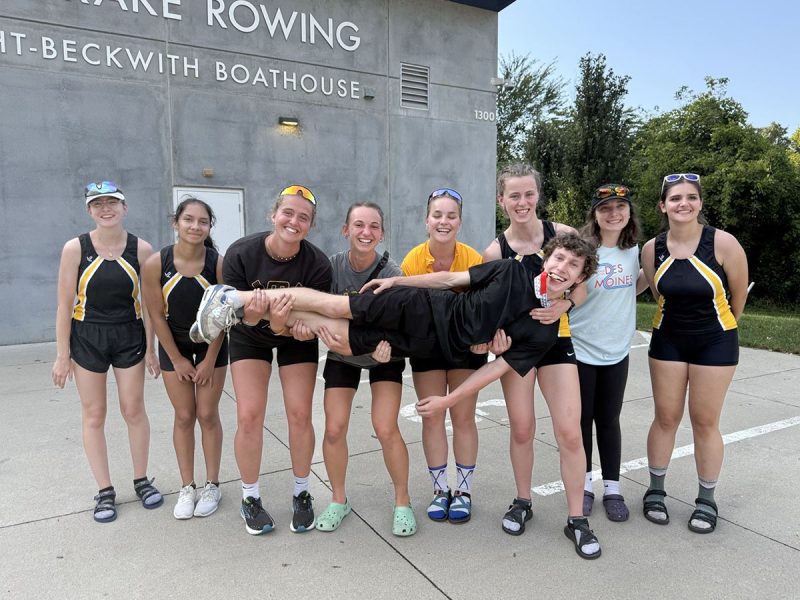
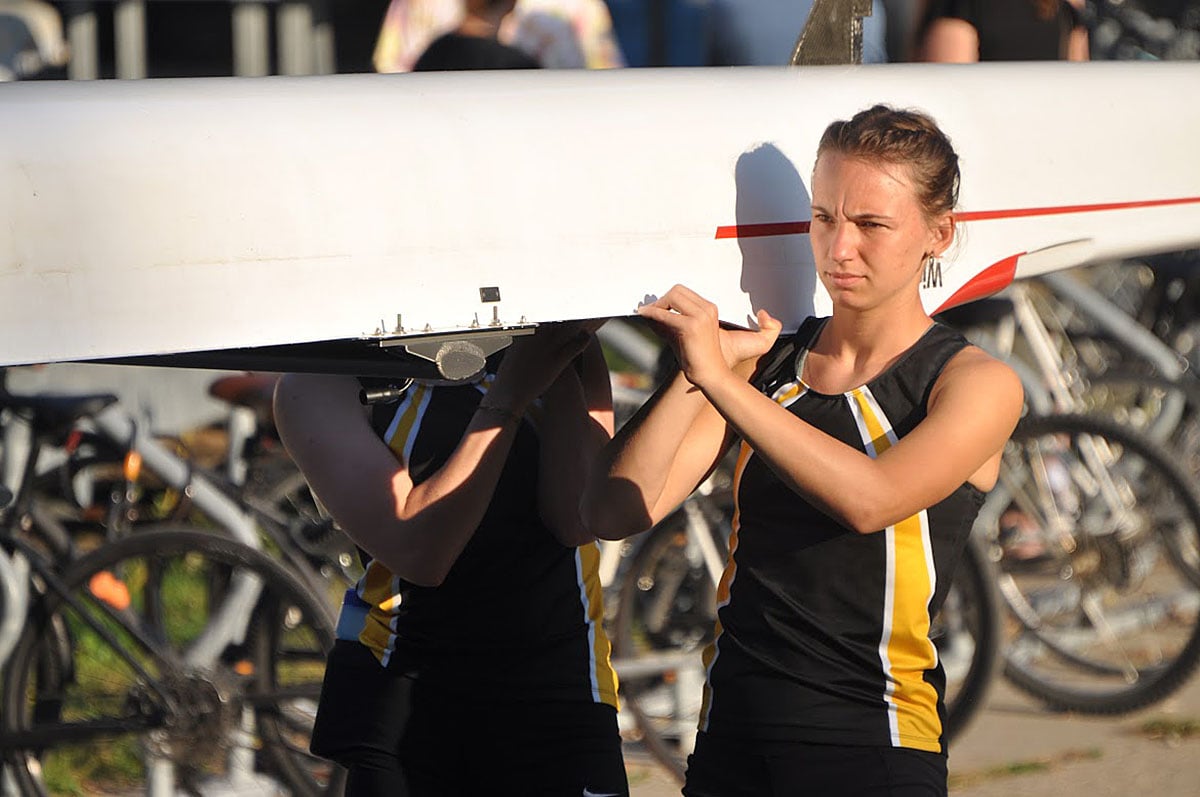
Aili Toyli, wearing her black and gold rowing team uniform, helps carry the boat with her teammates. She has an expression of pure determination.
On the water or in the lab, graduating statistics student Aili Toyli meets every challenge with curiosity and determination. (Image courtesy The Rowing Club at Michigan Tech)

Venturing out into something unfamiliar—whether it’s trying a demanding new hobby, starting an entirely new chapter in your life, or taking on complex biostatistical research—can be daunting. It requires courage, good old-fashioned Husky tenacity, and the support of a community. When Aili Toyli decided to leave her hometown of Parkers Prairie, Minnesota, for the wild wonder of the Keweenaw, she already had two of those three elements on her side—and she was confident she’d find the third at Michigan Tech.

“I came for a visit in the summer and again for the Leading Scholar program. I was really impressed with the university and its collaborative culture,” said Toyli. “Tech promotes the mindset that everyone can succeed, while still pushing students to meet high standards.”

Toyli’s interest in Tech started with a legacy. Her father is an engineer who passed his love of mathematics on to his daughter.

“He definitely loves crunching the numbers and gaining information and insight through math,” said Toyli. “I really liked math in high school. In trying to figure out how that could be applied to a career, I realized I really want to use math to solve real-world problems, and I felt like statistics was a good fit for that.”

Out of Her Comfort Zone, Into the Keweenaw

With her compass firmly pointed north, Toyli made the seven-hour journey to her home away from home. She immediately saw opportunities for adventure on the ski slopes of Mont Ripley, the waters of Lake Superior, and the hiking trails that decorate Keweenaw forests like veins on a leaf. Attending college far from everyone and everything she knew took courage, but on campus, she found a community of people who had faced and overcome the same challenge.

“I know people who go to colleges where everyone’s an hour and a half to two hours from home, and I feel like they don’t necessarily make the same level of connections with their classmates when they’re going home a lot of weekends,” said Toyli. “At Tech, I was having weekend adventures with people I met pretty early on, because everyone’s looking for something to do and to get to know people.”

Even among like-minded Huskies, making friends took effort.

“It was really good for me to come so far away and be pushed out of my comfort zone. But those first few months were definitely a little bit lonely,” said Toyli.

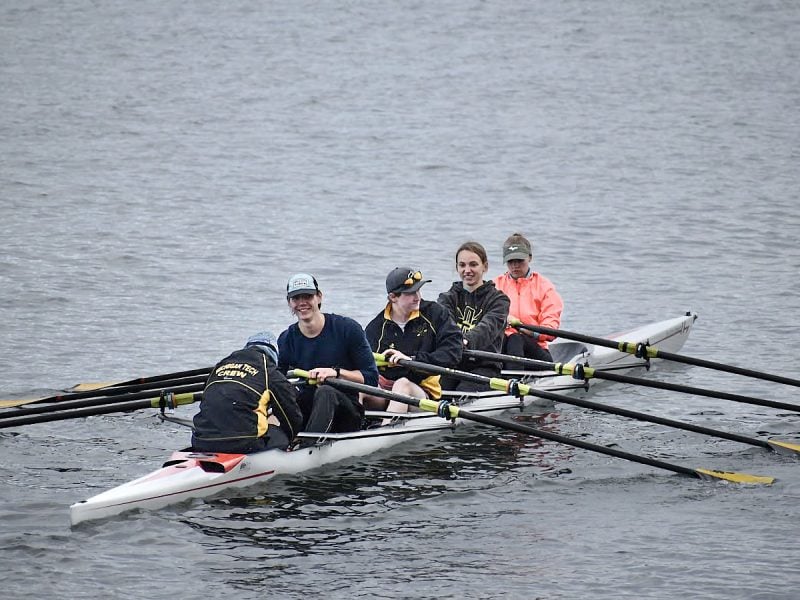
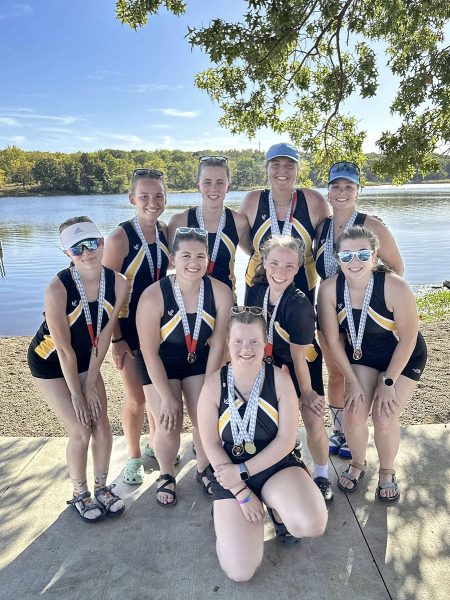
Her cure for homesickness, loneliness, and the freshman blues was to try new things. She joined the Rowing Club at Michigan Tech in her first year, pursuing a sport she had never tried before. Before long, she had a routine that built community by bonding with the same group of people five days a week during practice either in the Student Development Complex or on the Keweenaw Waterway. That routine of camaraderie carried her through the sometimes-choppy waters of college for three years, building the capacity to overcome any challenge.

“This year, we had a day where we rowed from our docks, which are just east of campus, all the way to Breakers Beach, and then we switched out the crews. It’s more than 10 miles one way, but some of us, myself included, rowed there and back. That was a fun challenge, an interesting way to see things outside,” said Toyli.

Between her routine of studies and rowing, she spent her weekends hiking and skiing, taking advantage of everything campus and the Keweenaw has to offer.

“I got involved in a lot. This is a time of life when you have a lot of opportunities to try new things that you might never get the chance to do again,” said Toyli.

Math is a Place for Friendship

Getting to know her peers and trying new things went beyond outdoor activities. One of her first classes in the mathematical sciences department, an exploring numbers course, had her solving open-ended problems side-by-side with other incoming math students. Toyli said the class went a long way toward building connections in her department. Those bonds deepened over the years when she joined an unbreakable chain of mentorship as both a tutor and pupil in the Math Learning Center. Even on slow days, when not many students come in seeking formal tutoring sessions, she and her coworkers still gather there to offer each other guidance and talk about their studies.

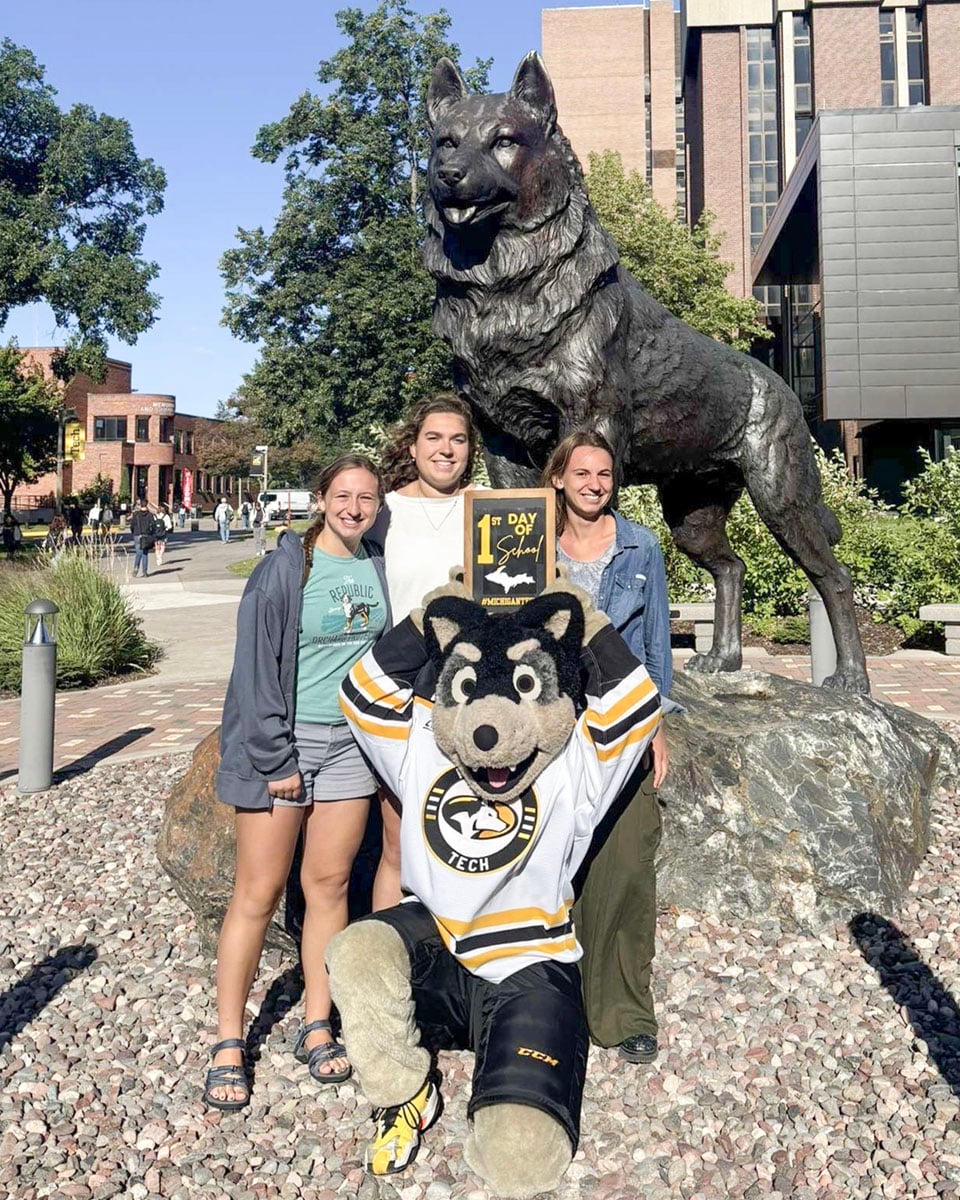
Aili Toyli poses in front of the rock dog statue on Michigan Tech’s campus with Blizzard and two other incoming students. Blizzard kneels in front of the students, holding a sign that says “1st Day of School #MichiganTech” with a gold image of the Upper Peninsula, facing the camera.
From her first day of college to her last, Aili Toyli, right, has grown her community, her research skills, and her expertise. (Image courtesy Aili Toyli)

“The math department as a whole is very social, and that’s a part of its personality. People are very genuinely curious about problems, love to learn, and love to talk about what they’re learning. I’ve really enjoyed that aspect of things,” said Toyli.

Faculty members also encouraged Toyli’s curiosity. In tight-knit classes with Ray Molzon, associate teaching professor of mathematical sciences, she and her peers were encouraged to take initiative in their learning experiences. Toyli proactively took her educational adventures a step further by attending the Iowa Summer Institute of Biostatistics, where she applied her skills as a statistician to the medical field, studying breast cancer risk factors across Iowa. She had found her research niche.

“That definitely strengthened my interest in biostatistics. I got to work with medical data and do statistics, but also it really helped me understand what that field is like, and what work in that field is like,” said Toyli.

A Network of Interdisciplinary Research

Toyli’s drive to do research that solves real-world problems led her to two of the most important connections she would make at Michigan Tech — Weihua Zhou, associate professor of health informatics and applied computing, and Qiuying Sha, distinguished professor of mathematical sciences. She met Zhou at a mathematics department undergraduate research forum her first year at Tech, where they connected over her interest in medical applications of statistics.

“We have multiple successful undergraduate researchers in the department, and Aili definitely is one of our most successful students,” said Zhou.

Toyli’s first project under his mentorship involved examining brain scans of patients with two types of Lewy body dementia — one with Lewy bodies, and one with Parkinson’s disease dementia, which are very similar forms of the disease. It built upon existing research into whether they are two different diseases or the same disease presenting symptoms differently. The project had a deep personal meaning.

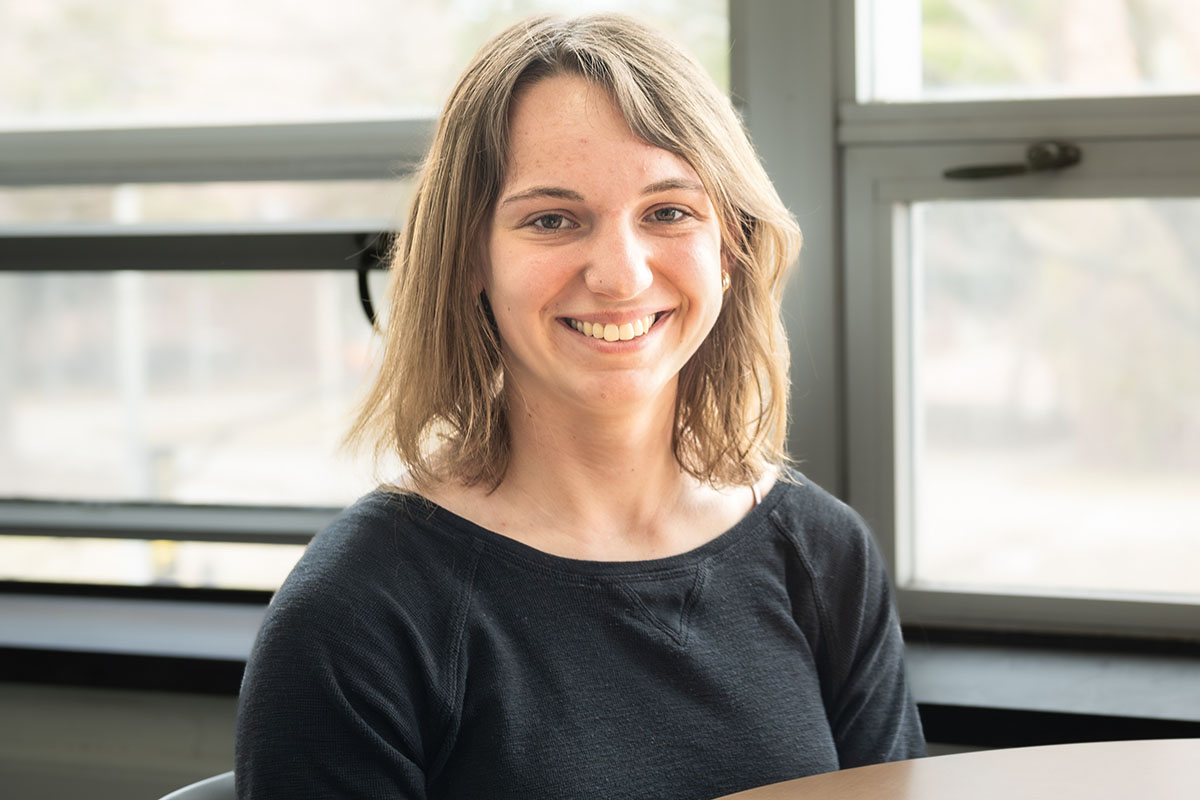
Aili Toyli sits at a table in front of a window on Michigan Tech’s campus. She is smiling and wearing a black shirt.
Aili Toyli is one of more than 20 undergraduate students Weihua Zhou has mentored in his lab.

“Alzheimer’s disease is something that there are pretty high rates of in my family. So I was very familiar with the disease and the burden it can place on people and their families going into this,” said Toyli. “When Dr. Zhou presented about his research tied to that, that was definitely a big part of the reason I reached out to him, because it was an issue I cared a lot about already.”

Zhou’s experience mentoring over 20 undergraduate students in his lab has taught him that personal connection is an asset for many young researchers.

“For undergraduate students, their motivation is very important,” said Zhou. “It comes from two places: one is from the students themselves, and the other is from the faculty. In our lab, we are working on very practical projects. That means they can feel, even see, the impact of their work and are motivated by that.”

While Zhou led the applied computing side of the project, Sha provided guidance on Toyli’s statistical approach. Since Toyli hadn’t yet taken many advanced statistics courses, she delved into many concepts independently, bringing questions to Sha as needed.

“I’m very impressed by Aili,” said Sha. “When she encounters challenges, she takes the initiative to explore the solutions on her own before coming back with thoughtful questions. She’s very confident in moving from learning concepts to applying them independently in research.”

Toyli published “Comparison of Cerebral ECD Perfusion in Patients with Dementia with Lewy Bodies and Parkinson’s Disease Dementia” in Nuclear Medicine Communications based on this research in 2024. Then, her final summer before graduation, she took on another project under Zhou and Sha’s advisement. Toyli took up and revised a manuscript left by an alumn reviewing interactions between the heart and brain. It was accepted and published in Frontiers in Cardiovascular Medicine as “The Heart–Brain Axis: Unraveling the Interconnections Between Cardiovascular and Alzheimer’s Diseases” in 2025.

“This research helped me learn a lot of clinical insight into the biology that we’re looking at,” said Toyli. “Having gone through the process of preparing these papers for publication, it gets easier every time. There are different tricks for handling my data, for the draft and revision process, that I’ve learned to make it go more smoothly each time.”

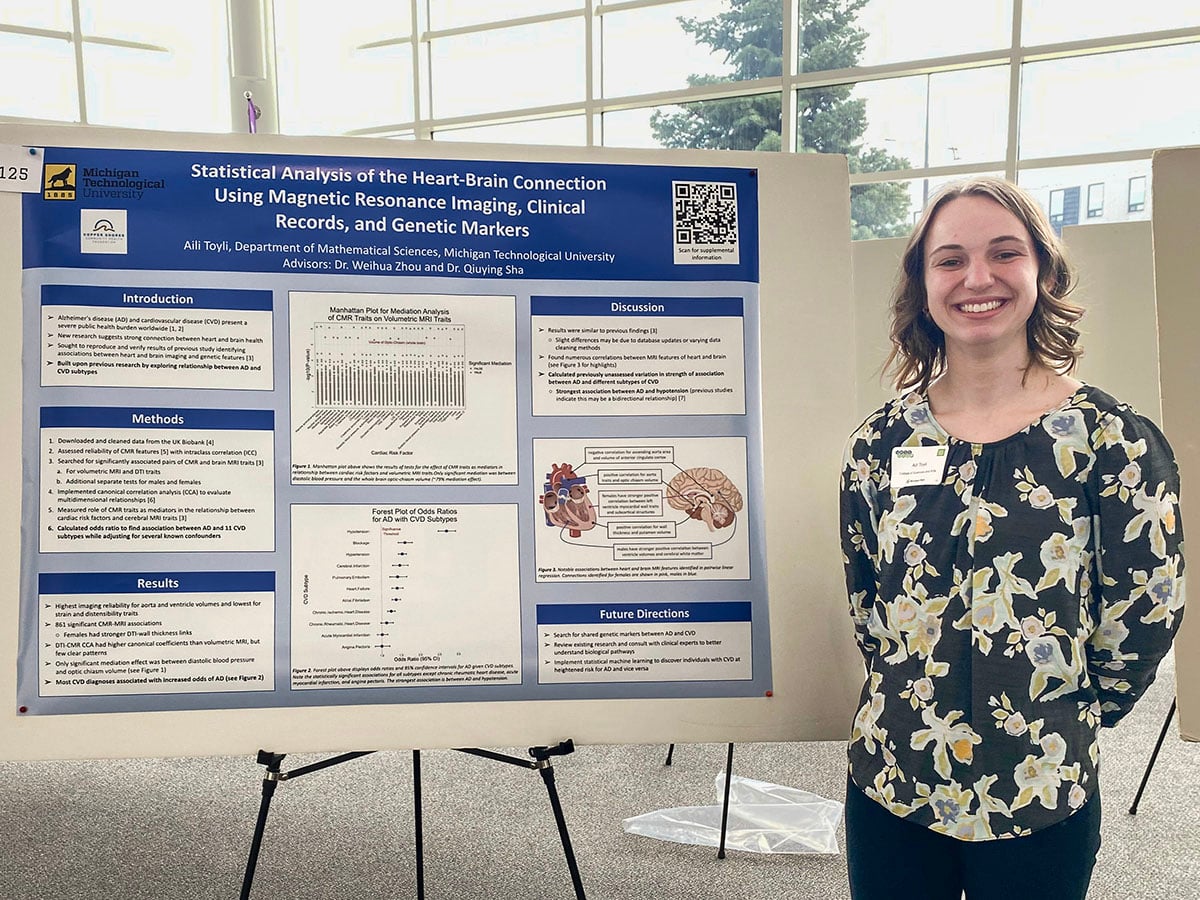
Aili Toyli poses next to a research presentation poster board titled “Statistical Analysis of the Heart-Brain Connection Using Magnetic Resonance Imaging, Clinical Records, and Genetic Markers,” her 2024-25 URIP project.
Aili Toyli’s dogged pursuit of research opportunities on campus earned her funding for two Undergraduate Research Internship Program projects, including the one in this presentation. (Photo courtesy Aili Toyli)

Her pursuit of research opportunities also earned Toyli funding from the Copper Shores Community Health Foundation. Her research was included in a $429,153 National Institutes of Health R15 grant through Tech’s Undergraduate Research Internship Program (URIP) for two consecutive years. She received URIP funding for her research entitled “Statistical Analysis of the Heart-Brain Connection Using Magnetic Resonance Imaging, Clinical Records, and Genetic Markers in 2024-25,” and for “Hierarchical Clustering to Identify Factors Associated with Risk of Cardiovascular Disease and Alzheimer’s Disease” in 2025-26.

“I really think the collaboration between faculty at Michigan Tech provides a more comprehensive learning experience,” said Sha. “Aili works in statistics, and now also works in applied computing, so this interdisciplinary research experience definitely plays a great role in her future after she graduates.”

After graduation, Toyli plans to return to the University of Iowa for a master’s degree in biostatistics. As her quest for knowledge continues, she confidently shares her advice to future Huskies tenaciously seeking adventures in research and interdisciplinary collaboration.

“Mistakes and feeling lost and confused are part of the process initially. Take it one step at a time and continually learn as you work. You have a team supporting you, and small mistakes will happen over the course of the research; it’s just about addressing them, learning from them, and moving on,” said Toyli.


About the College of Sciences and Arts

The College of Sciences and Arts is a global center of academic excellence in the sciences, humanities, and arts for a technological world. Our teacher-scholar model is a foundation for experiential learning, innovative research and scholarship, and civic leadership. The College offers 33 bachelor’s degrees in biological sciences, chemistry, humanities, kinesiology and Integrative physiology, mathematical sciences, physics, psychology and human factors, social sciences, and visual and performing arts. We are home to Michigan Tech’s pre-health professions and ROTC programs. The College offers 25 graduate degrees and certificates. We conduct approximately $12 million in externally funded research in health and wellness, sustainability and resiliency, and the human-technology frontier.

Follow the College on Facebook, Instagram, LinkedInX and the CSA blog. Questions? Contact us at csa@mtu.edu.
Celebrating CSA Grads and Their Three Cs: Curiosity, Commitment, and Commencement

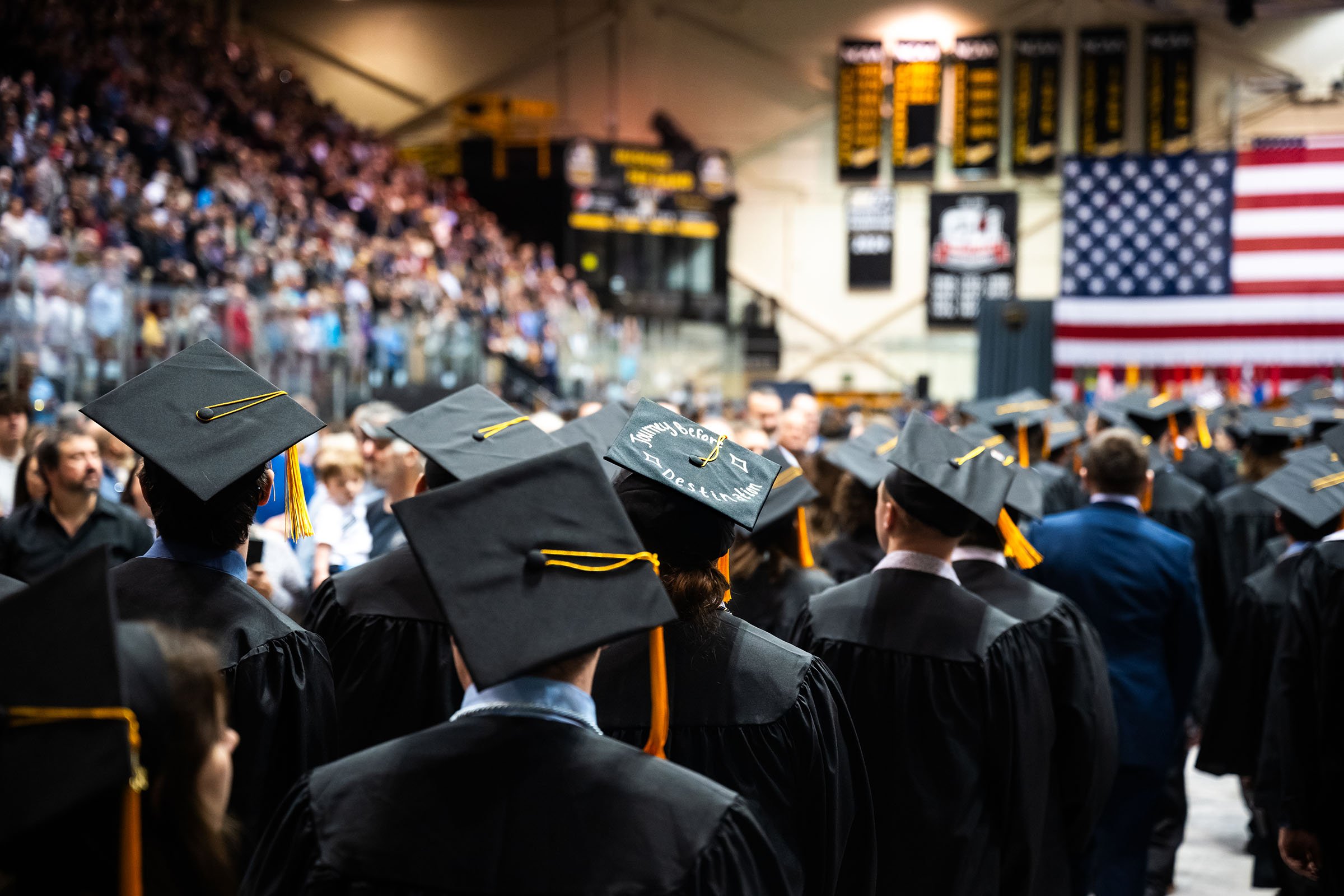
A large group of students in graduation caps and gowns walk away from the camera, toward the graduation podium at the other end of a large multipurpose hall. One graduation cap includes the decorative phrase, “Journey Before Destination.”
Since their first day on campus, our 2025 College of Sciences and Arts grads have marched forward with curiosity and determination. Now, they prepare to take their final steps on campus in Tech’s Midyear Commencement ceremony.

The College of Sciences and Arts applauds our nearly 50 soon-to-be graduates as they march toward Michigan Tech’s Midyear Commencement ceremony on Saturday, Dec. 13. Along with their caps and gowns, they bring with them the support of Husky faculty, staff, and leadership, including CSA Dean LaReesa Wolfenbarger.

“I feel hopeful for the future, knowing that this class is entering the workforce. They want to make a difference and have positive impacts through their work and accomplishments,” said Wolfenbarger.

Rodica Curtu Named New Mathematical Sciences Chair

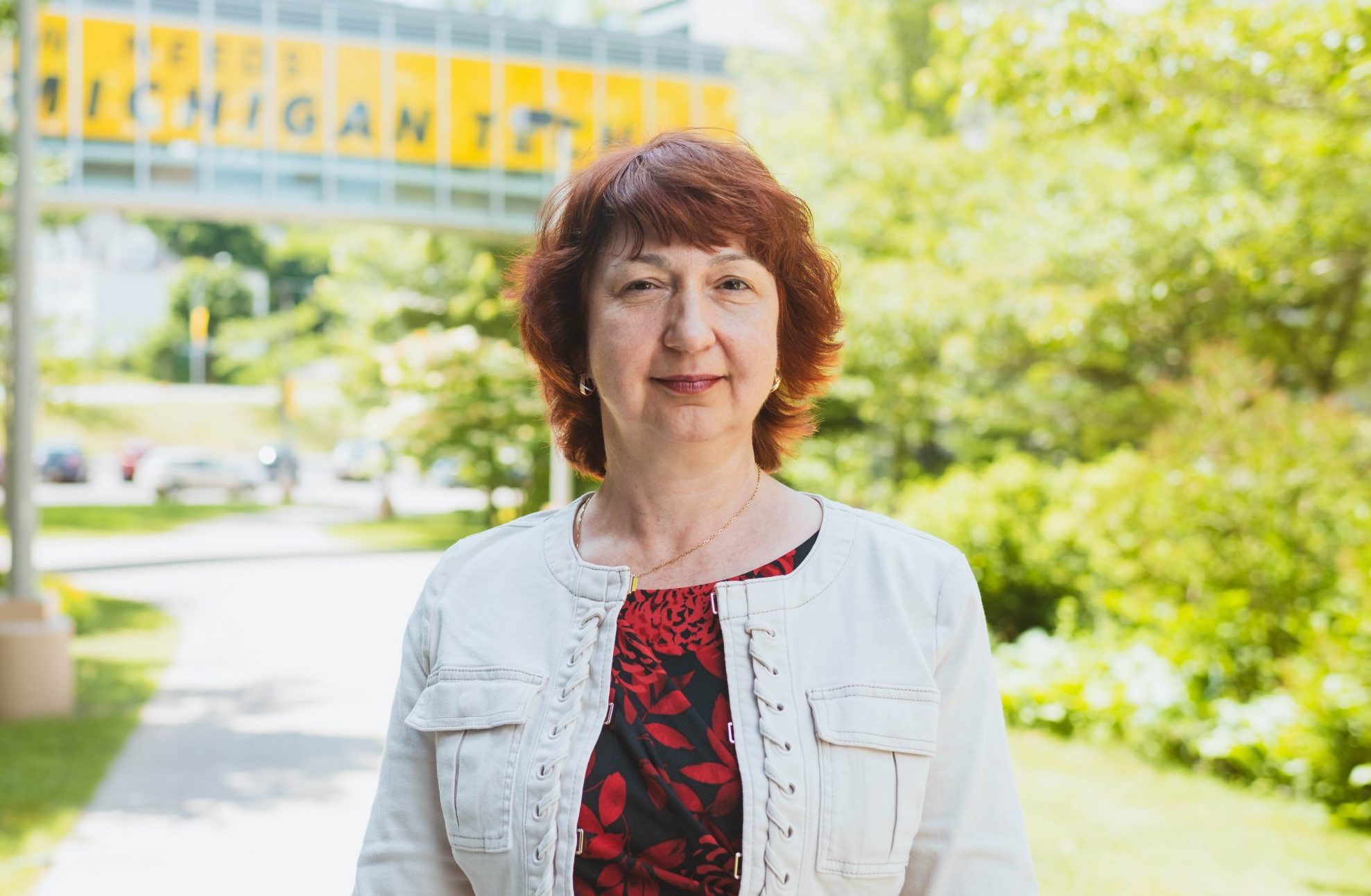
Rodica Curtu stands outdoors on a sunny day in front of the walking bridge between the Van Pelt and Opie Library and Rekhi Hall.
Rodica Curtu joins the College of Sciences and Arts as the new mathematical sciences department chair.

Michigan Tech’s College of Sciences and Arts welcomes Rodica Curtu as the new chair of the Department of Mathematical Sciences, effective July 1. Curtu comes to Michigan Tech from the University of Iowa, where she recently brought the math graduate program into the Internship Network in the Mathematical Sciences and served as faculty senate president.

Chemistry Alumna Earns National Award

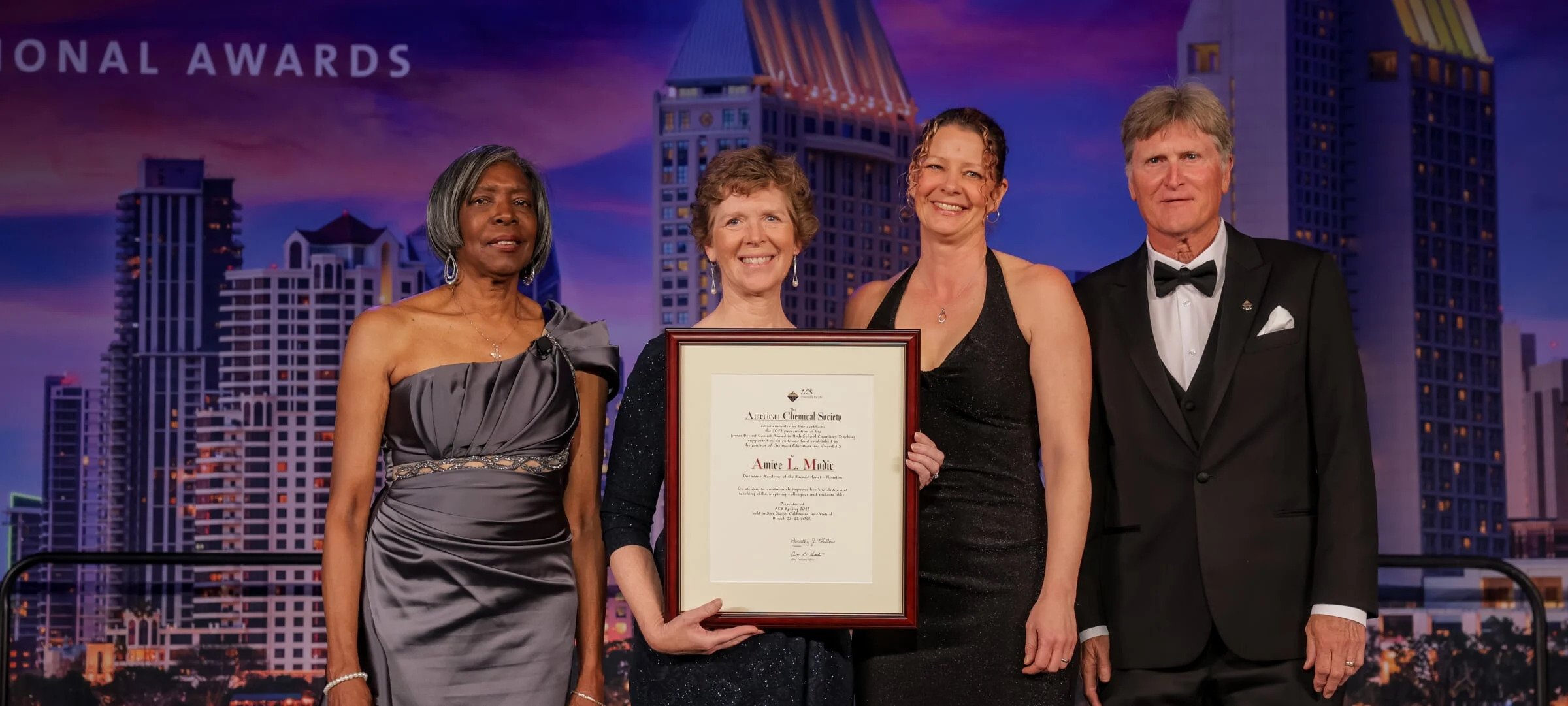
Aimee L. Modic poses at an awards ceremony with the  2025 James Bryant Conant Award in High School Chemistry Teaching, presented by the American Chemical Society. Three ceremony attendees stand next to her.
Alumna Amiee (Larchar) Modic ’84, a high school chemistry teacher at Duchesne Academy of the Sacred Heart in Houston, Texas, has been honored with the 2025 James Bryant Conant Award in High School Chemistry Teaching, presented by the American Chemical Society. (Image credit: EPNAC.com)

Michigan Tech chemistry alumna Amiee (Larchar) Modic ’84 earned the 2025 James Bryant Conant Award in High School Chemistry Teaching for her authenticity, enthusiasm, and ability to inspire.

A Day in the Life of a Michigan Tech Math Student: Solving Problems, Building Community—and Eating Soup!

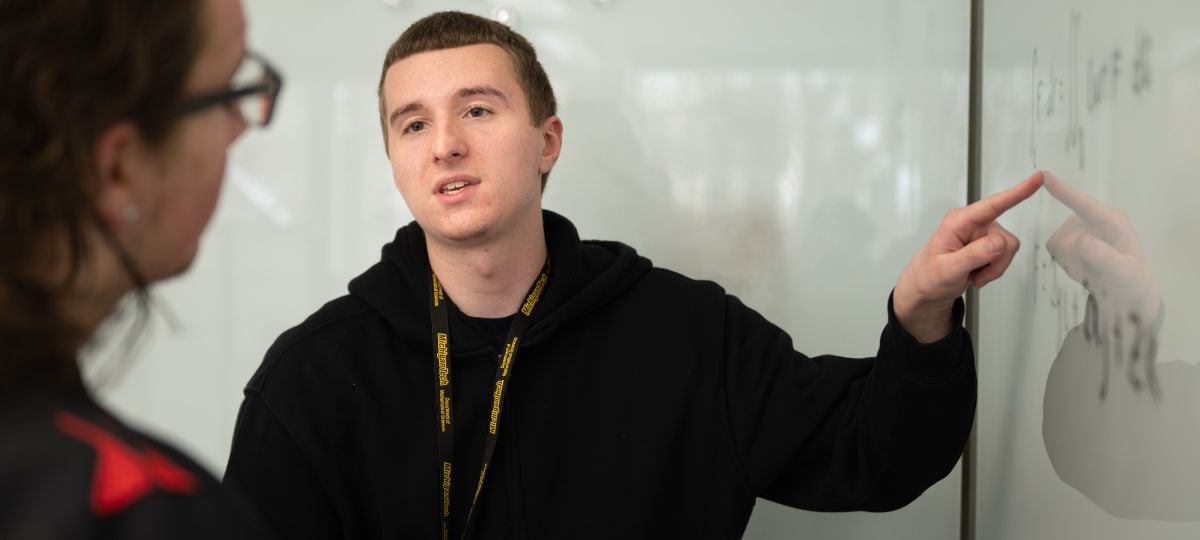
Discrete mathematics student McCoy Ziehl gestures to a math problem on a white board in the Math Learning Center while talking to another student.
Michigan Tech math students explore everything from discrete mathematics and ice skating to statistics and soup parties.

Discrete mathematics student McCoy Ziehl and fellow Michigan Tech Class of 2025 member Emily Ruf, who is double-majoring in statistics and discrete mathematics, share an inside look at what MTU math majors do in and out of the classroom.

Michigan Tech Mathematical Sciences Department Invites Campus and Community to Kliakhandler Lectures

A leading researcher in numerical analysis will share the history and relevance of computational mathematics in a public lecture October 3 in Fisher Hall.

Dr. Susanne C. Brenner will deliver the seventh Kliakhandler Public Lecture at 6 p.m. on Thursday, October 3 in Fisher 139. The title of her lecture is “Computational Mathematics.”

The campus community and general public are invited. Admission is free.

Two CSA Faculty Recognized for Outstanding Contributions to Michigan Tech

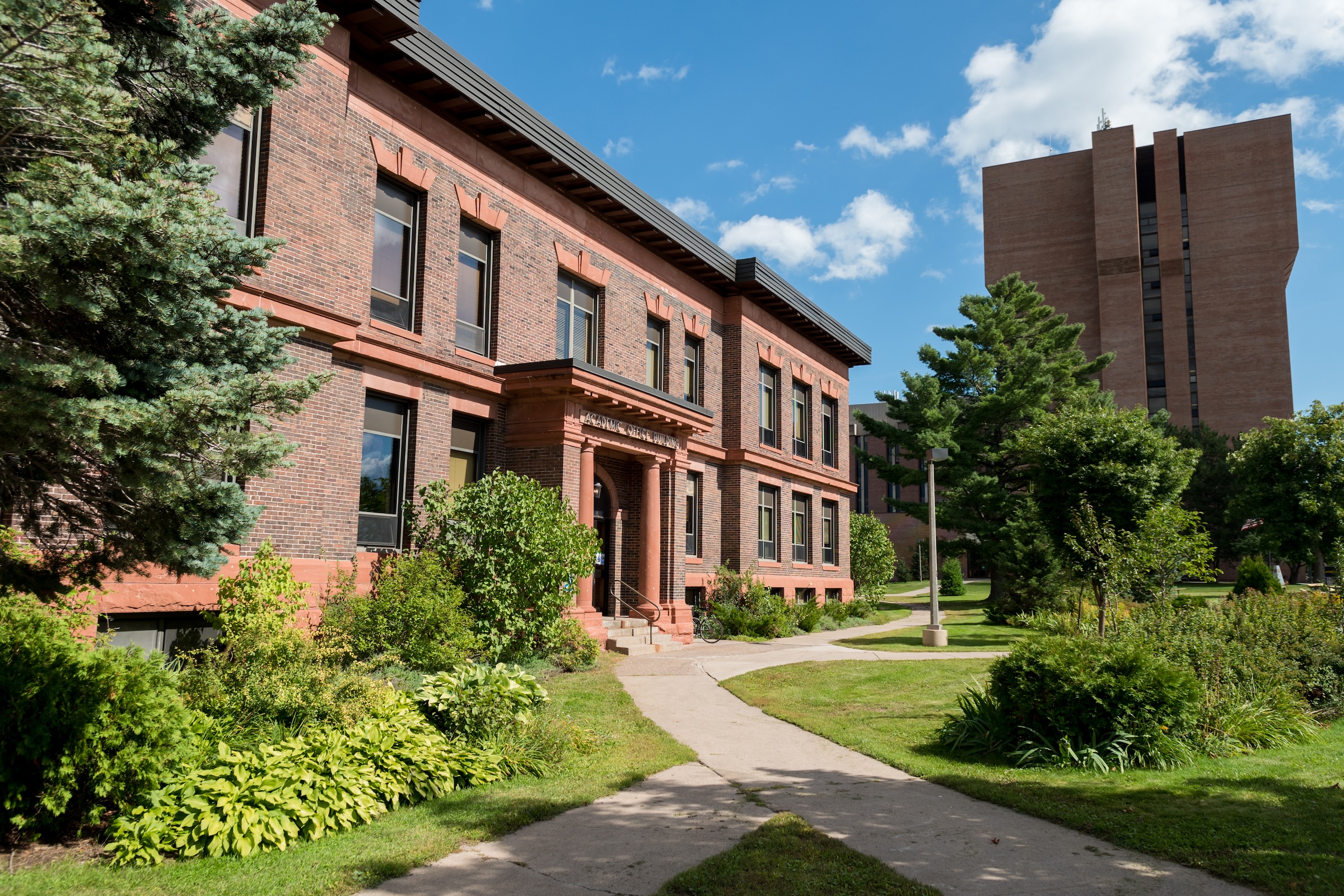
Brick two story building with concrete walkways in front, surrounded by green grass, shrubs, and trees.
The Social Sciences Department, home department of University Professor Kathy Halvorsen is housed in the AOB Building on the Michigan Tech campus.

Kathy Halvorsen and Quiying Sha have been honored for their substantial contributions to teaching, research, and service and are among seven professors recognized through Michigan Tech’s Distinguished and University Professorships. They represent a small percentage of faculty recognized with these awards by the Office of the Provost and Senior Vice President for Academic Affairs.

University Professors represent no more than two percent of the total number of tenured and tenure-track faculty at Michigan Tech. Since its inception in 2020, four of the seven University Professors have hailed from the College of Sciences and Arts, including three from the Department of Physics. Halvorsen is the first recipient from the Department of Social Sciences.

Distinguished Professors represent no more than 10 percent of the number of tenured and tenure-track faculty in a specific college or school. Since its inception in 2018, four of the 11 Distinguished Professors have been chosen from the College of Sciences and Arts. Sha is the first recipient from the Department of Mathematical Sciences.

New Faculty Books and a Thank You to Donors — Spring 2021

Greetings from the College of Sciences and Arts at Michigan Tech!

Spring has arrived early here in the Copper Country. The last full weekend of skiing at Mont Ripley a few weeks ago featured sunshine and 60-degree temperatures and all across campus grass is showing through the remaining piles of snow.

Meanwhile students are back on campus after spring break, and our large COVID surveillance testing on their return has only detected 12 campus cases in the last 14 days. President Koubek has announced our intention to return to normal conditions and normal classroom capacities in the fall, and planning is underway.

More than a third of the Western UP has already been vaccinated, and I welcomed my first shot!

We recently received exciting news that our health research building (temporarily dubbed “H-STEM”), is back on track after a year of covid-induced uncertainty. Faculty across campus are currently working on designing the research and teaching lab spaces. Groundbreaking is tentatively slated for about a year from now. It would be finished near the end of 2022.

I have taken some time recently to read some of our new faculty books. Our professor emeritus Jim Spain, the founding chair of our biological sciences department, has a fascinating autobiography out, Perusing for Pioneer Pathways, documenting his incredible life, much of it here in the Copper Country. Dr. Spain will be inducted this fall into our distinguished Academy of Sciences and Arts.

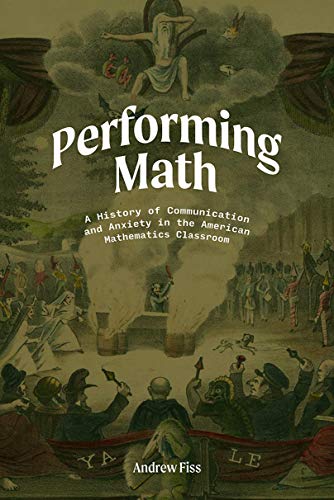
Book cover of Performing Math

As a mathematician I took particular interest in a new book from our Humanities Professor Andrew Fiss, titled Performing Math: A History of Communication and Anxiety in the American Mathematics Classroom, published by Rutgers University Press. The book is a wonderful combination of history and technical communication with relevance to today’s mathematics classroom.

In my ‘to read’ pile are two books from Humanities Professor Patty Sotirin, including Feminist Vigilance, with MTU colleagues Victoria Bergvall and Diane Shoos, and also Making Data in Qualitative Research, applying a humanities perspective to data collection.

Our recruiting season is well under way as hundreds of prospective students visit this week for “Preview Week” and many more are attending virtual events this week. Applications are at record highs! Our deposits are slightly trailing last year’s but rapidly catching up as financial aid packages go out. Many of these were delayed due to the difficulties students encountered with taking standardized tests.

Critical to everything we do are our alumni and friend donors. All your donations to our departments, scholarships, and the general fund are vitally important to our success. They will play an even bigger role over the next year with decreased state support expected. Thank you so much for supporting Michigan Tech! For CSA giving opportunities please visit: https://www.mtu.edu/sciences-arts/giving/

 If you are ever back in town I hope you will stop by, say hello, and share with me your MTU story. Please do not hesitate to email me any time at djhemmer@mtu.edu to share your MTU experience or offer suggestions.

Best wishes,

David Hemmer
Dean – College of Sciences and Arts

CSA Researchers Participate in first TechTalks

Screen Shot 2016-11-16 at 11.55.24 AMOn Thursday, November 10, 2016, several researchers gave two minute presentations for the inaugural TechTalks session of the Michigan Tech Research Forum. Seven of the 13 researchers presented work from CSA disciplines, including the Distinguished Lecture:

  • Steven Elmer– Department of Kinesiology and Integrative Physiology, Exercise As a Form of Medicine
  • Yang Yang – Department of Mathematical Sciences, Numerical Methods for Partial Differential Equations
  • Selin Philip – Department of Coginitive and Learning Sciences, Creating a Culture of Better Mental/Behavioral Health among the American Indians in the Keweenaw
  • Loredana Valenzano– Department of Chemistry, Molecules, Surfaces, Crystals: A Quantum Chemical Quest from Fundamentals to Applications.
  • Nabanita Saikia – Department of Physics, Emergent Frontiers in 2D Nanomaterials for Biomolecular Recongition and Self-Assembly.
  • Lynn Mazzoleni– Department of Chemistry, Introducing the New 2D-Liquid Chromatograph and High-Resolution Mass Spectrometer in the Chemical Advanced Resoulation Methods (ChARM) Core Facility at Michigan Tech.
  • Tarum Dam – Department of Chemistry, Enriching Health-Related Research Through Glycobiological Approaches.

Michigan Tech Research Forum events are presented by the Office of the Provost and Vice President for Academic Affairs in coordination with the Office of the Vice President of Research. Additional TechTalks sessions are coming up in Spring 2017. Interested in nominating yourself or others? Use this online form.

Browse the Twitter conversations in “TechTalks 2016: Take One,” by Allison Mills.


Distinguished Lecture –image151928-pers

Richelle Winkler gave the inaugural Michigan Tech Research Forum Distinguished Lecture on Thursday, October 13 at 4:00 p.m. in the Memorial Union Alumni Lounge. She discussed Making Research Matter: Democratizing Science and Other Lofty Goals.

Professor Hugh Gorman nominated Winkler, an associate professor of sociology and demography, for “community engaged scholarship” that extends across the Michigan Tech campus. Examples of Winkler’s projects include examining the feasibility—social and technical—of using mine water for geothermal heating systems in Calumet and examining the social, economic, and technical aspects of improving recycling in Houghton County. Both projects involve students and community members, and both have real impact in the communities. Winkler also conducts research on the changing demographics of anglers and hunters—and the implications for policy. She presented on this subject at the Department of Biological Sciences last spring.