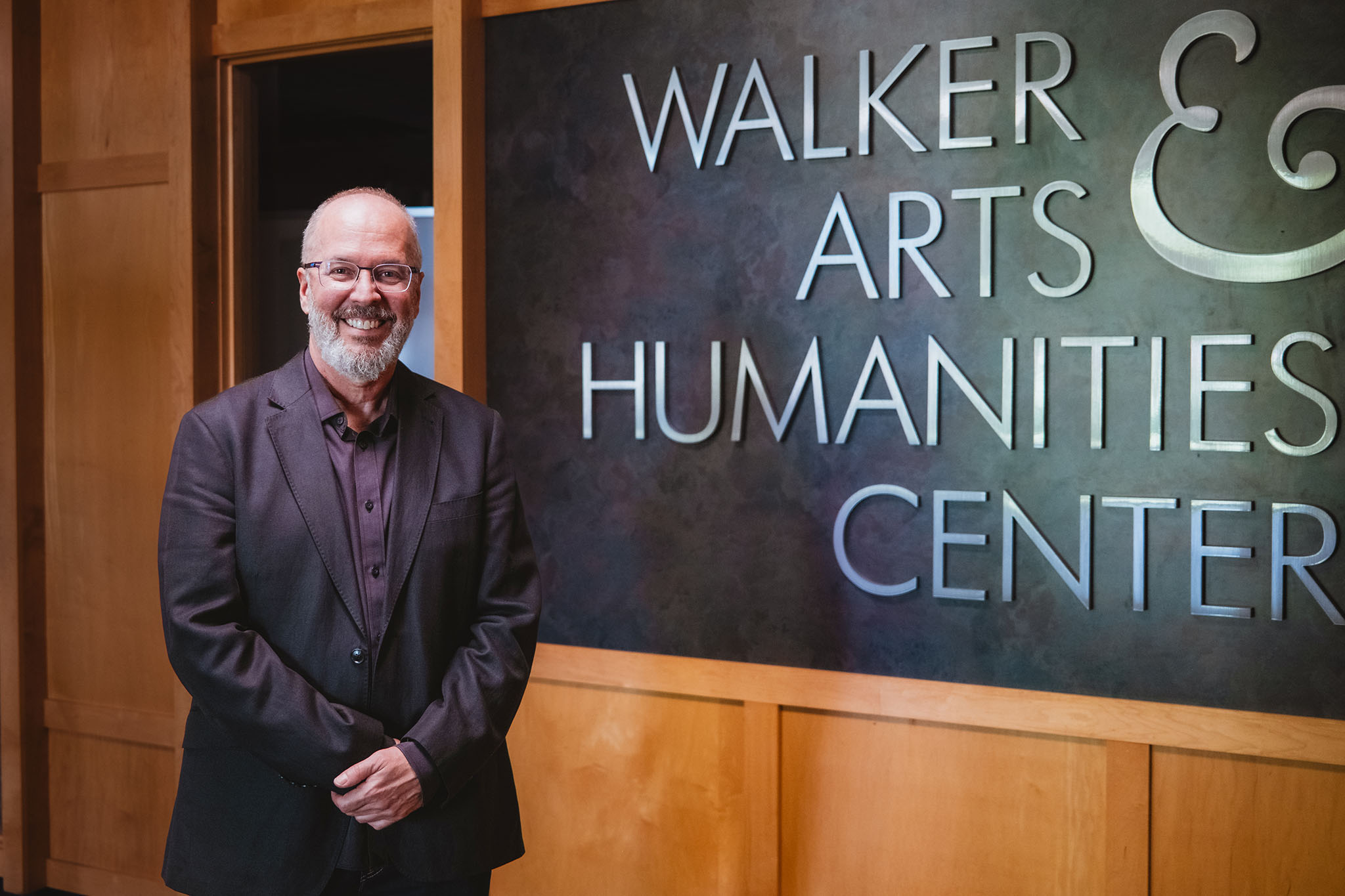
Michigan Tech’s College of Sciences and Arts welcomes Michael Nelson as the new chair of the Department of Humanities, effective July 1. Nelson comes to Michigan Tech from Oregon State University’s College of Forestry, where he was a professor of environmental ethics and philosophy and director of the Center for the Future of Forests and Society.
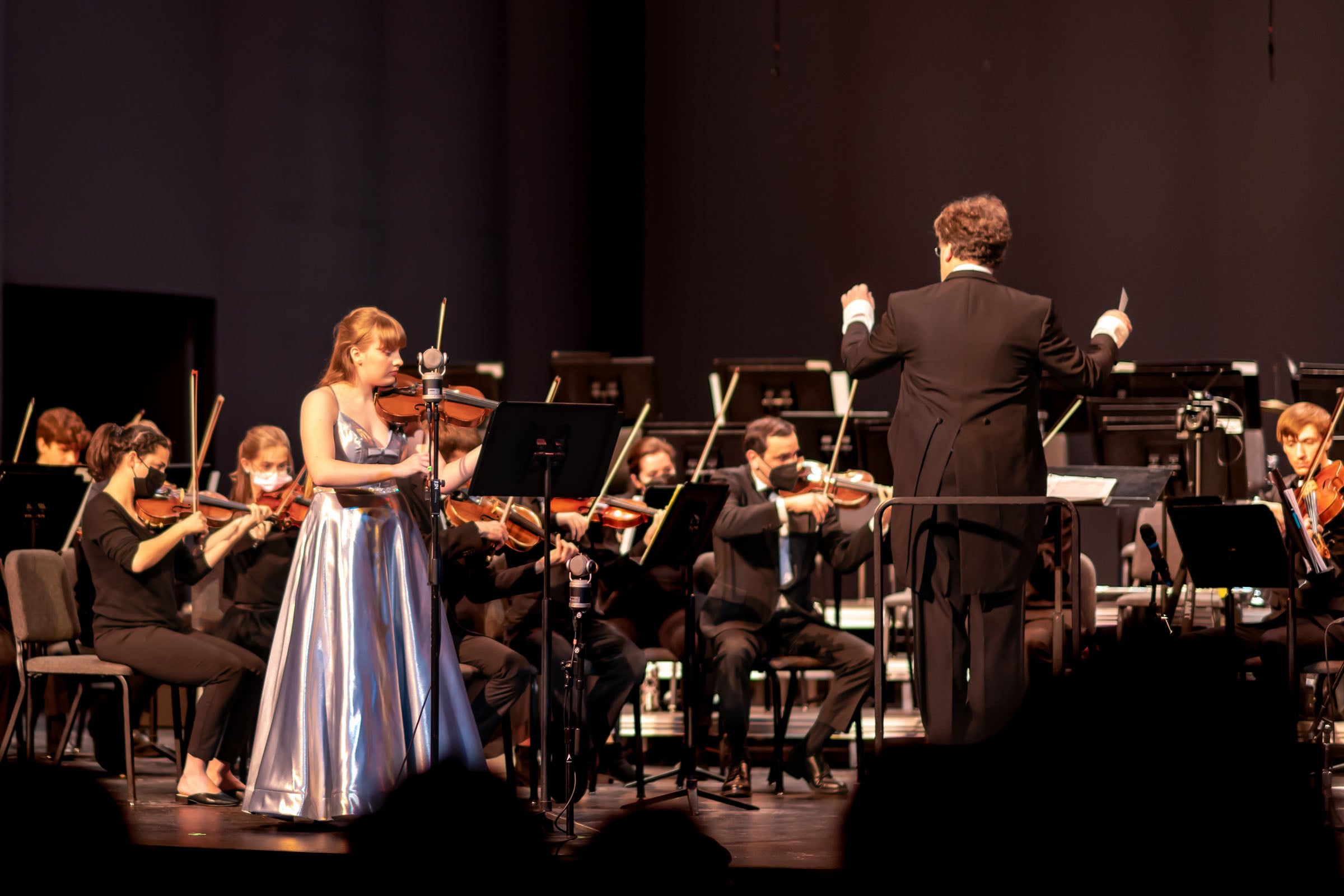
Michigan Tech’s College of Sciences and Arts congratulates Joel Neves as he takes on his new position as chair of the Department of Visual and Performing Arts, effective July 1. Neves has served as a professor of music and director of orchestral activities in the department, specializing in teaching the history of rock music.
Registration is now live for Michigan Tech’s 2026 Summer Youth Programs. Each summer, nearly 1,000 middle and high school students from around the world immerse themselves in hands-on learning through week-long career explorations designed to help them discover college pathways and real-world opportunities. Whether they’re noodling over neuroscience, curious about chemistry, or enthusiastic about ecology, the extraordinary courses include many offerings in the College of Sciences and Arts (CSA).
With a business portfolio that extends far beyond theme parks, the Walt Disney Company is a multi-billion-dollar corporation with job opportunities across most fields. For at least two Tech alumni, the company was an important stepping stone on their journeys to the most magical place on earth — a fulfilling career.
The 41 North Film Festival comes to Michigan Tech on Thursday, Nov. 6 and runs through Sunday, Nov. 9, inviting audiences to immerse in the complex intersections between the natural world and human experience through 20 thought-provoking films. The event is free and open to the public.
The College of Sciences and Arts announces nine new faculty appointments for this academic year. These faculty bring a wide variety of knowledge and skills to the College, our students, and our research. Their individual areas of expertise include dark-room photography, photonics characterization techniques, human-AI interactions, political science and jazz history. Please join us in welcoming these Huskies to their new positions!
Mary Christine Stevens, undergraduate student speaker for the 2025 spring commencement, has sampled much of what Michigan Tech has to offer during her time as a student—a philosophy she happily passes on to current and future students. As Stevens prepares to graduate from Michigan Tech and Pavlis Honors College, she looks back on the time spent earning her bachelor of arts in English with a minor in French, she recalls the advice she received from her father when she first started her college journey.
“He told me to try everything,” Stevens said. “College is the last time in life you’ll have this much freedom and these few responsibilities.”
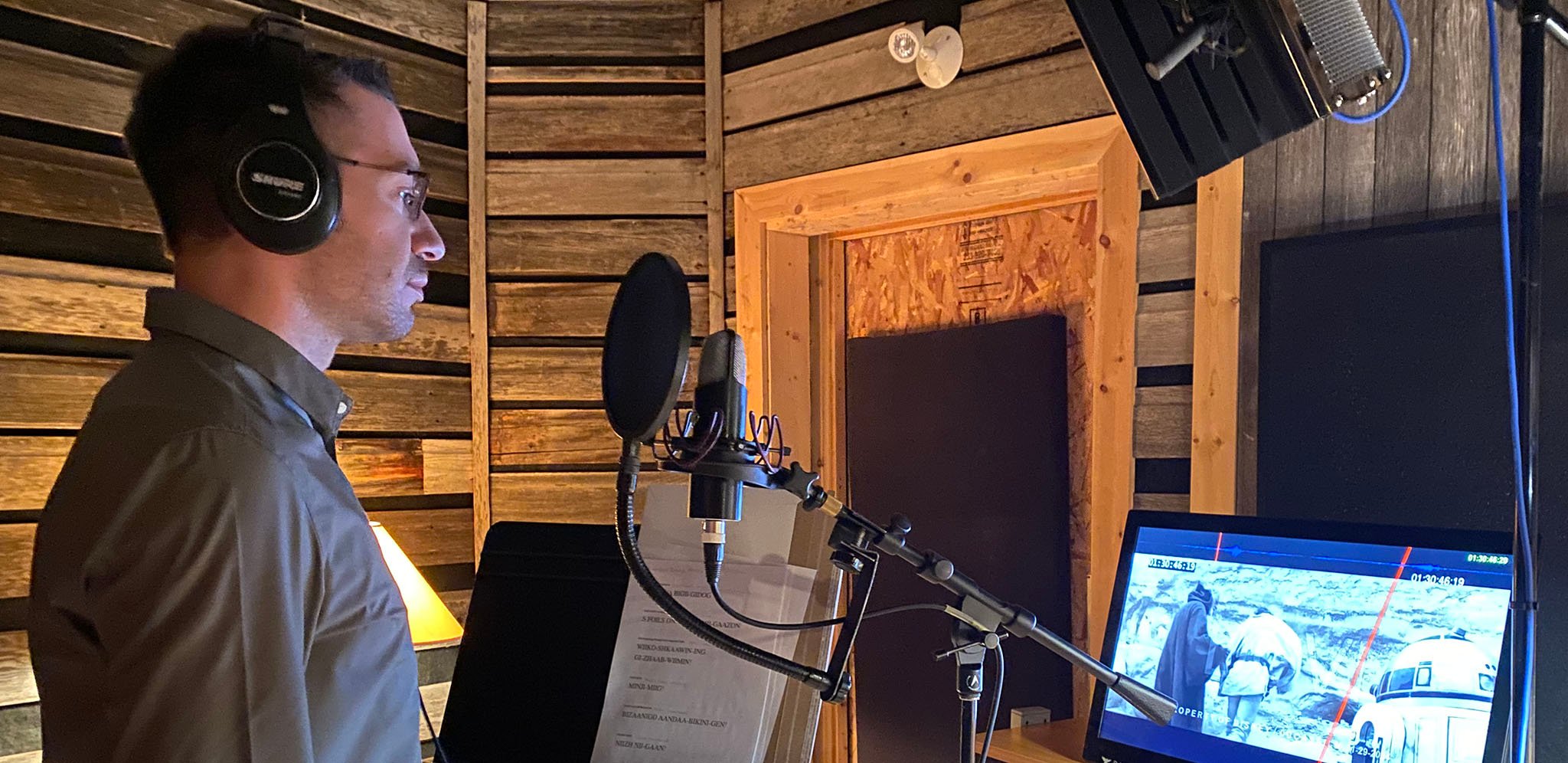
Michigan Tech alumnus Niigaanii-Animikii Inini Kalvin Hartwig ’10 continues his career-long dedication to supporting Indigenous language and cultural revitalization as one of the main cast voice actors in an Ojibwe dubbing of Star Wars: A New Hope.
Hartwig is an award-winning filmmaker, a member of the Sault Ste. Marie Tribe of Chippewa Indians, and a Tech graduate in social sciences, humanities and German. He voices the Red Leader character, originally played by the late Gordan “Drewe” Henley in the dub, which began streaming on Disney+ on Oct. 27.
Read more about Hartwig’s passion for the project, how he got involved, and the recording process in the full feature by Jordan Shawhan, Husky Makes History with Voice Role in Ojibwe Dubbing of Star Wars, at Michigan Tech Alumni Stories.
Sarah Bell, associate professor of digital media in the College of Science and Arts gained national recognition recently when her book Vox Ex Machina was listed on the New Yorker’s “Best Books We’ve Read This Week.” The book details the development of key voice synthesis technologies across the 20th century and factors that influenced their creation.
Bell’s exploration of the topic goes far deeper than a simple history of how these technologies were created, also exploring public response to the tech and asking whether talking machines are good for us.
“We were already primed for voice assistants before Siri and Alexa, but that doesn’t mean they work very well for us.”
Vox Ex Machina is as much about the people creating and using voice synthesis as it is about the technology itself, and this research concept began very close to home for Bell.
If you’re traveling through Escanaba, Marquette, Flint, or the metro Detroit area, keep an eye out for a familiar Michigan Tech Humanities Department faculty member. M. Bartley Seigel will be hard to miss. He’s larger than life thanks to Michigan Words, a statewide billboard campaign celebrating contemporary Michigan poets.