Universities have occasionally struggled in recent decades to achieve an appropriate balance between our two core responsibilities: teaching and research. Not surprisingly, this challenge has surfaced at Michigan Tech as we have worked to balance Tech’s traditional strength as an undergraduate teaching institution with the more recent strategic emphasis upon graduate education and research supported by external funding. But in the College of Sciences and Arts, our commitment to teaching and learning has never weakened and remains a crucial yardstick for measuring how well the college meets its mission.
Indeed the college and its faculty take pride in excellence in the classroom. A significant part of CSA’s mission is delivering core foundational courses in calculus and statistics, physics, chemistry, composition and communication, global issues and other courses in the general education program to EVERY student in every major. For example, the Department of Mathematical Sciences instructs more than 7,000 students in its courses each year, at a time when the university enrollment is just over 7,000. Yet the math faculty also maintain a high level of scholarship and each authors an average of 2 research articles per year. That type of balance is found in every department, for the college’s faculty must be good teachers as well as good scholars. And many are excellent!
I consistently take pride in the efforts of our best teachers, and this is the time of year when those individuals are recognized. This spring, I highlighted the efforts of five college faculty for their exemplary teaching approaches and goals in the Dean’s Teaching Showcase. The showcase is a weekly event inaugurated by the Director of the Jackson Center for Teaching and Learning, with each dean selecting exemplary faculty whose instructional efforts are less likely, because of the topic or the course, to achieve recognition through the regular teaching awards.


The showcase continues the rich and valuable dialogue that has taken place among the faculty over the past 15 years or more about teaching and student learning. You can read more about the showcase nominees from CSA in Tech Today: Elizabeth Reed (MA); Raymond Shaw (PHY); Loredana Valenzano (CH); Donald LeFreniere (SS); and Steven Elmer (KIP); each brings something special to our students and is well deserving of this recognition.


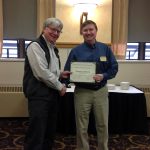
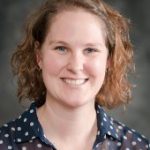
As the Showcase unfolded this spring, the process of nominating the faculty to be inducted into Tech’s Academy for Teaching Excellence proceeded on its own pathway, culminating in a dinner on April 4 to honor the new inductees into the Academy as well as others nominated for a teaching award more than once. This year the college was again well represented: 2 individuals were nominated in the Lecturer/Assistant Professor Category, and another faculty member in the associate and professor category. The first nominee was Senior Lecturer Beth Reed from Math, who was inducted into the Academy in 2012 and has since been nominated several times for the outstanding teacher award. Beth’s repeated nominations reflect her intense dedication to help students succeed in her statistics classes.


A first-time nominee to the Academy is Brigitte Morin from Biological Sciences, who is an integral part of the Medical Laboratory Sciences (MLS) program. Her nomination highlighted the amazing enthusiasm she brings to teaching and learning. A graduate of our MLS program, she returned to Tech several years ago and has made an an exceptional contribution from day one. She mentioned herself how thrilled she was to be back here with the people whose teaching had made such a difference to her. Now she is doing the same for another generation of Tech students! But the highlight of the evening may have been the comments from MC Friedrich in Visual and Performing Arts, nominated (again!) in the professor category. MC chose to read a few comments from students she found posted on RatemyProfessor.com. They seemed to have a different idea about excellent teaching.
“The class was a little too slow for me but others needed the time.”
“Stop expecting us to remember and do what we learned earlier in the class.”
“In the future add in some more evil twists to the projects so we can brag to the following classes that we did not have to do that.”
“The projects are hard. Make them simpler.”
“And I wish you wouldn’t give us a chance to fix mistakes for points. That’s too much pressure.”
Behind the humor, however, we can see the commitment to preparing students for their future careers that is the mark of every good teacher. It’s a hallmark of our faculty, and yet another reason for pride in what is happening here at the college!
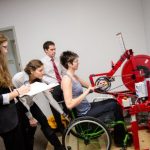
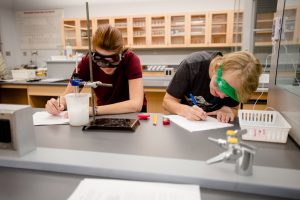
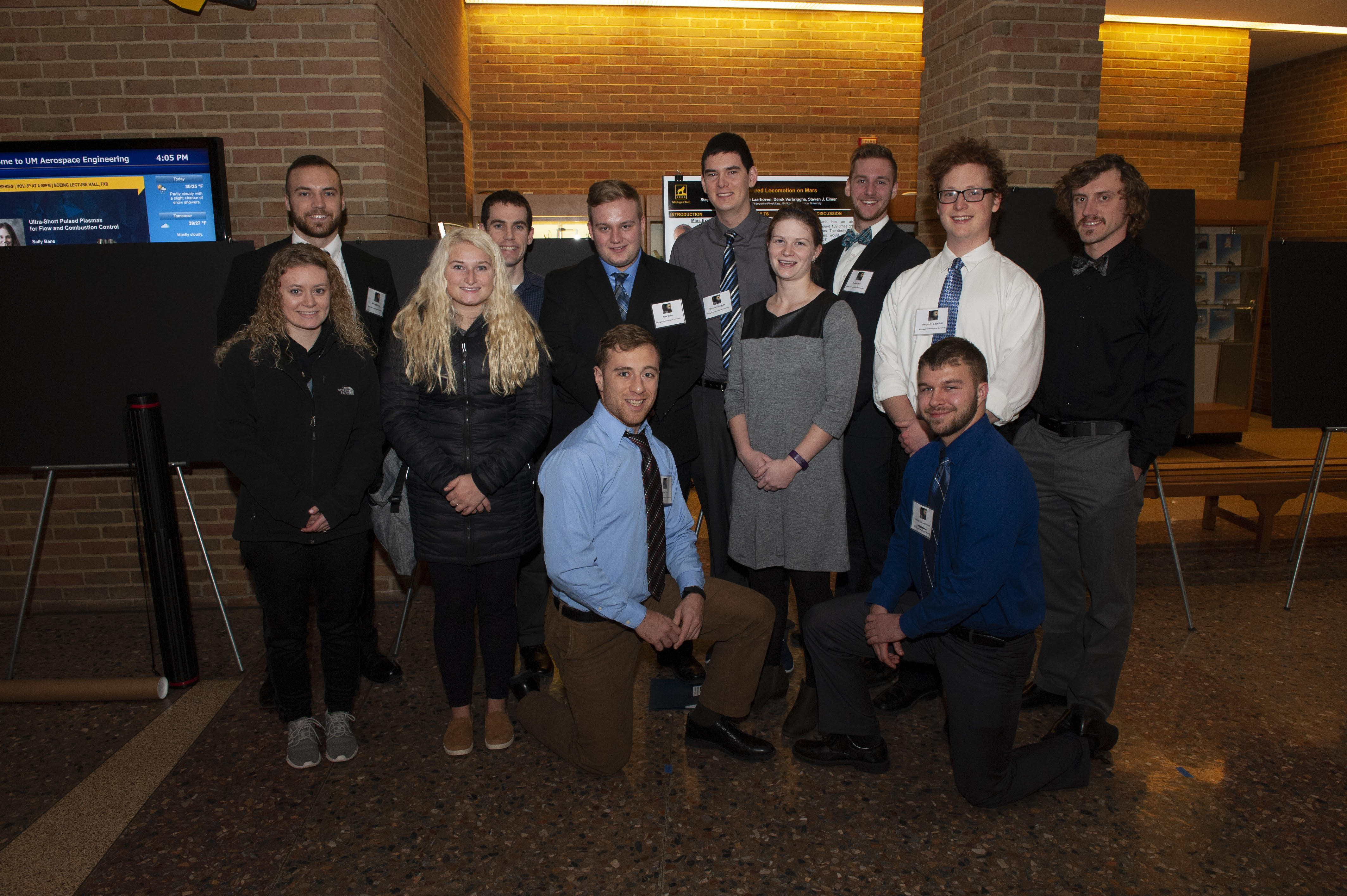
The pace of the academic semester picks up in mid April, with students and faculty alike realizing that the end of the semester is looming. Students hustle to complete projects and papers, but I am especially impressed by the number of research activities in which CSA undergraduates are involved.


Kathy Halvorsen
Anne Beffel
Stephanie Dietrich
Two KIP students-
Considering that Michigan Tech offers no degrees in music, the variety of quality musical groups here is quite amazing. Jazz and vocal groups, an orchestra and bands — students can participate in all of these, often in more than one venue. But for the typical student here, the 


The drummer is Libby Welton, a December 2016 MTU grad in Mechanical Engineering. She started her first job in Wausau, WI immediately after the tour was over.

I’ve recently returned from a trip to India – my 6th in the past eight years. The purpose of the trips has been to develop connections between faculty and universities there and at Michigan Tech.
At each place, I was warmly received, as has been true during each stop in my earlier visits. Normally I deliver a seminar on a topic appropriate to the university; typically I have talked about the societal implications of nanoscale science and engineering. This subject matches the world-wide interest in nanotechnology, but often the audience hears for the first time the perspective of a historian of technology on this topic. The resulting discussions have been useful and interesting – and provide a springboard to examine ways in which Tech’s faculty and research activities might align with faculty and students at the universities in India. There are many other areas where the research interests of faculty in India and the U.S overlap, and developing collaborative arrangements built from that common int
erest are the primary target of these visits. This trip, Michigan Tech and NITC signed an agreement to strengthen shared research programs in atmospheric science and applied physics. Similar linkages seem very likely to emerge from the visits to AISECT and IIT Bombay as well.
e so proud of the students — as they should have been! The students had prepared a science fair for me, as well as crafts exhibit. And after a short talk from me, they asked questions for an hour about all kinds of topics. It was a wonderful experience, as was the second school visit, this time to the Government Girls High School in Balussery in Kerala State. I met with a group of 10th graders from a gifted and talented program – and they certainly lived up to that billing! Self-assured and confident, these young women asked me about the differences between India and the U.S., about inequality, democracy and technology, and about the differences and similarities between our two countries. I was honored to be the first American to visit them, and urged them to never let anyone suggest they could not do something simply because they were women. Impressive!