The Graduate School proudly announces the recipients of the Doctoral Finishing Fellowships for the spring semester, 2021. Congratulations to all nominees and recipients.
The following are award recipients in engineering graduate programs:
The Graduate School proudly announces the recipients of the Doctoral Finishing Fellowships for the spring semester, 2021. Congratulations to all nominees and recipients.
The following are award recipients in engineering graduate programs:
Jeremy Goldman and Roger Guillory generously shared their knowledge on Husky Bites, a free, interactive Zoom webinar hosted by Dean Janet Callahan. Here’s the link to watch a recording of his session on YouTube. Get the full scoop, including a listing of all the (60+) sessions at mtu.edu/huskybites.
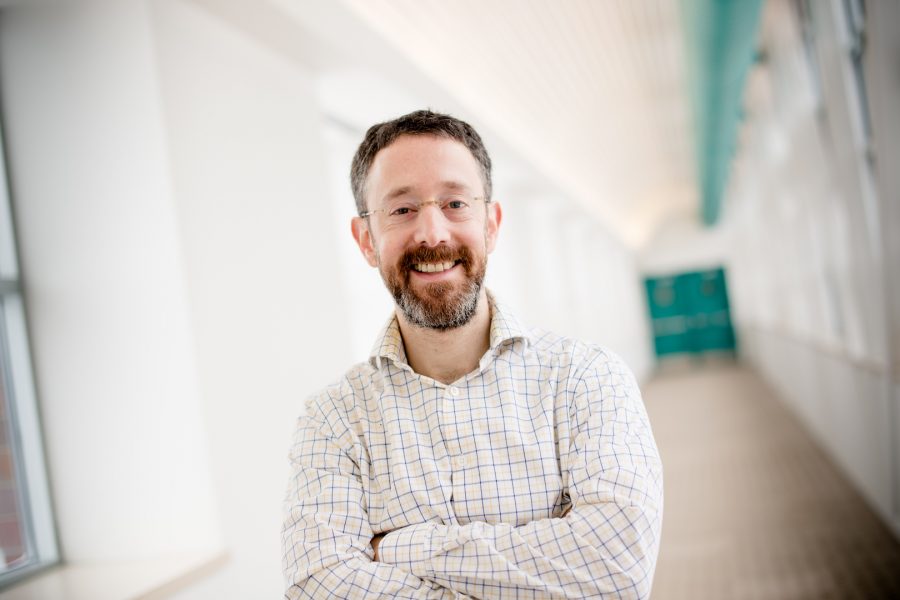
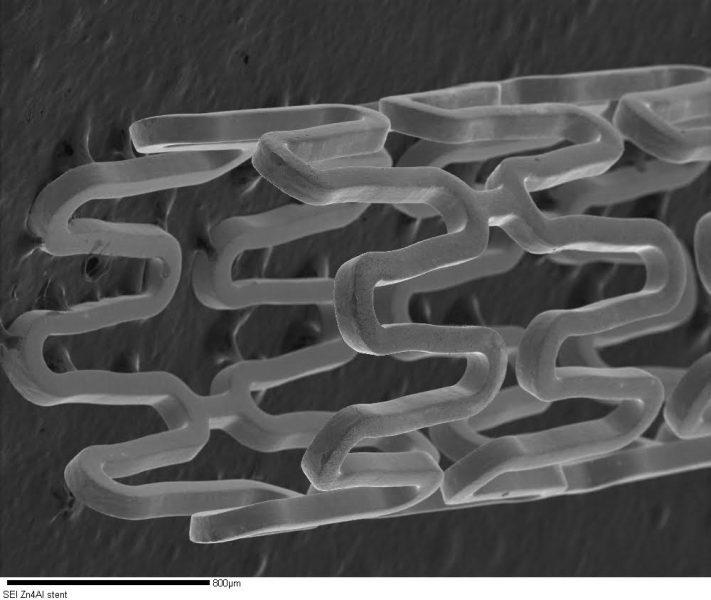
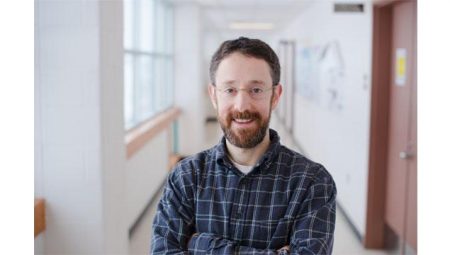
What are you doing for supper this Monday night 2/1 at 6 ET? Grab a bite with Dean Janet Callahan and Biomedical Engineering Professor Jeremy Goldman. He’ll explain why traditional cardiac stents need an upgrade, and how zinc alloys may be part of the solution.
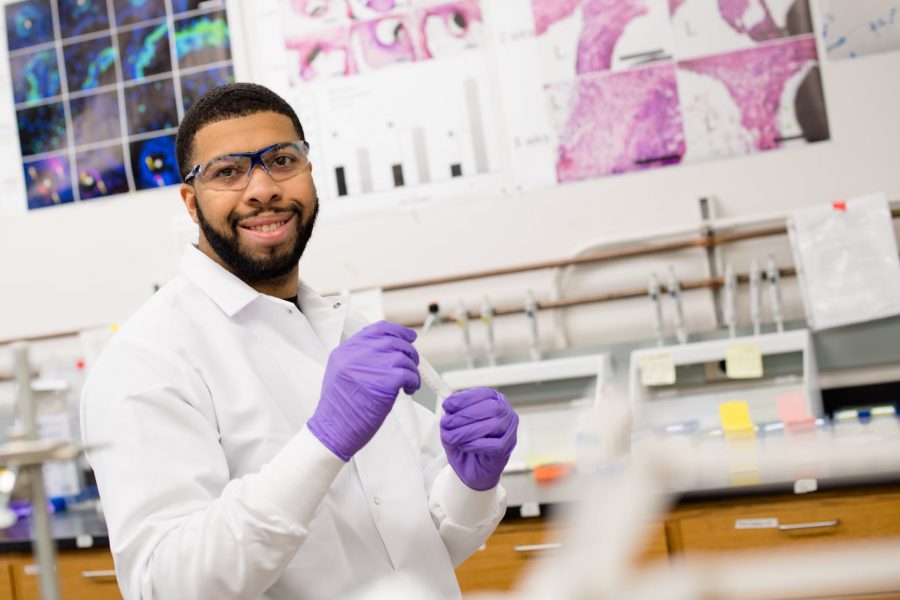
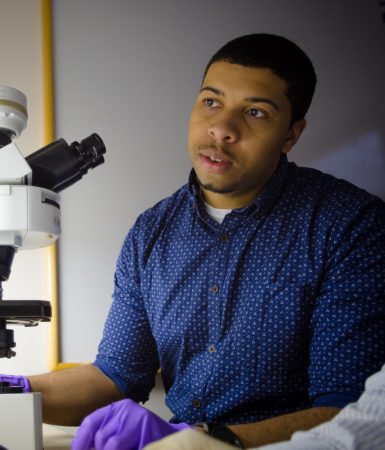
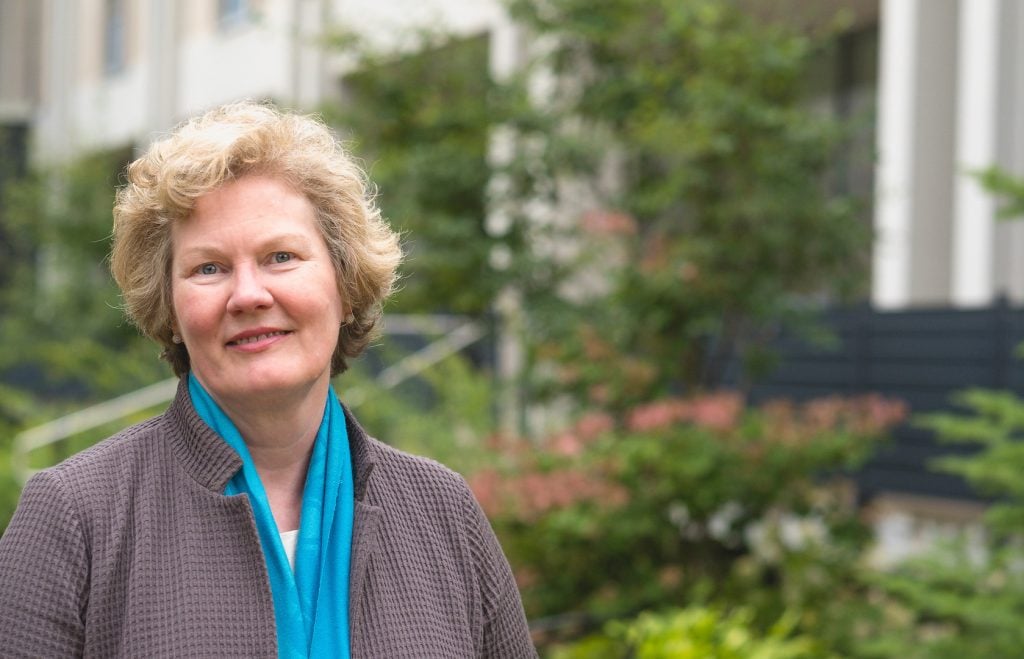
Also joining in will be Biomedical Engineering Assistant Professor Roger Guillory, one of Goldman’s former students at Michigan Tech. He grew up in Houston, Texas, then earned his BS, MS, and PhD in Biomedical Engineering at Michigan Tech, working in Goldman’s research lab all the while. He returned to Tech last year as a faculty member.
Every year, more than 900,000 Americans will have a heart attack. To reduce the chance of having a heart attack in the first place, or preventing another one from happening, a permanent stent, a small expandable metal tube, is implanted in a coronary artery.
These tiny mesh tubes prop open blood vessels that are healing from procedures like balloon angioplasty. After about six months, most damaged arteries are healed and stay open on their own. The stent, however, is there for a lifetime.
But stents can be harmful later on. The tiny metal segments that make up the stent can break and end up poking the arterial wall in the heart. They may cause blood clots or inflammation. The stent itself begins to create more problems than it solves.
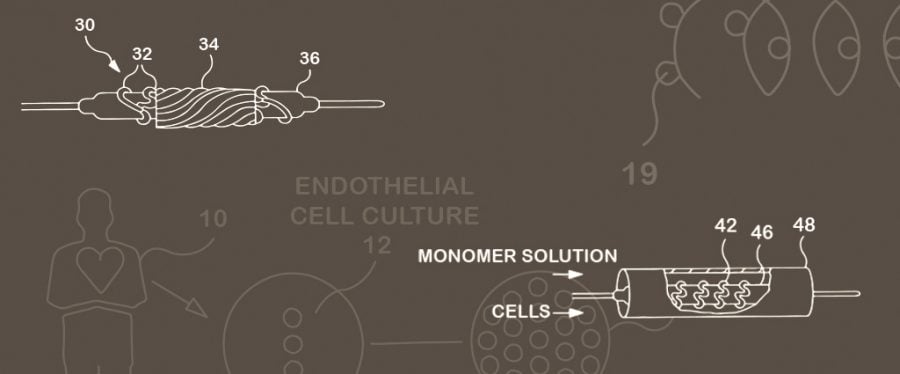
Goldman, his team of students and his research partners at Michigan Tech are the minds behind a smarter stent that gradually—and harmlessly—dissolves after the blood vessel is healed. “You could have all the early beneficial characteristics, but none of the harmful later ones, and you’d be left with a natural artery,” says Goldman.
“Ours is a zinc-based bioabsorbable stent,” he explains. “Zinc works better and with fewer side effects than iron or magnesium, the materials most studied for stents,” Goldman explains.
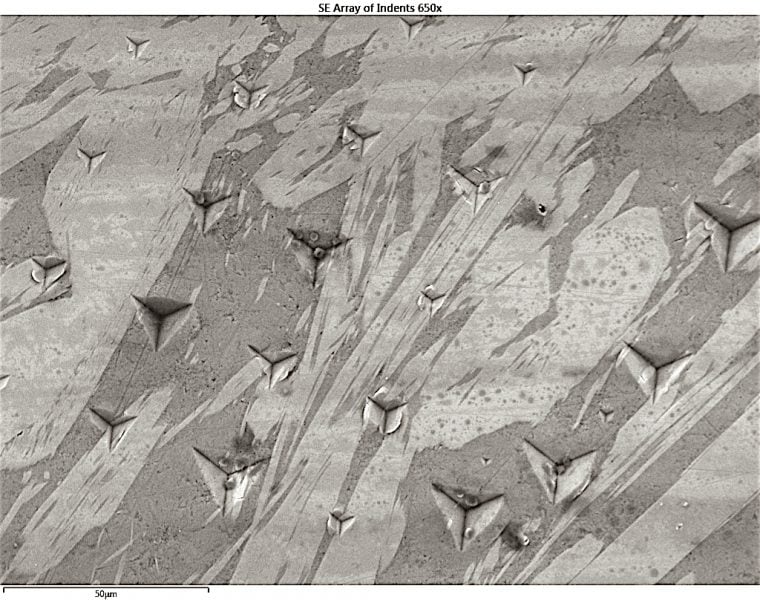
“Pure zinc isn’t strong enough to make a stent that will hold an artery open as it heals, so we did additional experiments. Those studies suggest alloying zinc with other materials could propel the research over that hurdle.”
The team performed biocompatibility studies of zinc’s breakdown products and is now testing stents made from the most promising zinc alloys to understand how those stents might work in a human body.
“So far, our bioabsorbable zinc alloy metal harmlessly erodes within the desired timeframe, 1-2 years. It really has demonstrated superiority to current materials,” says Goldman.
As a first year student at Michigan Tech, Guillory first read about Goldman’s research on the Michigan Tech website, and then went to see him after hearing him speak at a first-year seminar class. Goldman soon offered Guillory a job in his lab.
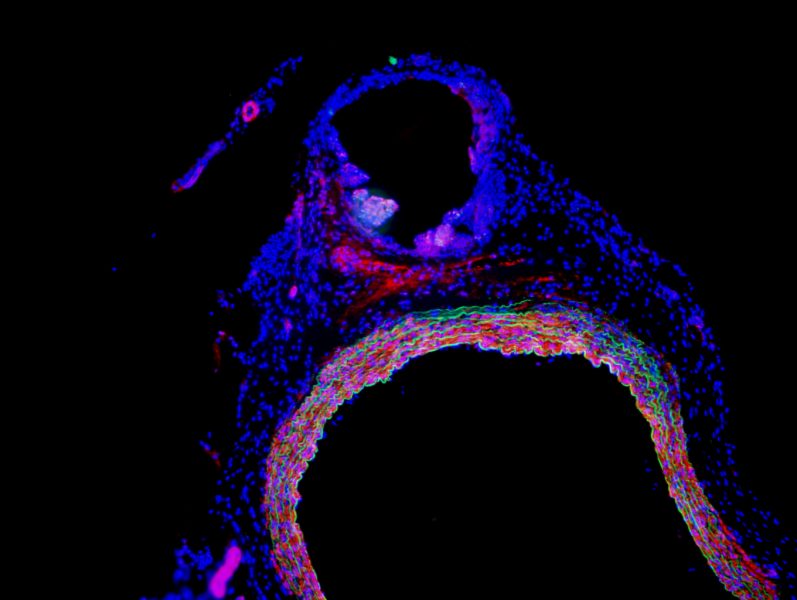
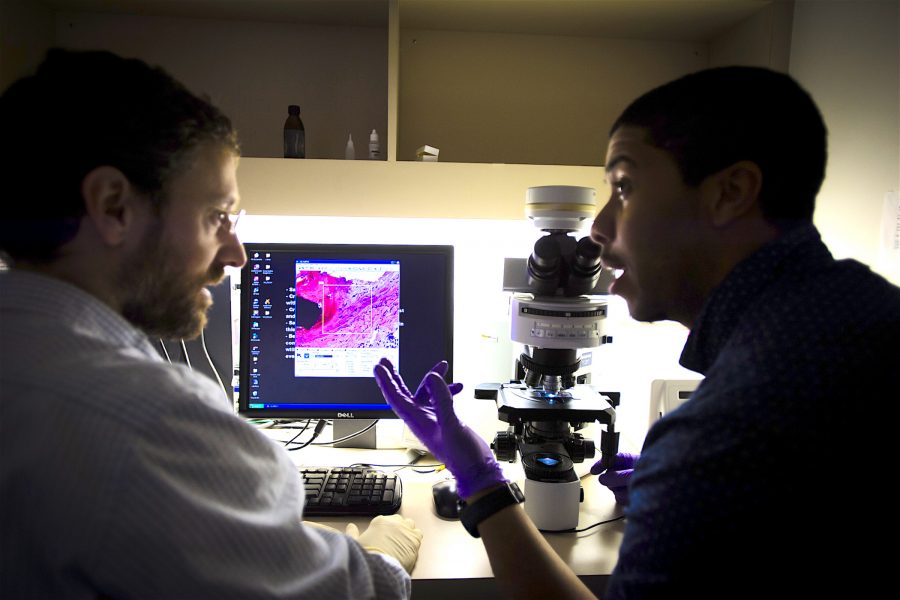
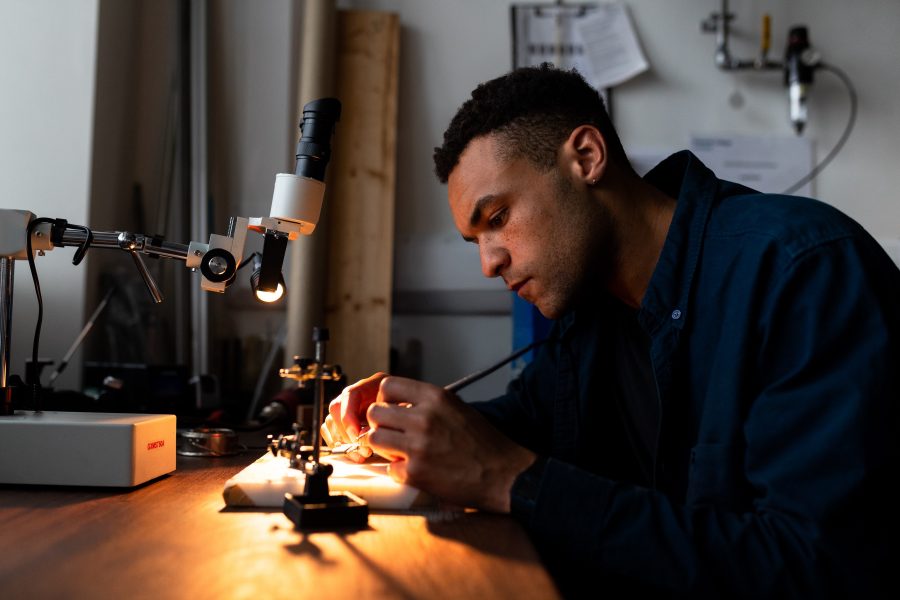
Guillory started out by performing histological analysis—cutting extremely thin cross-sections of an extracted artery (around 10 micrometers) frozen in liquid nitrogen in a machine called a cryostat. After obtaining these tiny cross sections, he stained them, looked at them with a light microscope, and interpreted the data.
“Analyzing specimens with histochemical techniques is sort of like taking a picture of a huge party with lots of people,” says Guillory. “From that one picture we can figure out who is there (cell morphology), how they got there (tissue derived or cell migration), and why they came to the party (immune response, or injury response). We can also see from those pictures who is sick, (necrosis), as well as who has been there for a while (development of fibrous barrier).”
Guillory grew up in Houston, Texas. “I knew I wanted to pursue an advanced degree many years ago,” he says. “I was attracted to the idea of probing the unknown. I have always wanted to learn more about what has not been explored, and pursuing an advanced degree allowed me to do just that.”
In 2017, as a biomedical engineering doctoral student at Michigan Tech, Guillory won a prestigious National Science Foundation Graduate Research Fellowship. He used the funding to continue his research on degradable metals (zinc-based) for cardiovascular-stent applications. His coadvisors were Goldman and Jaroslaw Drelich, a distinguished professor in Michigan Tech’s Department of Materials Science and Engineering.
After postdoctoral studies at Northwestern University in Evanston, Illinois, Guillory returned to Michigan Tech as an assistant professor last spring.
“An unbelievable amount of data and studies have been done on multiple aspects of our project, but I can say what we have achieved thus far at Michigan Tech has never previously been done,” adds Guillory.
“I think I’ve always been this person who loves science. At my first Michigan Tech graduation, for my undergraduate degree, my mom pulled out a photo to show me. It was a picture of me at age 8 or 9, wearing a white lab coat and holding a clipboard. I wanted to be a scientist even then. In Houston, I attended a magnet school—a high school focused on STEM. One of the teachers urged us all to apply to Michigan Tech. She’d been to campus and thought it was a great place to study engineering. Well that day we all pretty much said, “Michigan??!? No way!” But then I decided to apply. I was up for the adventure, willing to take a risk.”
“I’m into cooking, savory things. I do a lot of grilling and smoking. I also play basketball at the SDC, often with Prof. Goldman. Last but not least, I love to fish. I go trout fishing, but honestly I’ll fish for anything. I’ll be going ice fishing this weekend.”
“All through high school I was set on becoming a medical doctor. In college, I took pre-med courses and volunteered at different hospitals. At that time, there were big changes happening in the healthcare industry. Some of the doctors I talked to actually encouraged me not to become a doctor. That’s when I started thinking about biomedical engineering. I liked math and technology, and it seemed like a good way to combine my interests. We didn’t have biomedical engineering at my undergraduate university, so I took as many related courses as I could in addition to my major, which was chemical engineering. Then, in graduate school for my PhD, I finally took my first class in biomedical engineering. Right away it connected deeply in me. That was when I knew: this is it. This is what I really want to do.”
I like to play chess! I’ve been playing ever since I was a little kid. I played chess with my dad, and I played chess with my grandfather. When I was in second or third grade I started the school’s first chess club. And I was captain of the chess team in high school. Now, in the Covid age, I’m playing chess more than ever, including some amazing tournaments online. I also like running outside (even in the winter).
Ready to propel your career forward in 2021? Michigan Technological University’s College of Engineering now offers 16 new online graduate certificate programs. Interested in taking a course soon? Spring 2021 instruction begins on Monday, January 11.
“One of our goals at Michigan Tech has been to expand online learning opportunities for engineers, to help them meet new challenges and opportunities with stronger knowledge and skills,” says Dr. Janet Callahan, Dean of the College of Engineering.
The certificates are offered by four departments within the College of Engineering at Michigan Tech: Civil and Environmental Engineering, Mechanical Engineering-Engineering Mechanics, Biomedical Engineering, and Geological and Mining Engineering and Sciences. Several more engineering departments will join the effort in the near future.
“We have many more certificates in the works,” Callahan says. “We expect to have a total of 30 new online graduate certificates—including more than 90 courses online—by Fall 2021.
Students can sign up for a single course without committing to a certificate. “The courses are accessible and flexible to accommodate a busy schedule,” Callahan explains.
“These are the same robust courses taken by our doctorate and masters candidates, taught directly by highly regarded faculty, with outstanding opportunities to create connections,” she adds. “We invite working professionals to join these courses, and bring their own experiences to bear, as well as their challenges as part of the discussion.”
All courses will be taught online—many of them synchronously offered—with regularly-scheduled class meeting times.
Obtaining certification from Michigan Tech in sought-after industry skills is a great way to accelerate and advance a career in technology, Callahan says. Students take a cluster of three courses to earn a certificate. “It’s a three-step approach for a deeper dive into the subject area that results in a credential.”
Michigan Tech was founded in 1885. The University is accredited by the Higher Learning Commission and widely respected by fast-paced industries, including automotive development, infrastructure, manufacturing, and aerospace. The College of Engineering fosters excellence in education and research, with 17 undergraduate and 29 graduate engineering programs across nine departments.
Michigan Tech faculty are accessible, offering an open door learning experience for students.
“We have a strong, collegial learning community, both online and on campus,” notes Callahan. “We’re also known for tenacity. Our faculty and graduates know how to deliver and confidently lean into any challenge.”
Michigan Tech’s reputation is based on those core strengths, Callahan says. “A certificate credential from Michigan Tech will be respected across many industries, particularly in the manufacturing sectors of the Midwest—and around the world. Michigan Tech engineering alumni are working in leadership positions across the United States and in 88 different countries.”
“Remember those ‘aha’ moments you had, back in your undergrad days, your backpack days, when things suddenly came together? It’s exciting, invigorating and fun to learn something new.”
Dean Janet Callahan, Michigan Tech
“Registration doesn’t take long,” she adds. “We have simplified the graduate application process for working professionals. You can apply online for free.”
Interested in taking a course soon? Spring 2021 instruction begins on Monday, January 11.
Need more time to plan? Consider Fall 2021. Instruction begins on Monday, August 30, 2021.
Learn about all graduate programs at Michigan Tech, both online and on campus, at mtu.edu/gradschool.
Orhan Soykan and Tim Kolesar generously shared their knowledge on Husky Bites, a free, interactive Zoom webinar hosted by Dean Janet Callahan. Here’s the link to watch a recording of his session on YouTube. Get the full scoop, including a listing of all the (60+) sessions at mtu.edu/huskybites.
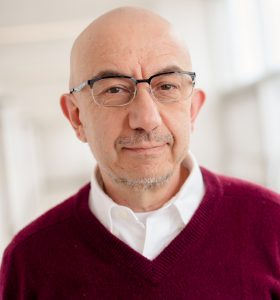
Dean Janet Callahan had supper with Orhan Soykan, a prolific inventor and professor of practice in biomedical engineering at Michigan Tech with more than 100 patents to his name. Joining in will be one of Dr. Soykan’s former students, Tim Kolesar, MD, who earned his biomedical engineering degree at Michigan Tech in 2019 after first completing med school. He’s now a Development Quality Engineer at Abbott.
Soykan specializes in implantable devices, biosensors, and molecular medicine. He is the co-founder of two start-ups and has been a consultant to more than 20 firms.
He has long been associated with Michigan Tech, first as a master’s student in electrical engineering (he graduated in 1986), then as an adjunct faculty member in the Department of Electrical Engineering. Then, seven years ago, after working 20 years at biomedical device powerhouse Medtronic and several more at startup YouGene, Soykan rejoined the University in a more formal way, as a professor of practice in Michigan Tech’s Department of Biomedical Engineering.
He teaches a biomedical instrumentation lab and courses on medical devices, medical imaging, and numerical physics. He also mentors senior design teams of undergraduate students who work on projects for industry clients, the final big design project of their senior year.
Michigan Tech BME alum, Tim Kolesar ‘19 was one of his students. “Dr. Soykan was my senior design team advisor,” says Kolesar. “Our team (three biomedical engineers and one electrical engineer) all worked together on a project for Stryker, investigating the thermal side effects of a surgical device used in brain surgery.”
Before coming to Michigan Tech, Kolesar earned a BS in Human Biology from Michigan State University, and then a Doctorate of Medicine from the American University of Antigua College of Medicine, in the Carribean. He also volunteered as a medical practitioner for the Himalyan Health Exchange, providing health care for underserved populations within remote regions along the Indo-Tibetan borderlands.
After graduating from Michigan Tech, Kolesar landed his dream job at Abbott, a multinational medical devices and health care company with headquarters in Abbott Park, Illinois, He works on cardiovascular devices for Abbott, including aortic and mitral heart valve replacements. At the moment he’s lead engineer on two projects, involved in device submission to the FDA in the US, and the EMA (European Medicines Agency) in the European Union.
Kolesar underscores the importance of time spent in the lab. During his time at Tech, he worked as an undergraduate researcher in the labs of biomedical engineering professors Dr. Rupak Rajachar and Dr. Jeremy Goldman, working on tissue engineering for injury repair in joints, and bioabsorbable stents for the heart. “These two opportunities played a large role in confirming my decision to pursue a career in biomedical engineering,” he says. “I believe the lab experience I gained at Michigan Tech played a pivotal role in securing my current role at Abbott.”
“I believe necessity is the mother of all invention. You must truly understand the problem and the boundaries the solution will have,” says Soykan. “After that, it is absolutely necessary to study scientific and engineering principles relevant to the problemAmong all his inventions, Dr. Soykan says he is most proud of those at the intersection of engineering and biology. His favorite: A method of isolating a small portion of a patient’s own heart muscle and converting it into a sensor to monitor levels of an antiarrhythmic heart medication.they will eventually become the tools for the development of the solution. And finally, you must look at work done by others, by reviewing technical literature and patent publications,” he adds.
“Now you are ready to tackle the problem by thinking as creatively as you can. This can be anywhere—outside when running or skiing, driving in traffic—make a list of the solutions you think of and discuss them with your colleagues and experts in the field. Finally, the ones that seem to pass the test, try them in the lab.”
I grew up in Ankara, the capital city of Turkey. I became interested in science and technology through my high school physics teacher. Eventually I began to build some electronic circuits as a hobbyist, which eventually turned into a profession. I cannot forget about the contributions of Mr. Spock from the original Star Trek series. (And yes, I am old enough to remember watching the original episodes each week on TV as a young boy!
Among all my inventions, I am most proud of a method of isolating a small portion of a patient’s own heart muscle and converting it into a sensor to monitor levels of an antiarrhythmic heart medication.
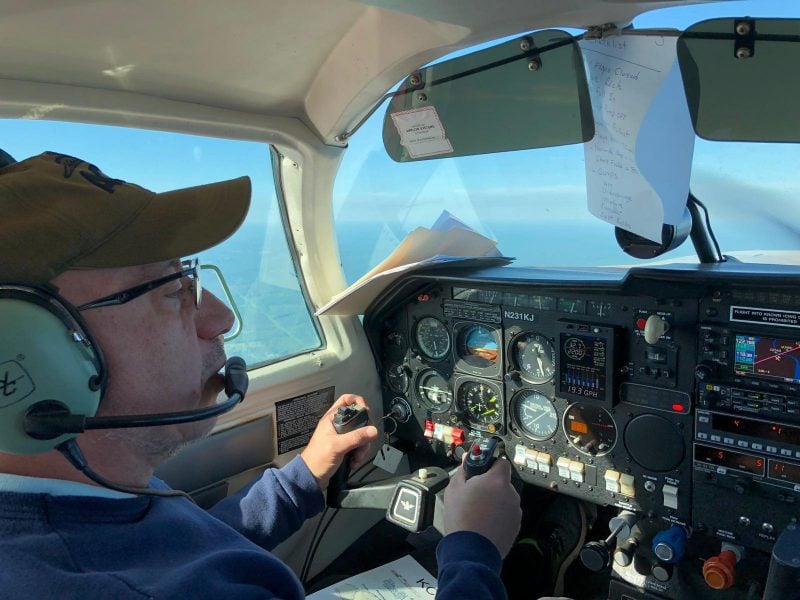
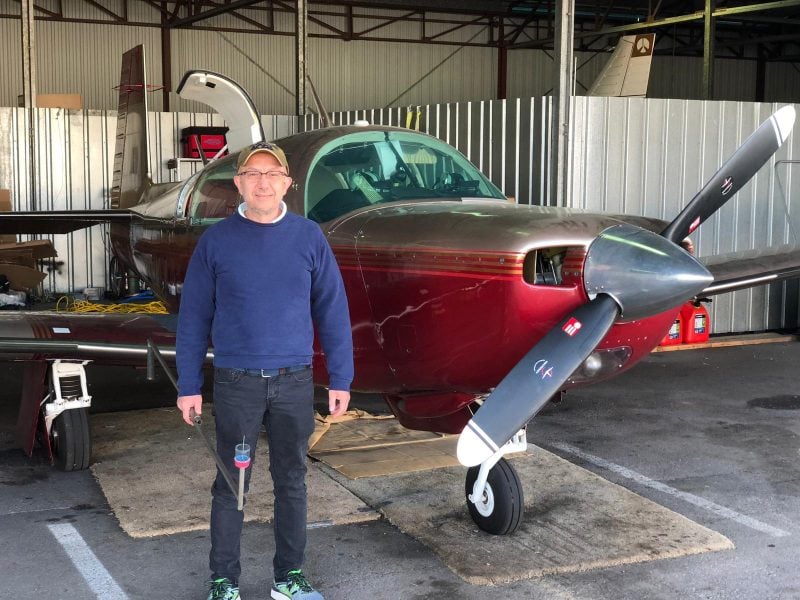
I earned my BS from Middle East Technical University, my MS from Michigan Tech and my PhD from Case Western Reserve University, all in electrical engineering. I worked for NASA in Huntsville, Alabama, the Food and Drug Administration in Rockville, Maryland, and Medtronic in Minneapolis and Tokyo, before becoming a part-time consultant to the medical device industry and a part time faculty member at Michigan Tech. I actually maintain two residences, one in Houghton, and the other in the Twin Cities. I’ve got labs in both homes. I commute weekly between the two locations with my single engine Mooney. When I am not working or flying, I’m usually busy training for my annual marathon, or cross country skiing at Tech trails.
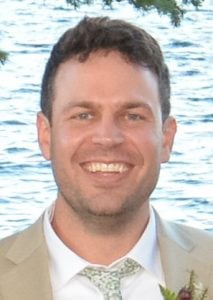
Whether I knew it or not, engineering has always been a part of me. My love for Physiology pushed me towards the world of medicine. However, during my third year of medical school, I had the pleasure of working with an orthopedic surgeon, and mechanical engineer, in Atlanta, Georgia. The experience truly opened my eyes to the realm of biomedical engineering, and sparked a fascination with the possibilities. This eventually led me back to Michigan Tech upon completion of my medical degree.
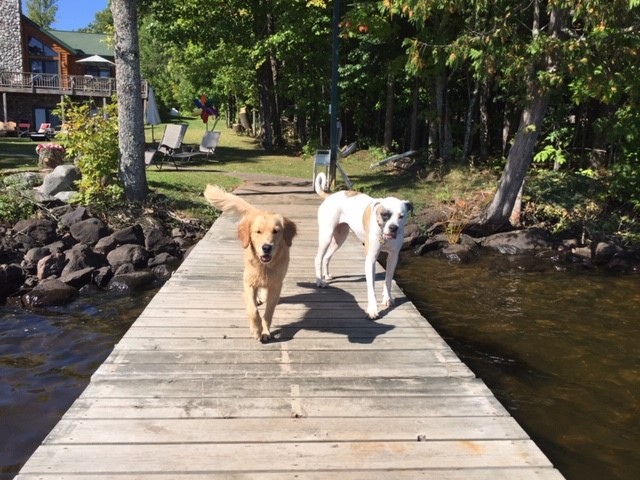
My wife, Jenn and I were both raised in the Upper Peninsula of Michigan. We now reside in the Minneapolis area. During my time at Michigan Tech we loved being able to return to the Upper Peninsula. The Keweenaw quickly became our second home, especially Copper Harbor. We spend our free time biking, nordic and downhill skiing, camping, hiking, running, and exploring the outdoors with our two dogs Kewee (short for Keweenaw) and Birch Bark.
The Graduate School announces the recipients of the Doctoral Finishing Fellowships, KCP Future Faculty/GEM Associate Fellowship, and CGS/ProQuest Distinguished Dissertation Nominees. Congratulations to all nominees and recipients.
The following are award recipients in engineering graduate programs:
Profiles of current recipients can be found online.
The Graduate School announced the recipients of the Doctoral Finishing Fellowship, Portage Health Foundation Graduate Assistantship, Matwiyoff & Hogberg Endowed Graduate Fellowship, and the DeVlieg Foundation Research Award. The Portage Health Foundation and the Graduate School have provided support to help students complete their doctoral studies and to those in health-oriented research areas.
The following are award recipients in engineering graduate programs:
Profiles of current recipients can be found online.
Michigan Tech stands together as a community to reject any actions steeped in racism, hatred and fear. These actions are repugnant to the College of Engineering. They have no place in our classrooms, labs or offices, nor in our society.
The College of Engineering believes that diversity in an inclusive environment is essential for the development of creative solutions to address the world’s challenges.
Our faculty, staff and students are fully committed to diversity and inclusiveness. There is much work to be done and we all have a part to play in order for meaningful change to occur.
More than 1,000 students in Enterprise and Senior Design showcased their hard work last Thursday, April 16 at Michigan Tech’s first-ever virtual Design Expo. Teams competed for cash awards totaling nearly $4,000. Judges included corporate representatives, community members and Michigan Tech staff and faculty.
The College of Engineering and the Pavlis Honors College are pleased to announce award winners, below. Congratulations and thanks to ALL teams for a very successful Design Expo 2020. But first, a few important items:
Design Expo Video Gallery
Be sure to check out the virtual gallery, which remains on display at mtu.edu/expo.
20th Anniversary of Design Expo
This year marked the 20th anniversary of Design Expo. Read the Michigan Tech news story here.
Special Note:
In addition to all the Michigan Tech teams, SOAR, a high school Enterprise from Dollar Bay High School in Michigan’s Upper Peninsula, also took part in this year’s virtual Design Expo. Advised by teacher Matt Zimmer, the team designs, builds, and deploys underwater remote operated vehicles (ROVs). SOAR partners with local community organizations to monitor, research, and improve the local watershed. Their clients include Isle Royale National Park, Delaware Mine, OcuGlass, and Michigan Tech’s Great Lakes Research Center. Check out the SOAR video here (SOAR is team 124).
Now, without further ado, here are the Design Expo award results!
First Place – $500
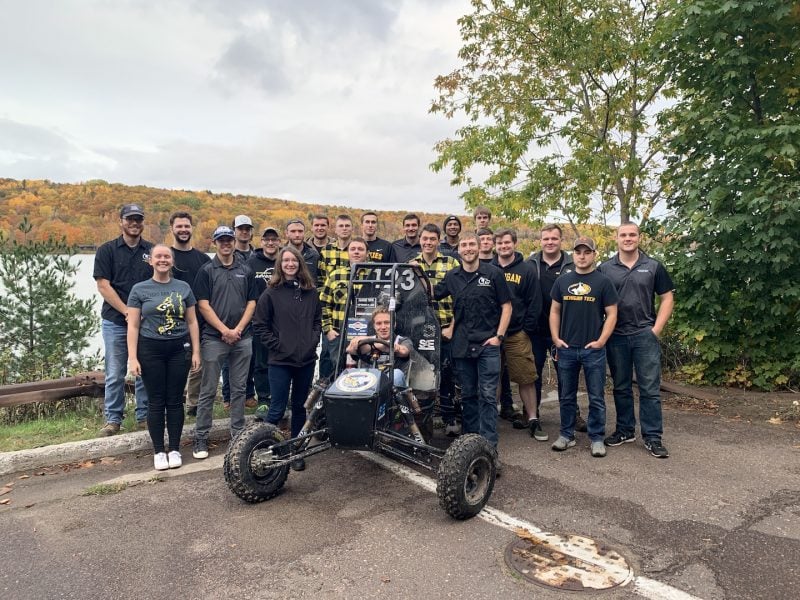
Blizzard Baja Enterprise
Team Leaders: Olivia Vargo, Mechanical Engineering, and Kurt Booms, Mechanical Engineering Technology
Advisor: Kevin Johnson, Mechanical Engineering Technology
Sponsors: General Motors, Aramco Americas, DENSO, SAE International, Magna, Fiat Chrysler Automobiles, Halla Mechatronics, Meritor, Oshkosh Corporation, Ford Motor Company, John Deere, Nexteer, IPETRONIK, FEV, Milwaukee Tool, Altair, Henkel, ArcelorMittal, TeamTECH, and Keysight Technologies
Overview: Building and innovating a single-seat, off-road vehicle for the SAE Collegiate Design Series-Baja events is the team’s focus. After passing a rigorous safety and technical inspection, they compete on acceleration, hill climb, maneuverability, suspension and endurance. The team also organizes and hosts the Winter Baja Invitational event, a long-standing university tradition dating back to 1981.
Second Place – $300
Mining INnovation Enterprise (MINE)
Team Leaders: George Johnson, Mechanical Engineering; and Breeanne Heusdens, Geological Engineering
Advisor: Paulus Van Susante, Mechanical Engineering-Engineering Mechanics
Sponsors: Cignys, Cummins, General Motors, MEEM Advisory Board, Michigan Scientific Corporation, Michigan Space Grant Consortium, Milwaukee Tool, MISUMI, NASA, Raytheon, Wayland Wildcats
Overview: MINE designs, tests, and implements mining innovation technologies—in some hard-to-reach places—for industry partners. The team is developing a gypsum process to mine water on Mars funded by a grant from NASA. Gypsum is 20 percent water by weight and is found abundantly on the surface of Mars. A geological sub-team is developing methodology for deep sea mining research. Last but not least, MINE is creating a robot for the NASA Lunabotics competition, held every year at the Kennedy Space Center with 50 university teams in attendance.
Third Place – $200 (tie)
Innovative Global Solutions (IGS)
Team Leaders: Nathan Tetzlaff, Mechanical Engineering; Marie Marche, Biomedical Engineering
Advisors: Radheshyam Tewari, Mechanical Engineering-Engineering Mechanics; and Nathan Manser, Geological and Mining Engineering and Sciences
Sponsors: Cummins, Milwaukee Tool, and Enterprise Manufacturing Initiative funded by General Motors
Overview: IGS pursues solutions for the needs of developing countries, making contributions toward solving the Grand Challenges, an initiative set forth by the National Academy of Engineering. The team has designed, built and tested an innovative vaccine container to improve the transport of viable vaccines and increase accessibility. They have developed a low-cost, multifunctional infant incubator to help decrease infant mortality rates. They are also working on an open-source-based 3D printer that can recycle plastic to meet basic community needs.
Third Place – $200 (tie)
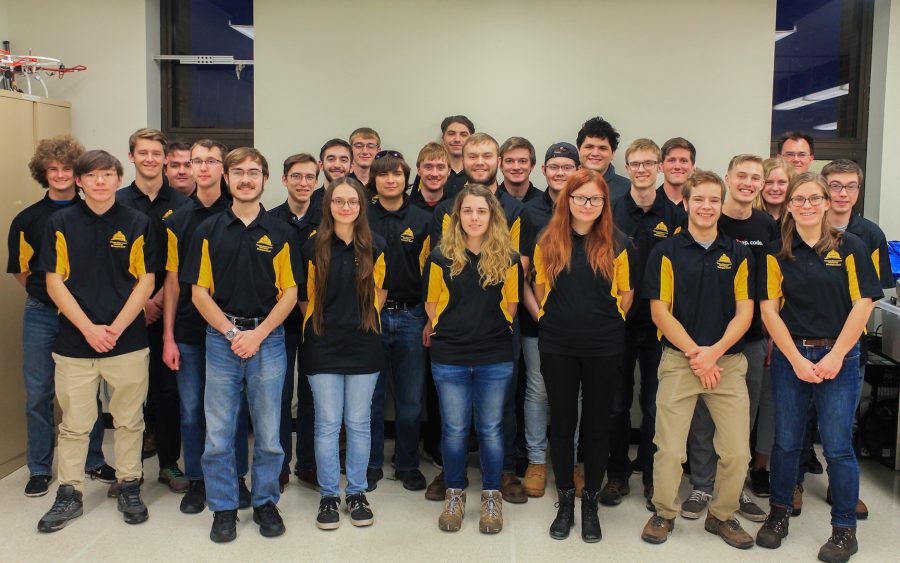
Aerospace Enterprise
Team Leaders: Troy Maust, Computer Engineering; and Matthew Sietsema, Electrical Engineering
Advisor: L. Brad King, Mechanical Engineering-Engineering Mechanics
Sponsors: Air Force Research Laboratory, NASA
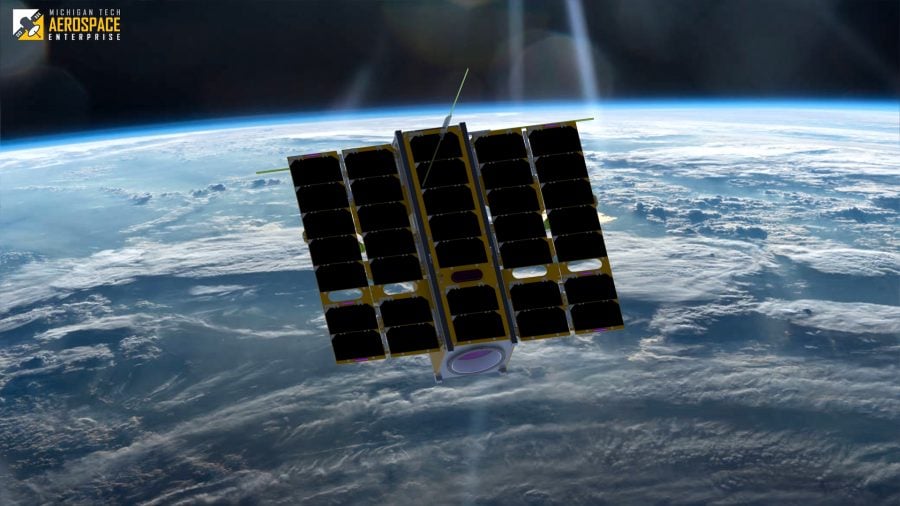
Overview: Space mission design and analysis, vehicle integration, systems engineering, and comprehensive ground-testing and qualification are all going on within the Aerospace Enterprise at any given time. All members contribute toward achieving specific project goals. The Auris mission demonstrates the technical feasibility of a CubeSat to provide situational data, in collaboration with the Air Force Research Laboratory (AFRL). The Stratus mission involves collecting atmospheric and weather data from a CubeSat in collaboration with NASA—a pathfinder toward developing new, complex space systems leveraging the low-cost and small size of CubeSats to achieve the performance of traditional, monolithic systems.
Honorable Mention – $100
Husky Game Development (HGD)
Team Leaders: Colin Arkens and Xixi Tian, Computer Science
Advisor: Scott Kuhl, Computer Science
Sponsor: Pavlis Honors College
Overview: Developing video games is the name of the game for HGD. Each year, the Enterprise breaks up into subteams of around six students who experience a full game development cycle, including ideation, design, and end product. HGD explores a wide variety of video game engines and platforms, including Windows, Android, Xbox, and an experimental Display Wall.
First Place – $400
Eddy Current Inspection In-line Integration
Team Members: Brett Hulbert, Austin Ballou, Britten Lewis, Nathan Beining, Philip Spillman and Sophie Pawloski, Mechanical Engineering
Advisor: Wayne Weaver, Mechanical Engineering- Engineering Mechanics
Sponsor: MacLean-Fogg Component Solutions-Metform
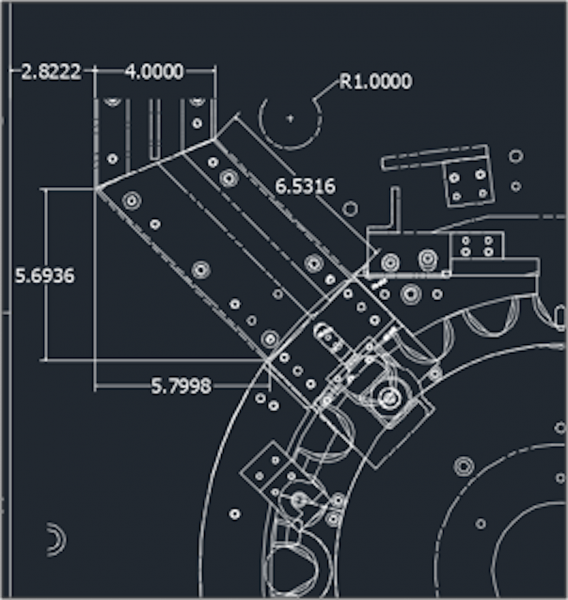
Overview: Eddy current testing (ECT) is a non-destructive method for testing metal surfaces for defects using electromagnetic induction to detect surface flaws in conductive materials. The team was tasked with developing an eddy current tester that would non-destructively test a washer for surface cracks and flaws before it is assembled with a nut. They created a testing operation that spins, tests, and ejects washers based on whether they pass or fail, all within the existing assembly cell.
Second Place – $250
Hospital Washer Auto Sampler Usage & Data Optimization
Team Members: Nick Golden and Jeremy Weaver, Biomedical Engineering; Jack Ivers, Mechanical Engineering
Advisors: Bruce Lee and Sangyoon Han, Biomedical Engineering
Sponsor: Stryker
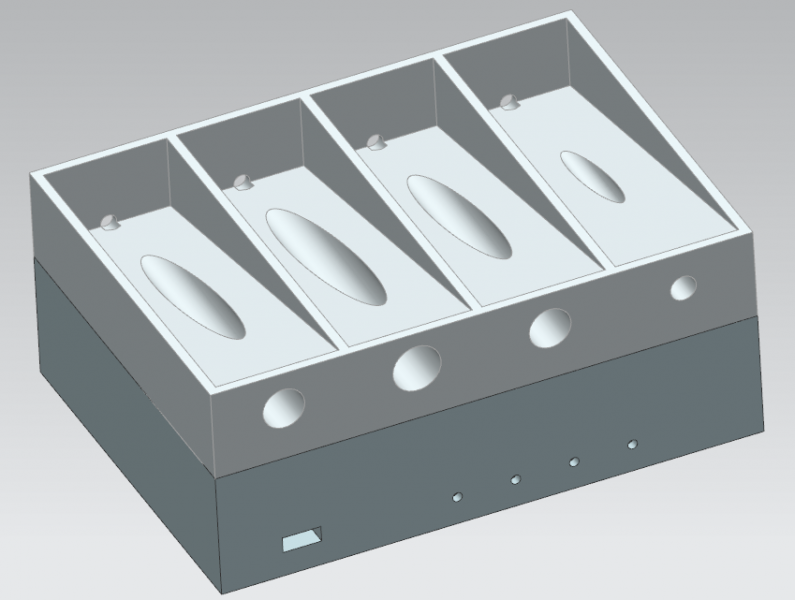
Overview: Hospitals use wash systems to clean and sterilize instruments after use. Factors of the wash environment can harm surgical instruments. To solve this problem, the team designed a device that actively senses conditions inside a hospital washer to provide information on the effects of the wash environment, allowing for wash cycle optimization.
Third Place – $150
Direct Casting with Additive Manufactured Patterns
Team Members: James Driesenga, Riley Simpson, Camden Miner, Zach Schwab, TC Swittel, and Sean Frank, Mechanical Engineering
Advisor: Bob Page, Mechanical Engineering-Engineering Mechanics
Sponsor: Mercury Marine
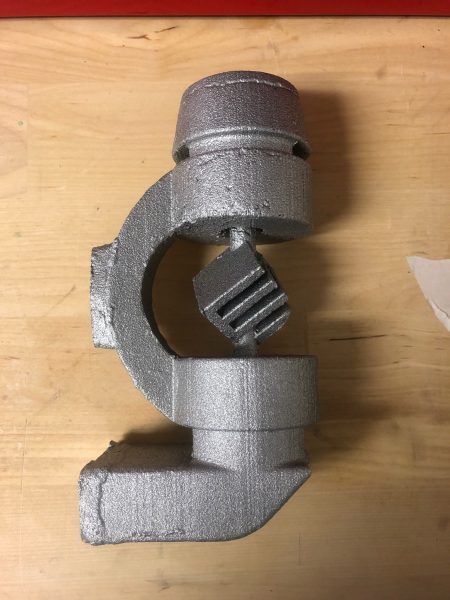
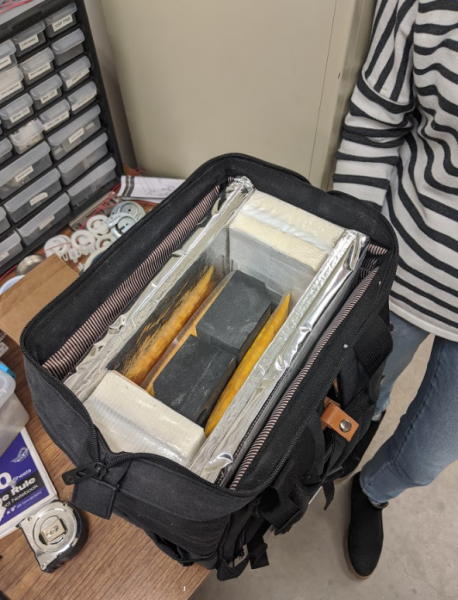
Overview: The team developed a lost-foam style casting process that uses a 3D printed pattern instead of expanded polystyrene in metal casting. The use of expanded polystyrene allows for complete part filling, but cost and time required to create a new pattern are high. The 3D printing of patterns eradicates the need for pattern tooling and significantly reduces the time required to produce a pattern.
Honorable Mention (1) – $100
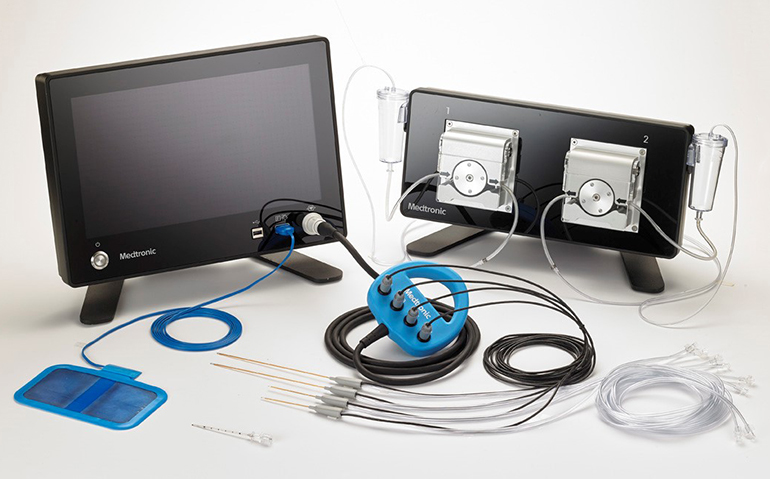
Radiofrequency Ablation Modeling and Validation of Cannula Designs
Team Members: Clare Biolchini, Matthew Colaianne, and Ellen Lindquist, Biomedical Engineering; Samuel Miller, Electrical Engineering
Advisor: Jeremy Goldman, Biomedical Engineering
Sponsor: Medtronic
Overview: Predictable lesion formation during radiofrequency (RF) ablation for pain control is a function of many factors and the subject of decades of research. Of specific interest to Medtronic is lesion formation in non-homogeneous tissues and structures. The team developed mathematical models and physical model validation for treatment scenarios, including knees and shoulders. Photo courtesy of Medtronic.
Honorable Mention (2) – $100
Airport Needs Design Challenge
Team Members: Derek Cingel, Jared Langdon, Bryce Leaf, Ruth Maki, and Douglas Pedersen, Mechanical Engineering
Advisor: Paul van Susante, Mechanical Engineering-Engineering Mechanics
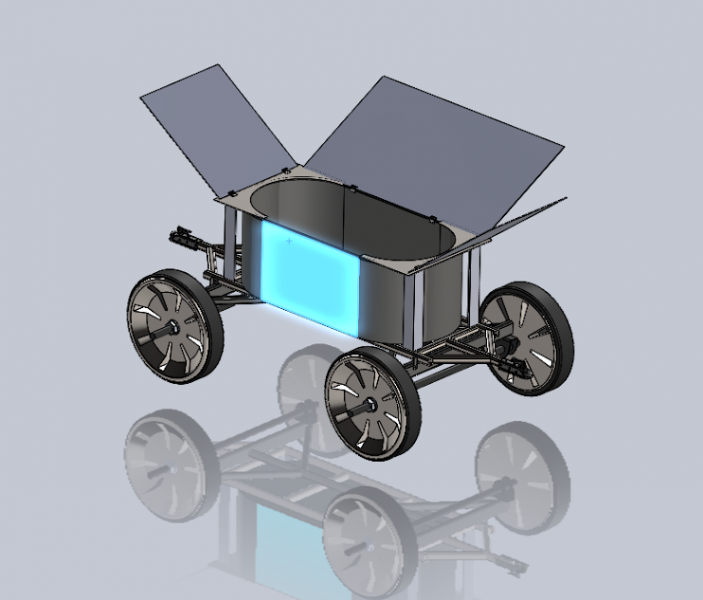
Sponsor: Airport Cooperative Research Program
Overview: To help reduce the contamination of deicing fluid in small airports, the team developed a cart specially designed to collect a significant amount of the fluid that comes from the wings. Saving and reusing deicing fluid will save money, and reduce the runoff into streams and waterways.
Honorable Mention (3) – $100
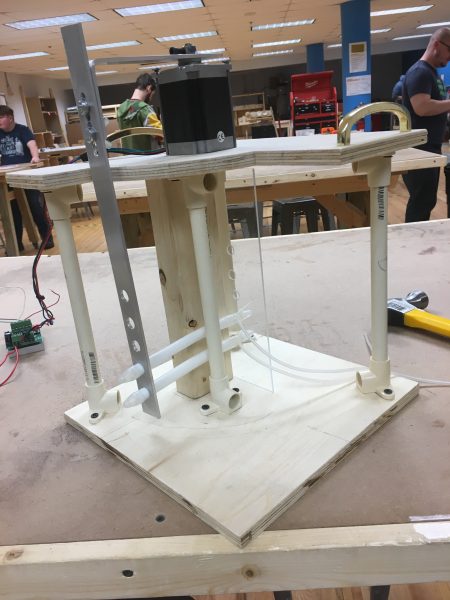
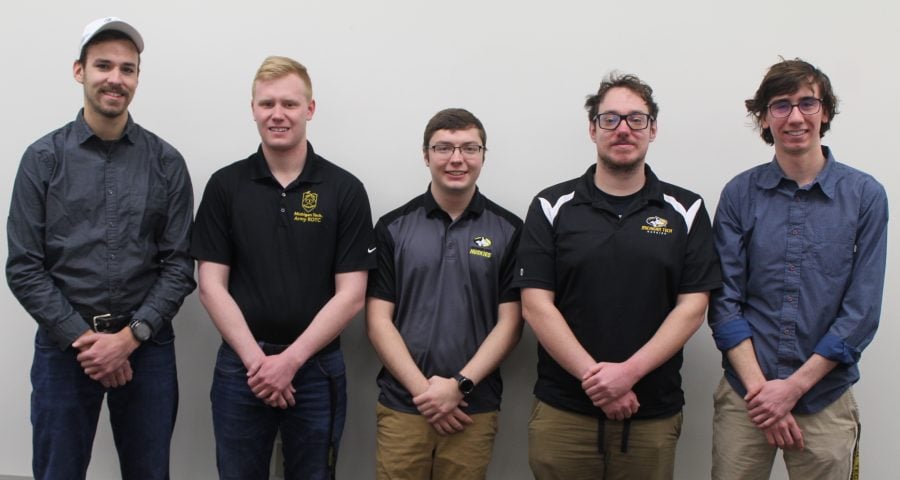
Validation Test System for Boston Scientific IPP
Team Members: McKenzie Hill, Ahmed Al Dulaim, Nathan Halanski, and Katherine Wang, Biomedical Engineering
Advisors: Orhan Soykan and Sangyoon Han, Biomedical Engineering
Sponsor: Boston Scientific
Overview: Performing analyses, simulations, and engineering calculations, the team was able to estimate and predict the movement of IPP cylinders and resulting stress/strain. They designed new test procedures to perform physical testing and fabricated a physical test system.
Honorable Mention (4) – $100
Road Marking Reflectivity Evaluator
Team Members: Brian Parvin, Mechanical Engineering; Paul Allen, Electrical Engineering; and David Brushaber, Kurtis Alessi and Alex Kirchner, Computer Engineering
Advisor: Tony Pinar, Electrical and Computer Engineering
Sponsor: SICK, Inc.
Overview: When road stripes wear off, auto accidents increase. To solve this problem, the team developed software that uses reflectivity values obtained using a SICK lidar unit. Their new software identifies deterioration of road stripes and recommends timely repainting, which will also aid in the safety and reliability of self-driving vehicles on roadways. The team constructed a prototype to demonstrate functionality–a pushable cart that evaluates road markings. An intuitive user interface displays the markings being evaluated, and indicates if they meet necessary levels of reflectivity. With their project, the team is taking part in the TiM$10K Challenge, a national innovation and design competition.
Connector and Coupling Actuator for Mobile Electrical Microgrids
Team Members: Trevor Barrett, Nathan Bondi, and Sam Krusinski, Mechanical Engineering; Travis Moon, Electrical Engineering
Advisor: Cameron Hadden, Mechanical Engineering-Engineering Mechanics
Sponsor: Center for Agile and Interconnected Microgrids
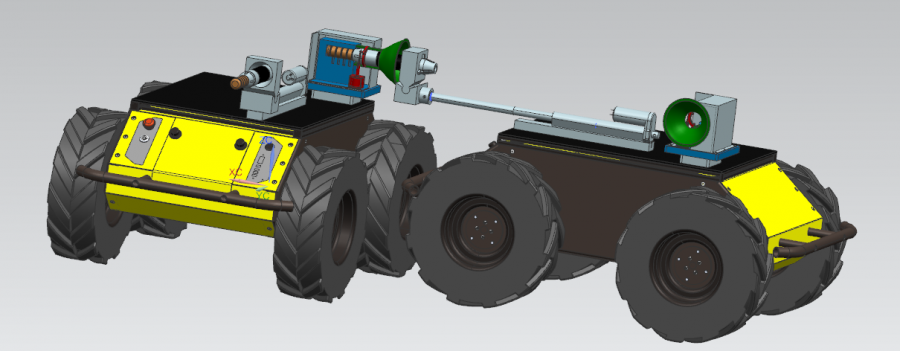
Overview: Imagine how someone living through a natural disaster like Hurricane Katrina or Hurricane Dorian must have felt—scared and helpless, with no way to call for assistance or let loved ones know they were okay. It could be days or weeks before first responders are able to restore power to the area. That is where our project comes in. Our team was tasked to design, prototype, and test a connector and coupling actuator that can establish an electrical connection between two unmanned ground vehicles that will be used to build temporary microgrids in areas that desperately need it.
First Place – $200
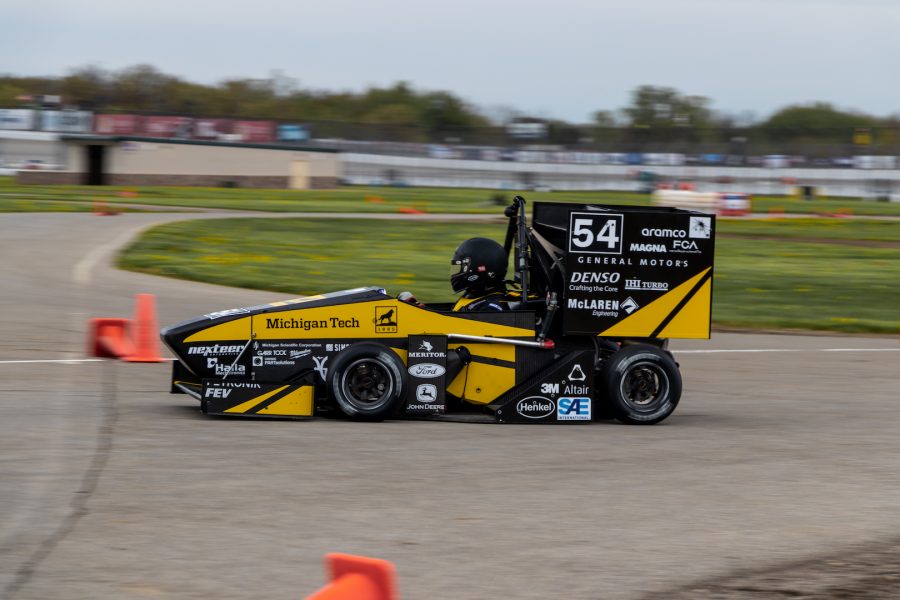
Formula SAE Enterprise
Second Place – $100
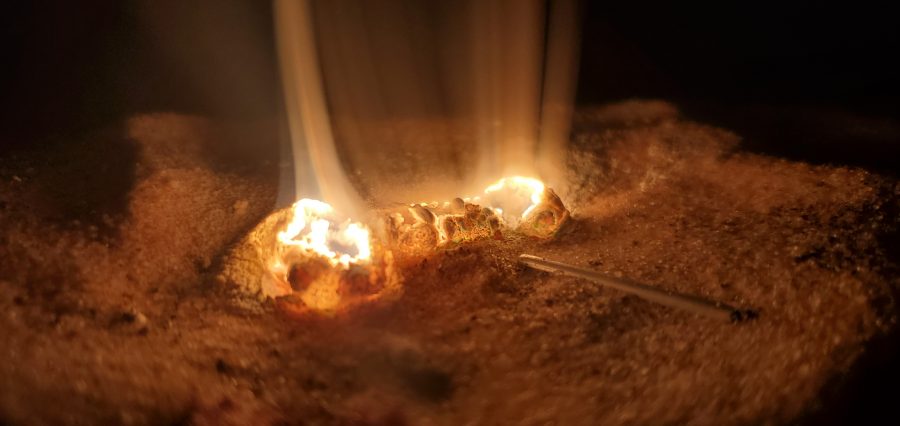
Flammability Reduction in Magnesium Alloys for Additive Manufacturing
Third Place – $50
Velovations Enterprise
First Place – $250
Increasing the Young’s Modulus of Cast Aluminum for Stiffness-Limited Applications
Team Members: Joel Komurka, Ryan Lester, Zeke Marchel, and
Wyatt Gratz, Material Science and Engineering
Advisor: Paul Sanders, Materials Science and Engineering
Sponsor: Eck Industries
Second Place – $150
Transcatheter Sign Ventricle Device (BME)
Team Members: David Atkin, Kelsey LeMay, and Gabrielle Lohrenz, Biomedical Engineering
Advisors: Smitha Rao and Jeremy Goldman, Biomedical Engineering
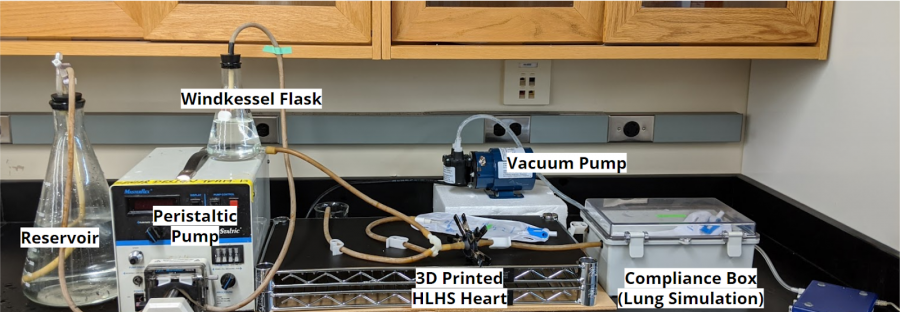
Sponsor: Spectrum Health—Helen DeVos Children’s Hospital
Third Place – $100
Innovative Global Solutions (IGS)
Team Leaders: Nathan Tetzlaff, Mechanical Engineering; Marie Marche, Biomedical Engineering
Advisors: Radheshyam Tewari, ME-EM and Nathan Manser, Geological and Mining Engineering and Sciences
Sponsor: Enterprise Manufacturing Initiative funded by General Motors, Cummins, Milwaukee Tool
Student Awards
Outstanding Leadership: Allysa Meinburg, Consumer Product Manufacturing
Rookie Award: Bryce Traver, Alternative Energy Enterprise
Innovative Solutions: Travis Wavrunek, Alternative Energy Enterprise
Industry/Sponsor Relations: Jordan Woldt, Blue Marble Security/Oshkosh Baja Suspension Team
Faculty/Staff/Sponsor Awards
Outstanding Enterprise Advisor: Dr. Tony Rogers, Consumer Product Manufacturing
Outstanding Enterprise Sponsor: Michael Bunge, Libbey Inc.
Behind the Scenes: Steven Lehmann, Biomedical Engineering
Now, be sure to check out all the awesome Enterprise and Senior Design team projects at mtu.edu/expo.
Six members of Michigan Tech’s student chapter of the National Society of Black Engineers (NSBE) Pre-College Initiative (PCI) reached a total of 1,500 students during their 8th Annual Alternative Spring Break in Detroit March 9-11, 2020. Our students spent their spring break visiting six middle and high schools in Detroit to encourage students to consider college and a STEM (Science, Technology, Engineering, Math) career.
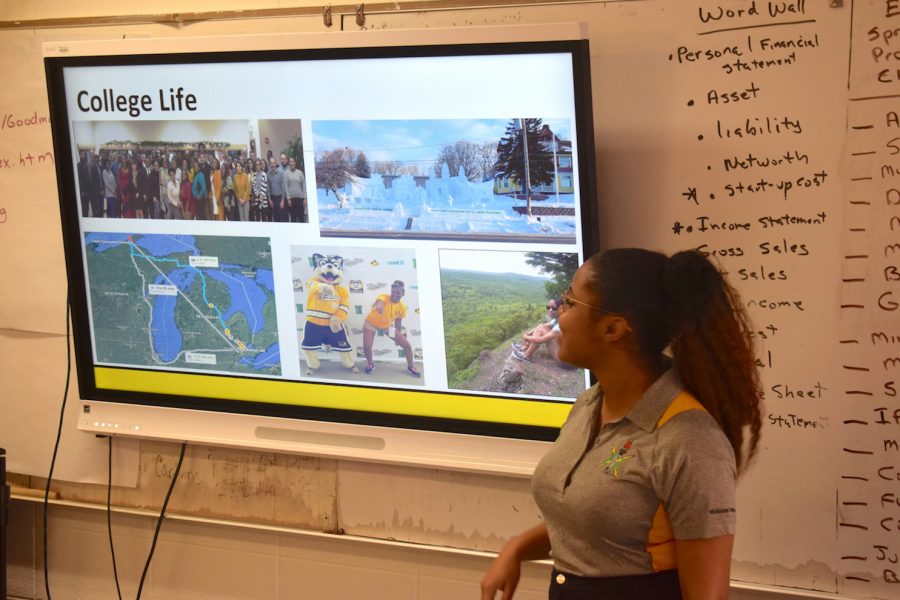
During the school day, the Michigan Tech students made classroom presentations to middle and high school students encouraging them to continue their education after high school, consider going to college or community college, and choose a STEM career path. After the school day ended, the NSBE students conducted K-8 Family Engineering events at two K-8 schools for students and their families, and at a Boys & Girls Club in Highland Park.
Participating students included:
The schools visited included:
The NSBE students made a special stop at the Fauver-Martin Boys & Girls Club on the afternoon of March 10 to put on a hands-on engineering event for 30 K-12 students from across the city. This event was organized by Mike Reed from the Detroit Zoological Society, who also invited Michael Vaughn, the first president of MTU’s NSBE student chapter in 1995.
The goal of the NSBE classroom presentations and Family Engineering events are to engage, inspire, and encourage diverse students to learn about and consider careers in engineering and science through hands-on activities and providing ‘hometown’ role models (most of the participating NSBE students are from the Detroit area). These programs are designed to address our country’s need for an increased number and greater diversity of students skilled in STEM (math, science, technology, and engineering).
This MTU NSBE chapter’s outreach effort is funded by General Motors and the Department of Civil & Environmental Engineering and coordinated by Joan Chadde, director of the Michigan Tech Center for Science & Environmental Outreach. High school students at these schools are also encouraged to apply to participate in a 5-day High School Summer STEM Internship at Michigan Tech from July 13-17, 2020 that is specifically targeting underrepresented students. Each participating student will be supported by a $700 scholarship. The Detroit high school students are also informed of scholarships available to attend MTU’s Summer Youth Programs.
For more information about the MTU-NSBE student chapter’s Alternative Spring Break, contact NSBE student chapter President, Bryce Stallworth or Chadde.
By Joan Chadde.
“Tenacious problem solving and critical thinking skills distinguish our alumni,” says Janet Callahan, Dean of the College of Engineering at Michigan Tech.
“And yes, there must be something about the relentless snow in Houghton that contributes to tenacity,” adds Callahan. “Like tea steeping in hot water, our alumni were soaked in snow, emerging with the flavor of tenacity.”
QUICK FACTS:
Check out all the Michigan Tech Facts and Figures here.
Have some alumni facts to share? Reach out to us at engineering@mtu.edu.