To get access to Modern Campus CMS and receive training, the site’s web liaison should fill out the Modern Campus CMS Access Request Form.
For additional help, please email webmaster@mtu.edu.

To get access to Modern Campus CMS and receive training, the site’s web liaison should fill out the Modern Campus CMS Access Request Form.
For additional help, please email webmaster@mtu.edu.
Use these snippets to insert the base code for a table that includes the correct code for accessible table headers and the heading row styling. Different options for the headings are available based on the layout you need. The table title can be turned off, the auto striped styling can be changed, rows and columns can be added, and a footer can be added.
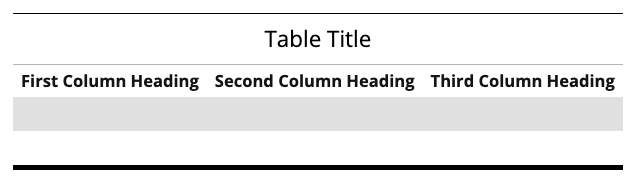
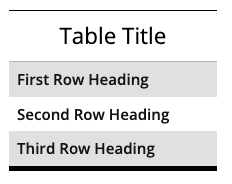
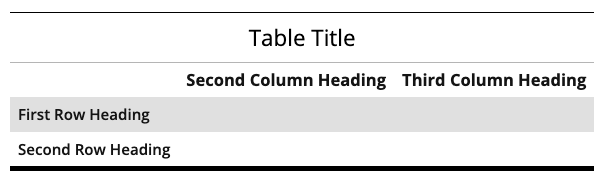
When pointing webpage visitors to content further down a webpage or to a specific portion of content within a webpage, traditional anchor links remain the preferred solution. While modern browsers sometimes generate special “text highlight” links that automatically scroll to and highlight specific wording on a page, these links should generally not be used within Michigan Tech websites.
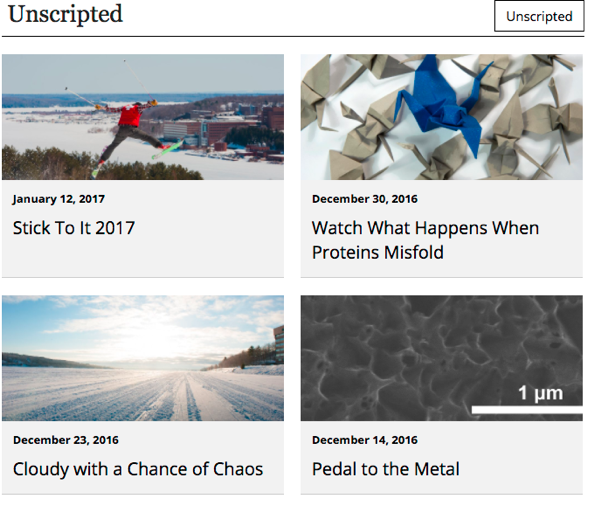
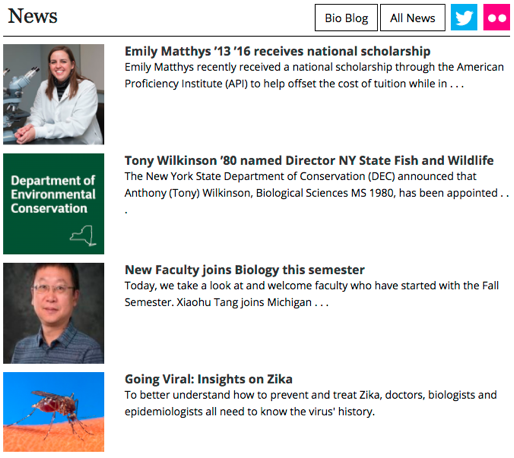
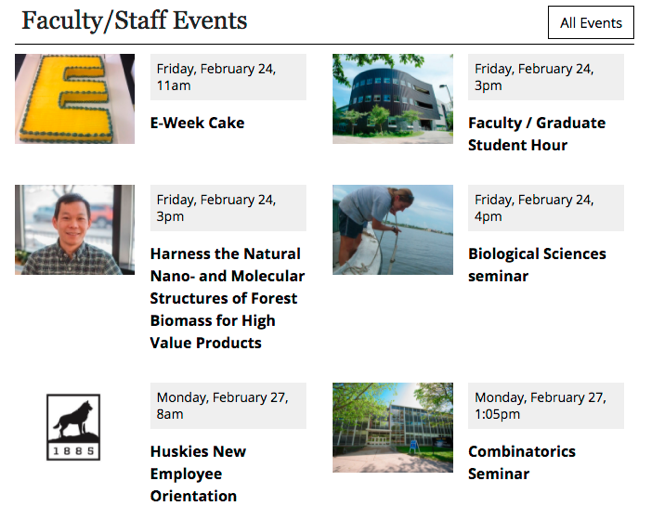
Use this snippet to display a feed of news, blog posts, or events on your page. You can combine multiple feeds. This snippet includes a styled heading and the option for buttons or social media links in the heading.
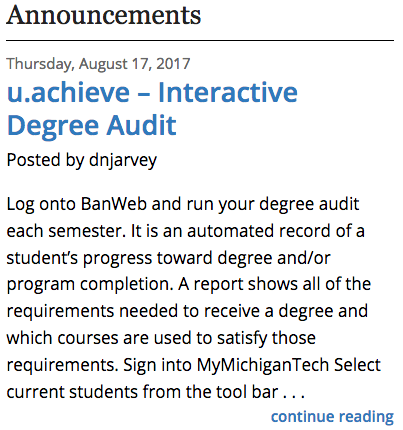
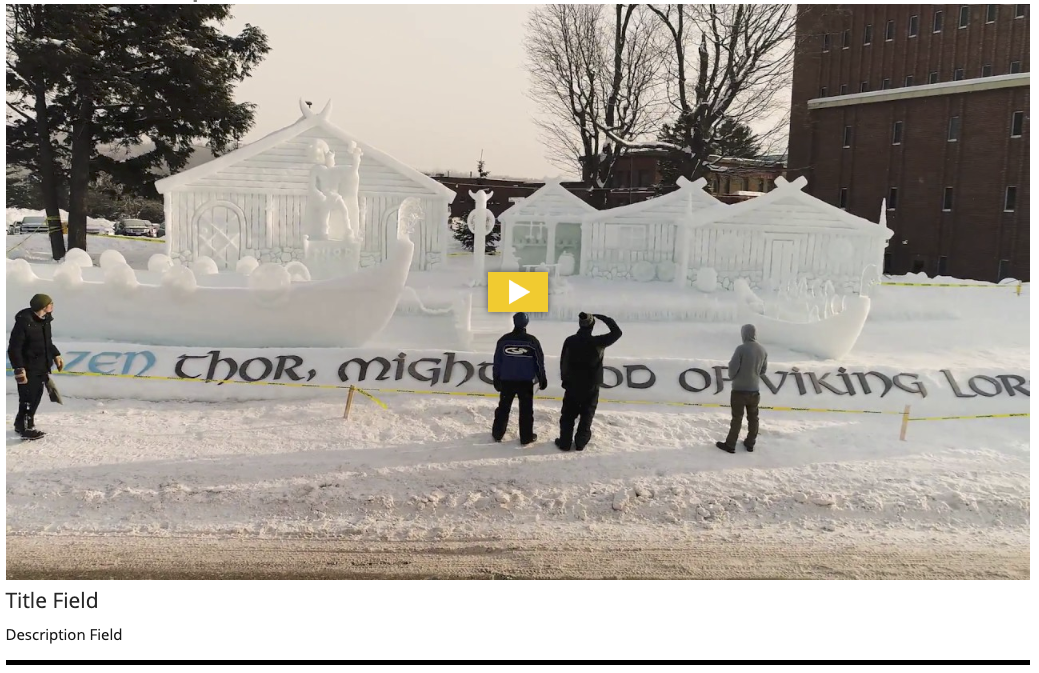
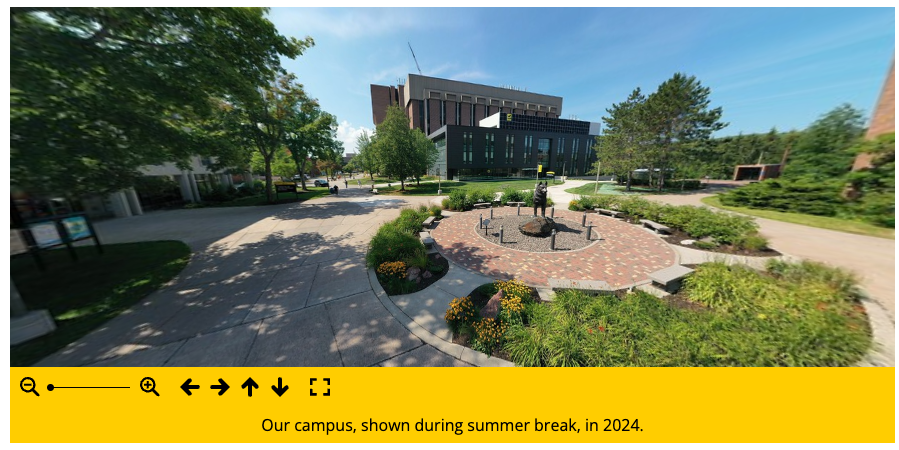
This snippet creates an embedded video or 360 image in your page’s main content area, additional content area, or right sidebar. To include a video at the very top of the page (known as the mediazone or hero area), follow the instructions for MultiEdit Content.
The size of the video/image will automatically adjust based on the location you insert it. A title and description can be included beneath it. Including a timestamp in the YouTube URL will start the video at that point.
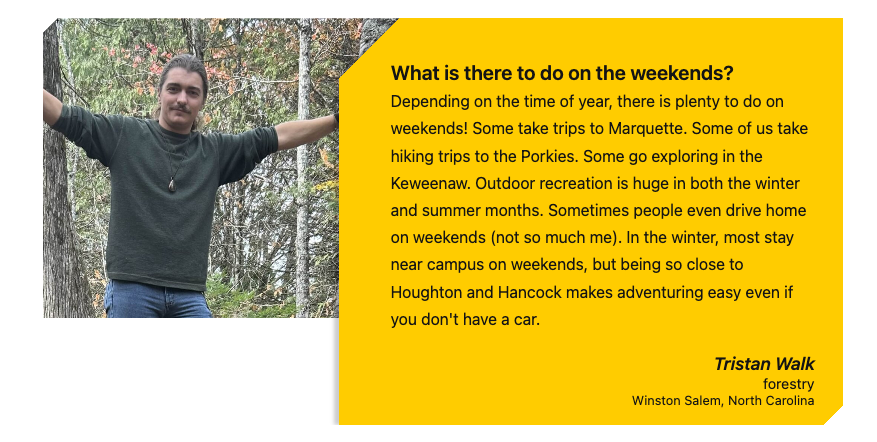
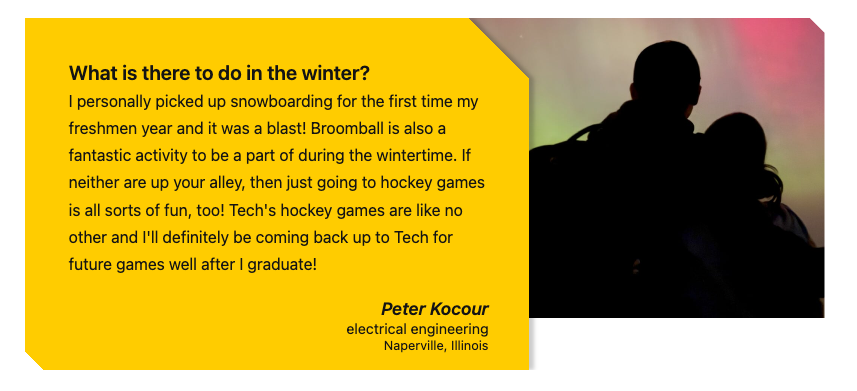
This snippet allows you to create a styled testimonial quote with a photo. The photo can go on the right or the left of the gold box.
When considering using stock photography in your marketing projects, lean into the authenticity that helps shape Michigan Tech’s brand. The UMC Studio Team has put together a guide for when to use (and not use) stock photography.
When choosing to use stock photography for marketing projects (e.g., blogs, emails, print, PDFs, social media, websites), it is the department’s responsibility to take a few additional steps to ensure images are used appropriately and documented properly. These best practices help protect the university, support long-term content management, and make it easier to address questions about image usage in the future.
At Michigan Tech, our strongest visual asset is our people. Our students, faculty, researchers, and campus environments tell a story that no stock image can fully replicate. While stock photography can be a helpful tool, it should never replace authentic visuals when real, relevant Michigan Tech imagery is available.
This guide is meant to help you decide when stock images make sense, how to choose them well, and why authenticity matters so much to our brand.
This snippet creates a row with either a solid color, image, transparent, or “opposite” color background. Content over the image is optional. The text has a predetermined color that meets contrast requirements for accessibility. All content in the Additional Content Region must be in a Row with Background snippet and the snippet can also be used in the Main Content Region.

With our CMS vendor’s upcoming retirement of the Form Assets in 2026, the Digital Strategy and Services team recommends switching to Google Forms, as they are easy to use and widely recognized. While UMC does not directly support the Google suite of products on campus, we want to provide some best practices for implementing their use on your CMS website.
This snippet creates a deck of YouTube videos that the user can scroll through, select, and play. You can use an existing YouTube playlist or multiple individual videos.
