Tag: Michigan Tech

Trains in the Copper Country

Who remembers when the Soo Line used to roll through the Copper Country?
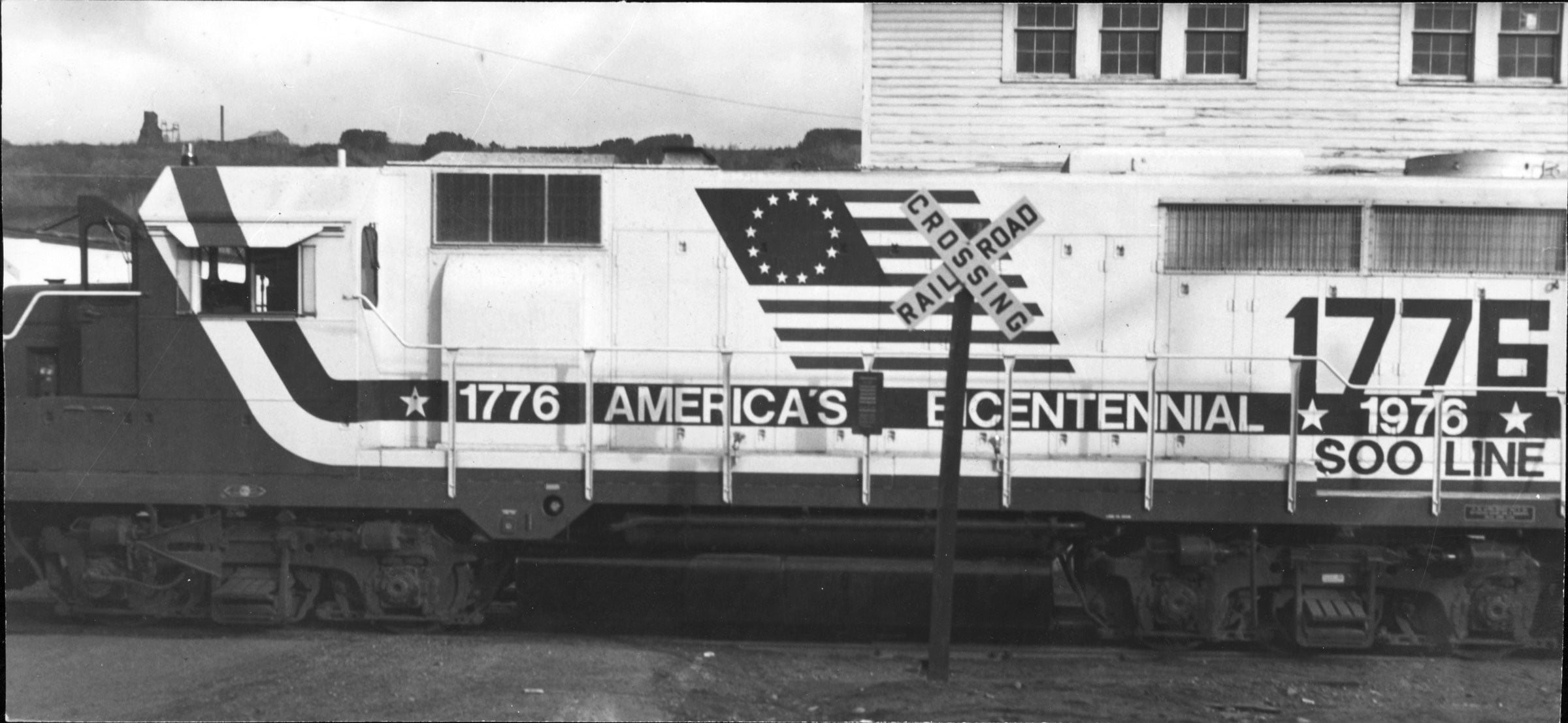
This great image of the big locomotive for the Soo is on its way out of Calumet down to Lake Linden in November 1975. The locomotive itself was dedicated in September of that year and was put immediately into service, moving about all the facets of the Soo track ownership. On this particular Houghton County visit it was manned by Engineer George Hokenson, Brakeman Tom LeGault, Fireman Ken Stenson, Conductor Fancis Beaudry, and Brakeman Wilbert Kuopus.

If you have any fond memories of the Soo Line, or any other trains from the Copper Country, let us know in the comments! 
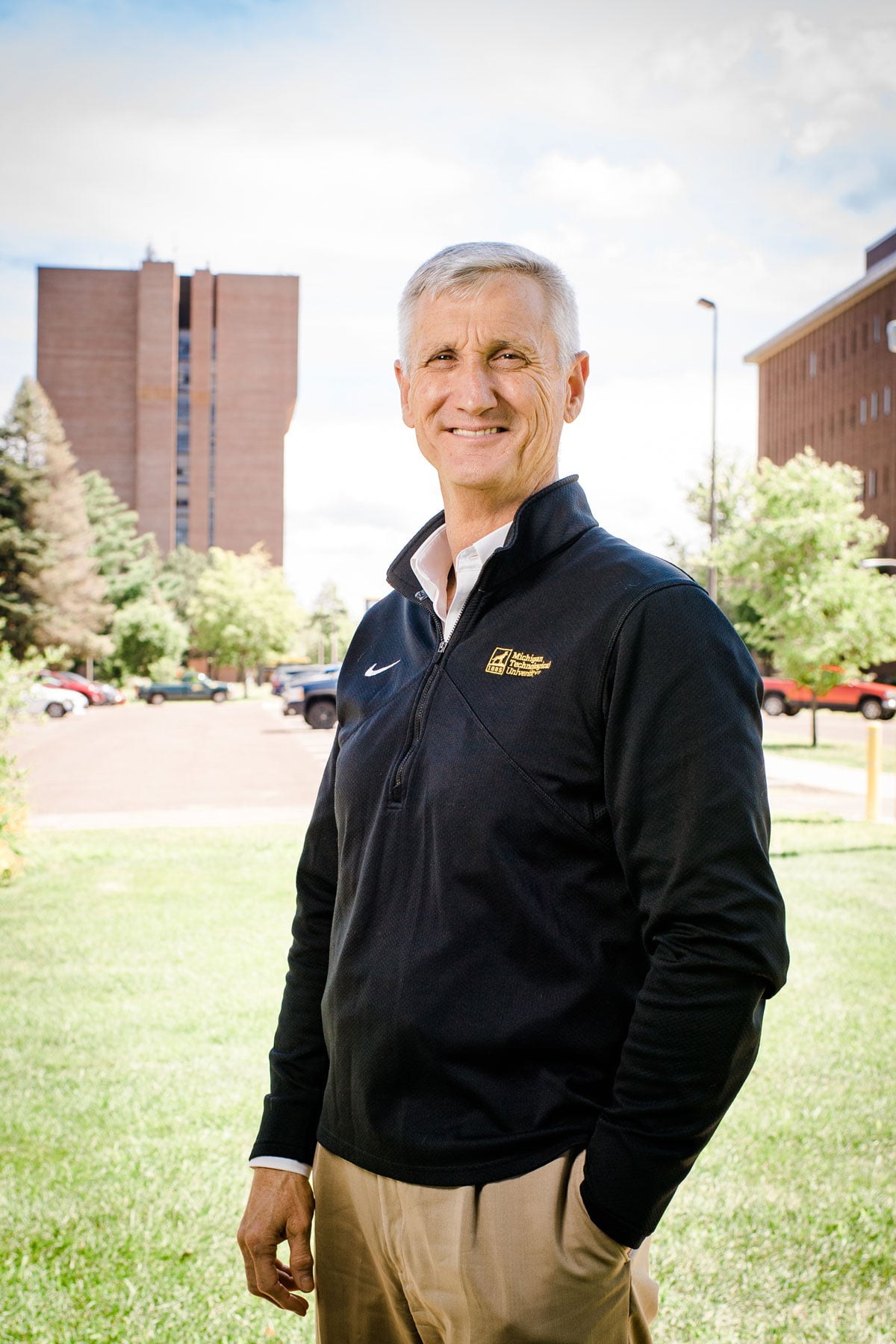
President’s Corner — November 2026

It’s a fine time to be a Michigan Tech Husky. We celebrated the success of a $350 million capital campaign and the Chang K. Park Center for Student Wellness groundbreaking in early October. Our hockey season is off to a great start. The football team took home the Miner’s Cup for the 16th time in a row. And, the autumn colors finally peaked a couple weeks ago across the Keweenaw, thanks to an unseasonably warm fall.

As the seasons shift, we are continually grateful for those whose steadfast support advances Michigan Tech’s mission. Thanks to our donors, Michigan Tech established 97 new endowed scholarships and fellowships. More than a quarter of our students (26.7 percent) now receive donor-funded financial aid and Michigan Tech’s Blue Key National Honor Society, the Outdoor Adventure Program and the Mont Ripley ski hill each received significant endowments. During the campaign, 11 new endowed faculty and chair positions were created. The University received significant support for research facilities, including a $5 million gift from The Herbert H. and Grace A. Dow Foundation. Finally, several capital improvements are either finished or currently under construction across campus, including the Chang K. Park Center for Student Wellness and the Alumni Gateway Arch.

These gifts are a testament to the unwavering commitment of our donors to enhance the student experience at Michigan Tech. During this season of thanksgiving, we express our gratitude to you for all you do. Thank you. 

Sincerely, 

Rick Koubek 

President

President’s Corner — September 2026

Greetings: 

It has been an exciting start to the fall semester at Michigan Tech. In addition to classes starting last week for over 7,000 students, we had the opportunity to welcome US Department of Energy Assistant Secretary Audrey Robertson and US Senator Elissa Slotkin to campus.

Assistant Secretary Robertson was here to learn more about the University’s mining engineering program and our unique history in helping to shape America’s mining industry. Michigan Tech has educated nationally and internationally recognized mining engineers and, at one point in our history, graduated 40 percent of the industry’s mining engineering workforce.

The following day, Michigan Tech hosted U.S. Senator Slotkin for a tour of our research facilities, meetings with faculty, and a student meet and greet. Suffice to say, I could not have been more proud of our students, faculty, and community. They did an excellent job representing Michigan Tech and showcasing our unique talents.

Speaking of talent, this fall’s Career Fair on September 29 will feature the largest industry turnout in University history, with more than 415 booths and nearly 400 participating organizations, representing an extraordinary breadth of opportunity for Huskies across disciplines. 

Demand for Michigan Tech talent remains at record levels. More than 70 percent of Career Fair recruiters are seeking Civil, Environmental, and Geospatial Engineering majors, more than 60 percent are recruiting students from Mechanical and Aerospace Engineering, Electrical and Computer Engineering, and Applied Computing, and more than half are engaging with the College of Business. Nearly 57 percent are hiring for roles in Michigan, and one in four is new to recruiting at MTU. We expect to welcome more than 1,000 recruiters on campus—many of them proud alumni returning to invest in the next generation of Huskies.

Thanks for partnering with us and thanks for your continued support of Michigan Tech. 

Sincerely, 

Rick Koubek 

President 

Alumni Reunion 2025: Honored Class Year Slideshow

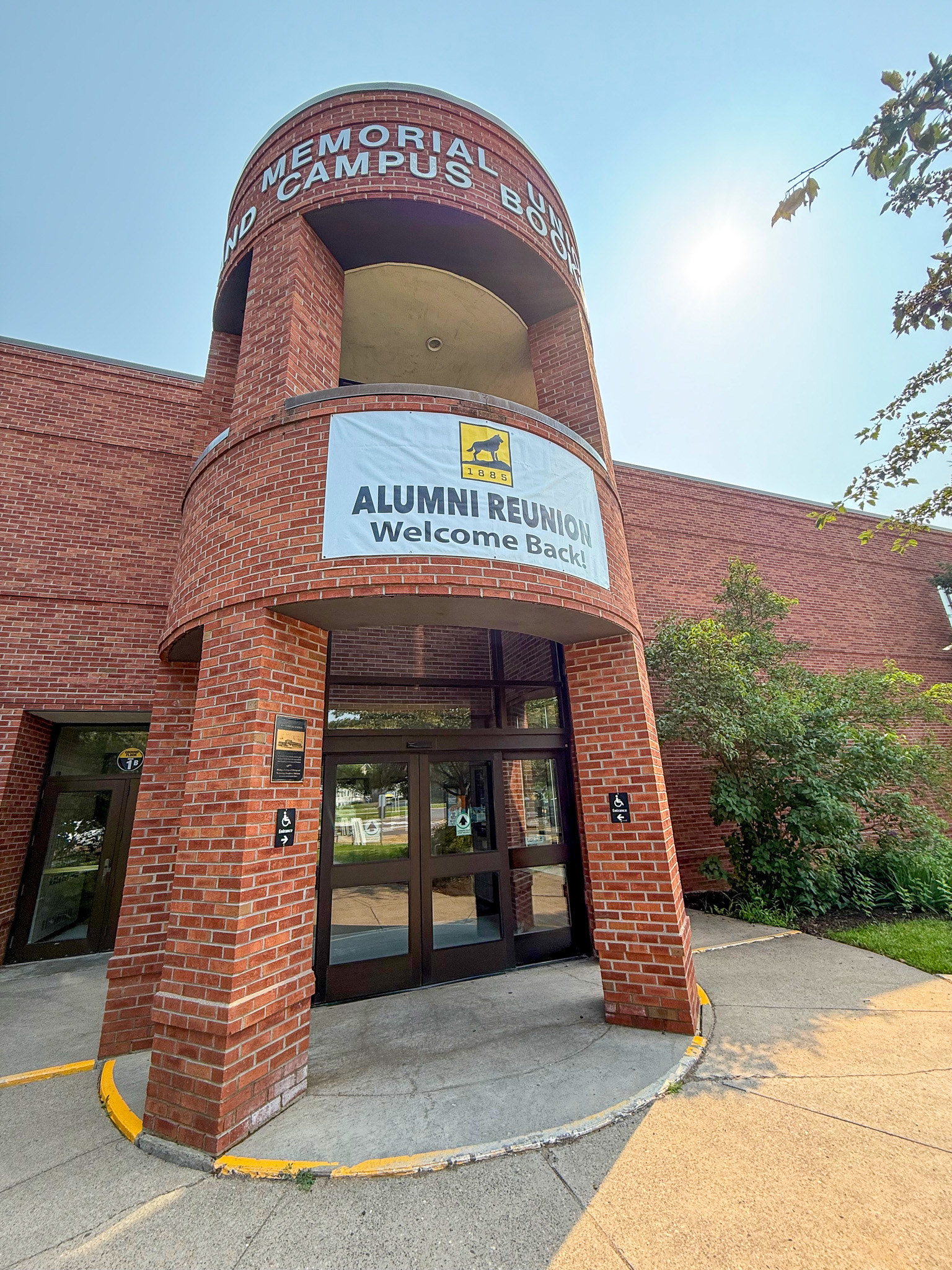
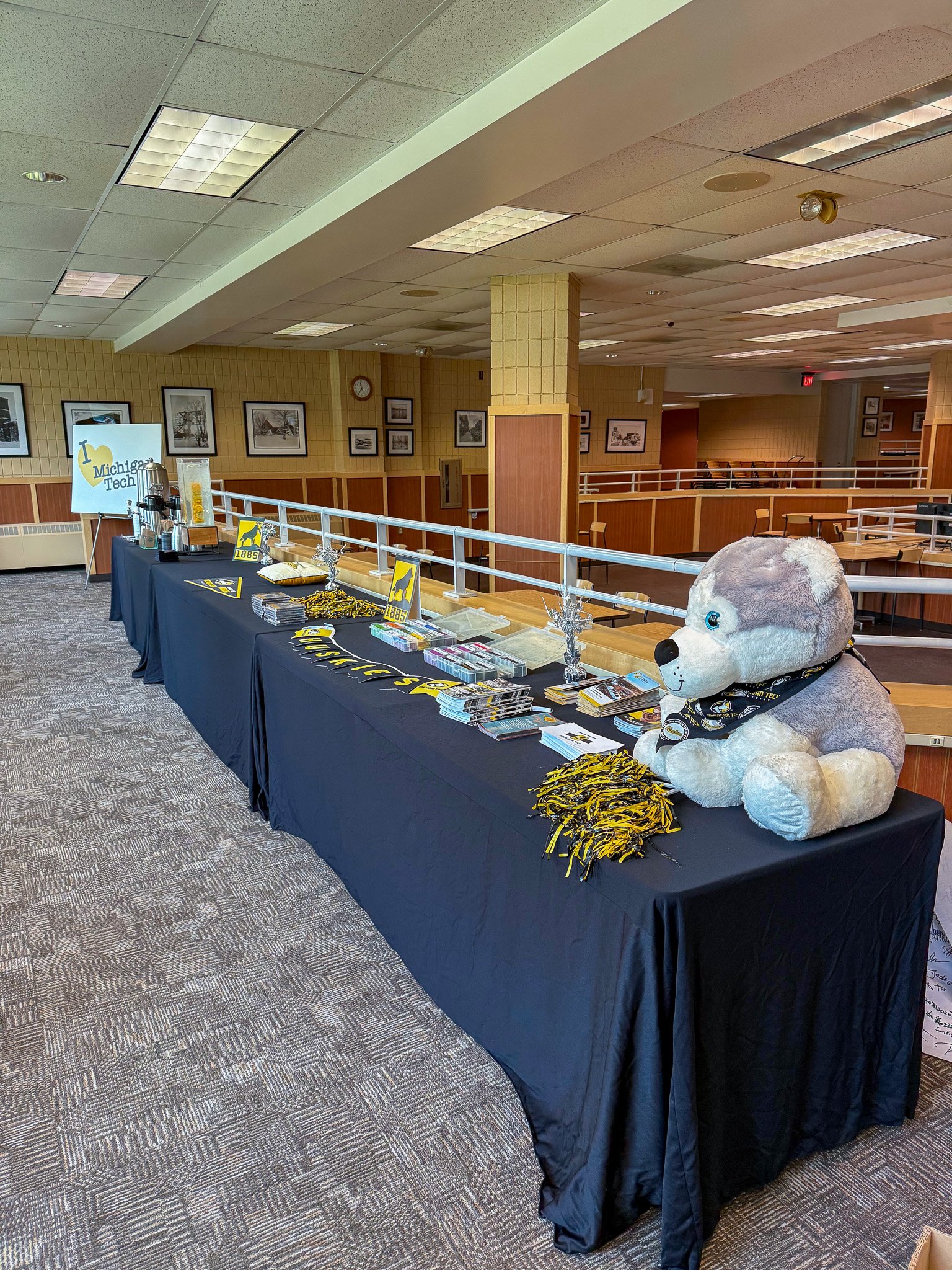
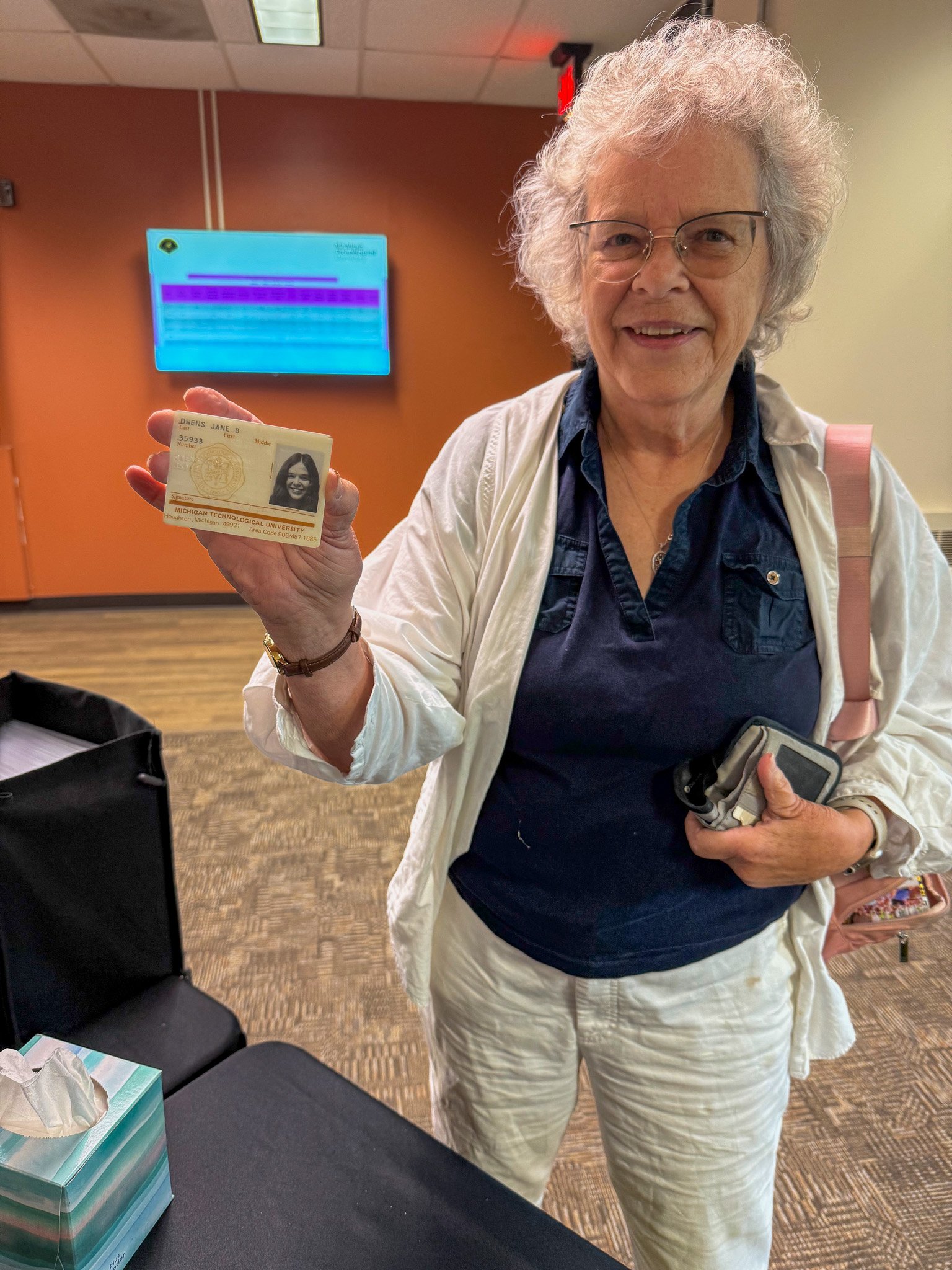
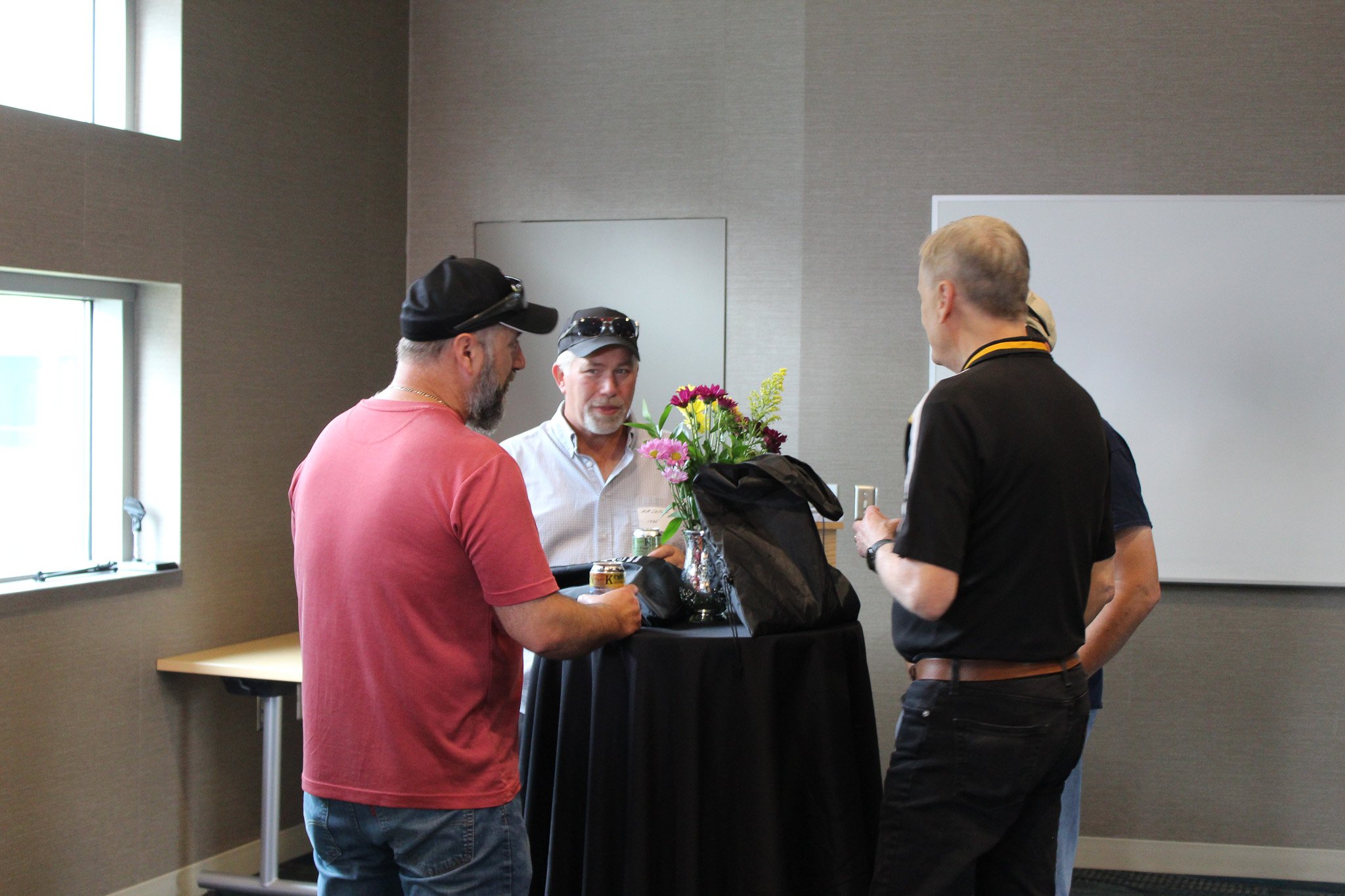
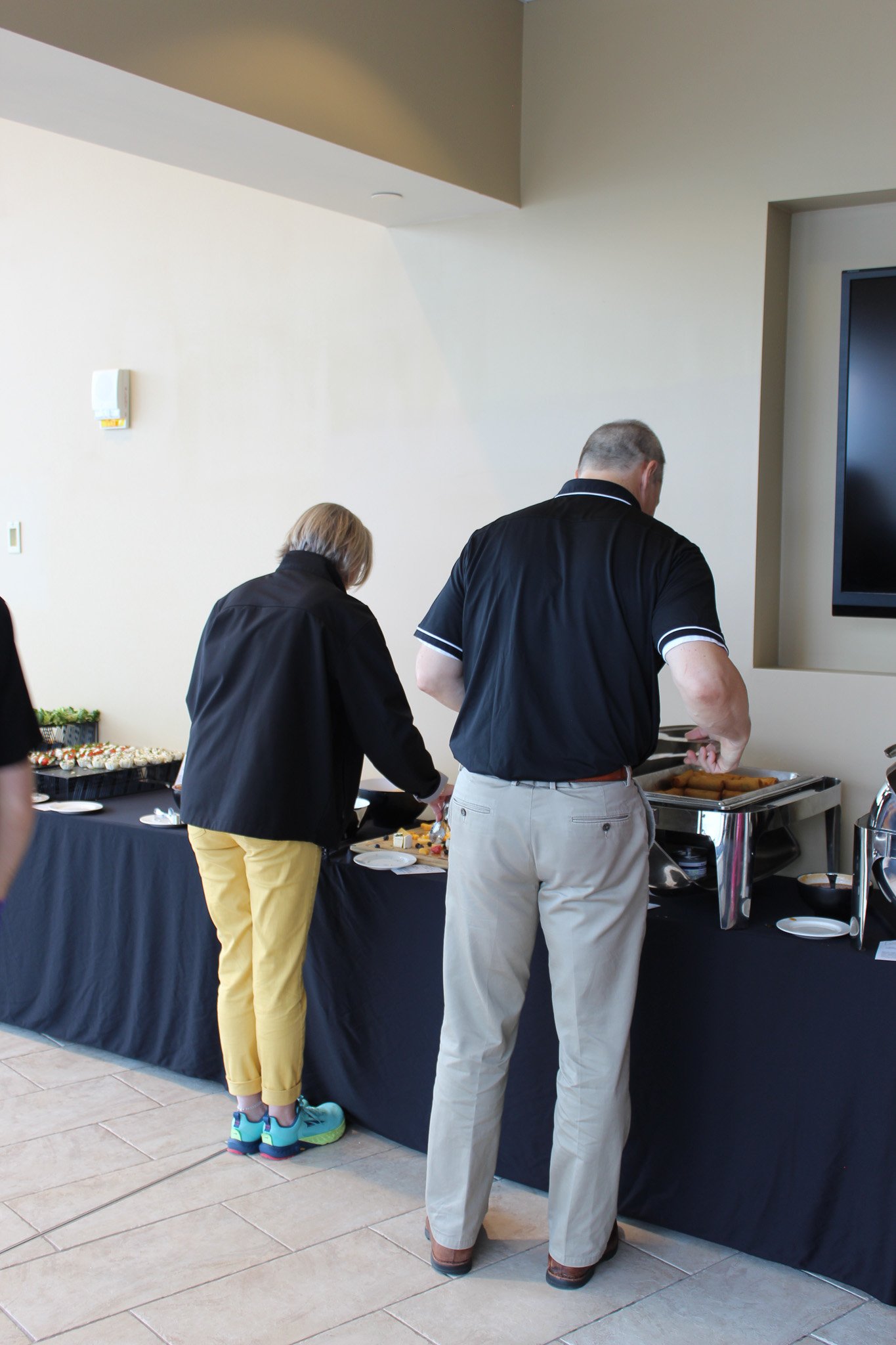
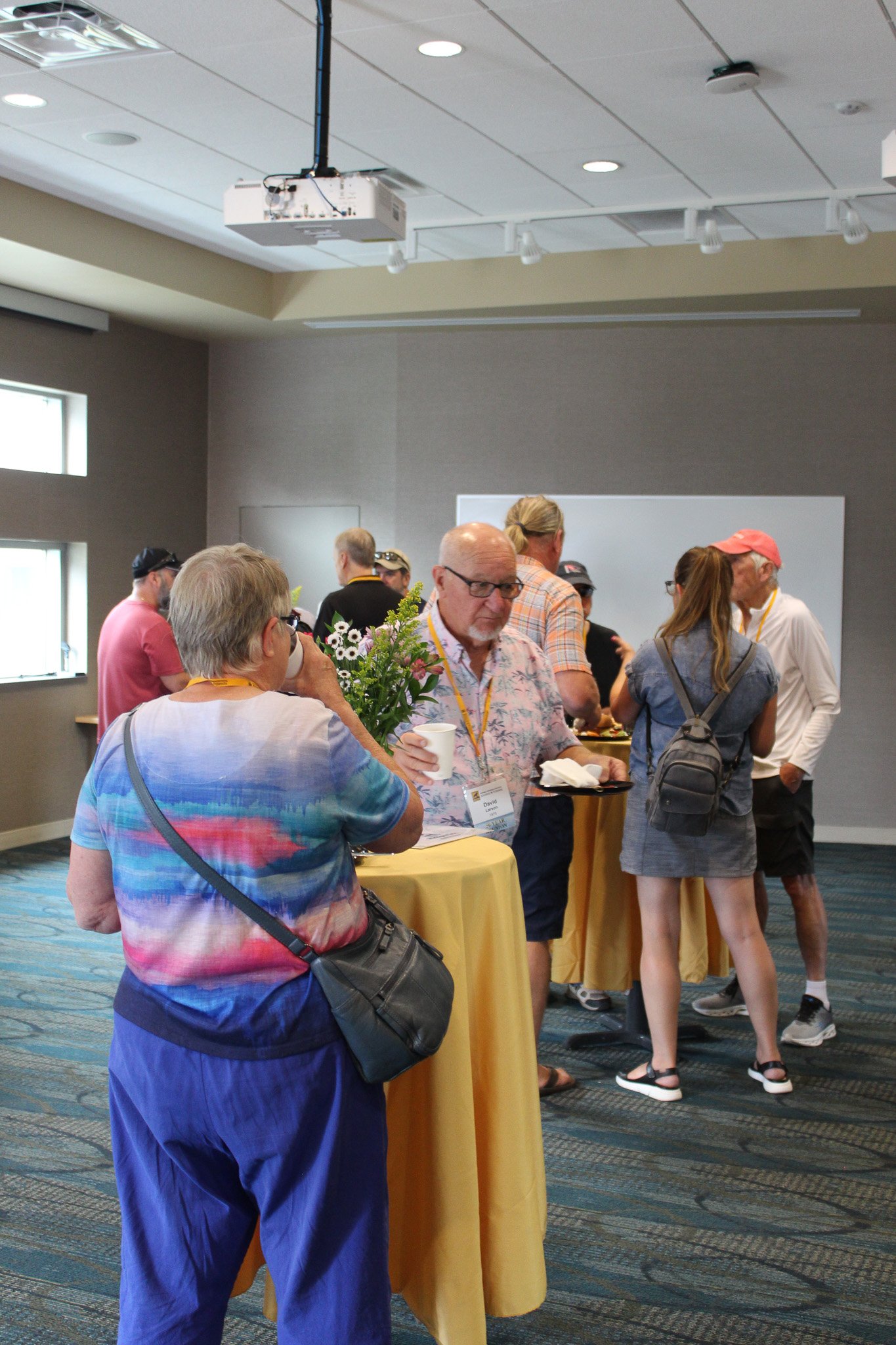
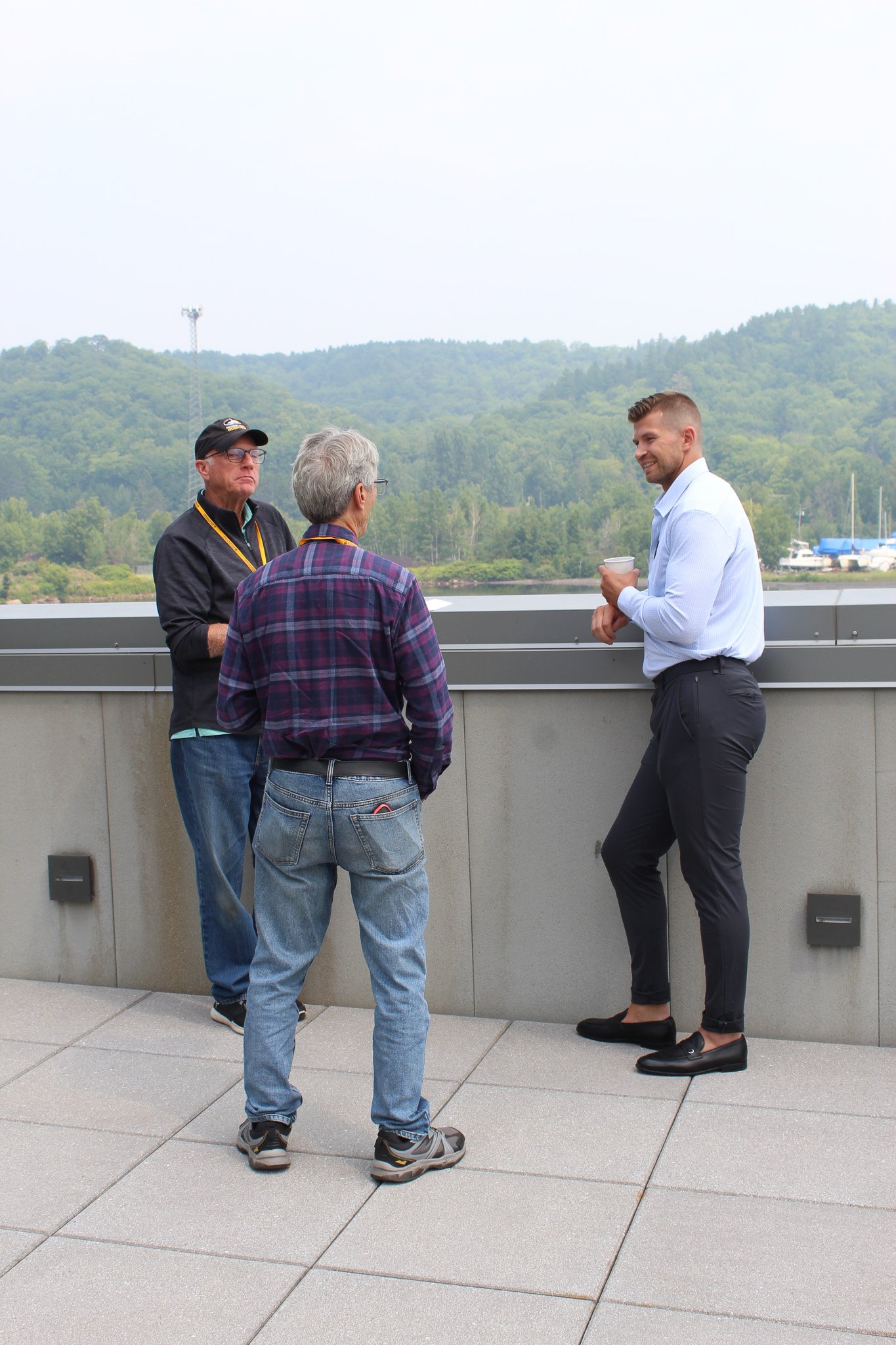
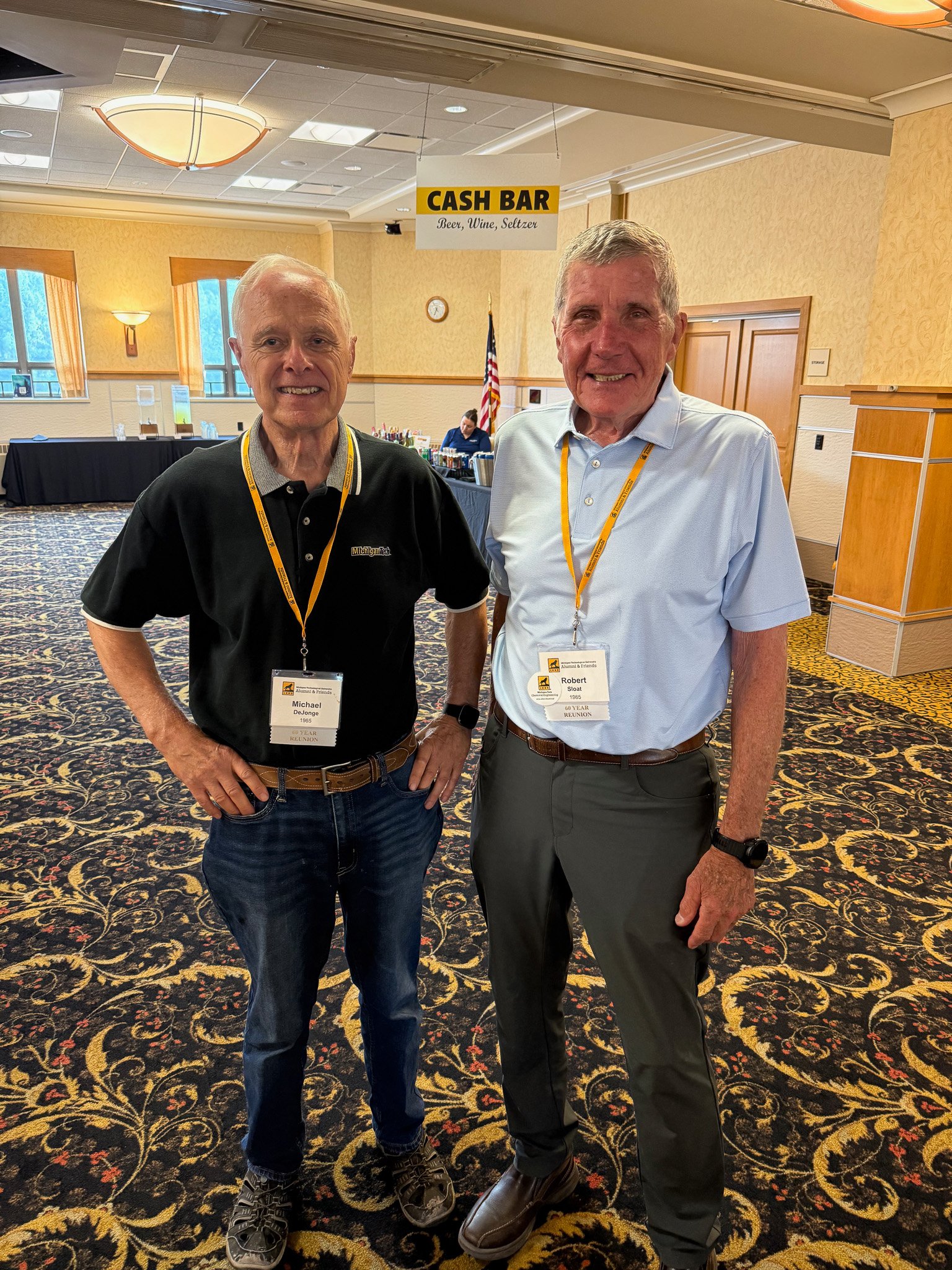
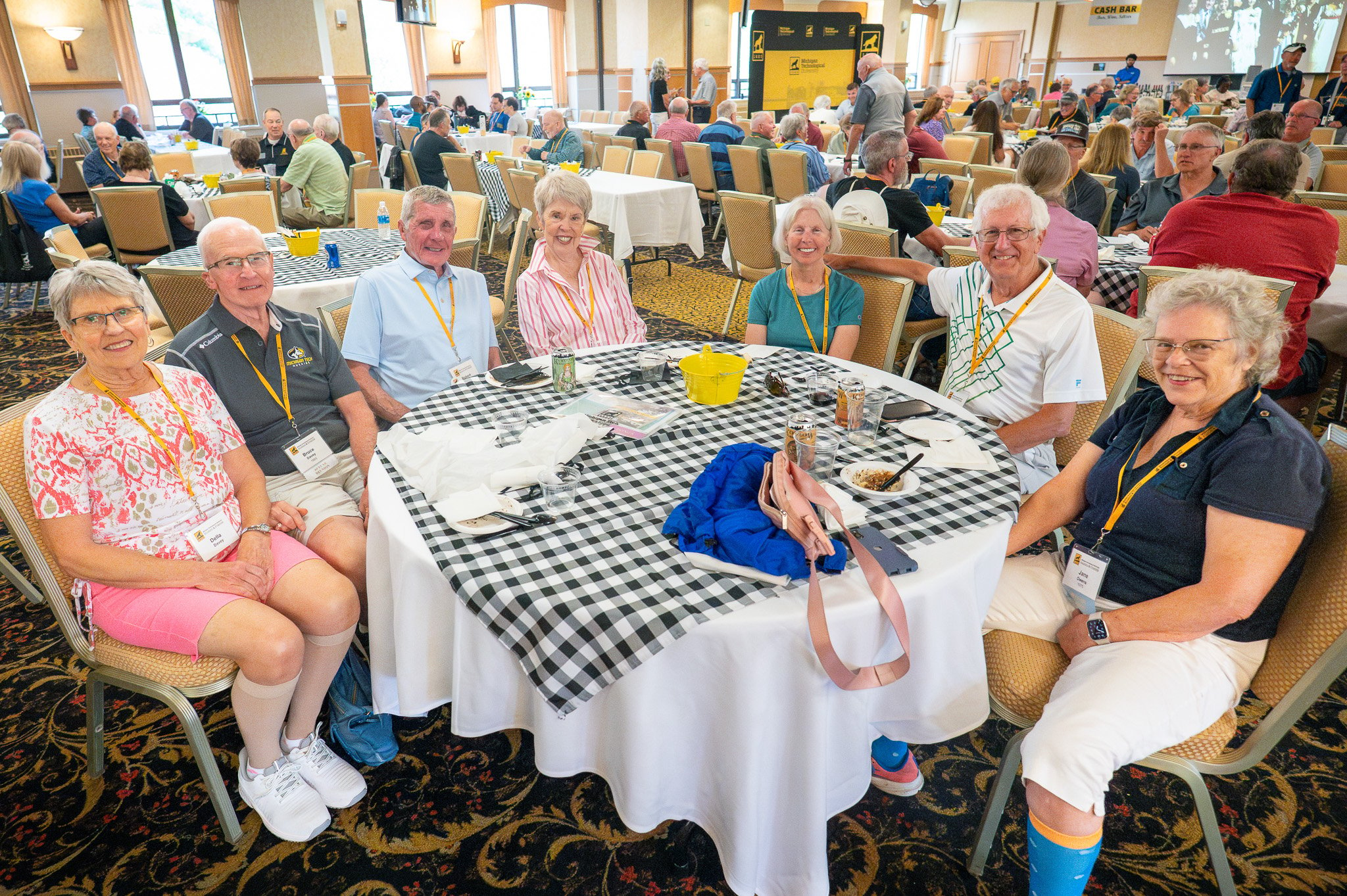
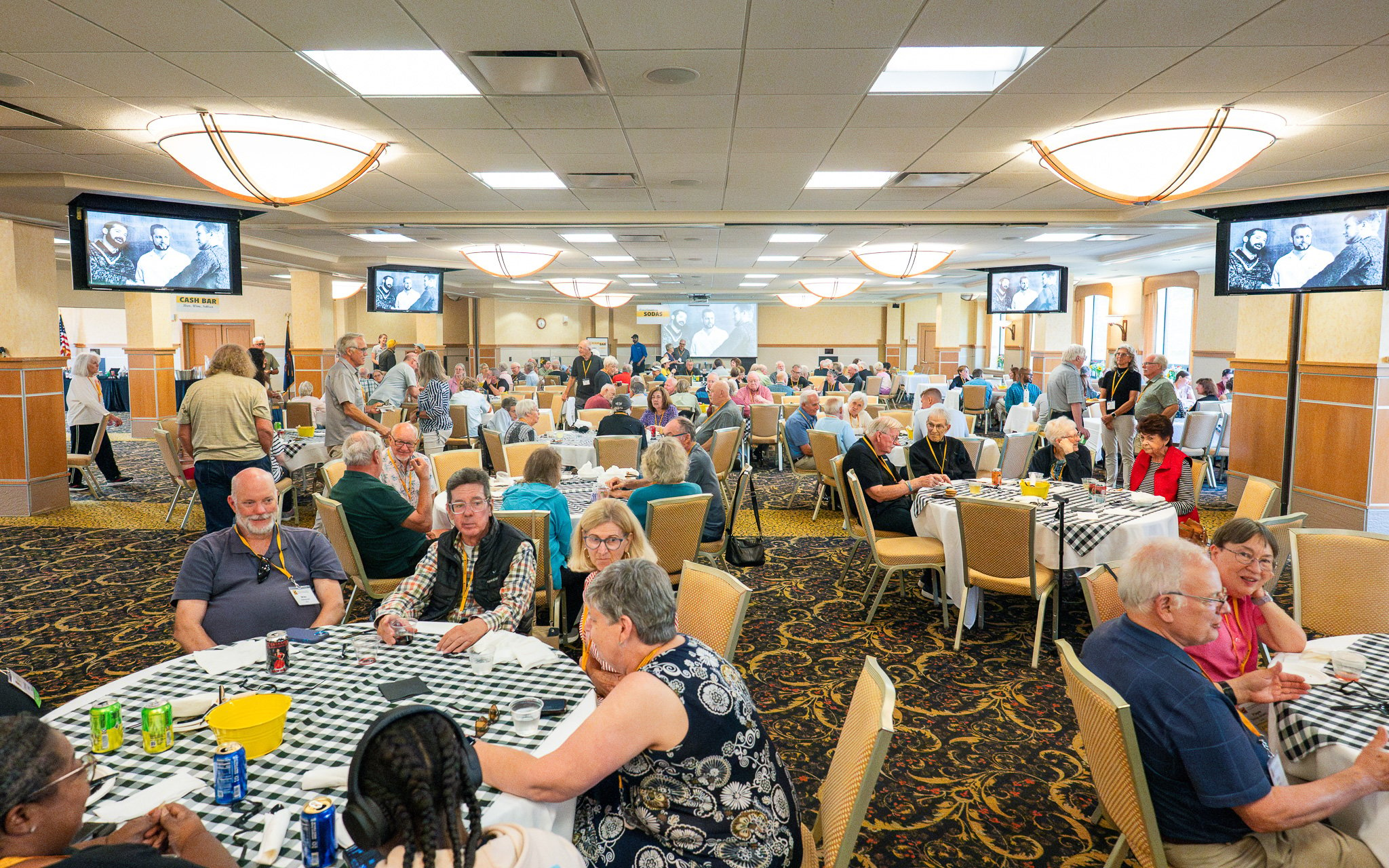
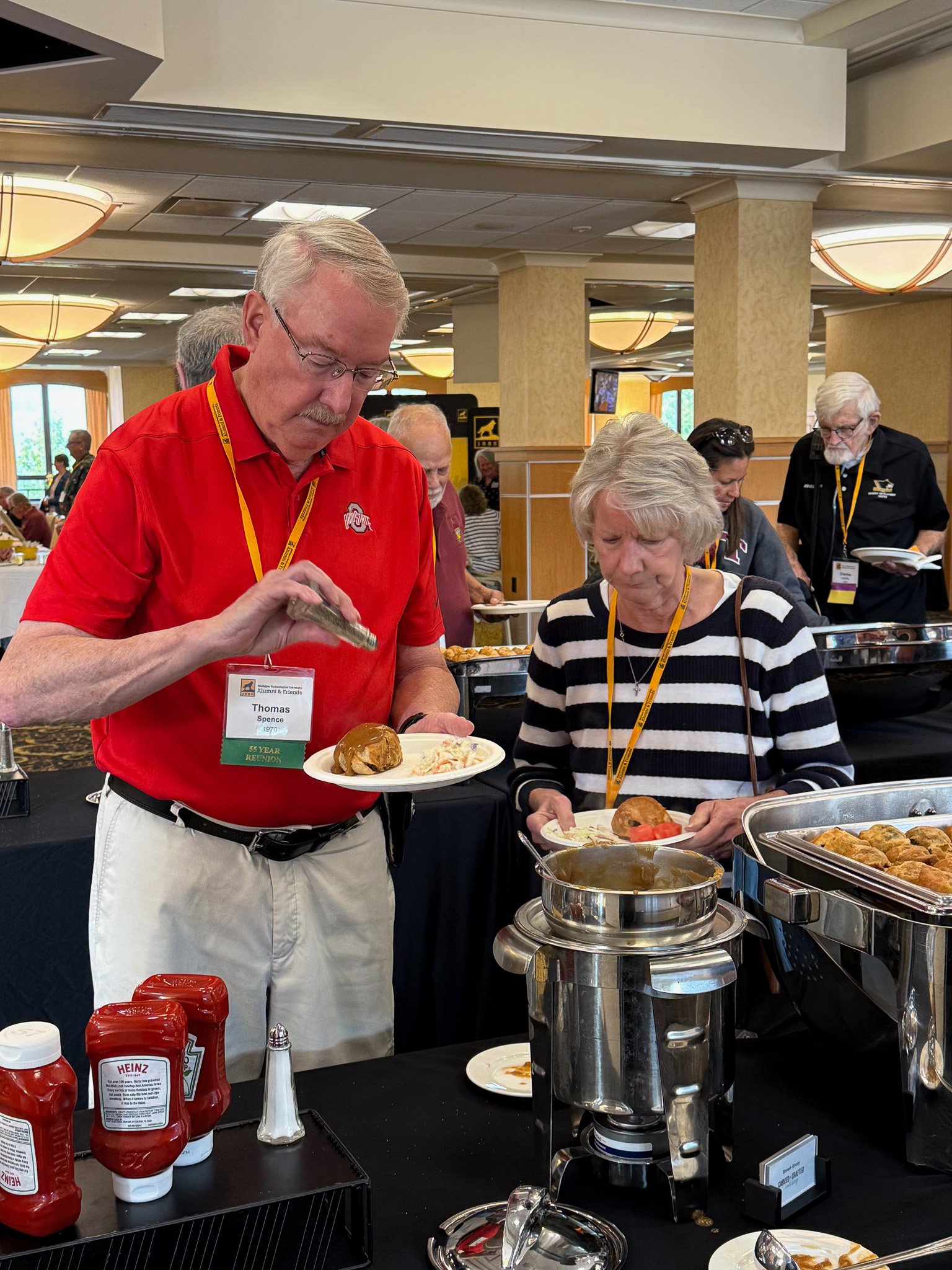
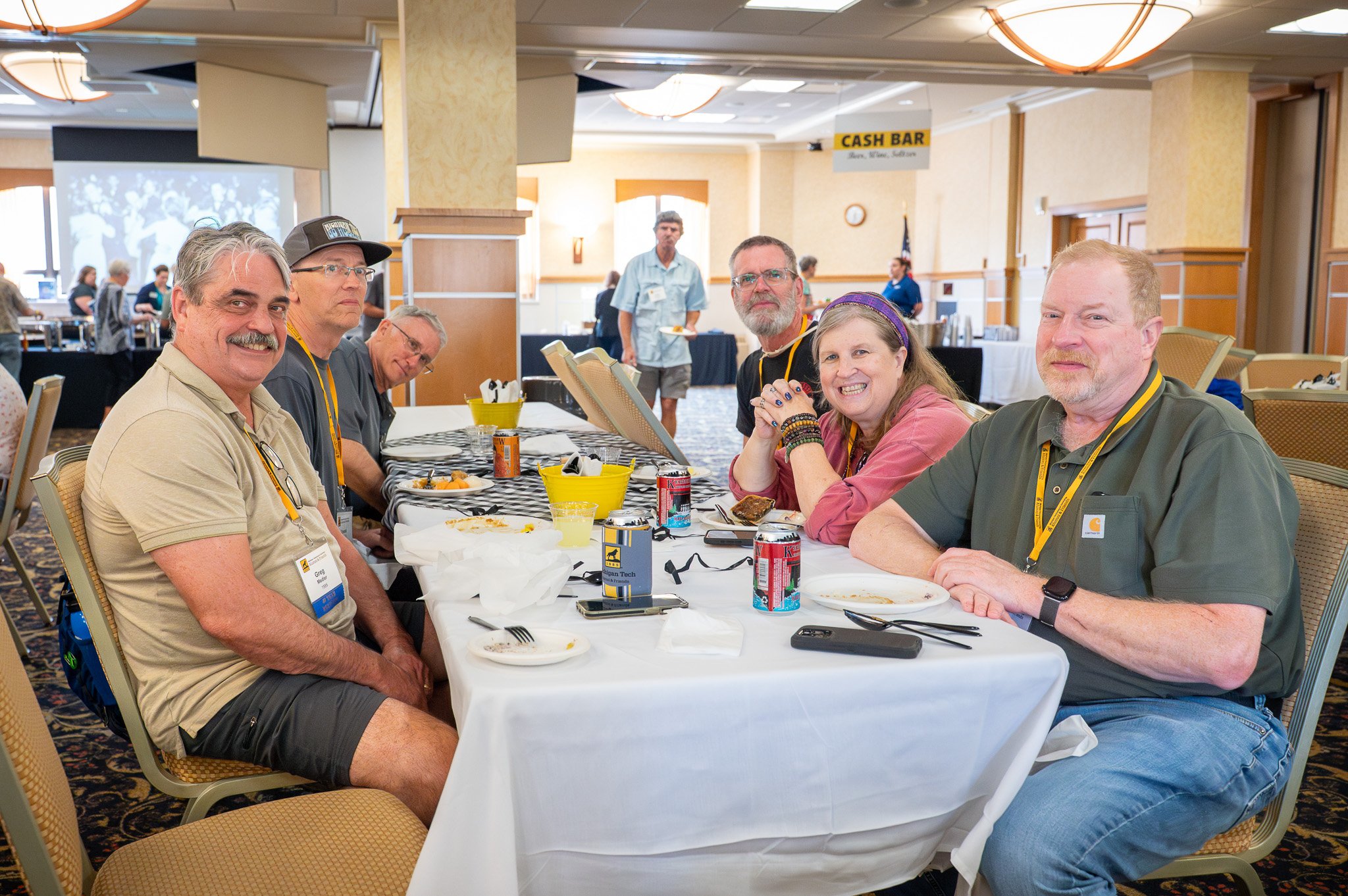
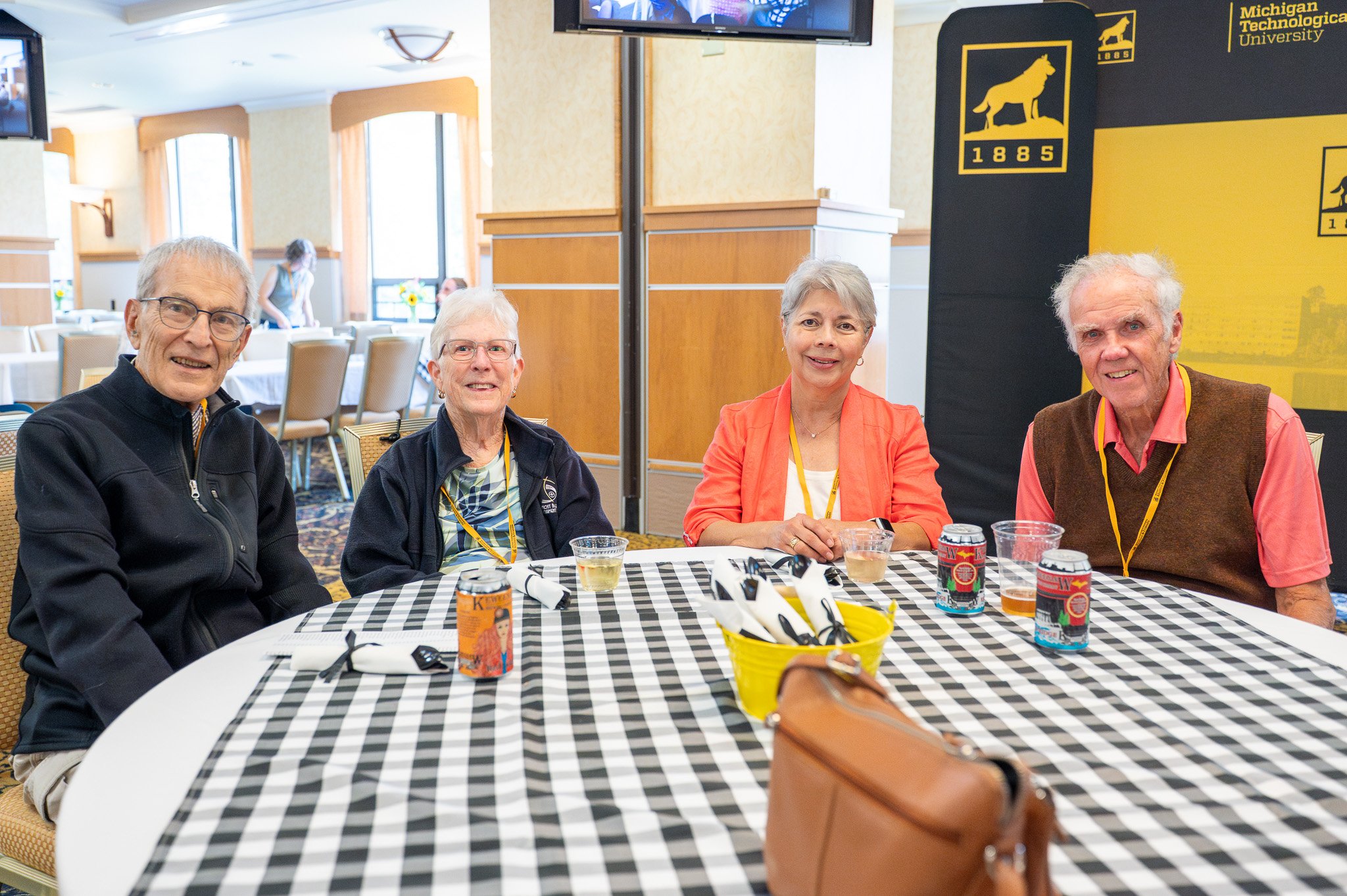
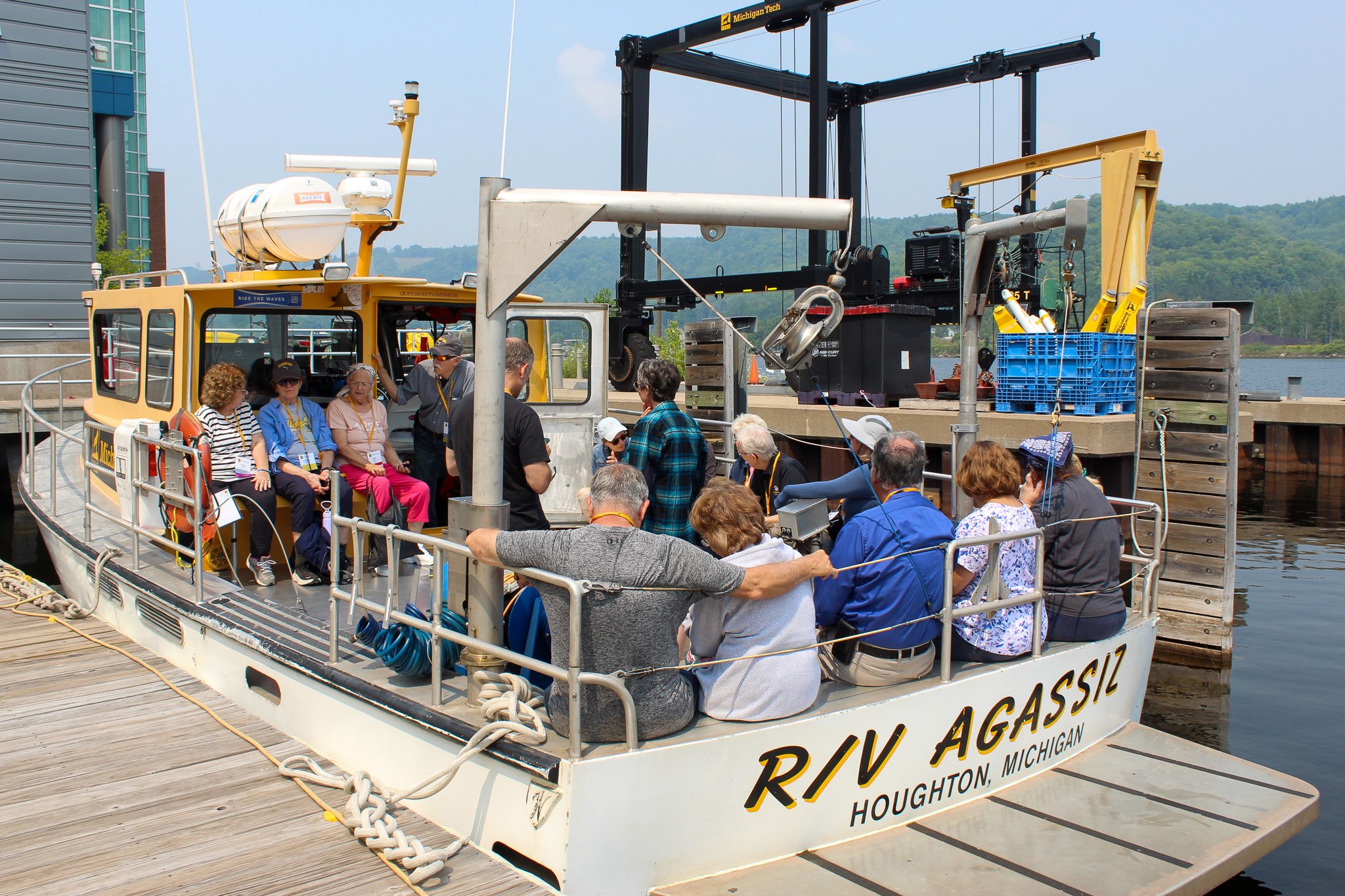
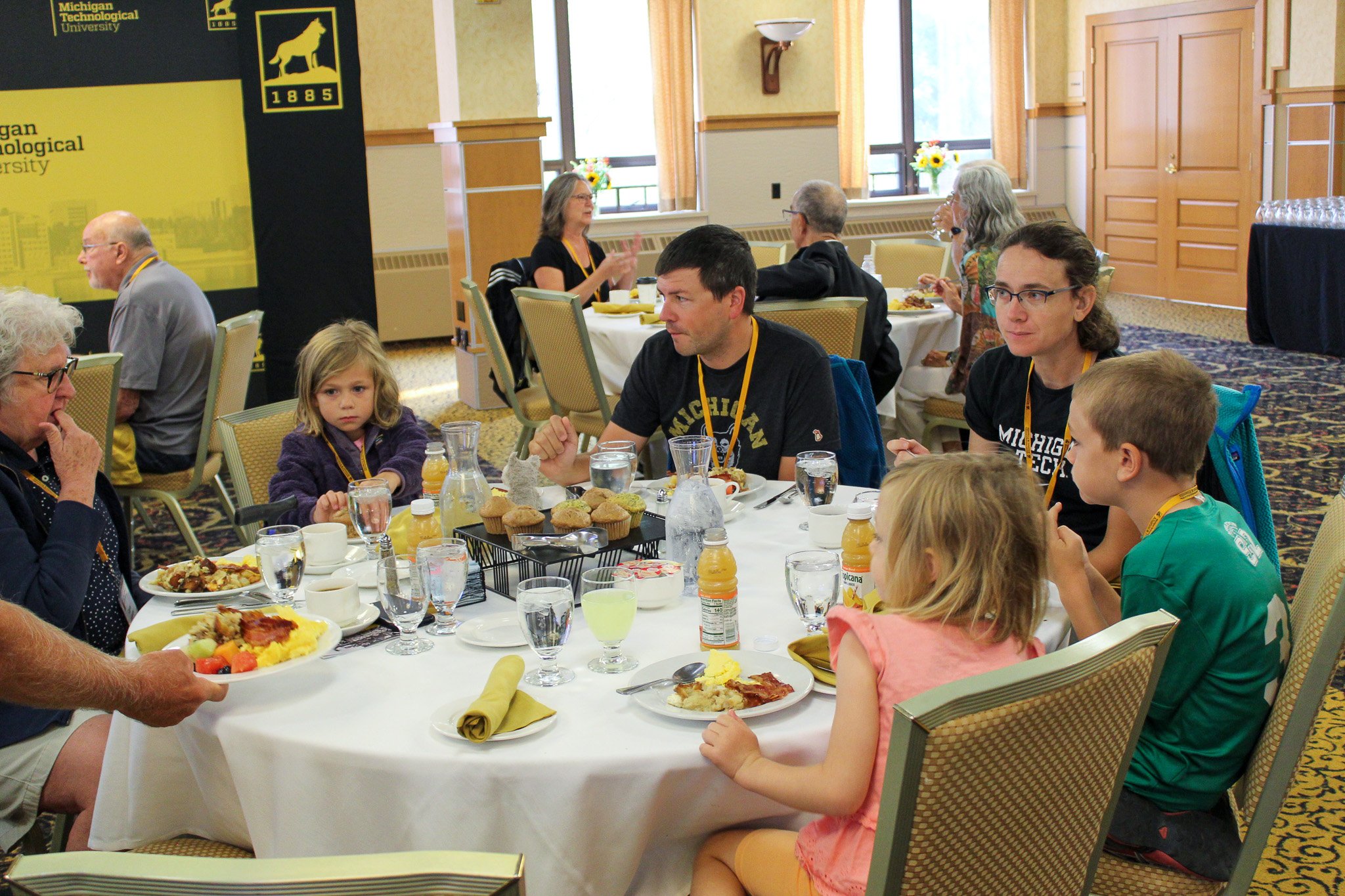
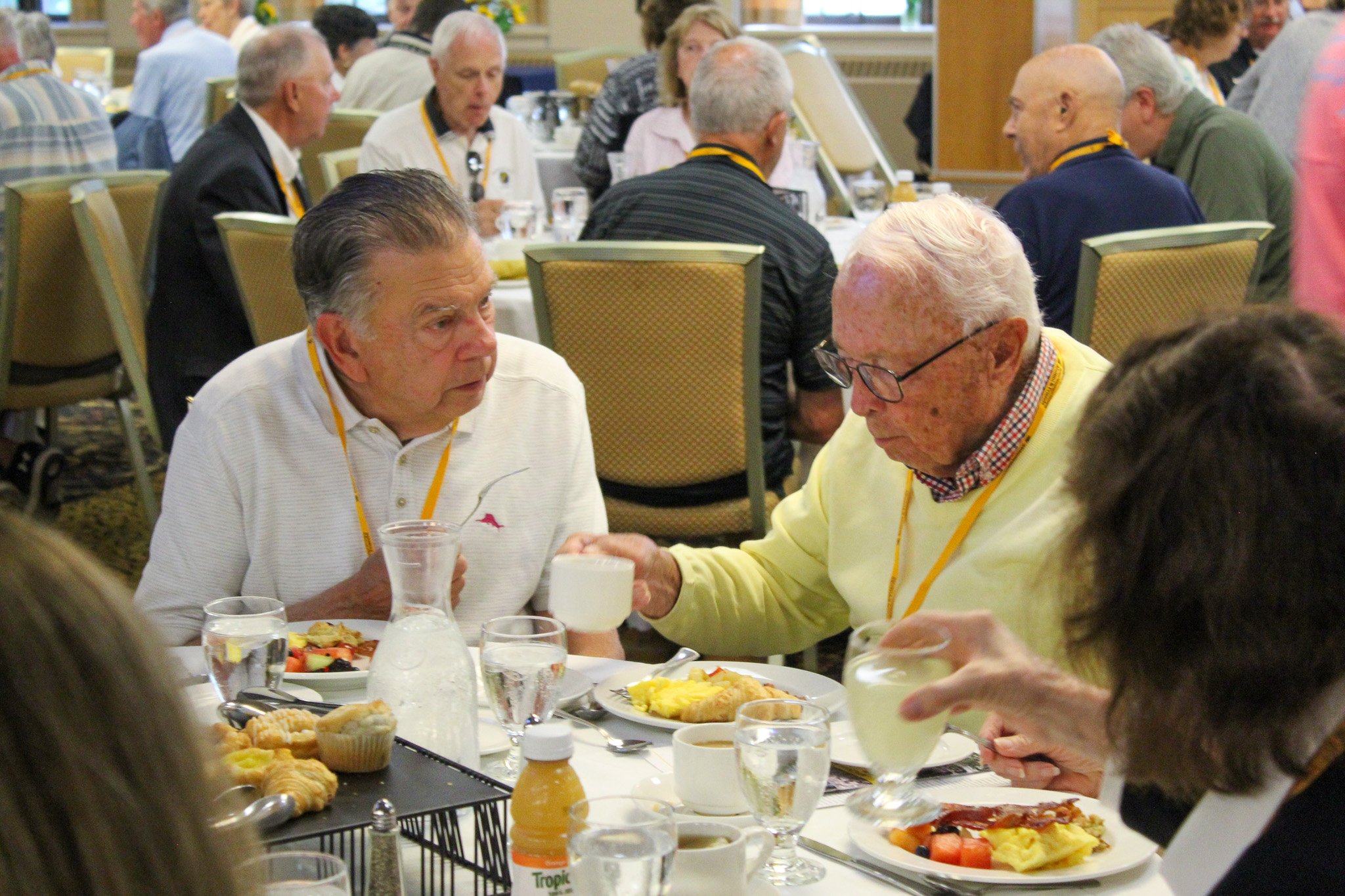
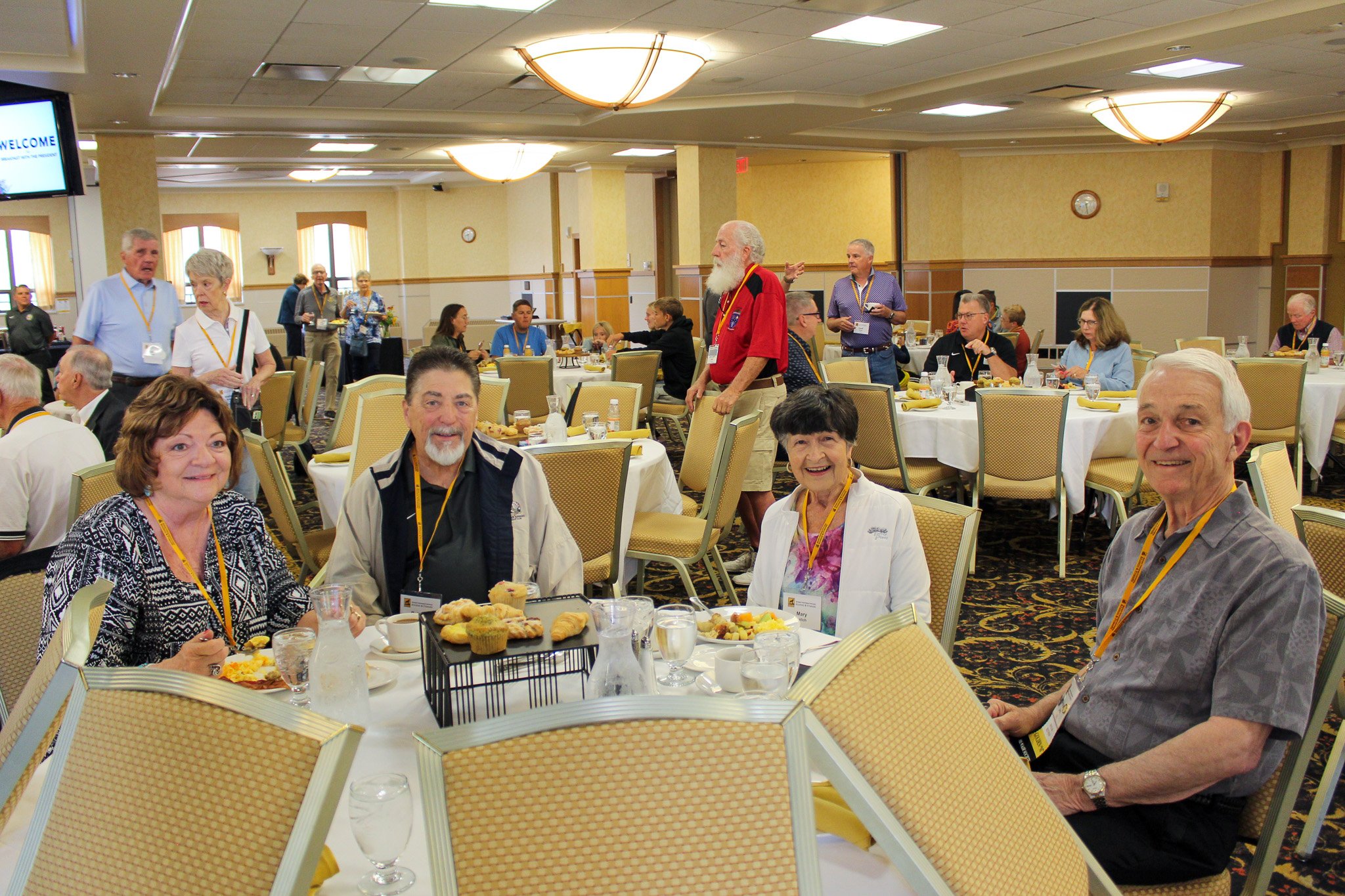
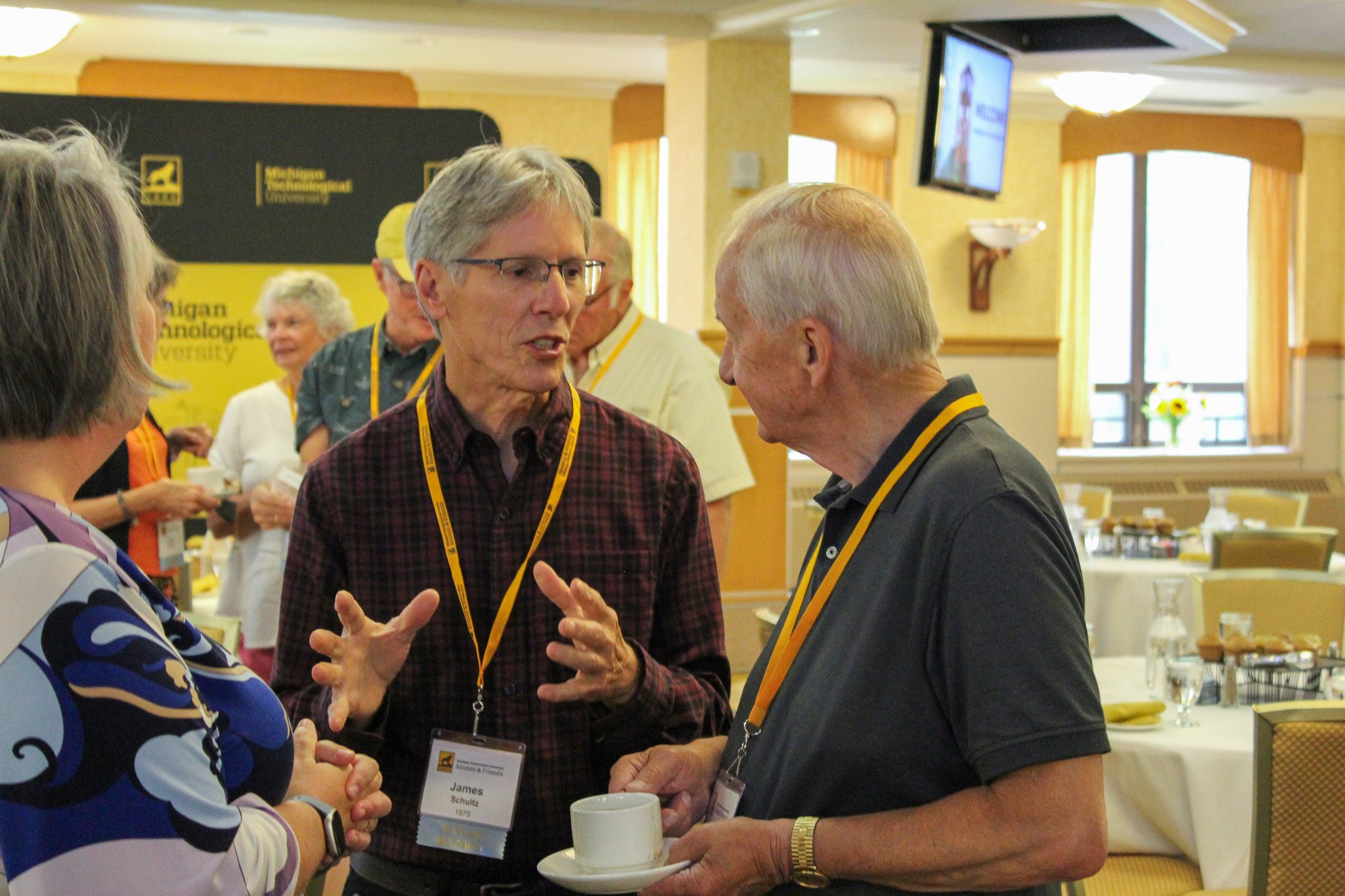
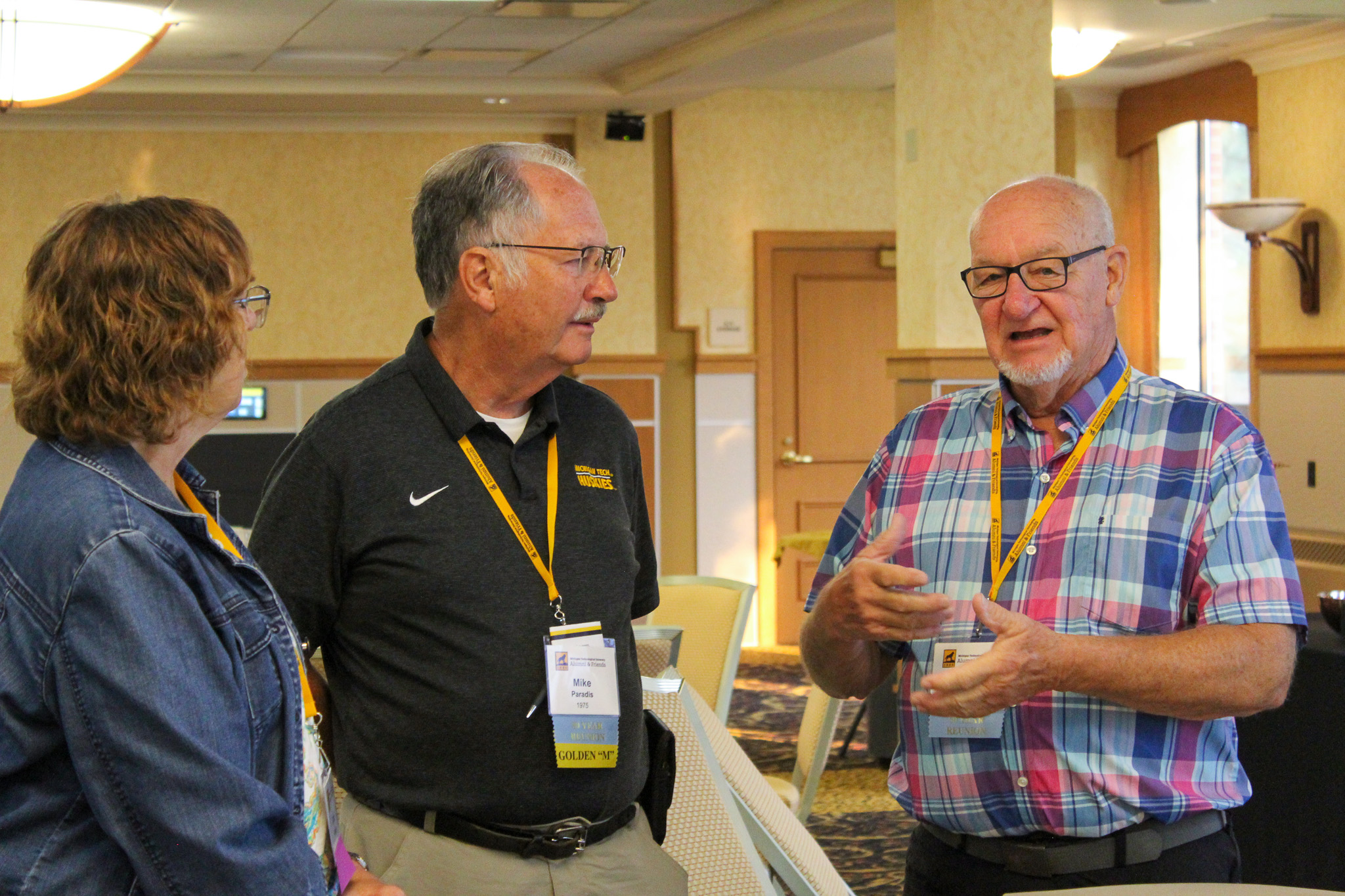
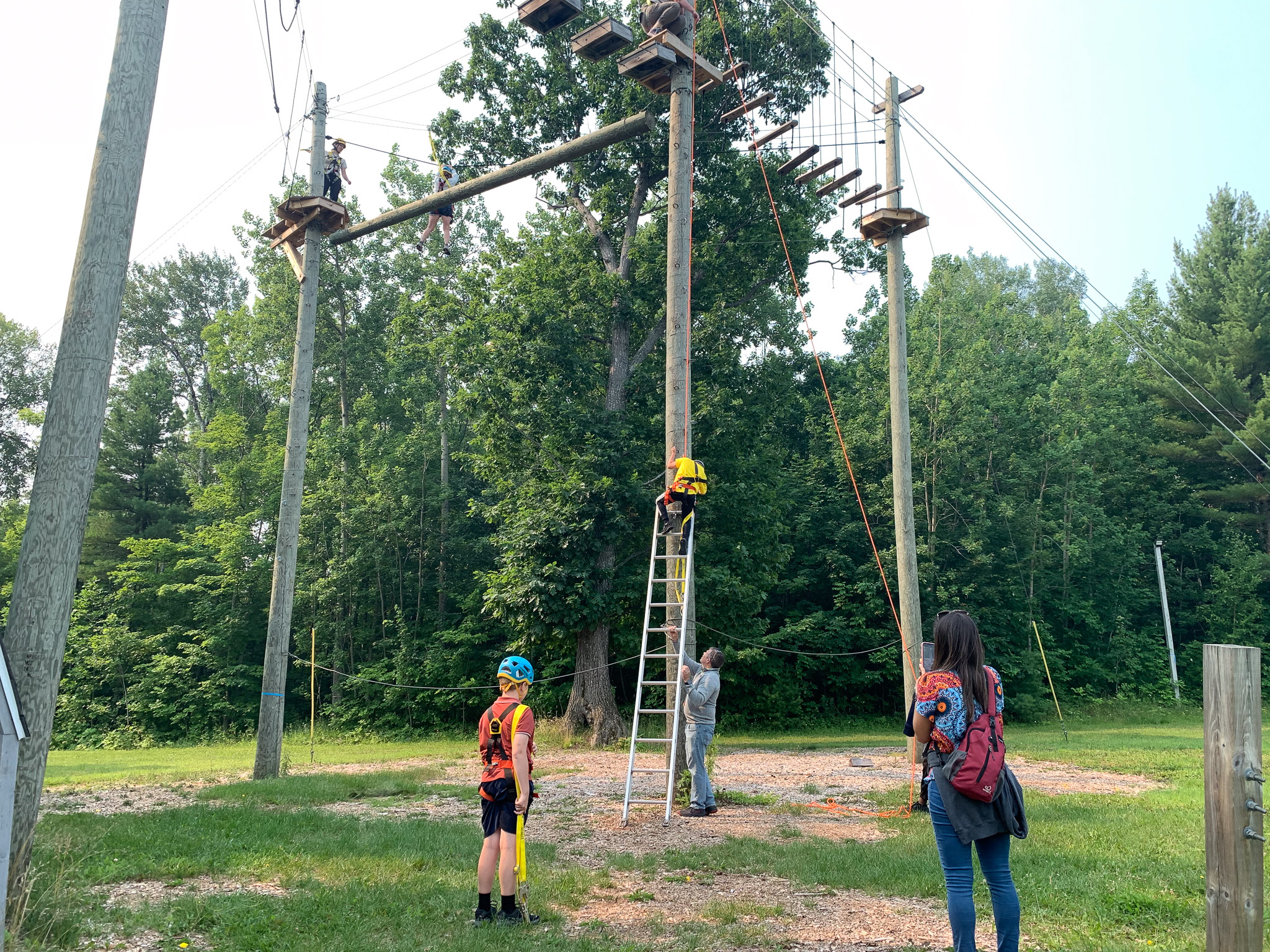
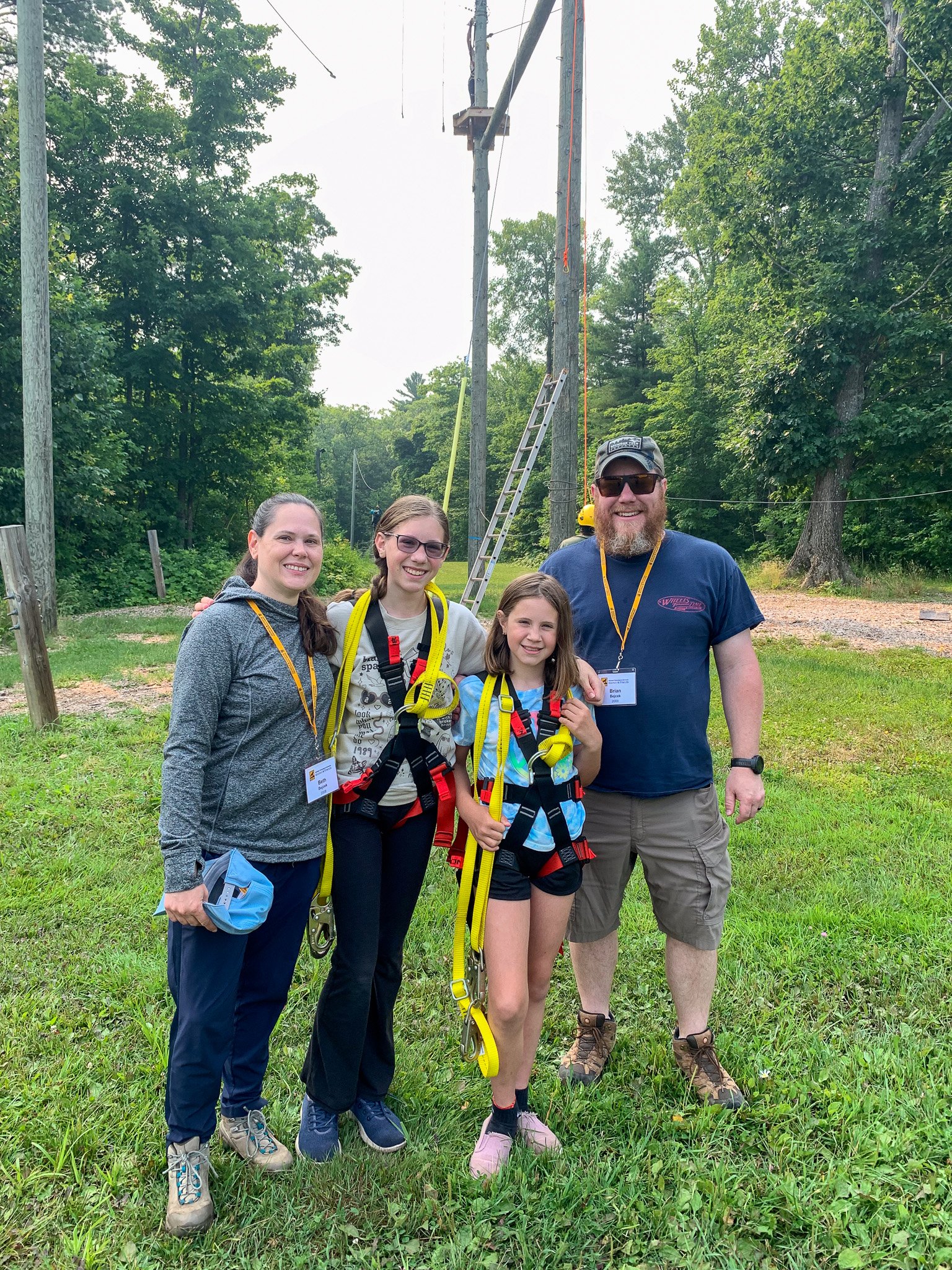
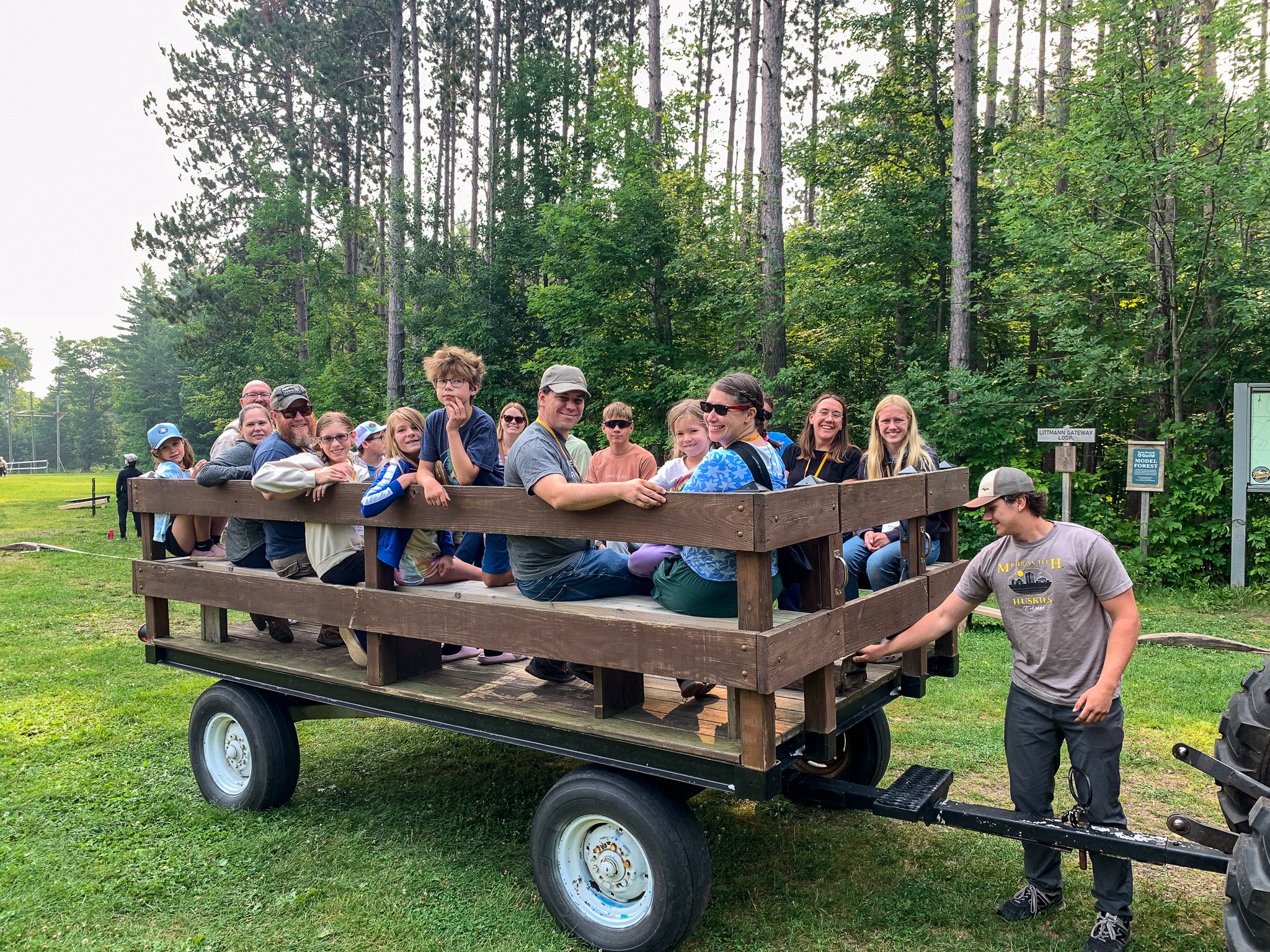
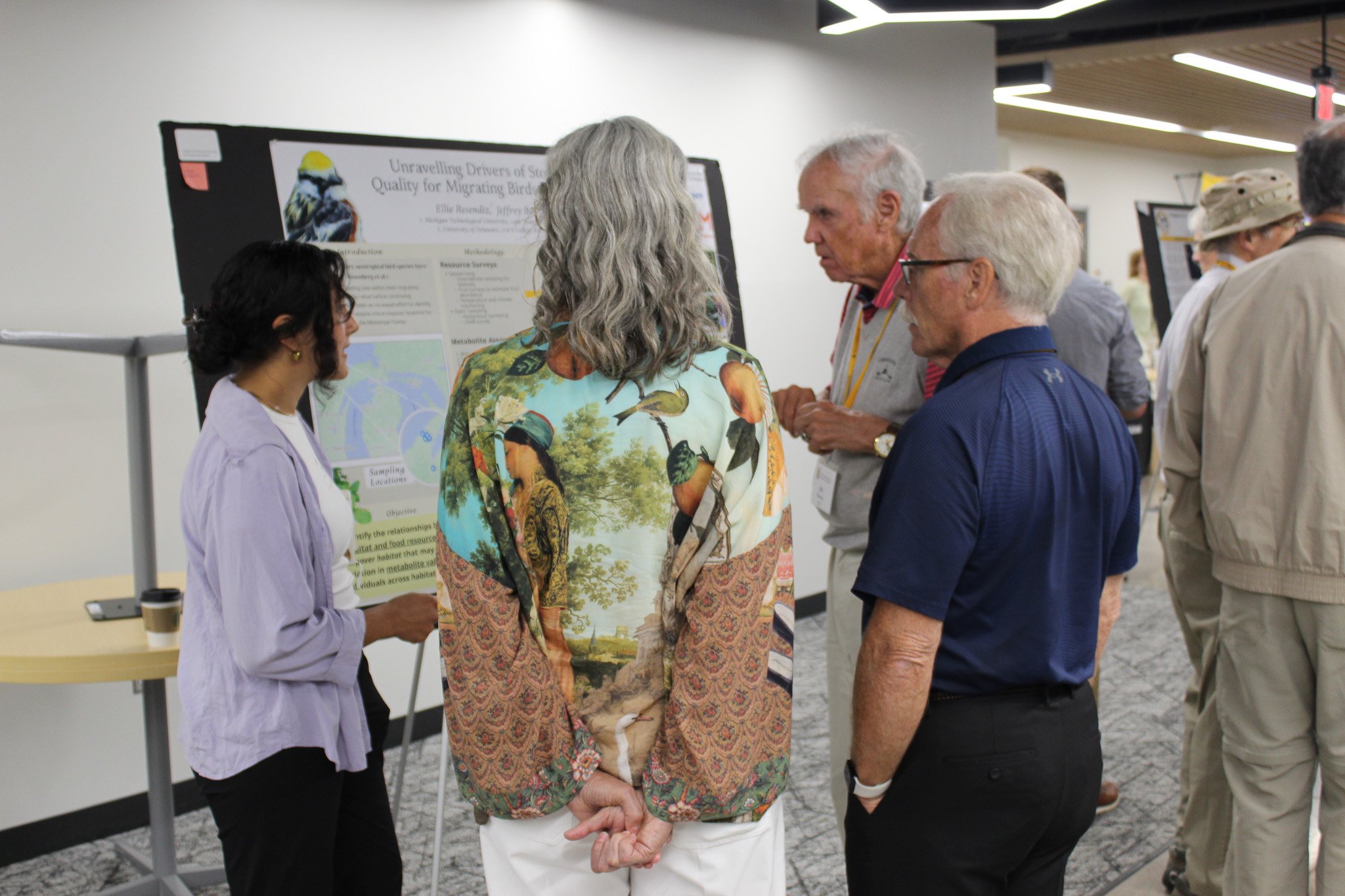
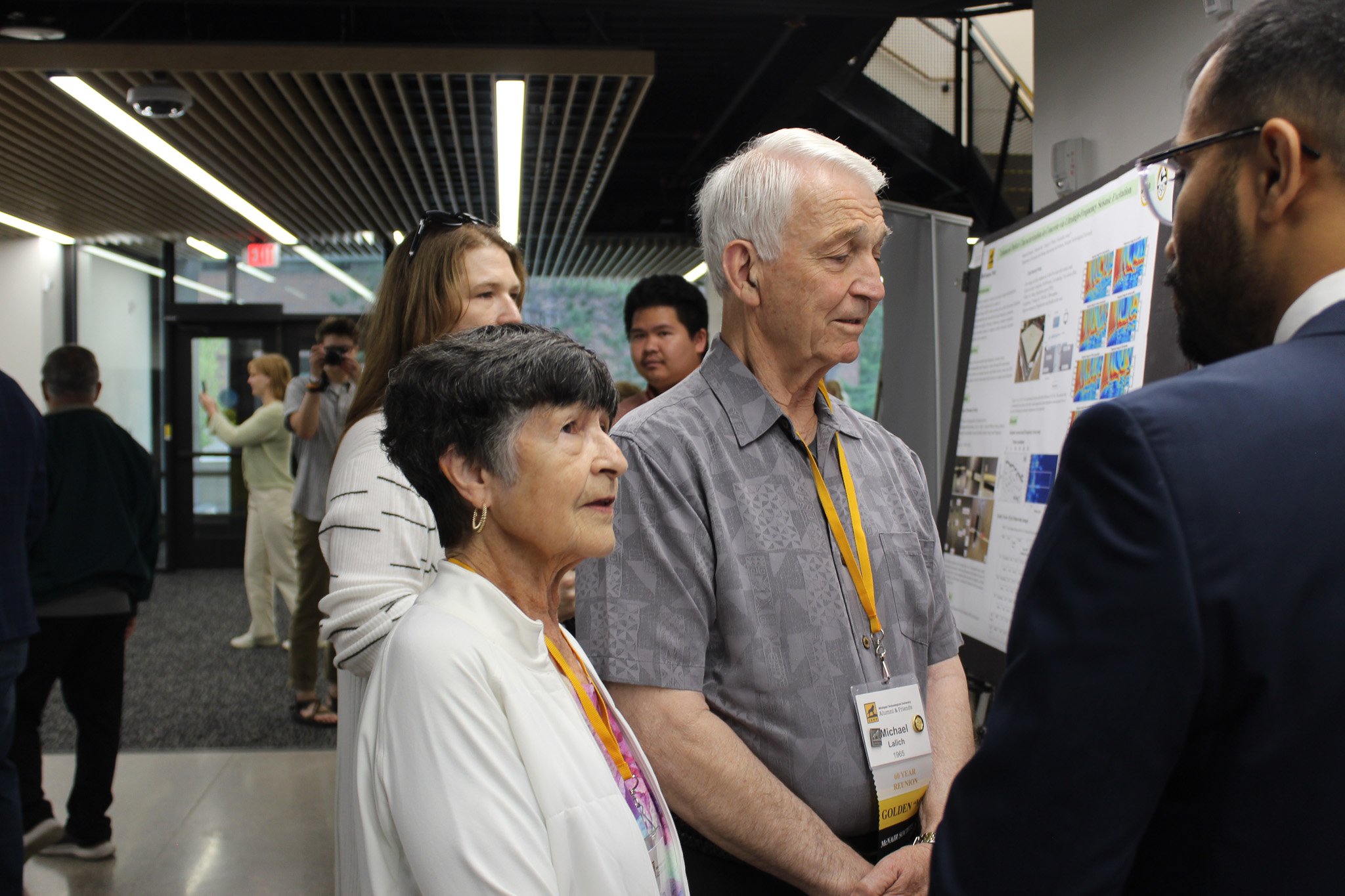
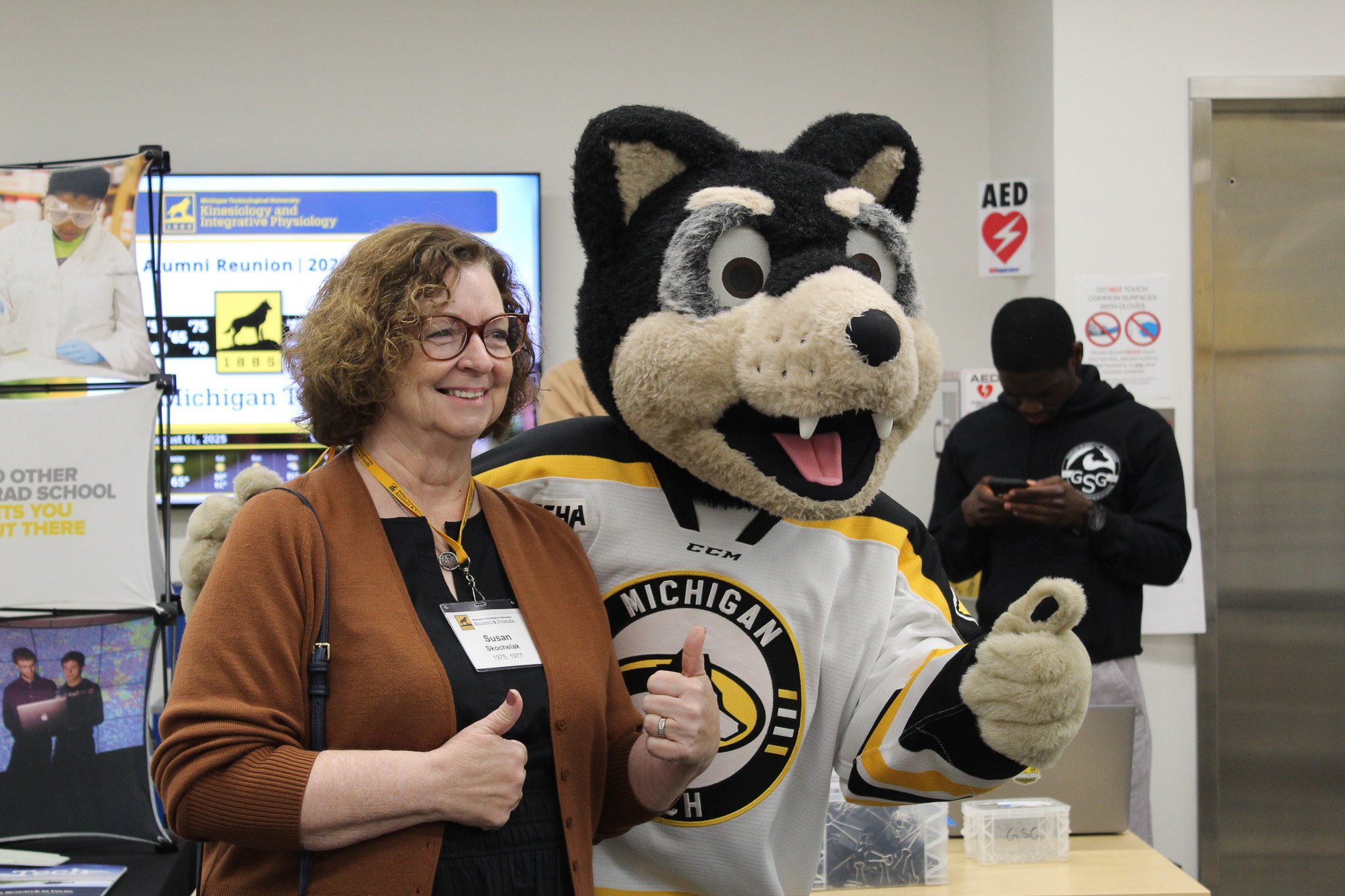
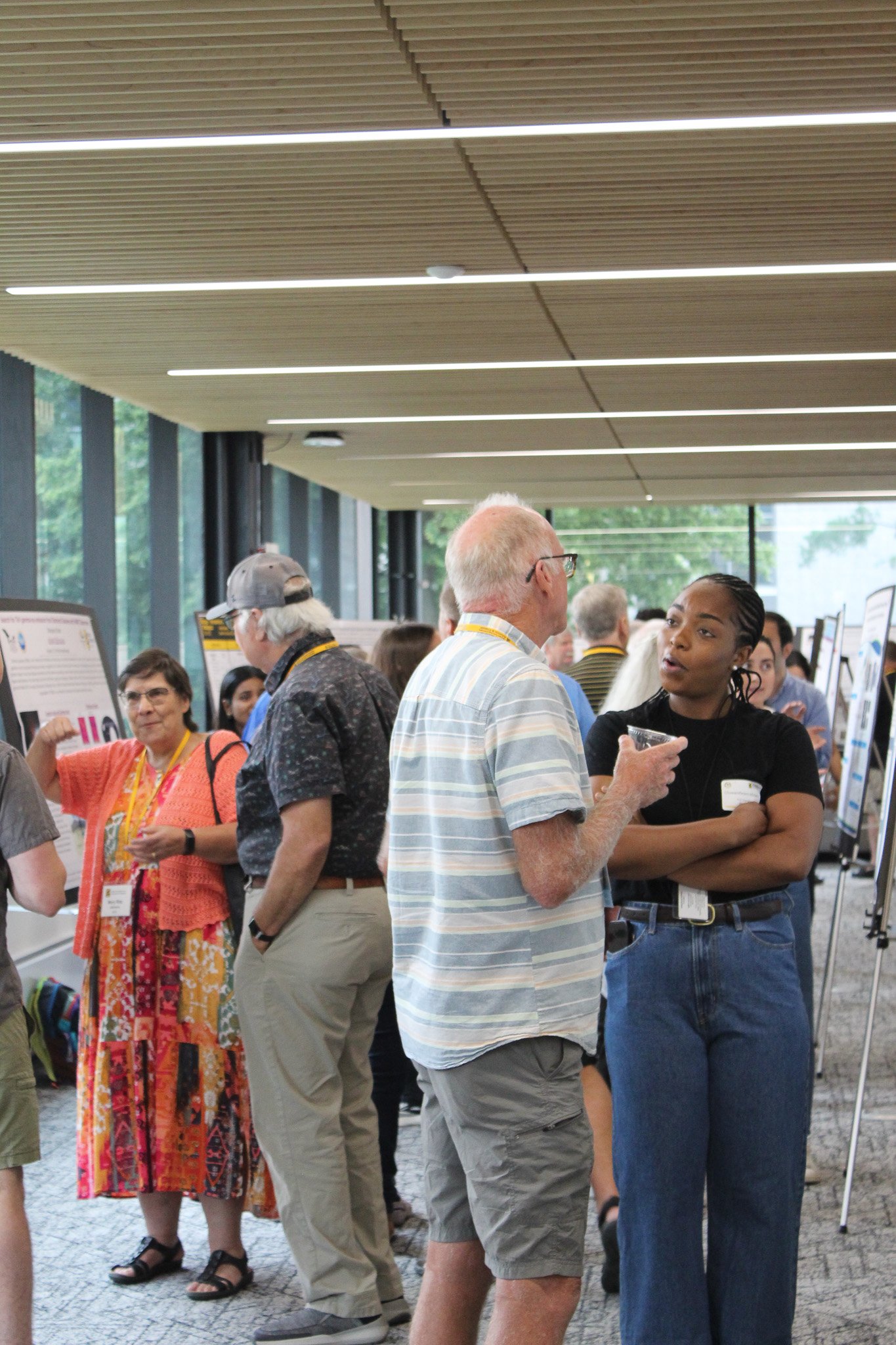
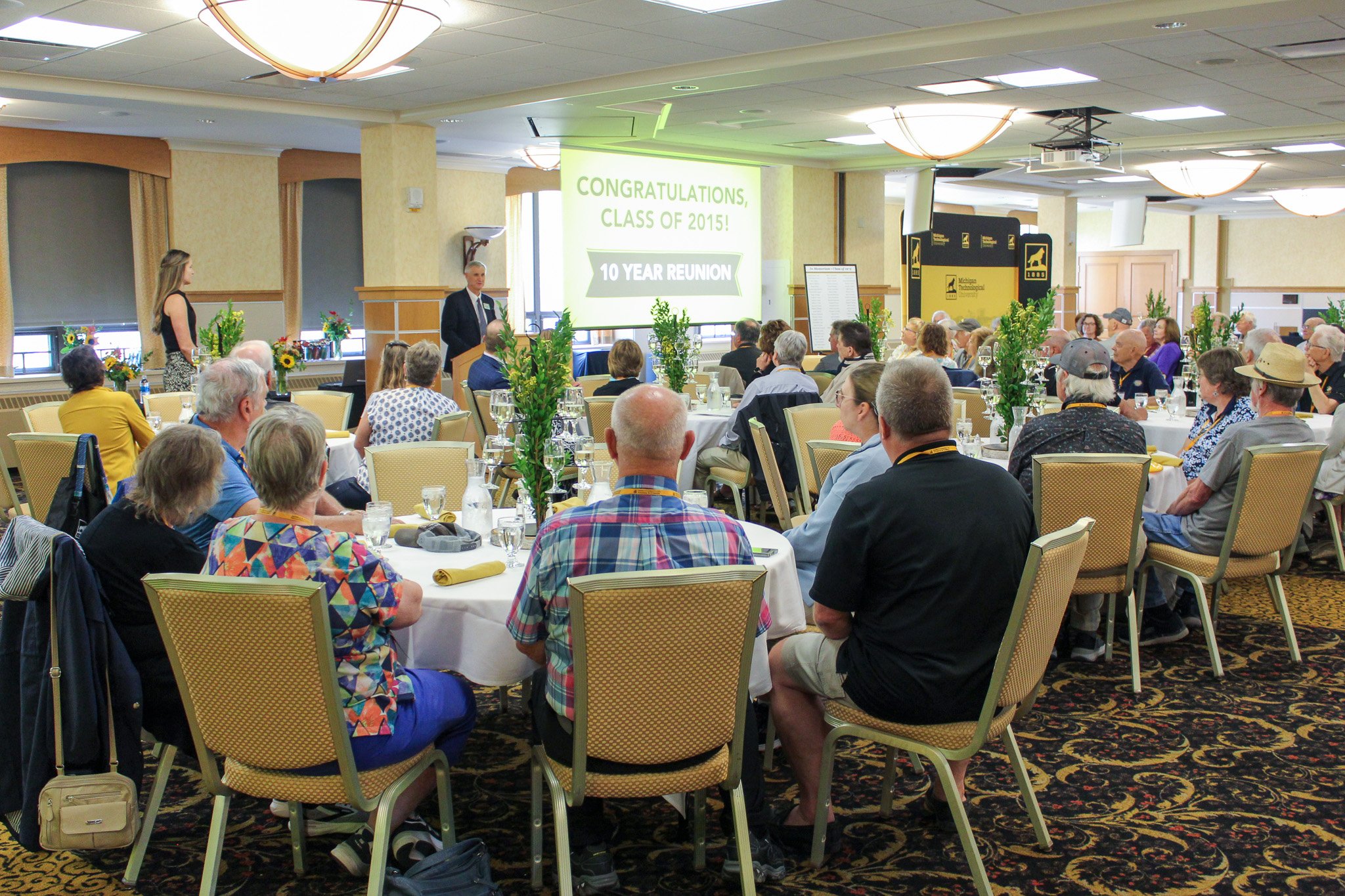
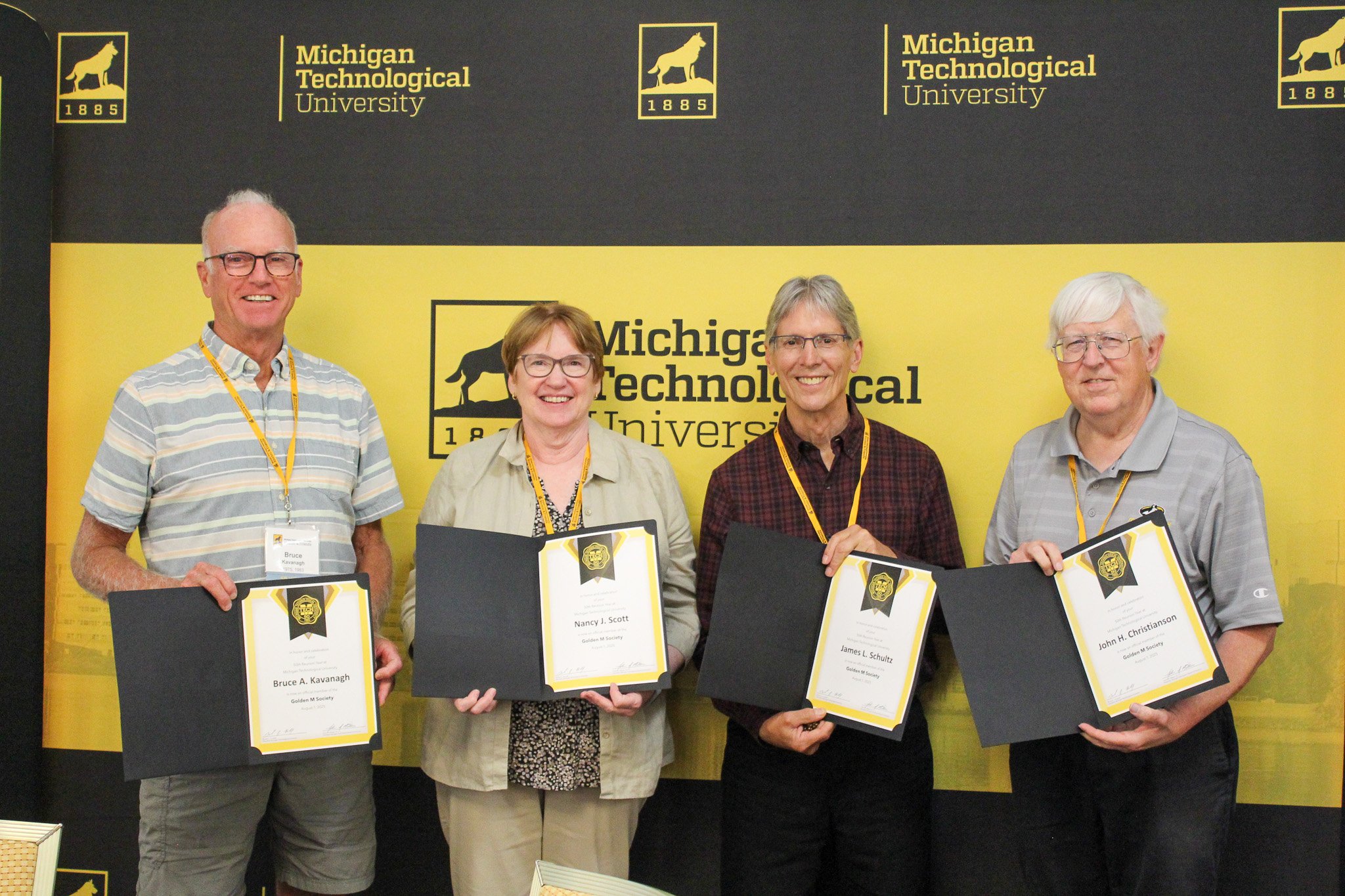
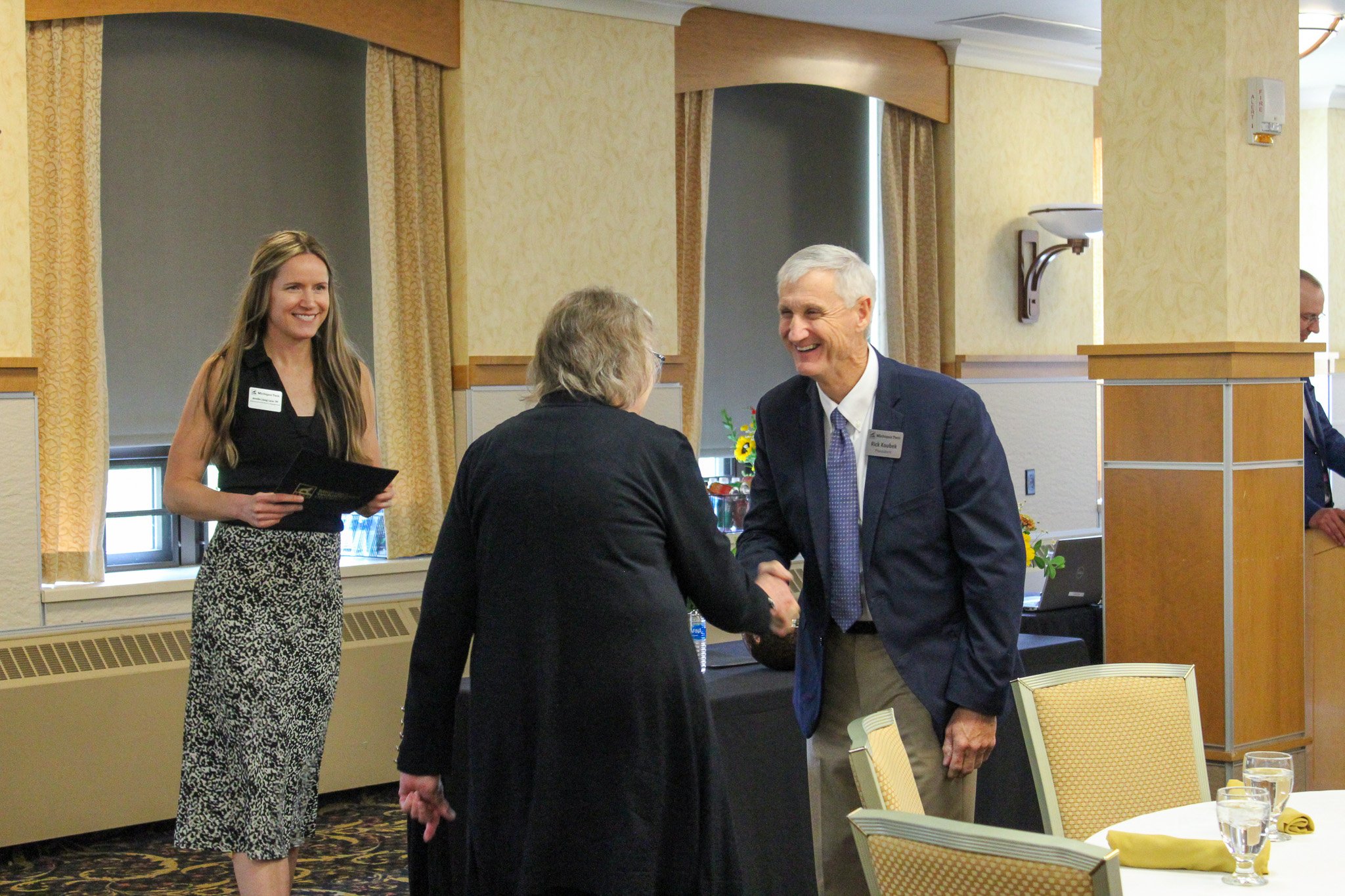
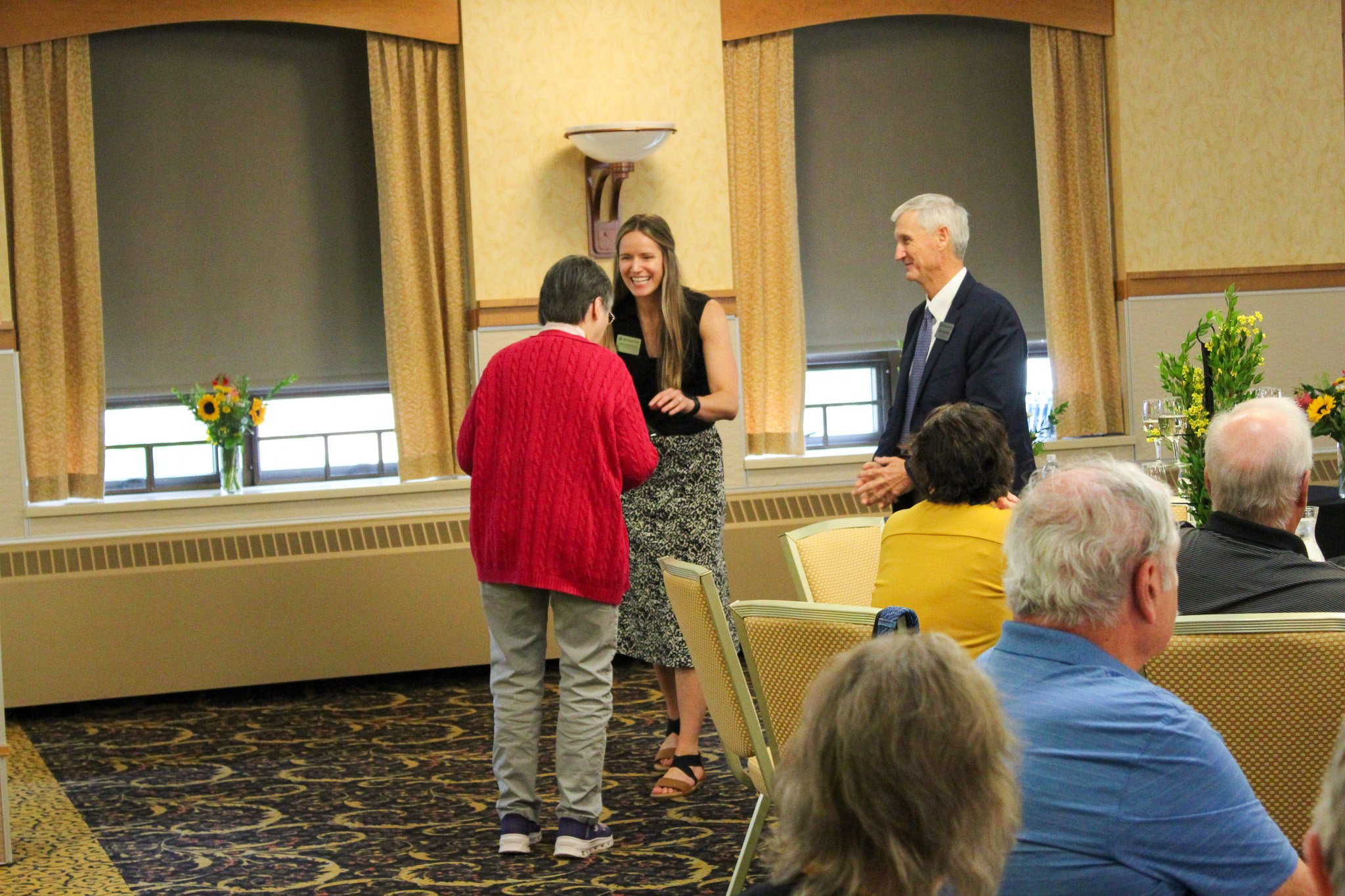
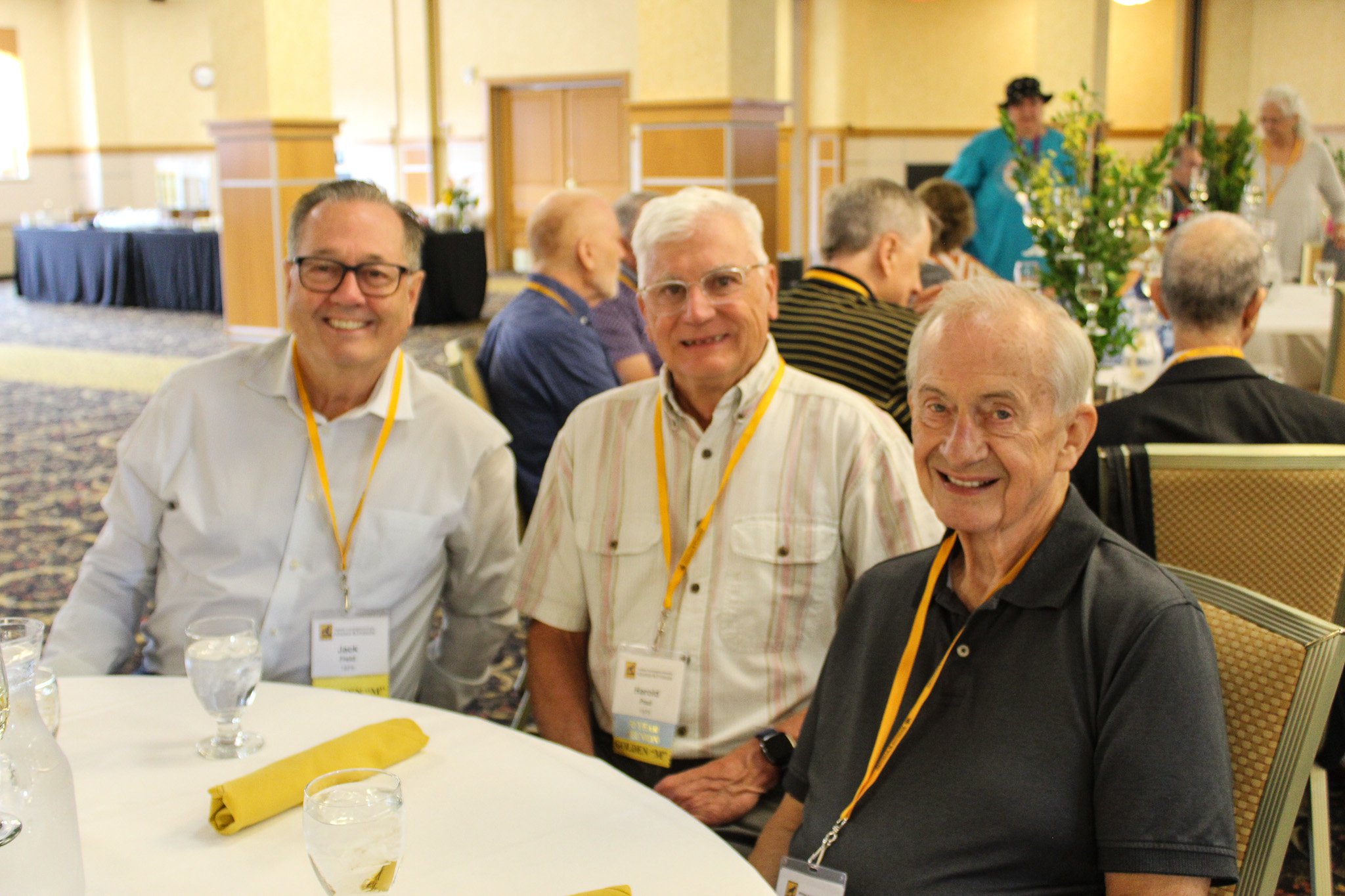
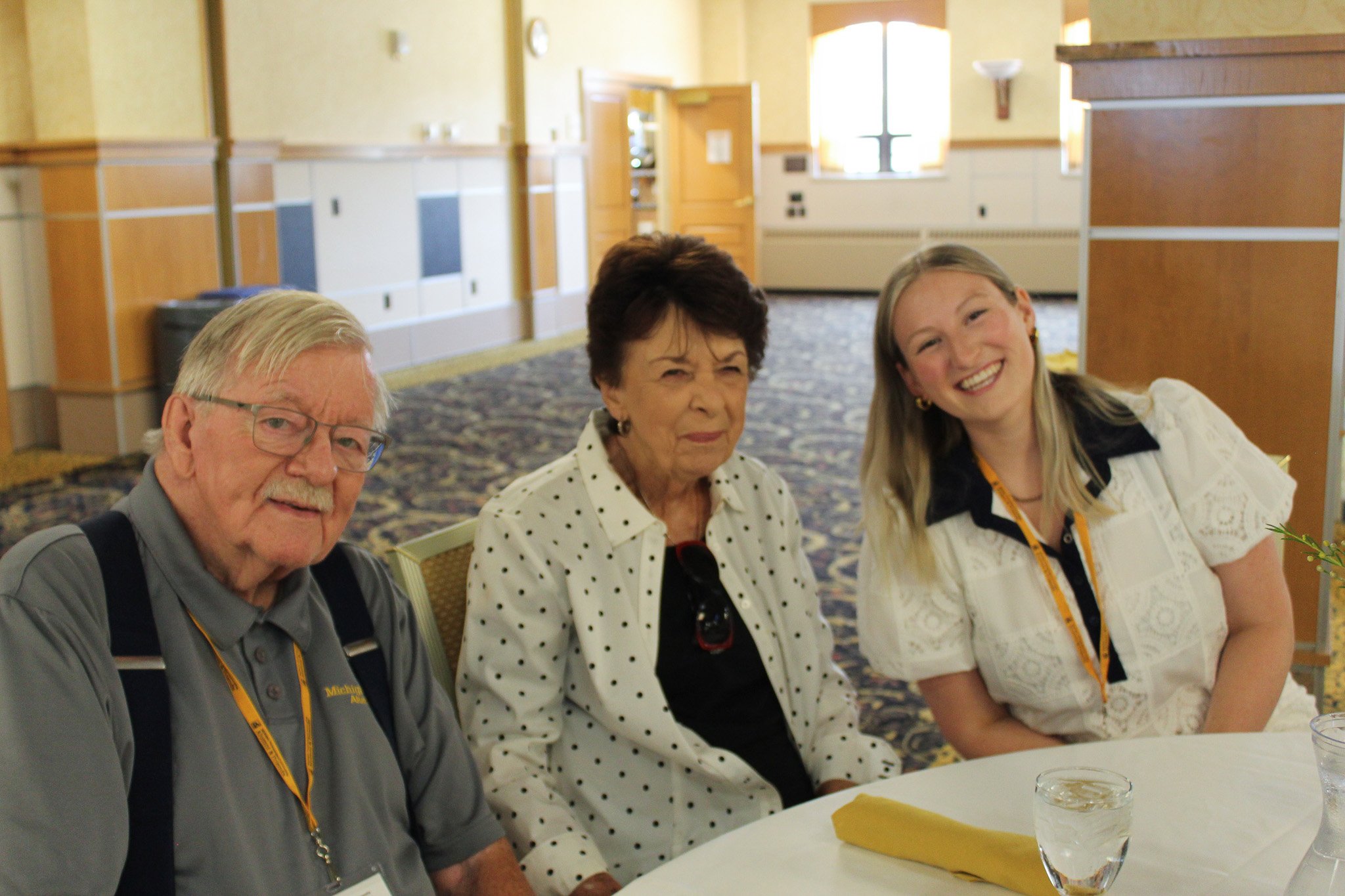
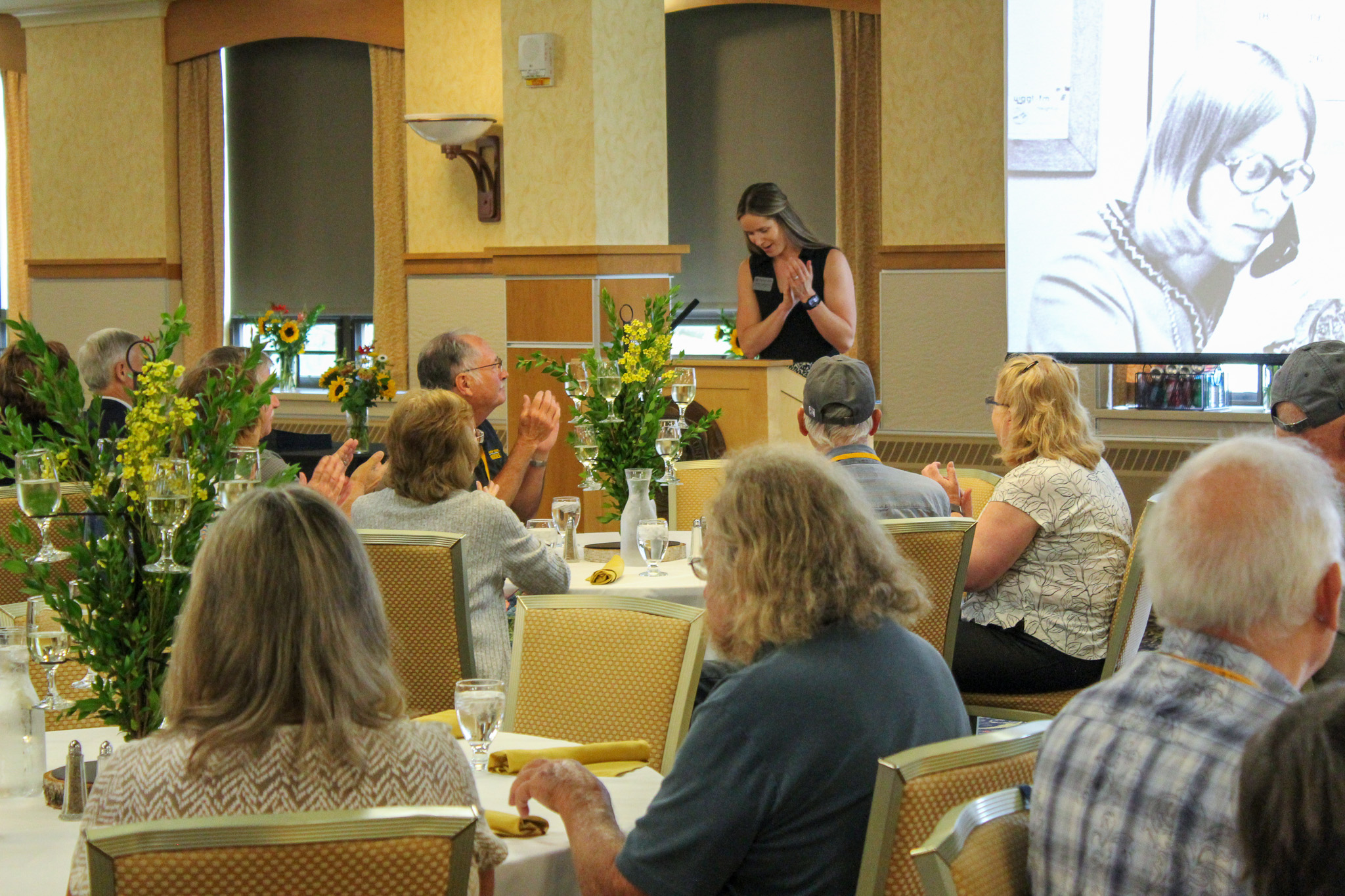
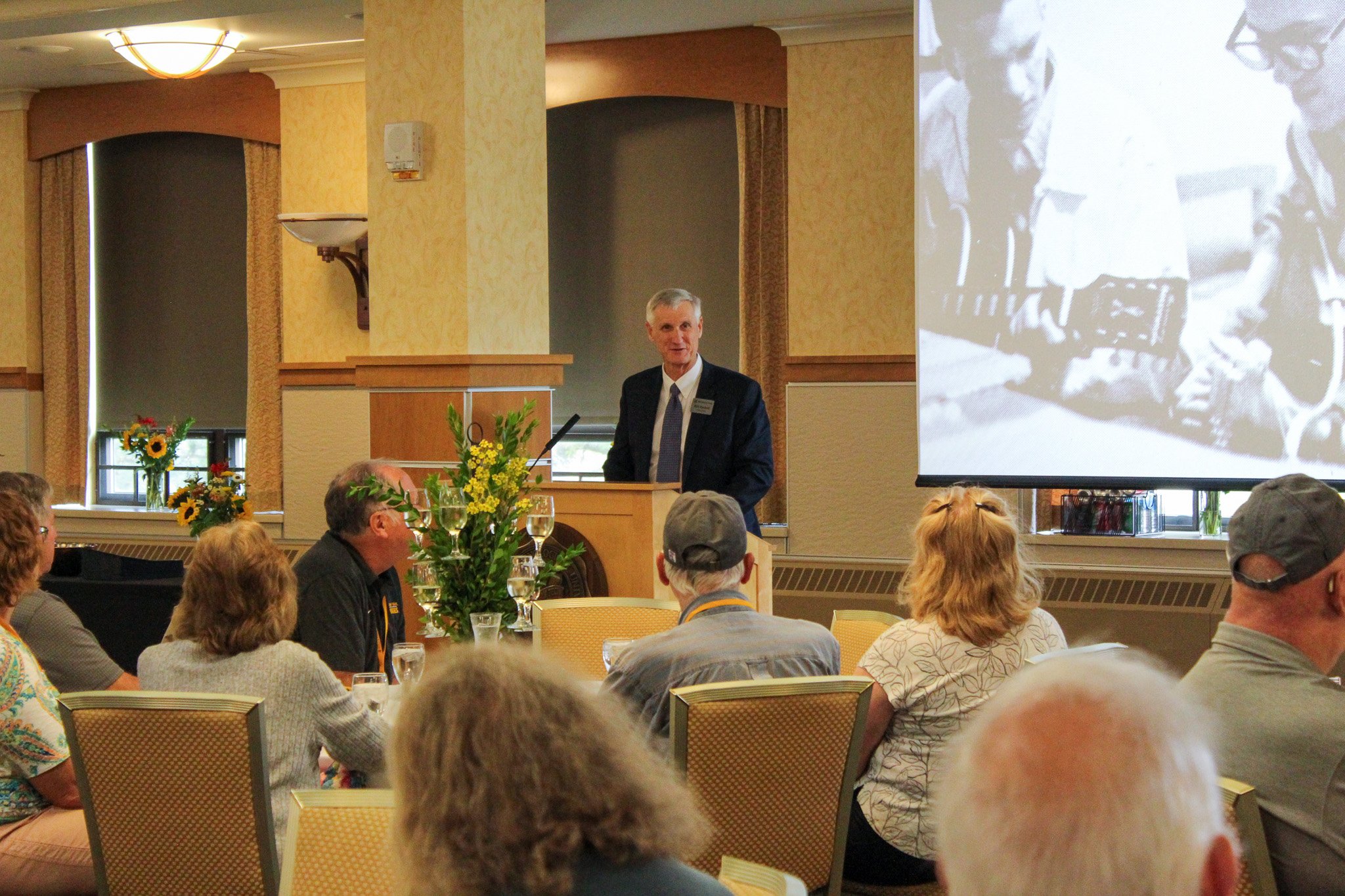
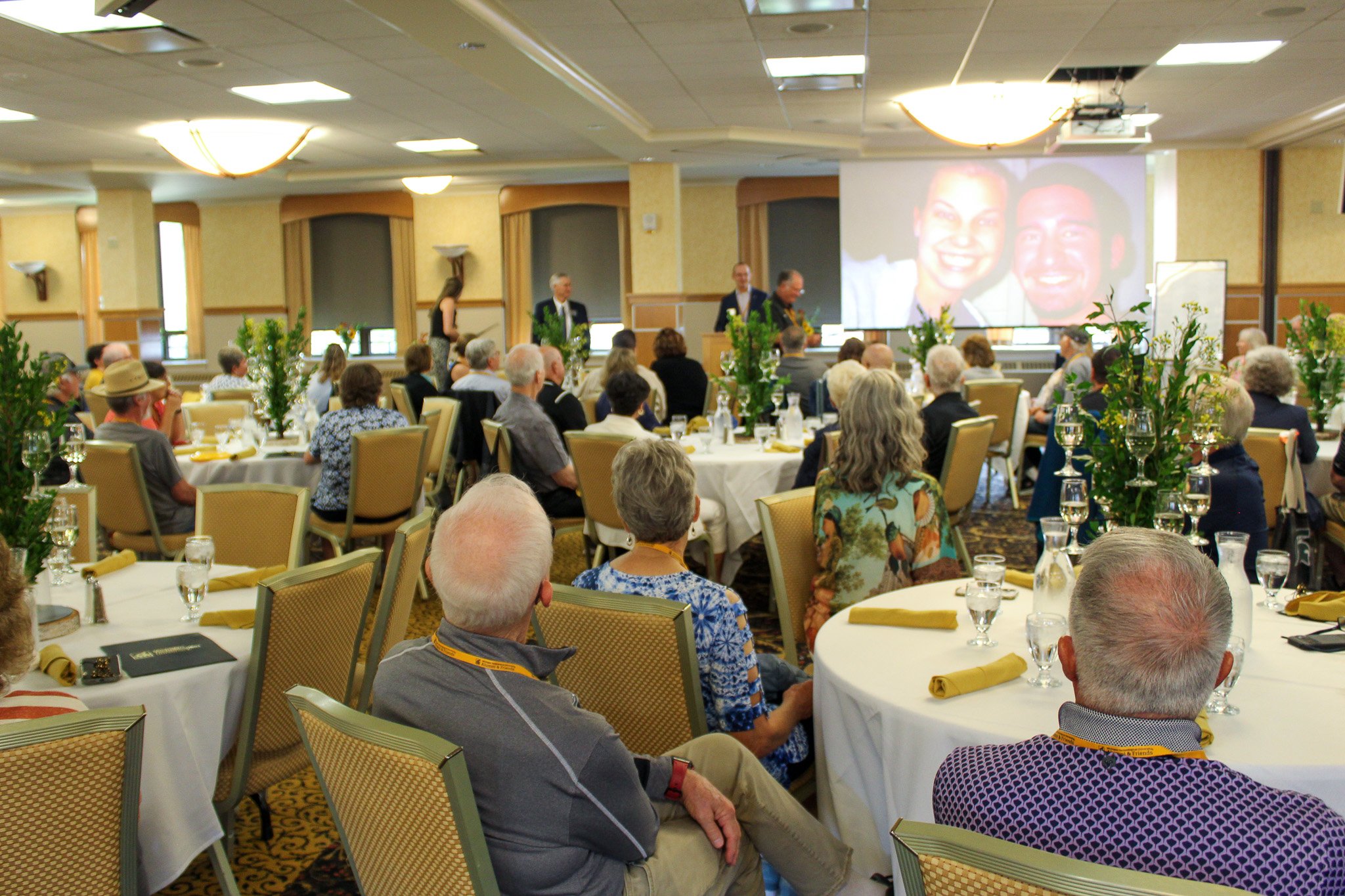
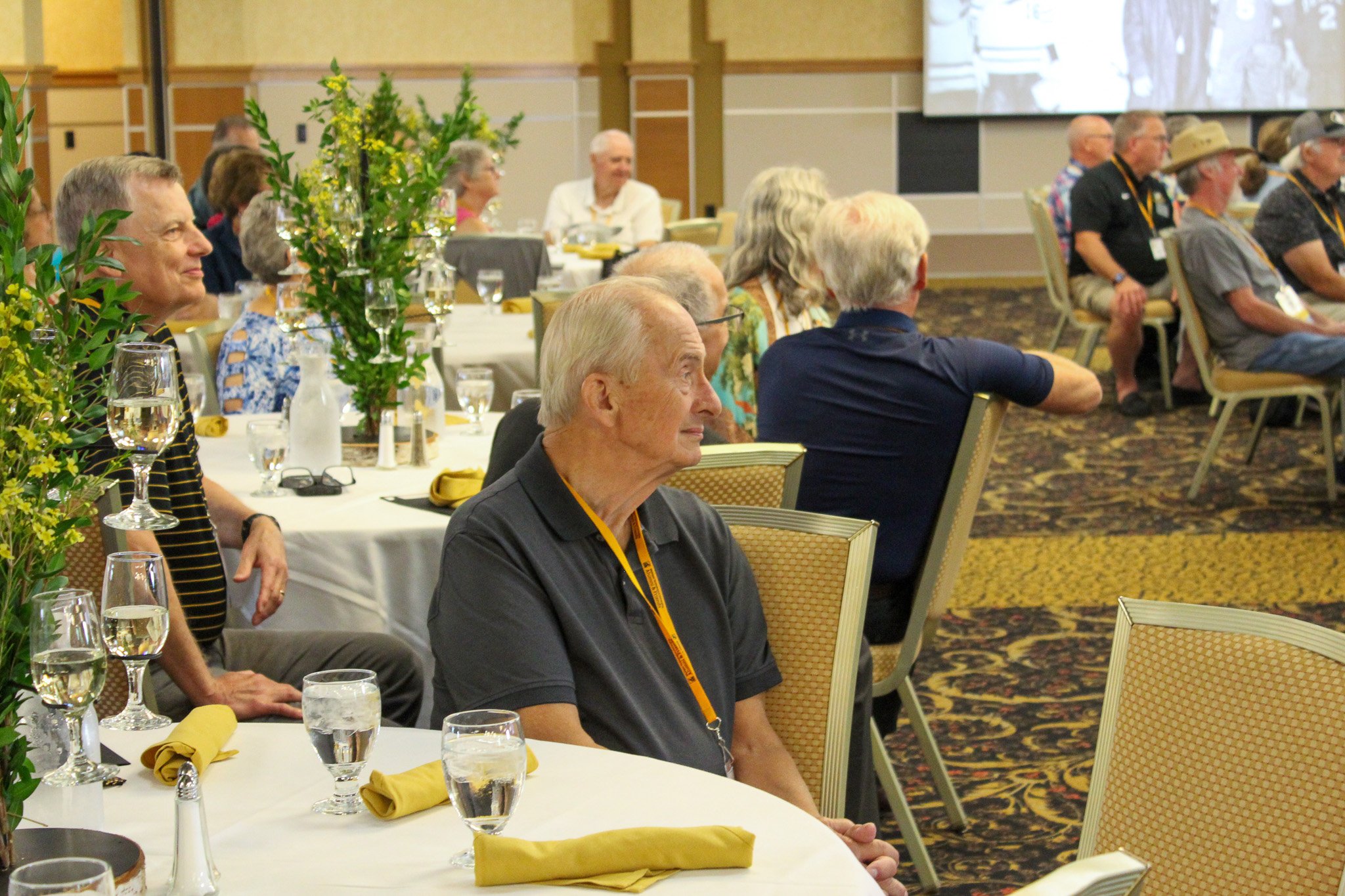
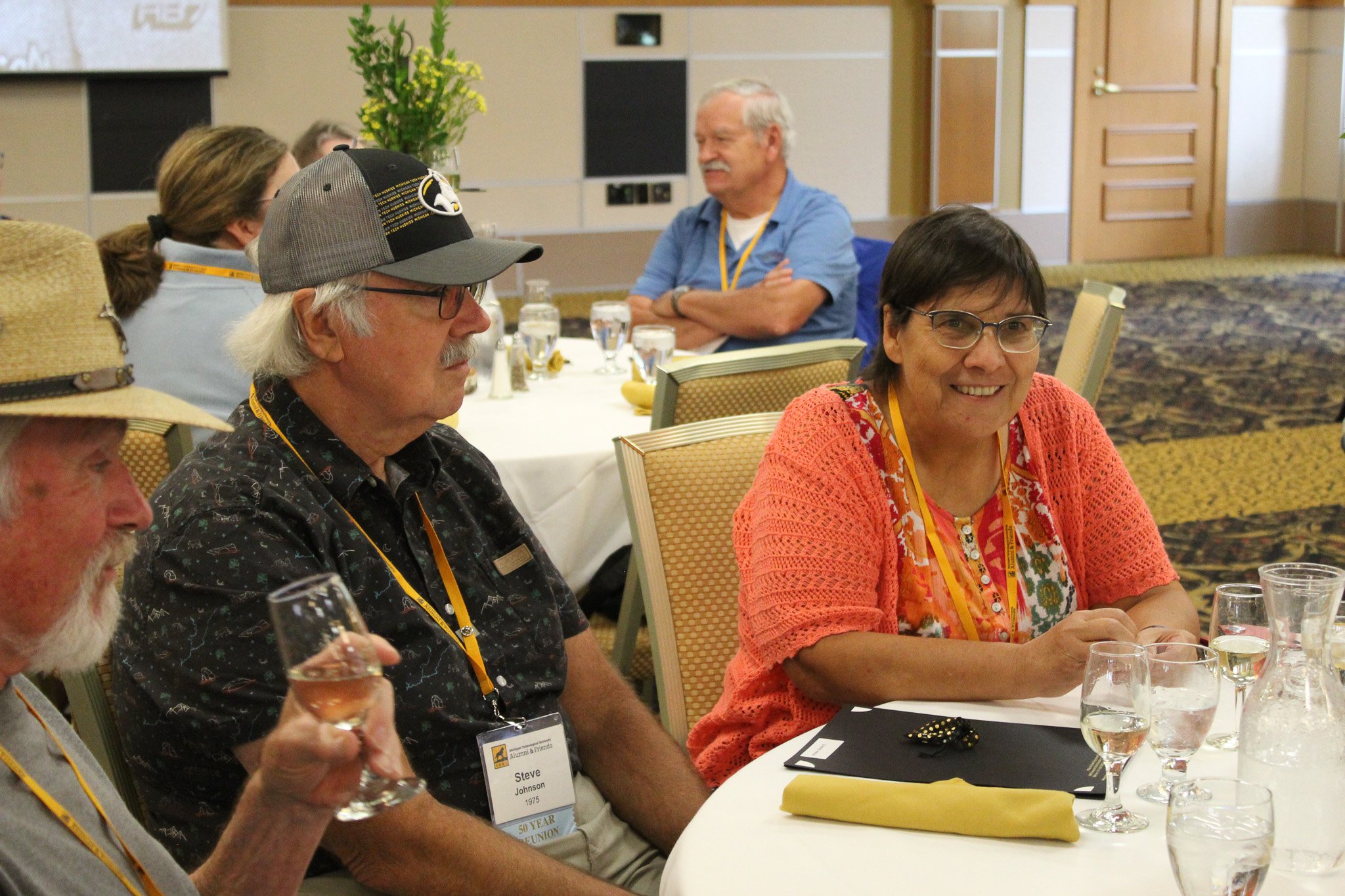
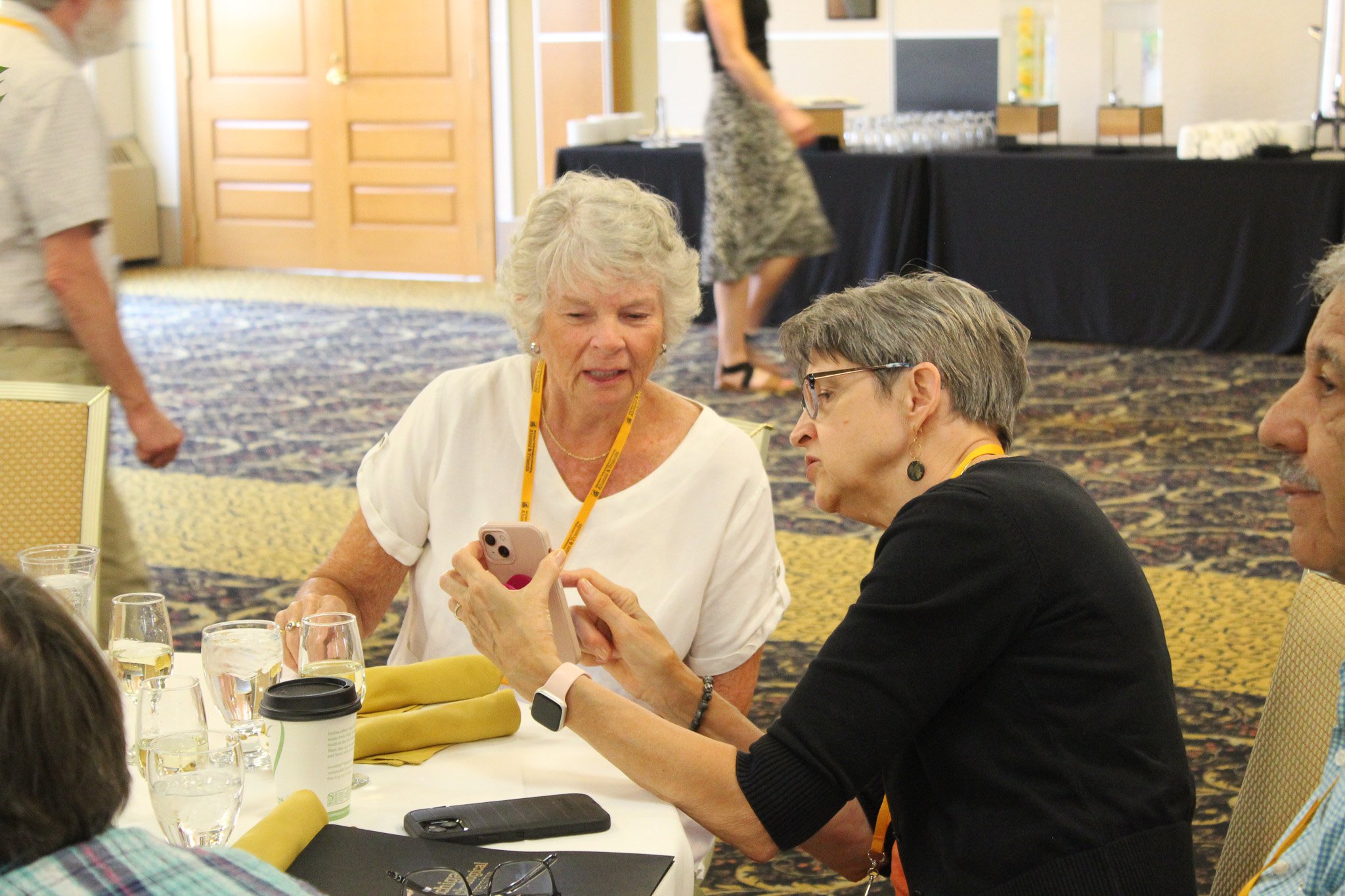
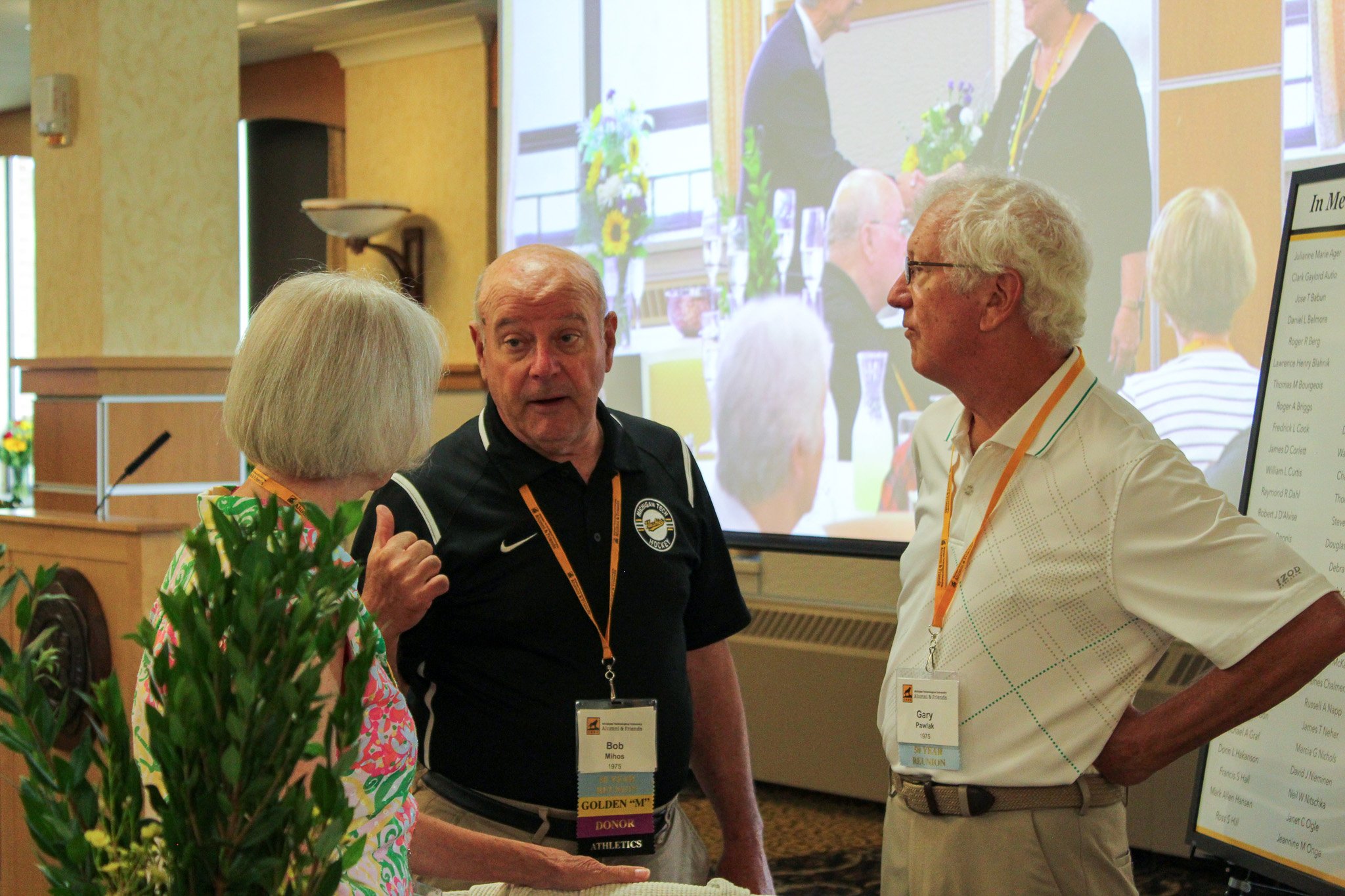
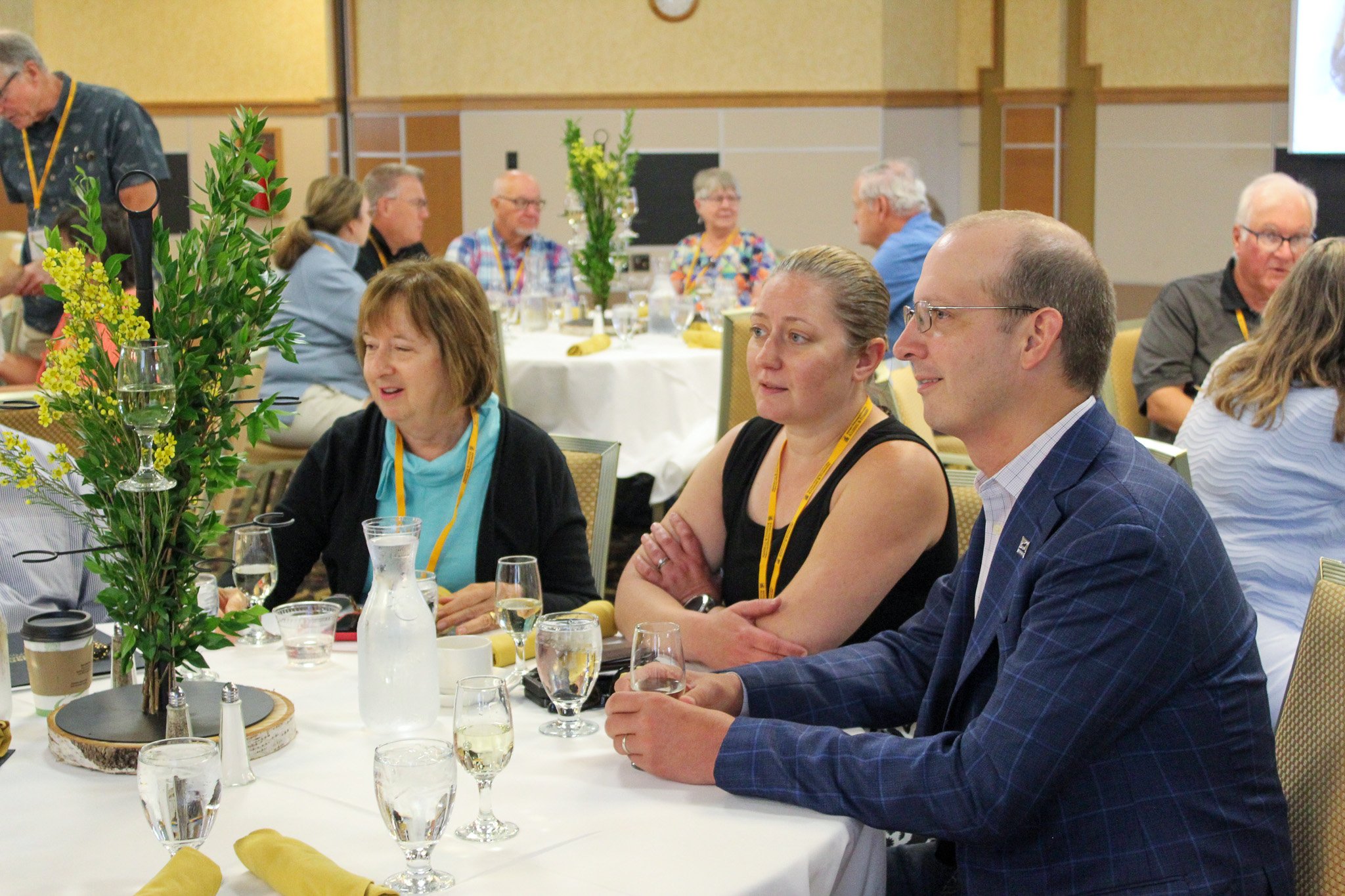
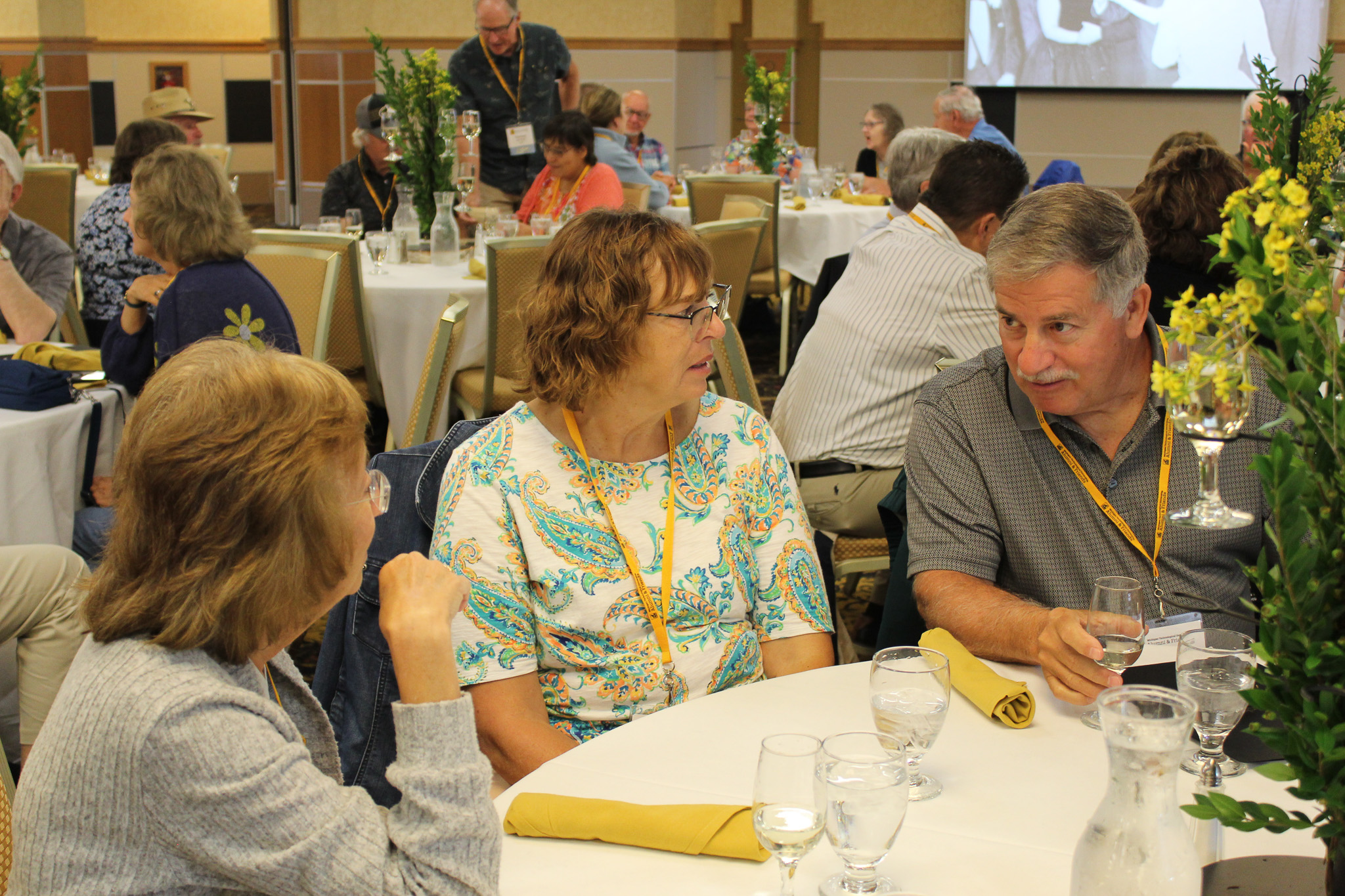
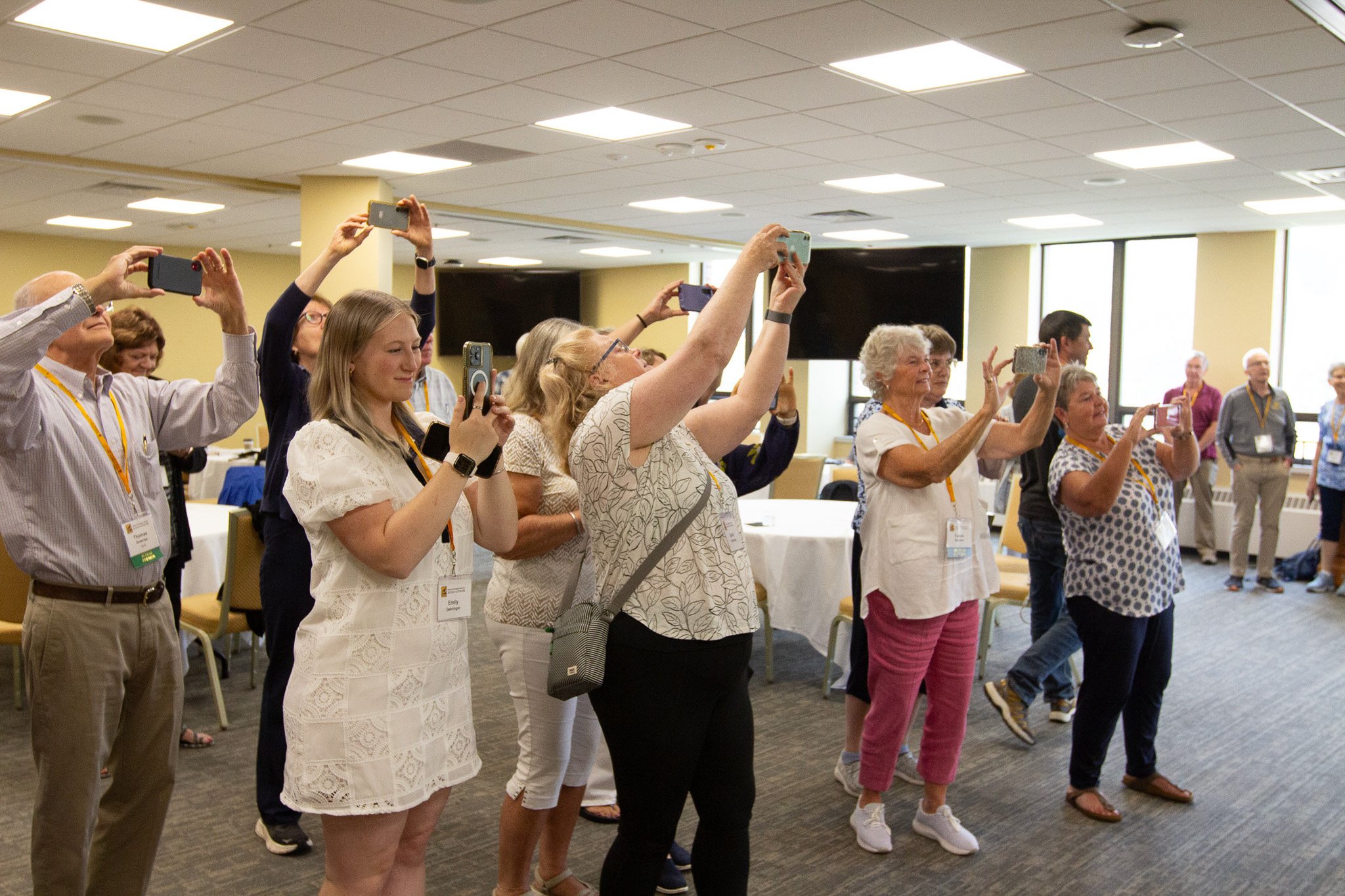
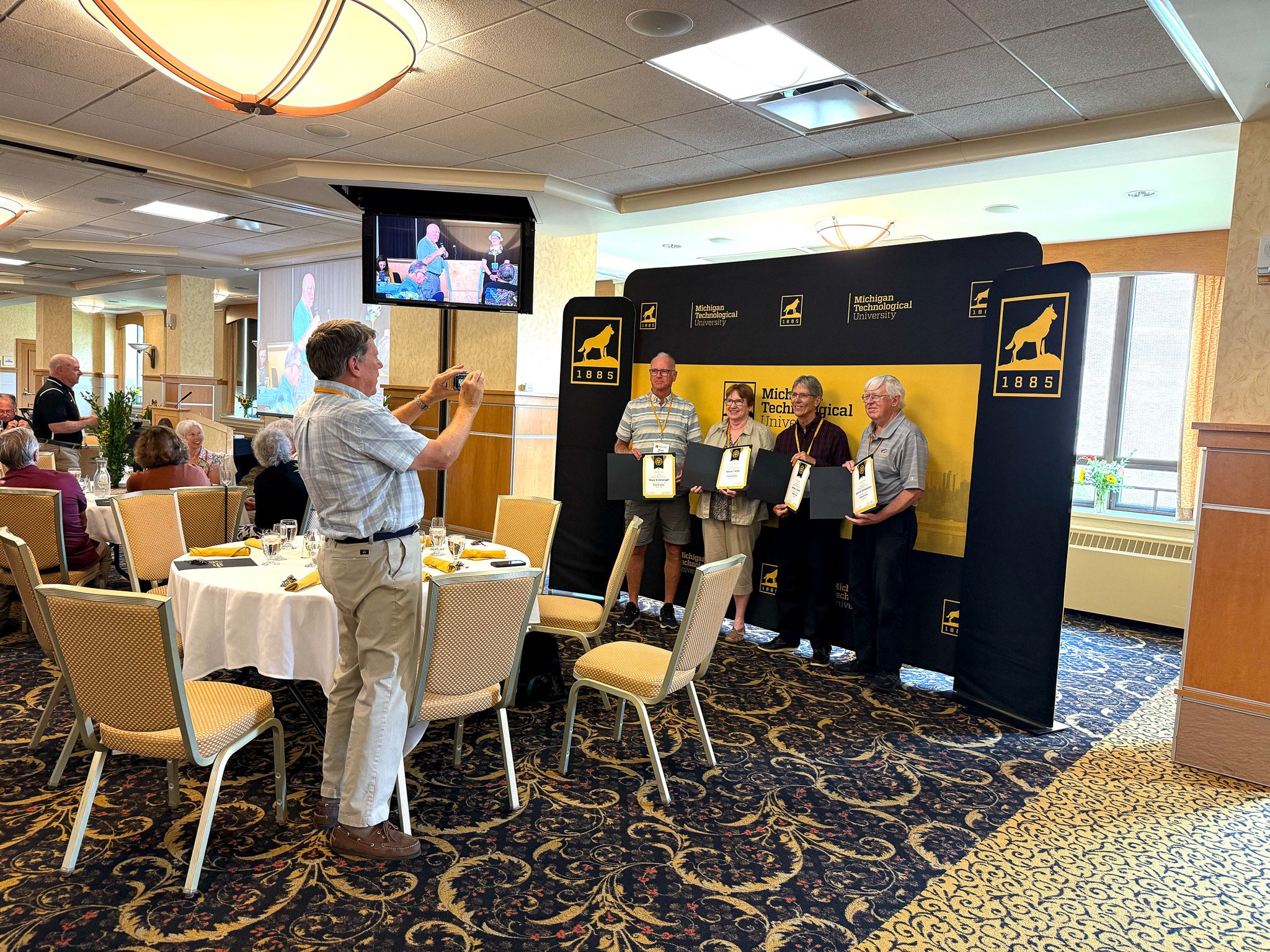
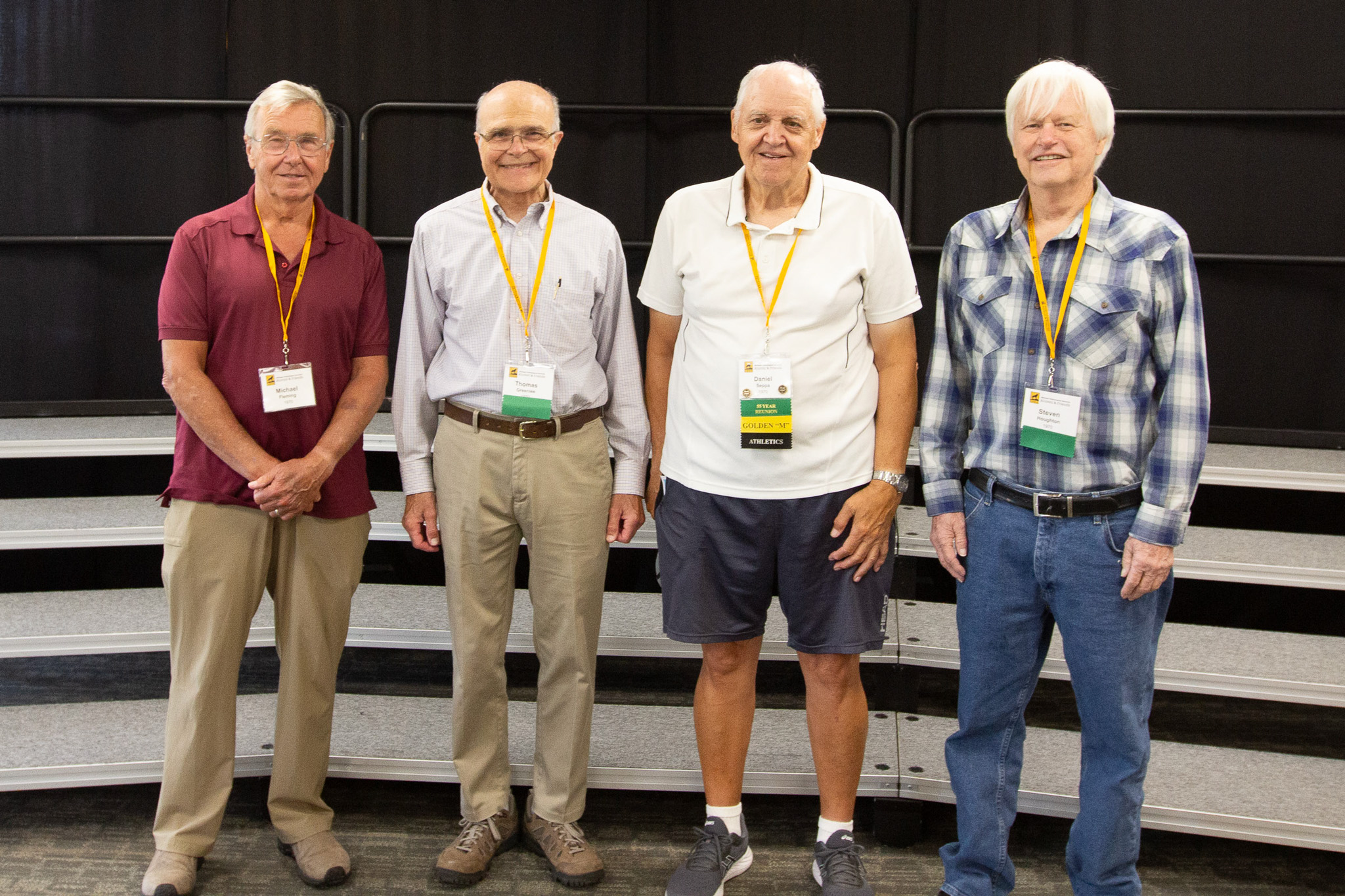
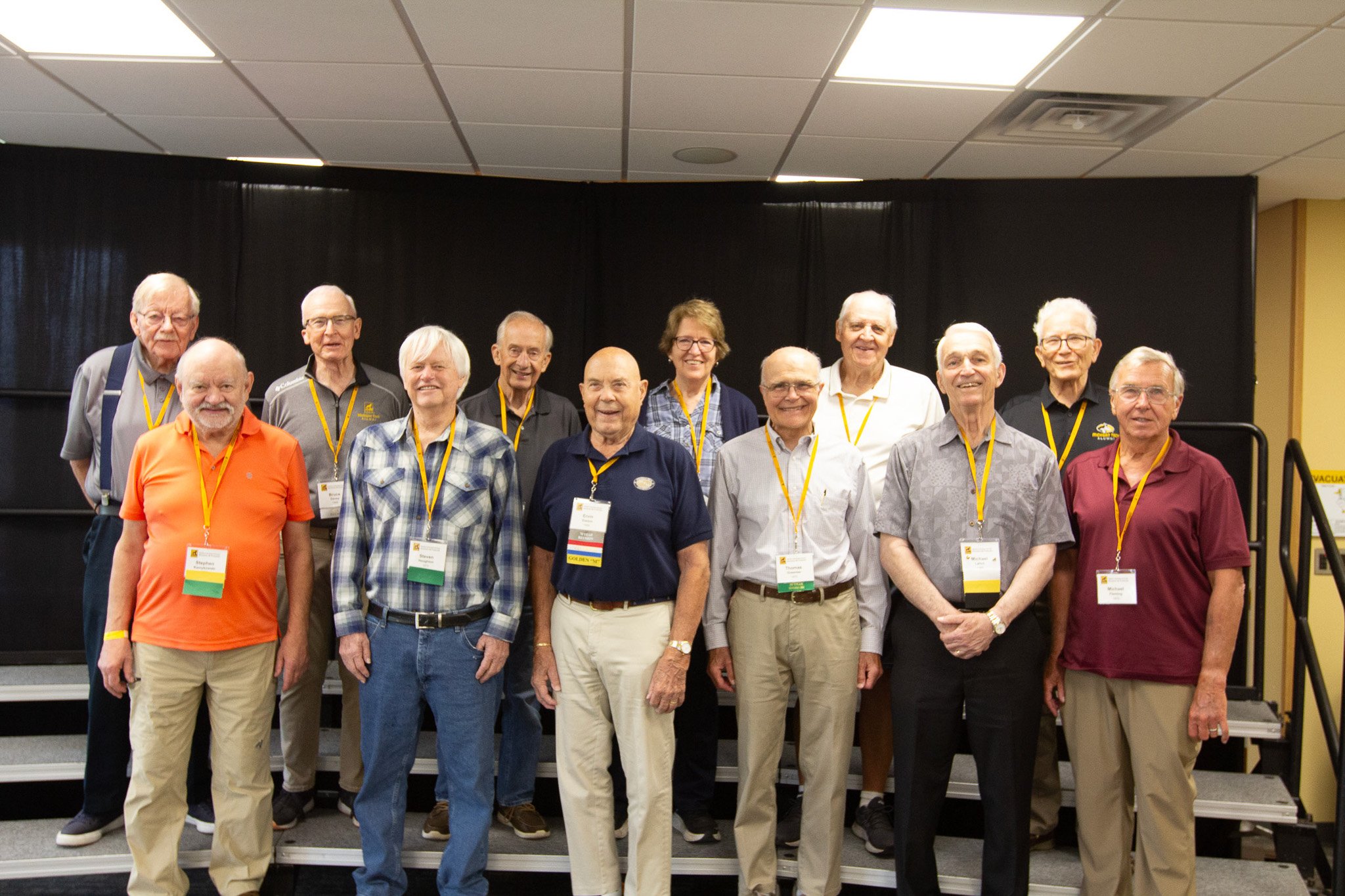
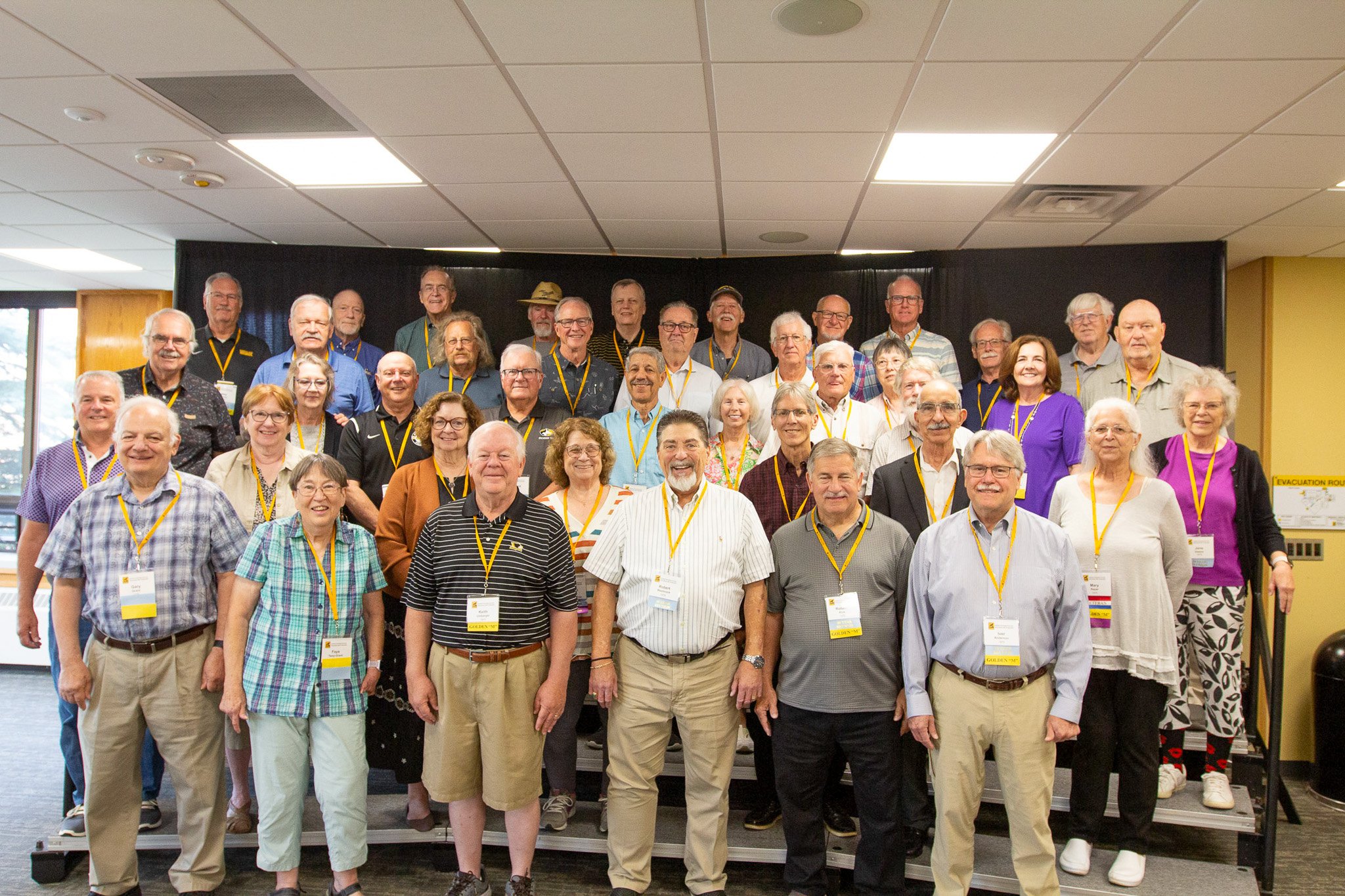
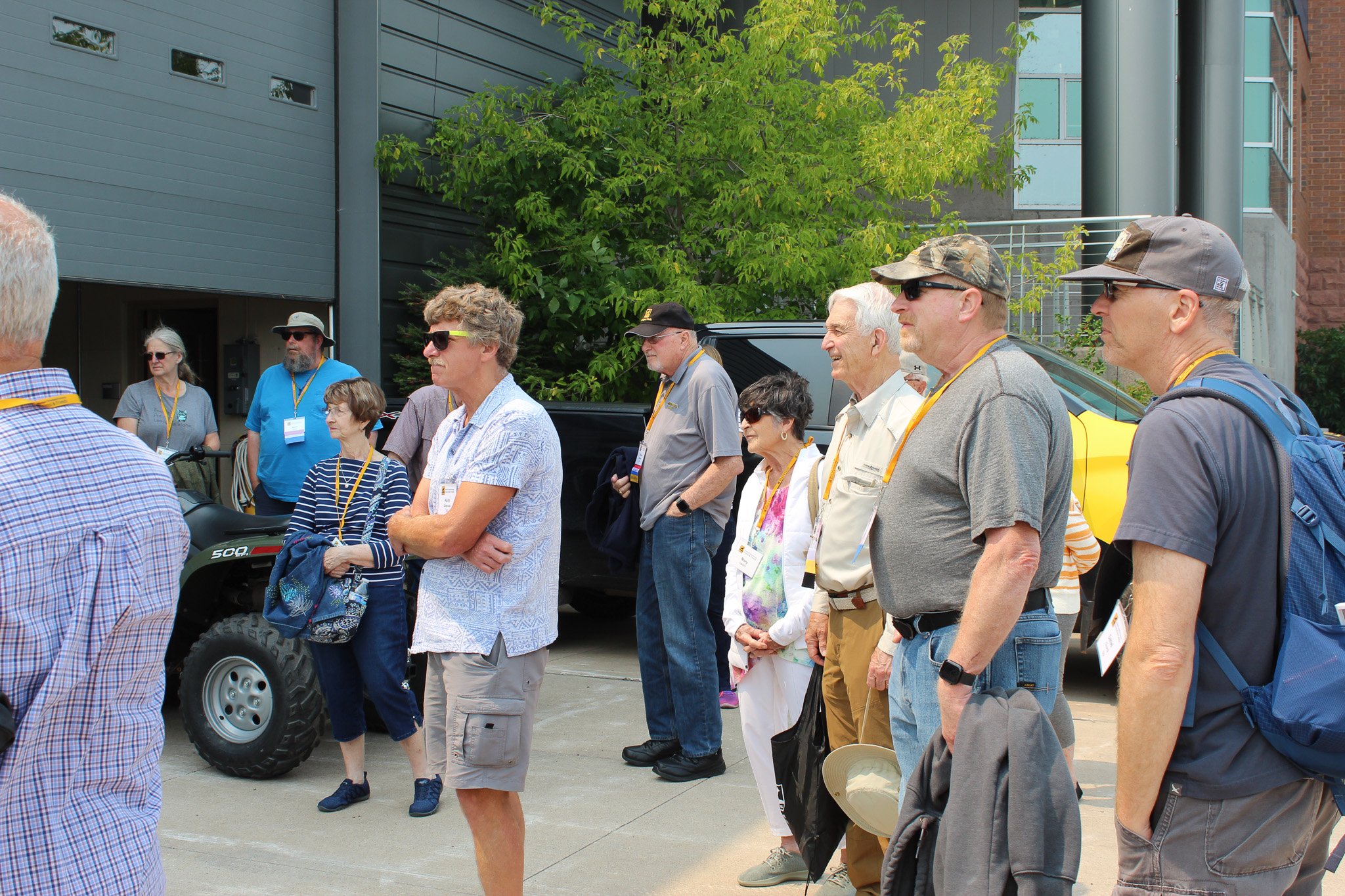
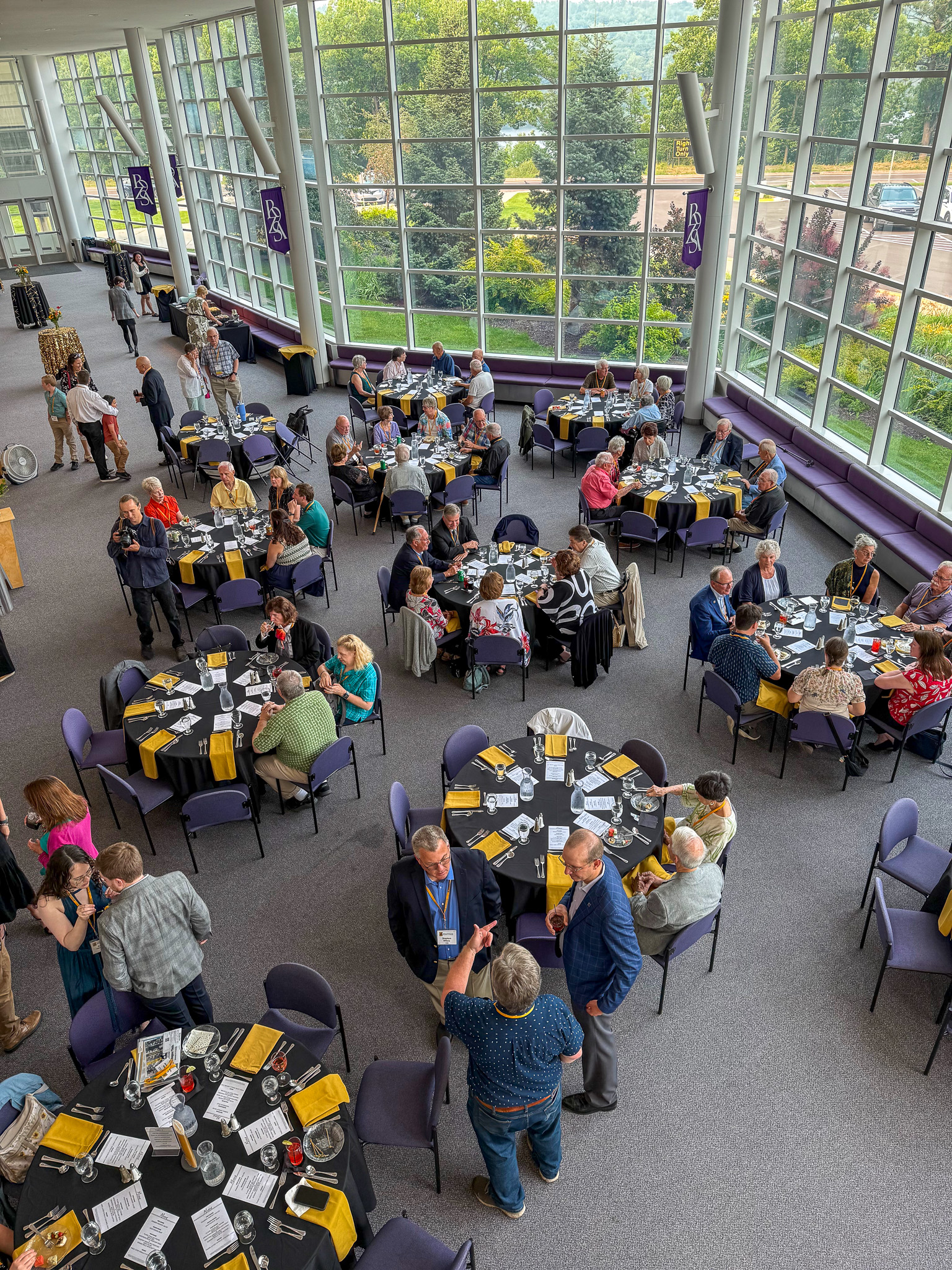
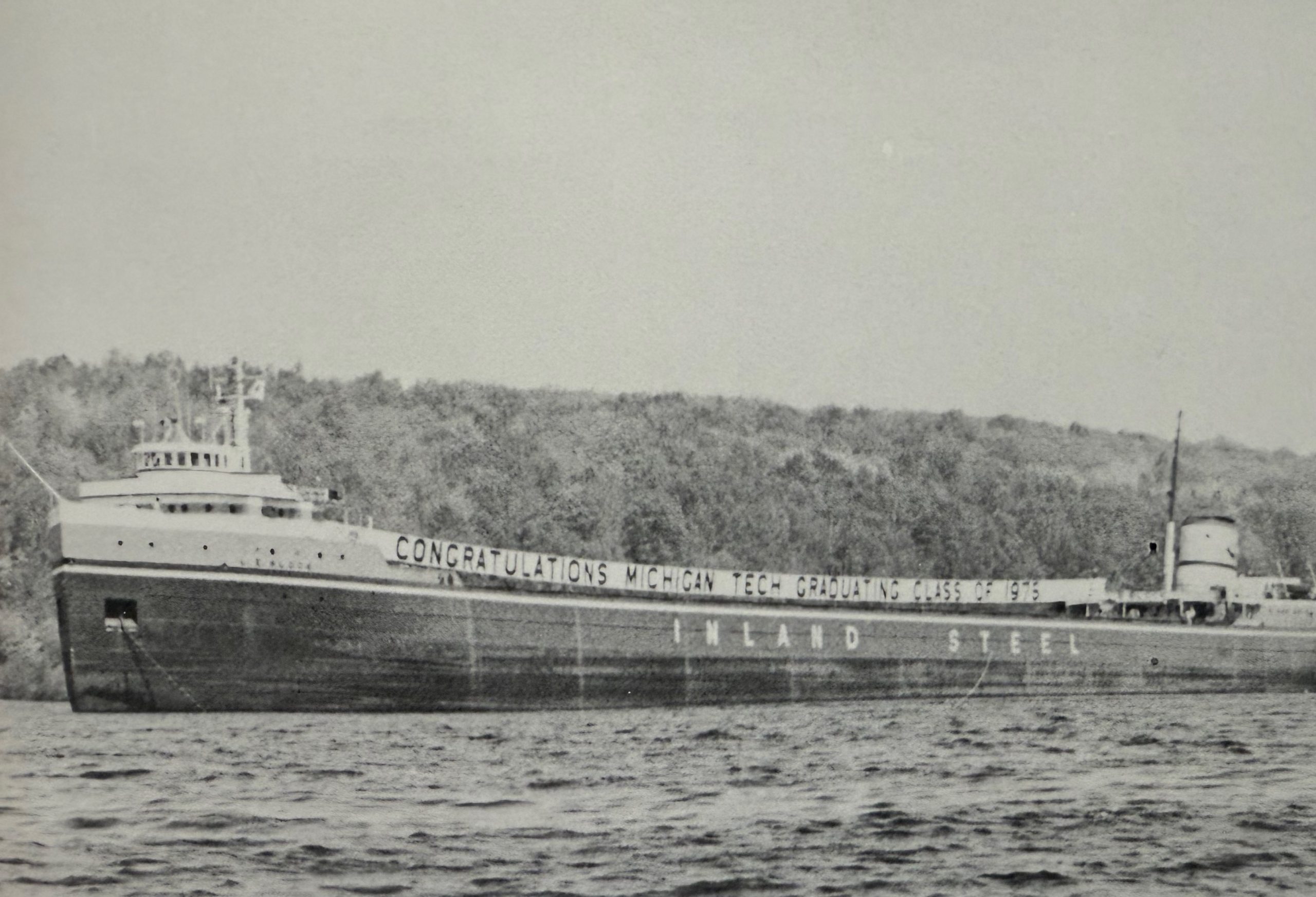
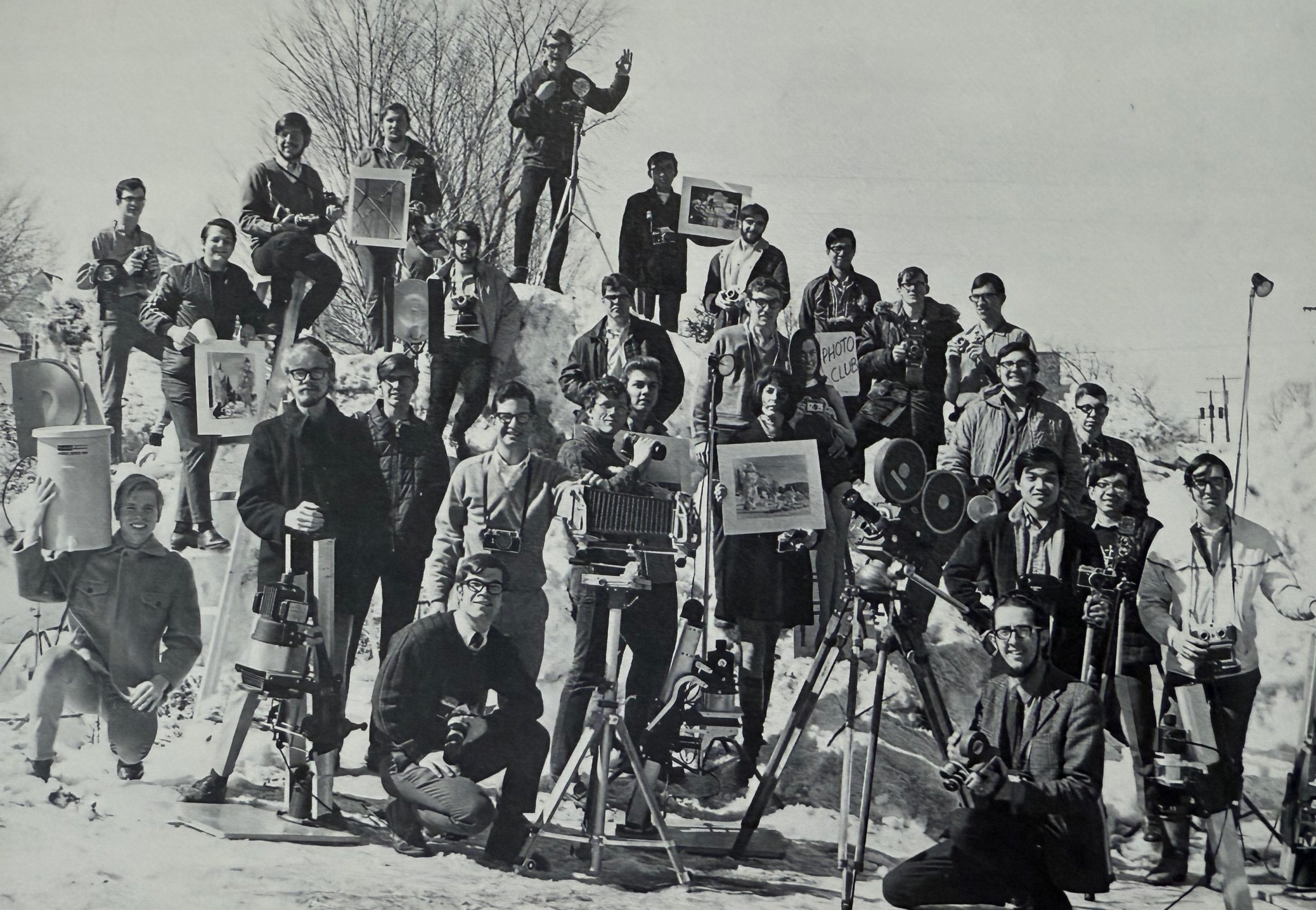
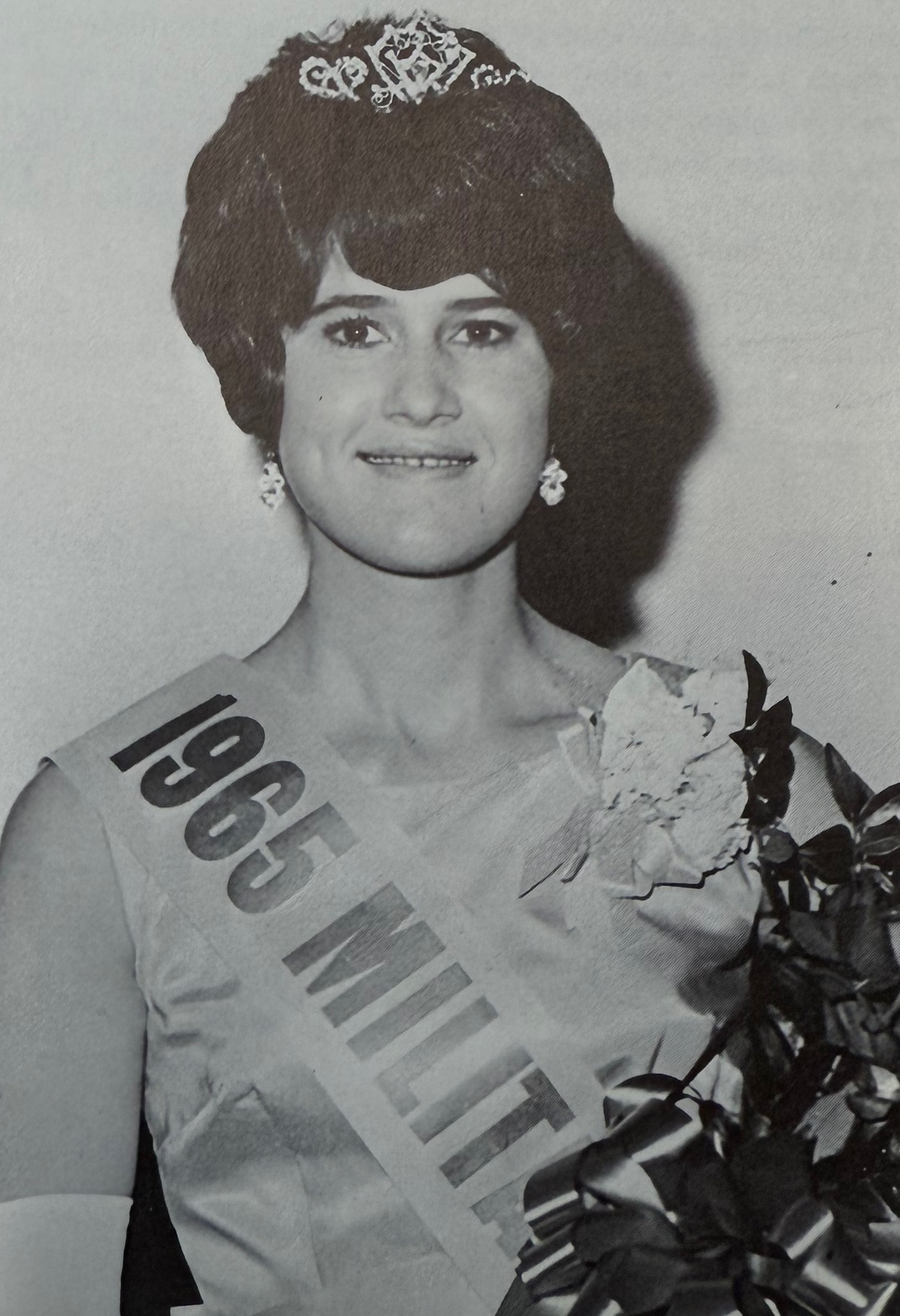
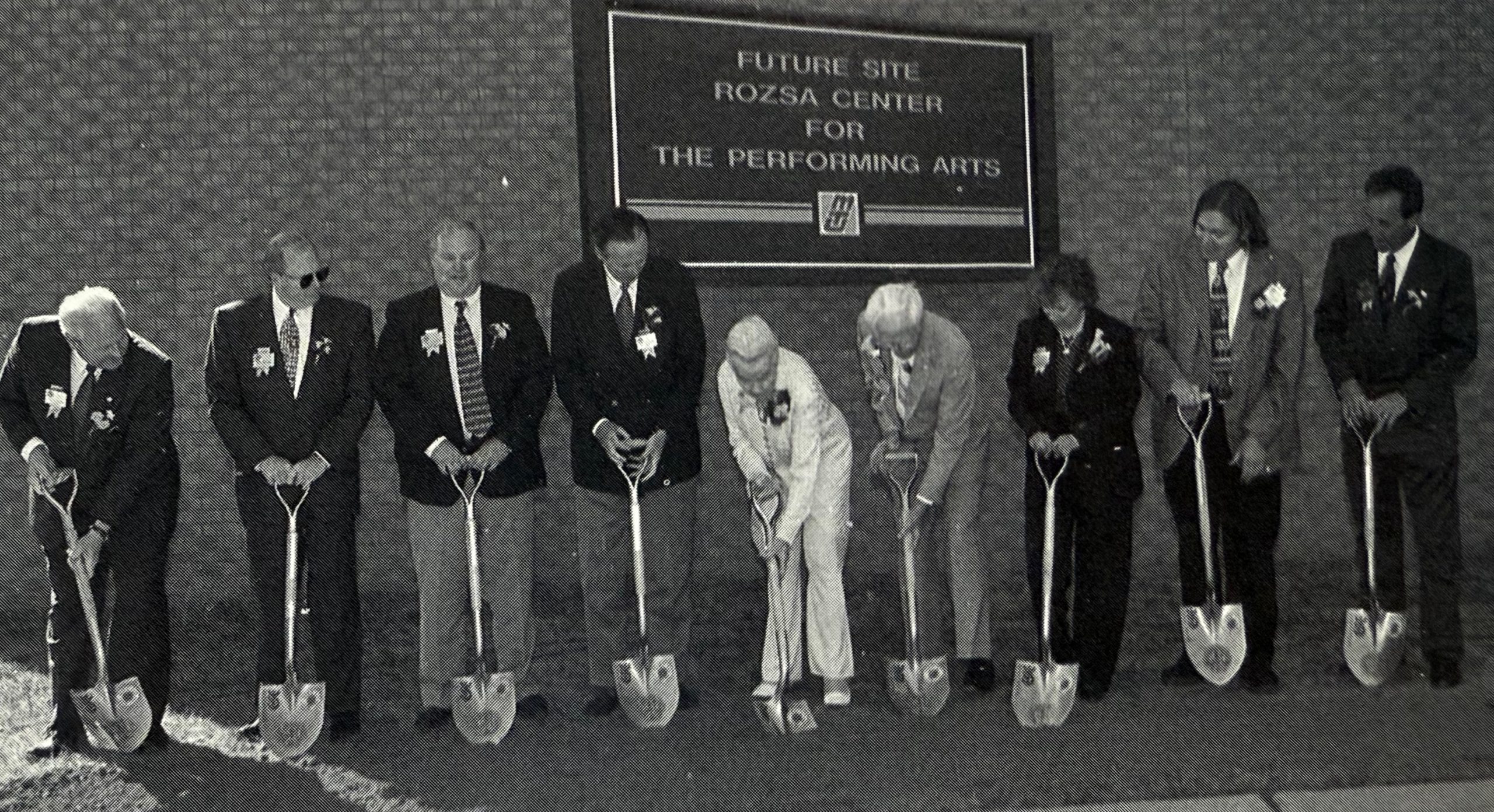
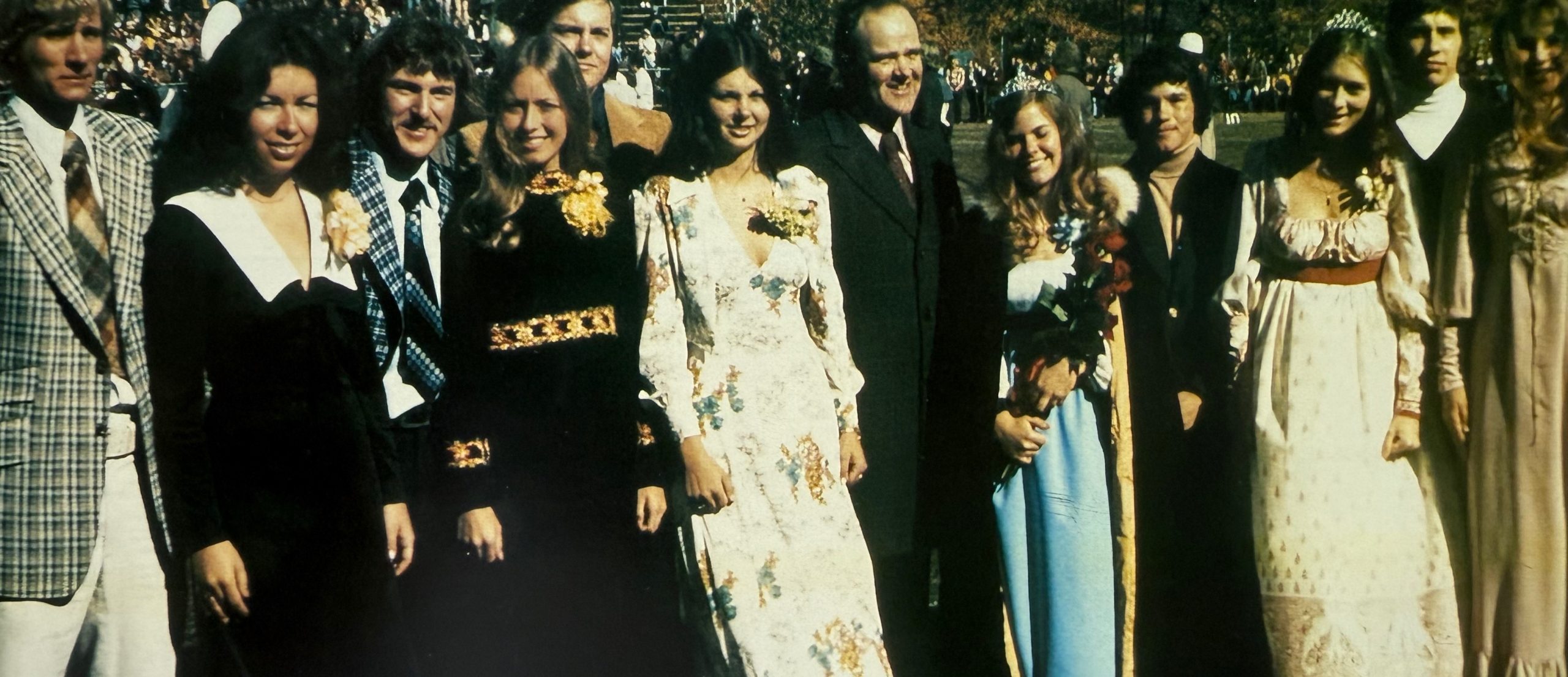
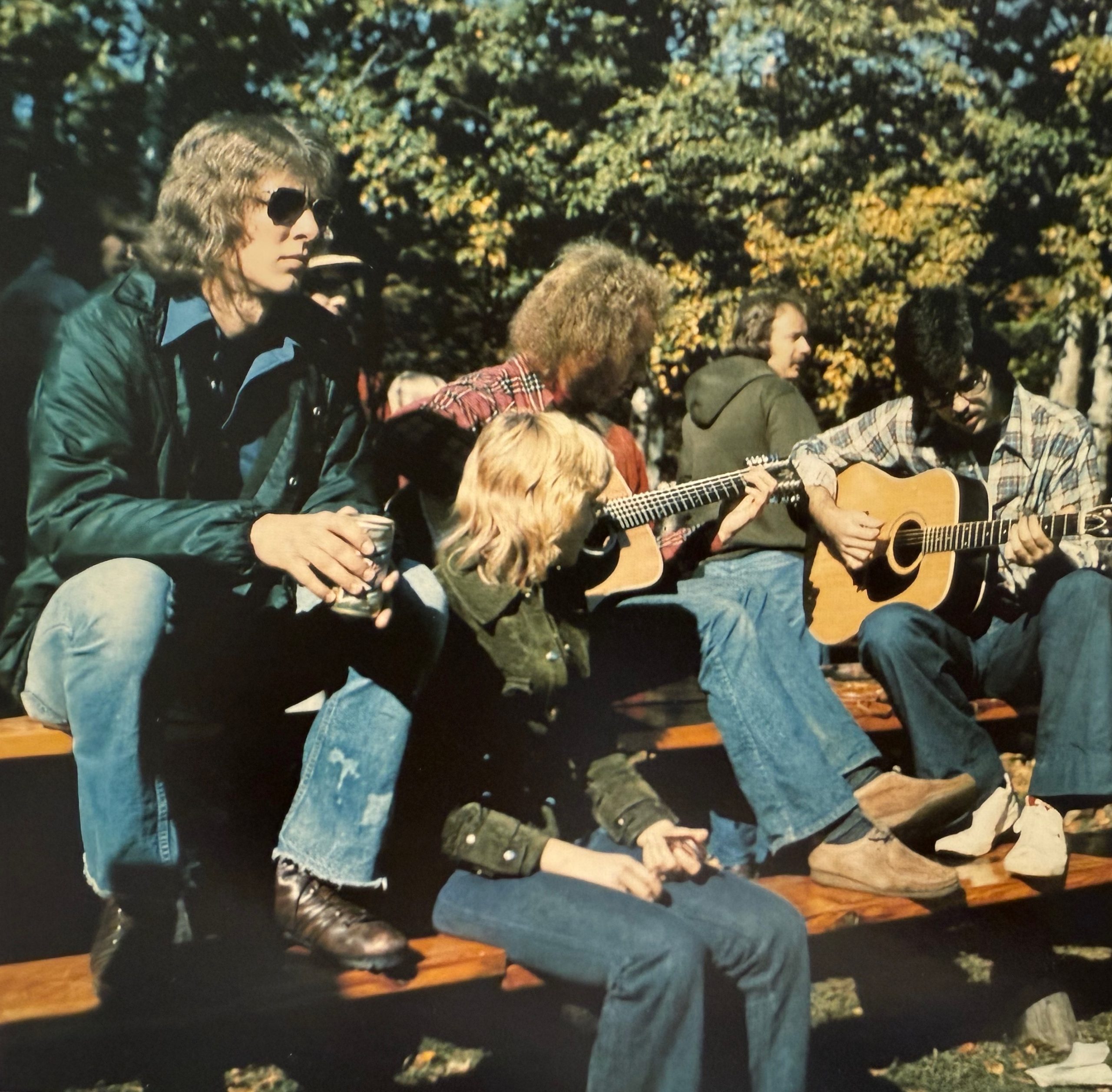
Last weekend, Michigan Tech celebrated Alumni Reunion 2025, bringing together graduates from a variety of decades, including our honored class years: 1955, 1960, 1965, 1970, 1975, 1985, 1995, 2000, 2005, and 2015. The following photos were displayed in a slideshow at various events throughout the weekend. We invite you to explore the slideshow below and relive the special moments that have shaped our Michigan Tech community.

Celebrating 10 Years of the Husky Statue

Celebrate the 10th birthday of the Husky statue from wherever you are. Share a comment and tell us why you chose to purchase a paver and what Michigan Tech means to you.

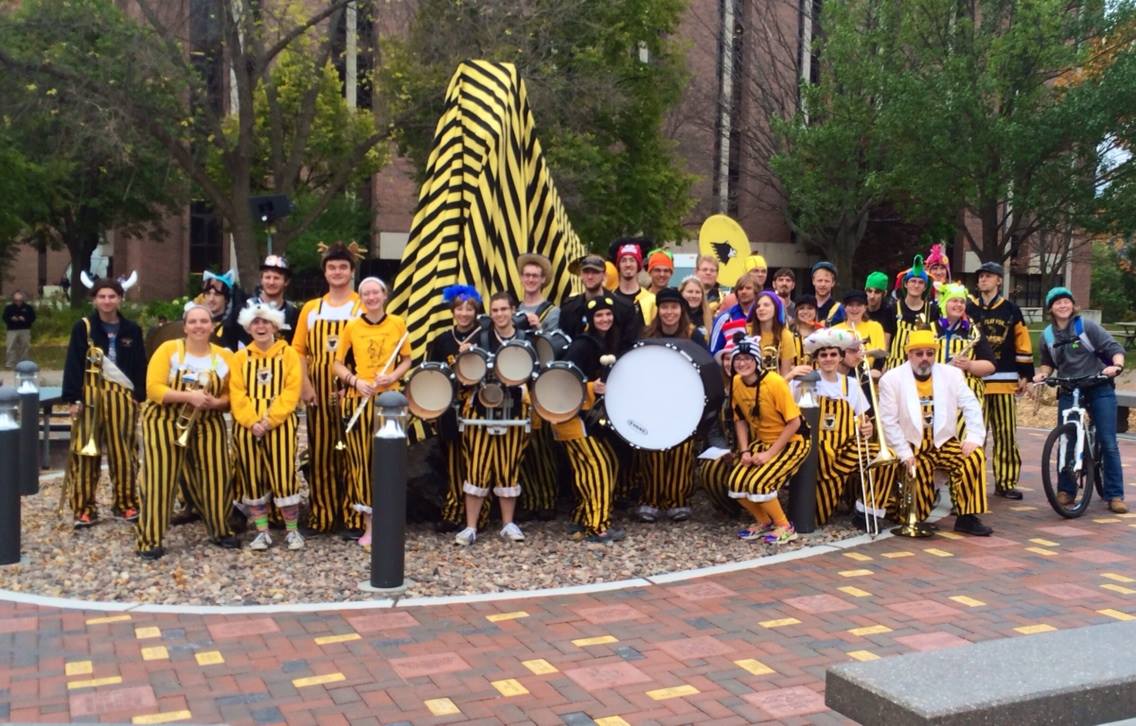
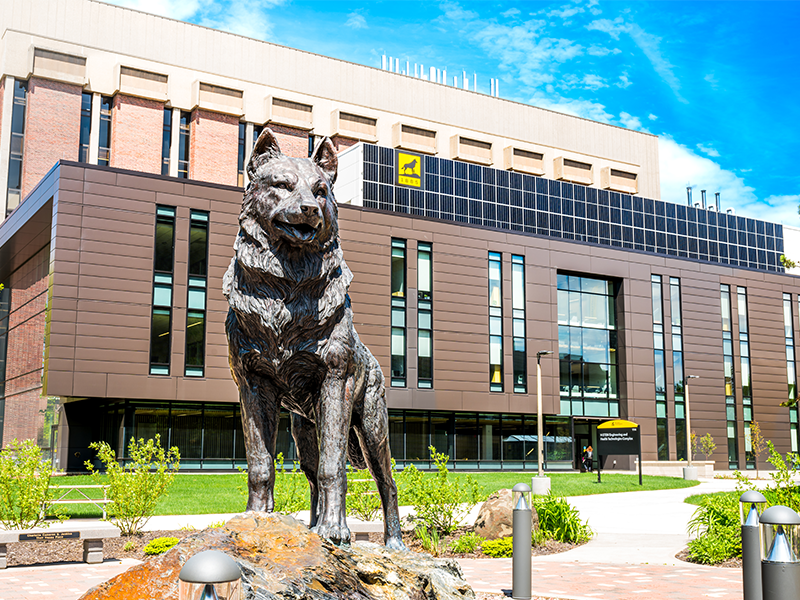
Located across from the J. R. Van Pelt and John and Ruanne Opie Library, a larger-than-life, nine-foot-tall bronze Husky statue stands proudly on a Baraga County boulder, surrounded by benches, planters, and paver stones. The great campus tradition was unveiled on October 13, 2014, with nearly 1,000 people in attendance including the Pep Band, Husky student-athletes, faculty, staff, and community members.

The statue at the center of Husky Plaza has been a visible and lasting tribute to the spirit of Michigan Tech. Over the past 10 years, the Husky statue has served as a location for events, a welcome spot for campus guests, a backdrop for photos, and a meeting spot between friends. The tradition will continue for many years to come. The dedication of the John Rovano Plaza in October 2013 launched the Alumni Way project, which has continued to grow and span across campus with the Husky statue, the Clock Tower (donated by the William (Bill) ’69 and Ilene Bernard Jr. Family), and the Alumni Gateway Arch which was made possible through a lead gift from Mike Trewhella ’78.

The statue was made possible by a gift from the late Dan Lorenzetti and wife Joan Lorenzetti and their family. Additional contributions to the Husky Plaza came from Roland Huhtala ’74 and Pete ’53 and Shirley Meyers.

More than 1,000 alumni and friends left their mark on Michigan Tech with personalized, engraved stones that encircle Husky Plaza. If you purchased a paver, we invite you to leave a comment sharing what made you decide to purchase a paver and what Michigan Tech means to you.

Gift to Blue Key Provides Solid Footing to Future of Winter Carnival Tradition

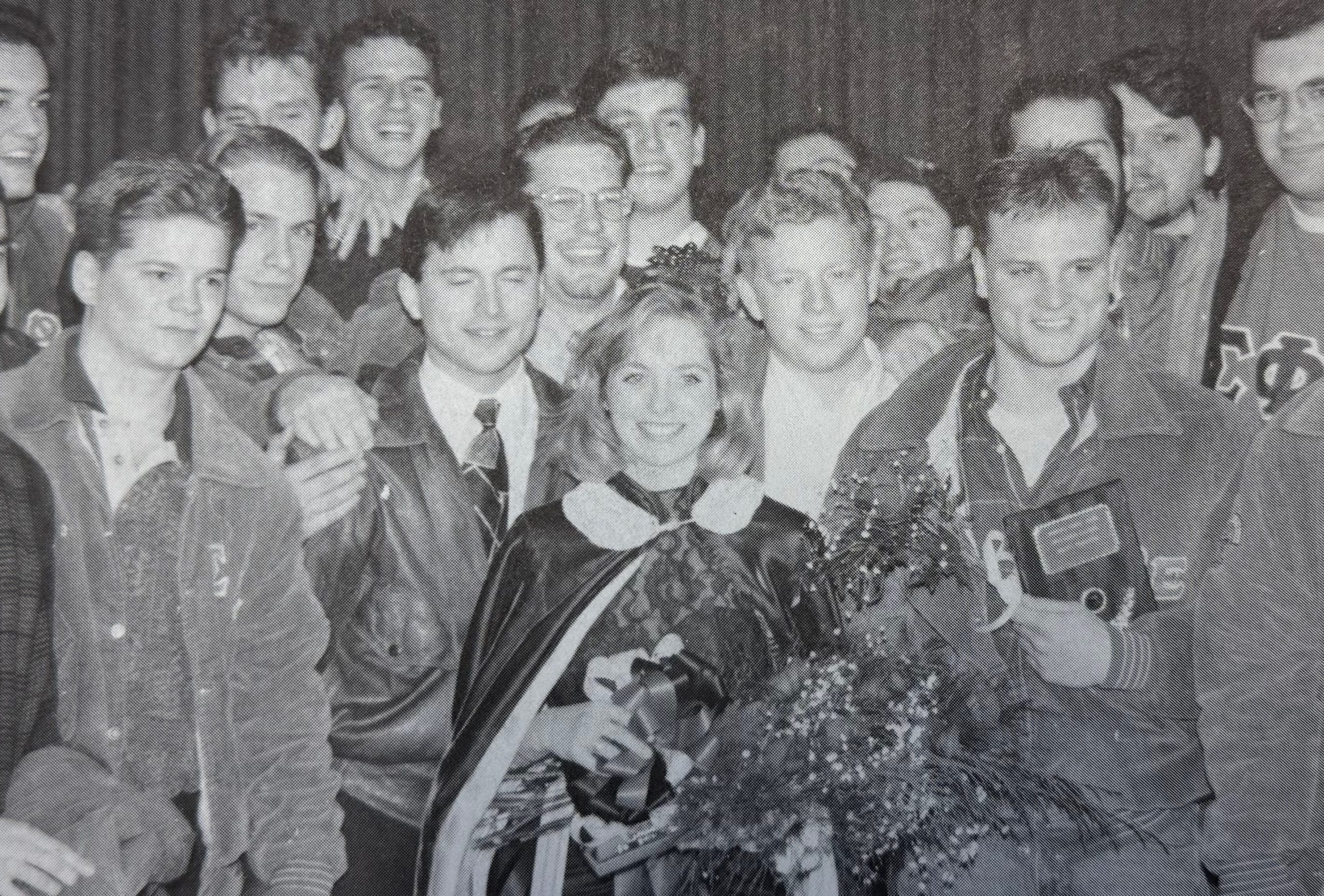
Pulicks with members of Blue Key.
Pictured (l-r): Aracely Hernandez-Ramos, Skylar Spitzley, Michael Pulick, Elizabeth Pulick, Joe Dlugos, and Sara Goheen.

When you think of Michigan Technological University, there is one tradition that stands out amongst the rest: Winter Carnival. Its reputation is second only to the University’s outstanding academic reputation and job placement rate.

Winter Carnival is organized and run by Michigan Tech’s premier student leadership organization, Blue Key National Honor Society. Blue Key’s mission at Tech is “to organize and coordinate Winter Carnival in a fair and equitable manner to serve the surrounding community.” The organization strives for excellence in academics, development of leadership, and service to the community. Student volunteers in Tech’s Blue Key chapter put their leadership acumen on display every year as they successfully plan, fundraise, organize, and execute the University’s most time honored tradition.

While the lack of snow certainly made this year’s edition historic, Blue Key and Michigan Tech had another milestone reason to celebrate Winter Carnival 2024. Blue Key recently received a generous gift from Elizabeth (Schumacher) Pulick ’88 and Michael Pulick ’86. The former Blue Key members know how important the student experience is to Michigan Tech Huskies. They wanted to make a gift to Michigan Tech that supported all students and the community by endowing Winter Carnival. The funds Blue Key will receive from the endowment will go directly to supporting the annual costs of putting on a major community event plus a scholarship for the Blue Key president.

“Blue Key was special for me,” said Elizabeth. “It allowed me to be a leader and hone those skills working with people.”

Michael added, “Blue Key put me into situations like managing a budget and meeting with community leaders and the media. It was pressure that I hadn’t felt before. It was a lot of work and a lot of fun.”

“This was a genuine surprise and absolutely wonderful,” said Joe Dlugos, a senior environmental engineering student and current president of Blue Key. “This gift will not only help Blue Key, but everyone who enjoys Winter Carnival.”

“We will be able to provide students with scaffolding, shovels, and lighting for snow statues,” said Dlugos. “We have plans to add fire pits for people to stay warm during the all-nighter. The possibilities are endless, and we couldn’t be more grateful to the Pulicks for their support.”

The Pulicks credit their experience in Blue Key and as Michigan Tech students for amplifying their personal growth. “We always talk to others about how special Tech is,” said Michael. “We want Winter Carnival to go on forever, and hope this gift takes some of the pressure off of students in Blue Key.”

Elizabeth echoed the sentiments. “We are really passionate about the student experience and wanted to pay back what we received. We’re excited to help Blue Key make Winter Carnival better for the whole community.”

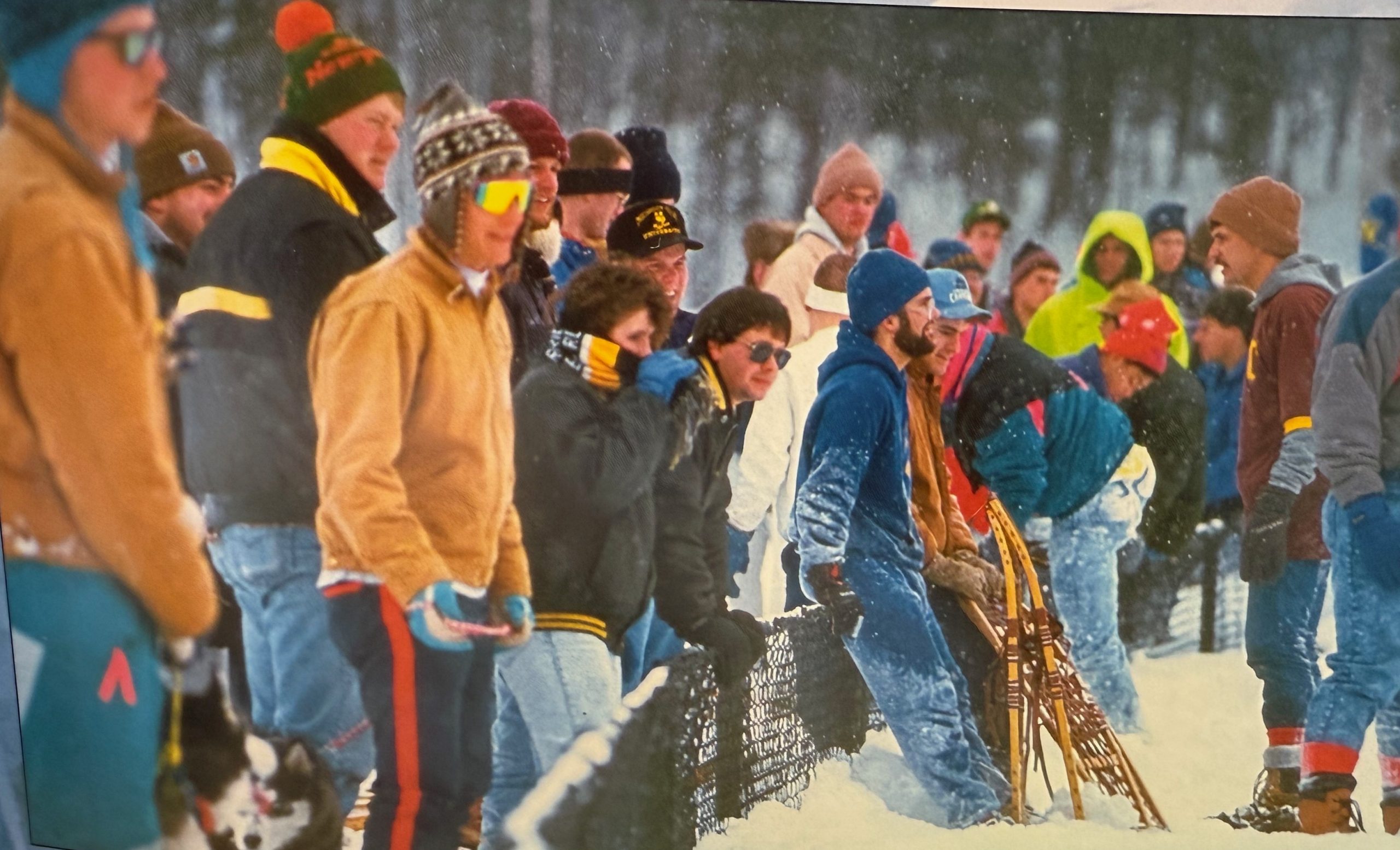
Annually, Winter Carnival occurs the second weekend in February with events including snow statues, broomball, stage revue, royalty competition, human dog sled races, and Michigan Tech hockey. The event not only brings students, alumni, and the community together, but it also has a considerable economic impact on the Keweenaw.

Laura Bulleit, vice president for student affairs, underscored the significance of Blue Key and Winter Carnival. “The impact of Winter Carnival isn’t limited to just a fun weekend for our students. It’s so much more than that. It is a major draw for alumni, families, and tourists, and has an enormous impact on our local economy. Very few student organizations have the opportunity to plan and execute something as large as Winter Carnival. To know that it’s our students, and not faculty and staff, who are behind all of this really highlights the capability and excellence of our Michigan Tech students.”

Blue Key has put on Winter Carnival for 90 years. The Pulicks’ gift helps ensure that Blue Key has the resources to continue the tradition into the future.

“This endowment will preserve one of Tech’s most well-known traditions in perpetuity,” said Bill Roberts, vice president for advancement and alumni engagement. “I’m so glad the Pulicks have led the way with this gift that will ensure Winter Carnival for generations to come.”

Michigan Tech’s endowment is a collection of funds which were given by donors to provide support to Michigan Tech in perpetuity. When an endowment gift is received, it is placed in a long-term investment fund. The investment returns generated from that principal are used on a continual basis while the principal is preserved for the future. The endowment provides the University with future financial stability.

Others may join the Pulicks to further support the Blue Key endowment with a one-time or annual gift. Those interested can contact the Office of Gift Planning at 906-487-3325.

Glimpses of Snow and Stage: Winter Carnival Contests through the Years

As we prepare for Winter Carnival, we thought it timely to share an image of the upcoming Archives display to be featured at the Alumni Social + Winter Carnival Contests Exhibit on Saturday, February 10. Glimpses of Snow and Stage: Winter Carnival Contests through the Years will feature rich images and small displays of Michigan Tech memorabilia. Skits, the beard competition, human sled dog race, human bowling, snow statues, and many other traditions will delight one and all! If you have a Winter Carnival memory to share, please let us know in the comments.
Impact of Philanthropy: Gary Sparrow Endowed Faculty Fellow

Jeana Collins ’16 ’18 is an associate teaching professor in the Department of Chemical Engineering and the Gary Sparrow Endowed Faculty Fellow. Her position is made possible by a gift from Gary Sparrow ’70 and impacts many students she teaches and leads in the Unit Operations Lab. Below is a Q&A with Collins.

Jeana Collins ’16 ’18

What are your responsibilities?
My responsibilities in the Chemical Engineering Department are teaching and service. This year, I am teaching the senior capstone laboratory sequence (Unit and Plant Operations), Computer-Aided Problem Solving (a chemical-engineering elective class), a new elective on programming in DeltaV (the distributed control system that we use in the UO lab; DeltaV is widely used in industry), and Material and Energy Balances (summer class). I also serve on and chair multiple committees within the department, as well as advise the Dance Team and AIChE student organizations.

Tell us about your background and how you came to teach at Michigan Tech.
I received my B.S. in Chemical Engineering from the University of Minnesota Duluth in 2012 and came to Michigan Tech for graduate school. I completed my M.S. and Ph.D. in Chemical Engineering at Michigan Tech. During my graduate studies, I was also a graduate teaching assistant (GTA) for a variety of classes. I really enjoyed being a GTA, and found that I wanted to pursue a career in academics, focused on teaching instead of research. I joined the department as faculty in 2016.

Why is your position important?
Instructional track faculty are important because of our focus on undergraduate education. Because we are focused on teaching, we have higher teaching loads and can reduce the amount of teaching needed from research faculty. We can also take on classes that require more time than traditional classes. For example, the senior capstone lab requires 16+ hours a week in the lab with the students.

What does holding an endowed position mean to you?
I am honored to be the first Gary Sparrow Endowed Faculty Fellow. I feel that an instructional track endowed position really shows how much the Department and University care about undergraduate education. This position will provide more opportunities for me to go to workshops/training and conferences to continuously improve our program and share knowledge. For example, over the summer, I completed a week-long training on DeltaV at the Emerson Training Center in Round Rock, Texas. That training expanded my knowledge of DeltaV. I am using that to create a new elective course that I am offering for the first time this spring. The course will be focused on the DeltaV software. All of the chemical engineering students operate equipment with DeltaV in the capstone lab sequence, but this new elective will delve more into process and process control engineers’ roles with DeltaV in industry. With the endowed position, I will be able to continue expanding my knowledge and improving my classes, both core and elective.

Gary Sparrow ’70 (center) presents a check to now-retired Department of Chemical Engineering Chair Pradeep Agrawal (left) and Bryant Weathers ’10, Director for Charitable Gift Planning.

What takes place in the Unit Ops lab?
The Unit Operations Lab provides a hands-on education for students. Students first enter the lab in lower-level classes to look at real equipment and potentially see equipment relevant to their coursework operating (for example, the CM 3240 students come in to learn about distillation on the glass distillation unit so that they can see what is happening inside of a distillation column while they are learning about distillation in class). The first class that they operate equipment is during their junior year during their process control course. In process control, the students apply what they have been learning in lecture in the lab. In the UO lab, they complete step tests and tuning on a controller for the heat transfer experiment, are introduced to DeltaV (our distributed control system) on the flow measurement experiment, and tune a cascade control loop on the three-story distillation column. In their senior year, the students run multiple (at least four) of the unit operation experiments, as well as both of the pilot plants, applying concepts from all previous chemical engineering classes. For the pilot plant operations, multiple groups work together to operate the equipment. They get to experience shift changes, radio communication between the control room and floor, manual and automated operations, troubleshooting, and more. Safety is a huge part of the UO lab. A safety inspection, including asking other students safety questions, is completed every run day, each group has a safety check every run day before operating equipment, students prepare safety moments for each other, and we have a reporting system PAWS (prevent accidents with safety). PAWS is a comprehensive safety program that requires training, constant vigilance, and incident reporting and documentation, all with an eye toward critical review and continuous improvement.

How does the Unit Ops lab impact students and their futures?
The UO lab provides students with valuable hands-on experience that translates to their careers. They gain experience operating equipment, troubleshooting, communicating via radio, DeltaV, and safety culture, as well as experimental design and statistics. We also coordinate with industry representatives to teach the students about how the equipment relates to their industry. The students are able to draw upon their experiences in the UO lab when talking to recruiters (during career fair / during interviews).

Any specific stories of unique research or successes from the lab?
There is no research in the UO lab; it is only a teaching lab. When giving tours and discussing the lab with industry representatives/recruiters, they have been impressed with the experiences that the students are getting and the equipment that they are running.


What students have to say about the Unit Operations Lab:

To me, the Unit Operations lab offers the invaluable experience to put what we learn in the classroom into the perspective of an industrial environment, while still having the opportunity to make mistakes and grow from them. Being able to work on the floor and as a console operator not only helps us to cement our understanding of the technical aspects of our future positions, but to also foster an appreciation for the daily tasks and positions that make up a successful plant. 

Ana White

As a senior chemical engineering student with 15 months of hands-on experience in chemical manufacturing facilities, my time at the UO Lab at MTU has provided me with a unique opportunity. It allows me to operate industry-relevant equipment within a classroom environment. This experience is incredibly valuable as it bridges the gap between theoretical knowledge and practical application. In the UO Lab, students have the freedom to ask questions and learn from their mistakes, making it an essential resource for those who lack industry experience. Ultimately, the UO Lab plays a crucial role in enhancing students’ practical understanding before they graduate.

Tom Morrison

The UO lab at Tech has provided me with experiences that have reinforced the theory and knowledge that we as students spend so much time developing throughout the entire chemical engineering curriculum. Those experiences create the industrial feel and give our students a head start over our peers as we enter into the industrial world.

Allison Swanson

From Michigan Tech to Mars

Jessica Elwell
Jessica Elwell ’02 ’03

Jessica Elwell once sat with her Senior Design team daydreaming about how they could solve all the problems of the world with thermodynamics. Now, she is actually solving one of those problems by converting carbon dioxide into oxygen and sustainable fuels.

Coming around the bend in Chassell during her first campus visit, Elwell thought, “Oh, this is home now. This is where I need to be.” The remote environment, affordability, and quality of the engineering education were all factors that led her to choose Michigan Tech. She graduated with a BS in Chemical Engineering in 2002, followed by an MS in Chemical Engineering in 2003.

Her career began at SE Johnson as a research engineer, but following that she frequently jumped industries, looking for what the position would add to her skill set versus what the job actually was. “I’ve had the opportunity to go from specialty chemicals to bio labs to ceramics to defense and aerospace. I even worked in weapons manufacturing for a bit,” she said. “It’s been a really diverse path.”

Now, Elwell is chief operation officer at OxEon Energy, a start-up specializing in complementary energy technologies capable of converting carbon dioxide and water to sustainable fuels, leading the way to solve the world’s energy-related problems. Elwell was a founding member in 2017, but left to gain experience and returned to the company in 2020. While formally working together at OxEon for just five years, the team has actually been collaborating for more than 30.

Elwell standing in front of Curiosity Rover Mockup at NASA's Jet Propulsion Laboratory holding the Solid Oxide Electrolyze for MOXIE
Elwell in front of Curiosity Rover Mockup (same class as Perseverance) at NASA’s Jet Propulsion Laboratory holding the Solid Oxide Electrolyze for MOXIE

It was this team that designed, developed, and manufactured the Solid Oxide Electrolyzer at the heart of the Mars Oxygen In-Situ Resource Utilization Experiment—or MOXIE—which was named one of TIME’s Best Inventions of 2023. The device was attached to Mars’ Perseverance rover, successfully converting carbon dioxide into oxygen. Because of Elwell and team, if astronauts ever land on Mars, they will have air to breathe and propellant produced on Mars to support a return mission.

“We are the first team ever to produce a technology that made a commodity off of the surface of Earth from the resources that are available in that location,” Elwell said. “As technical program manager, that is my biggest achievement. That team, and that product, is what I’m most proud of.”

OxEon is currently scaling up manufacturing on the devices and using them to produce fuels on the Earth.

Elwell credits Michigan Tech for giving her the tools she needs to succeed. “I’ve worked with the best of the best in high-profile engineering companies. I appreciate the background that Michigan Tech gave me. I can sit in any of those rooms, at any of those tables, and I belong.”

Residing in Salt Lake City, Utah, with her two children, Alton and Kailyn, Elwell enjoys spending time outdoors in the beautiful Utah mountains, being active in the development of a sustainable fuels economy through industry associations and government activities, and volunteering for Women Who Succeed. Elwell is on the Board of Directors for the United States Hydrogen Alliance, as well as the Board of Governors for Utah’s Aerospace and Defense Association, 47G.

Jessica Elwell with leadership of 47G
Elwell with leadership of 47G—Utah’s Aerospace and Defense Association